High-Quality Plastic Egg Boxes for Your Needs

All Categories
Review Full Line Catalog

plastic egg boxes

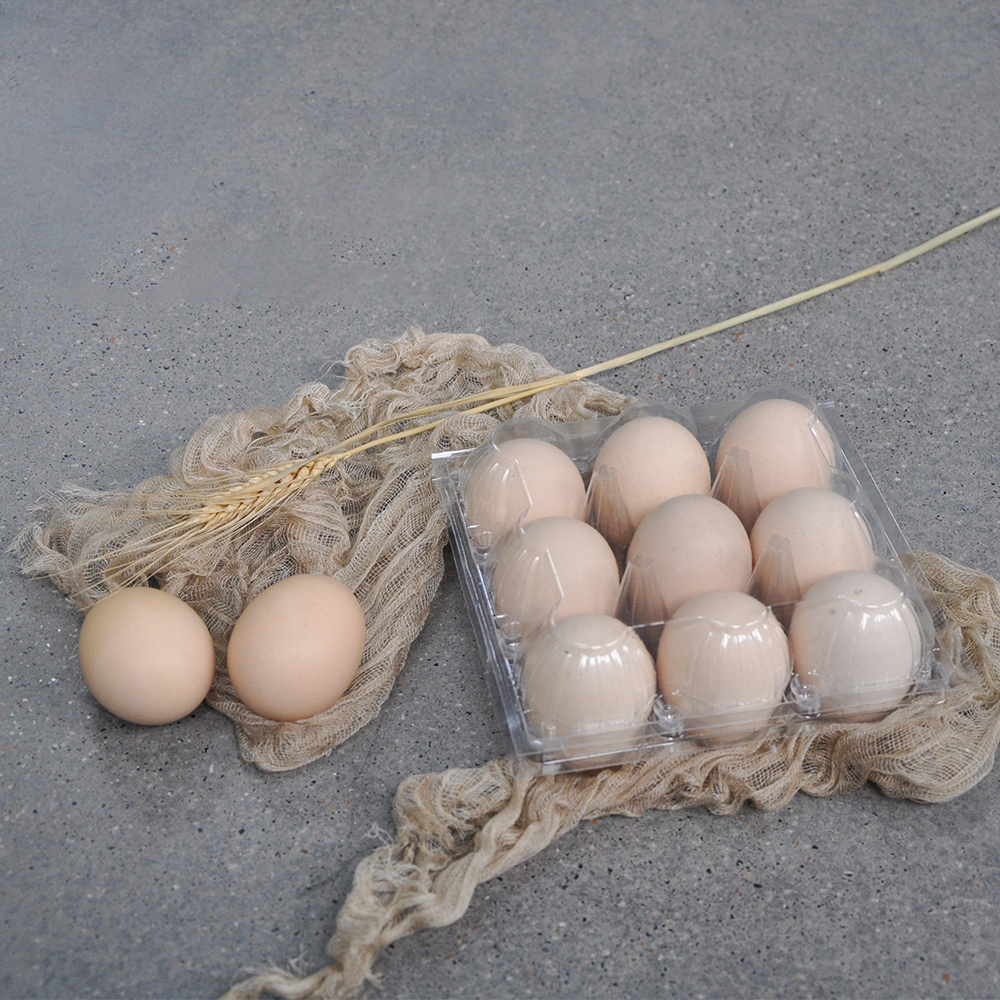
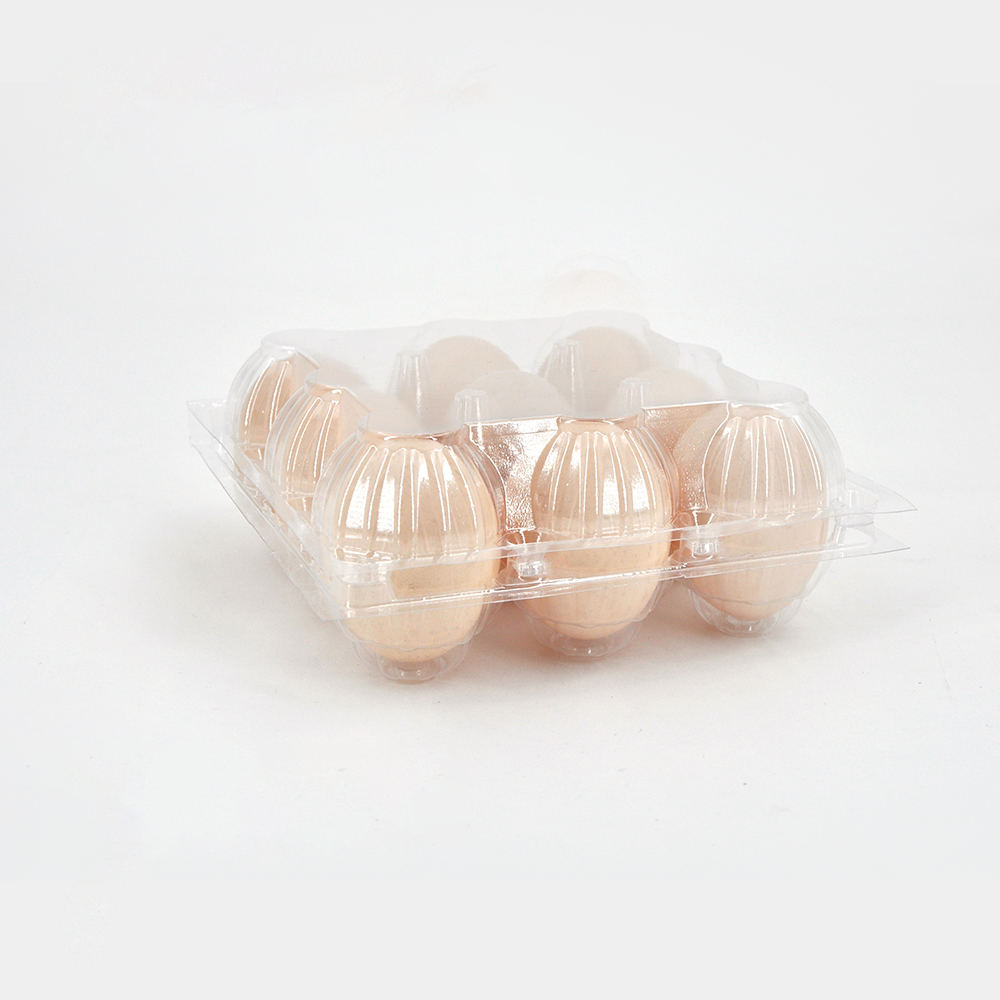
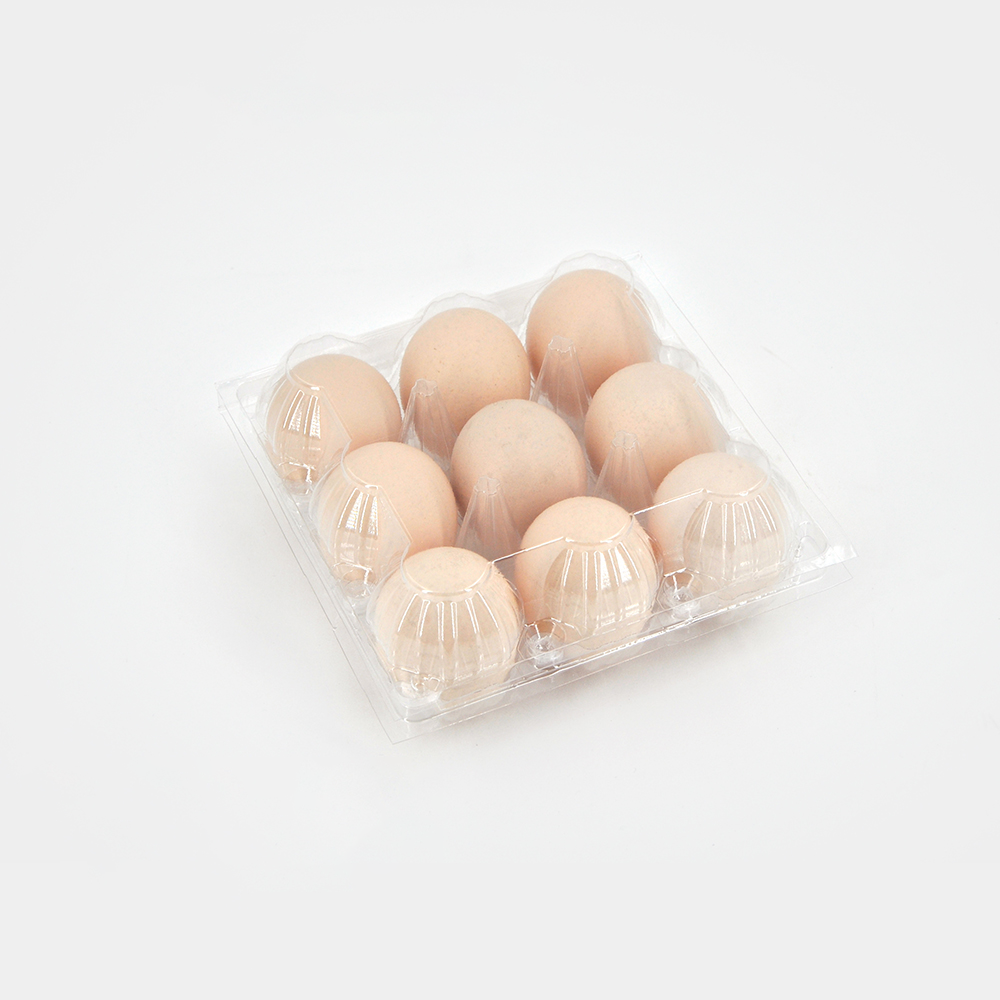
Plastic egg boxes are very important for storing and transporting eggs. They  help keep eggs safe, clean, and organized. QUNLU makes these boxes with high-quality materials. The boxes can hold different numbers of eggs, which makes them useful for farms, stores, and homes. When  you  need to carry eggs, having a sturdy plastic  box is a big help. It stops eggs from breaking and keeps them fresh for longer. This means you can enjoy your eggs without worrying about them getting damaged.


When picking  plastic egg boxes, there are many things to think about. First, you want to check the size. Some boxes hold 6 eggs, while others can hold 12 or even 18. If you have a big farm, you might want larger  boxes to carry more eggs at once. Also, consider the design of the box. Some boxes have special features  like lids or handles that make them easier to carry. QUNLU offers different styles to fit your needs. Next, think about the material.  A strong, durable plastic is best. This way, the boxes can last a long time and protect  the eggs better. For businesses, you should also look at how easy it is to stack the boxes. Stacking helps save space when you're storing or transporting eggs. Lightweight  boxes are great too, as they make  carrying easier. Another important thing is how easy the  boxes are to clean. You want them to be washable, so  they stay fresh and do not cause any problems  with hygiene. If you sell  eggs, customers will appreciate clean packaging. Finally, think about the price. While you want quality, you also need to stay within your budget. Sometimes  buying in bulk can save you money. QUNLU has options that can fit different  budgets while still keeping quality high. By focusing on these  points, you  can find the perfect plastic egg boxes for your business. For example, you might also consider using Fruit & Produce Packaging to complement your egg packaging needs.
Common Usage Issues with Plastic Egg Boxes and How to Avoid Them

Common Usage Issues with Plastic Egg Boxes and How to Avoid Them

Another reason plastic egg boxes are a sustainable choice is that they can be recycled.  Many types of plastic  can be recycled into new products. This  process  helps save energy  and  resources. When  you recycle plastic egg boxes,  they can  be turned into new  items instead  of ending up  in the  trash. This helps to  keep our  environment clean and safe. QUNLU understands this need for sustainability,  which  is why our plastic egg boxes are designed  to  be both long-lasting  and recyclable. You might also find that using Vegetables & Produce Trays can further enhance your sustainable packaging efforts.

What Makes Plastic Egg Boxes a Sustainable Choice for Your Eggs?

What Makes Plastic Egg Boxes a Sustainable Choice for Your Eggs?

Furthermore, plastic egg  boxes  protect the  eggs  better than  other materials. They keep the eggs safe from breaking during transport.  This means fewer eggs are  wasted because they  don’t  get cracked or damaged. When  eggs are  safe  and sound,  it helps farmers and  sellers  save money. Overall, by using plastic  egg boxes,  you are  making a smart choice for the environment  and helping to ensure that fewer eggs go to waste.

 
Where to Buy High-Quality Plastic Egg Boxes in Bulk

Where to Buy High-Quality Plastic Egg Boxes in Bulk

When you  want to buy plastic egg boxes in bulk, there are some important  things to think about.  First, you should check the  material of  the boxes. Look for  boxes made  from high-quality  plastic  that is  strong  and sturdy. The  plastic should be thick  enough  to protect the eggs but also light enough to carry easily. QUNLU offers plastic egg boxes that are  designed to be both  strong  and lightweight, making  them  perfect  for storage and transport.

How to Choose the Best Plastic Egg Boxes for Your Business Needs

Even though plastic egg boxes are great, there can be some problems when using  them. One common  issue is eggs breaking inside the boxes. This  can happen if the boxes are stacked too high or if they are dropped. To prevent this, always handle  the boxes carefully and avoid overloading  them. It’s also a good idea to use boxes that are designed for stacking, as they provide better support. Another problem is cleaning. Sometimes, dirt and bacteria can get stuck in the corners of the boxes. To keep them clean, wash them regularly with hot, soapy water. Using a brush can help get  into the nooks and crannies. Make sure to dry them well before storing eggs again. Temperature changes can also affect plastic boxes. If  they are left in a hot place, the plastic can warp, making them less effective.  To avoid  this, store the boxes in a cool, dry place. Lastly, some  people forget to check the boxes for cracks or damage. Always inspect your boxes before use. If you find any issues, it’s best to replace them. This will help keep  your eggs safe and  fresh. QUNLU designs its boxes to be strong  and durable, but regular  checks can help you catch problems early. By being careful and  following these tips, you can avoid common problems and make the most out of  your plastic egg boxes.

Plastic egg boxes are becoming  a popular choice for storing and transporting eggs. One big reason they are seen as a sustainable option is that they can be reused  many times. Unlike cardboard boxes, which may get soggy or damaged easily, plastic boxes are strong and can last for years. This means you do not have to throw them away after one use. When you keep using the  same box over and over, you  are helping to reduce waste. This is important because less waste means less trash in landfills, which is better for our planet.

Related product categories

Get a Free Quote

Our representative will contact you soon.
Email
Name
Company Name
Message
0/1000
Attachment
Please upload at least an attachment
Upload up to 3 files (maximum 30 MB). Supported formats: JPG, JPEG, PNG, PDF, DOC, DOCX, XLS, XLSX, CSV, TXT, STP, STEP, IGS, X_T, DXF, PRT, SLDPRT, SAT, RAR, ZIP.