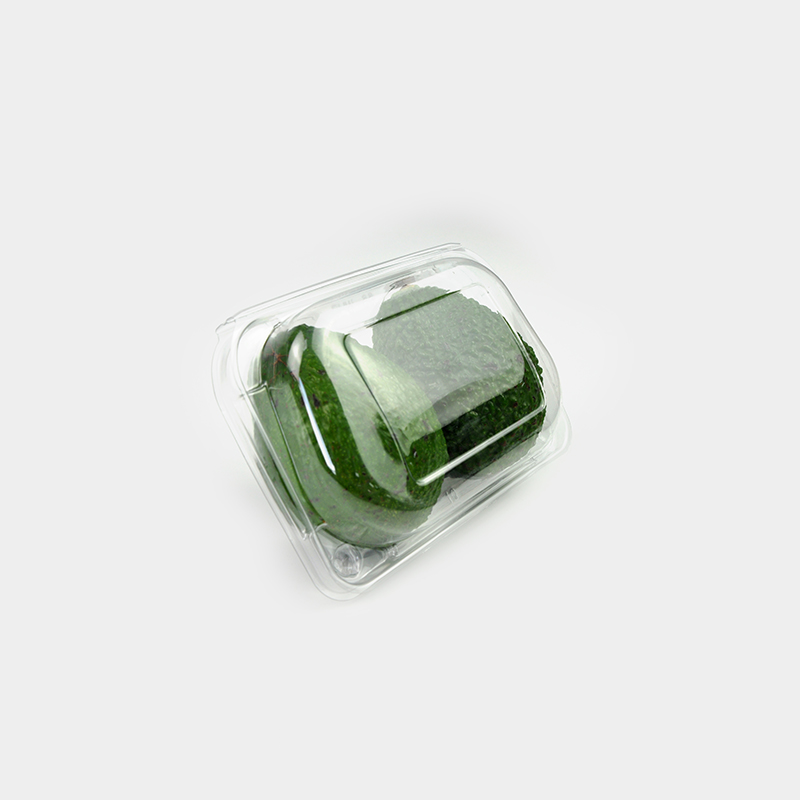
Choosing the Right Fruit Packaging Solutions

All Categories
Review Full Line Catalog

Fruit packaging

In the food packaging industry, fruit packaging plays a crucial role in preserving product quality and extending shelf life while ensuring attractive presentation. For B2B buyers, selecting the right fruit packaging involves considerations such as material quality, manufacturing standards, and cost-effectiveness. This article will guide purchasing managers, distributors, and product managers through the essential factors to consider when choosing fresh fruit packaging solutions, helping them make informed decisions.
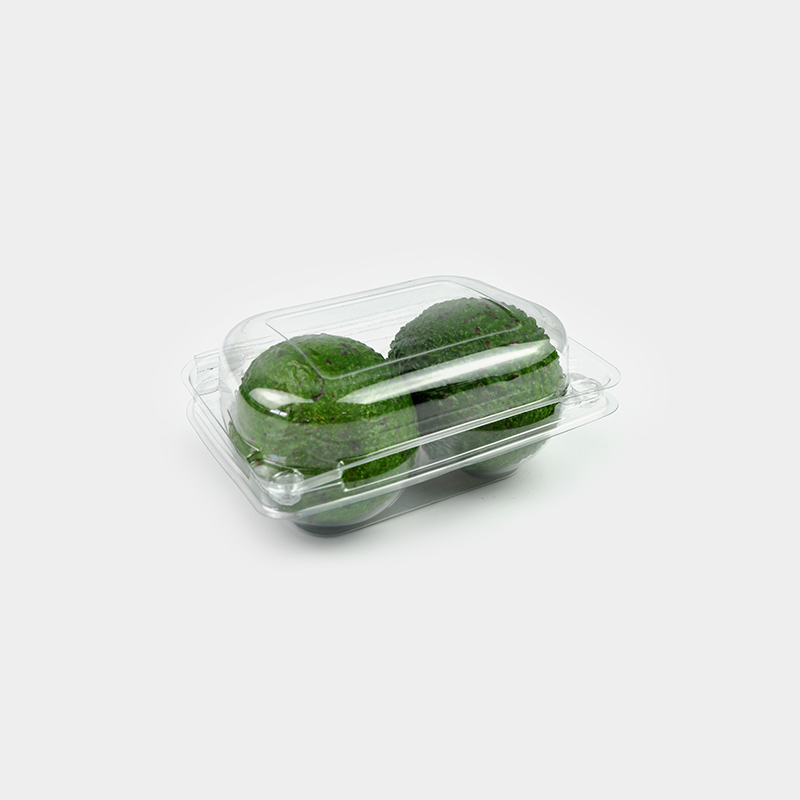
Key Specifications for High-Quality Fruit Packaging Solutions

Key Specifications for High-Quality Fruit Packaging Solutions

When evaluating fruit packaging, several key specifications should be considered to ensure that the packaging meets the necessary performance standards. These specifications include material type, thickness, sealing capabilities, and dimensions. 

Material Type: The choice of material significantly impacts the packaging's barrier properties, mechanical strength, and compatibility with food safety regulations. Common materials for plastic fruit packaging include PET, PVC, and PLA, each offering different advantages in terms of clarity, strength, and eco-friendliness. 

Thickness: The thickness of the packaging material influences its durability and protective capabilities. Thicker materials generally provide better protection but may also increase cost. A balance must be struck between adequate protection and cost-effectiveness, tailored to your specific application. 

Sealing Capabilities: Effective sealing is crucial to maintaining freshness and preventing contamination. Evaluate the sealing technology used by the manufacturer, whether it's heat sealing, ultrasonic sealing, or another method. The effectiveness of the seal directly impacts the product's shelf life and safety. 

Dimensions: Custom dimensions may be necessary to fit the specific size and shape of the fruit. Accurate dimensions ensure that the packaging fits snugly, reducing movement during transport and enhancing overall presentation on retail shelves. 

By focusing on these specifications, you can ensure that the fruit packaging you choose aligns with your quality standards and customer expectations. 
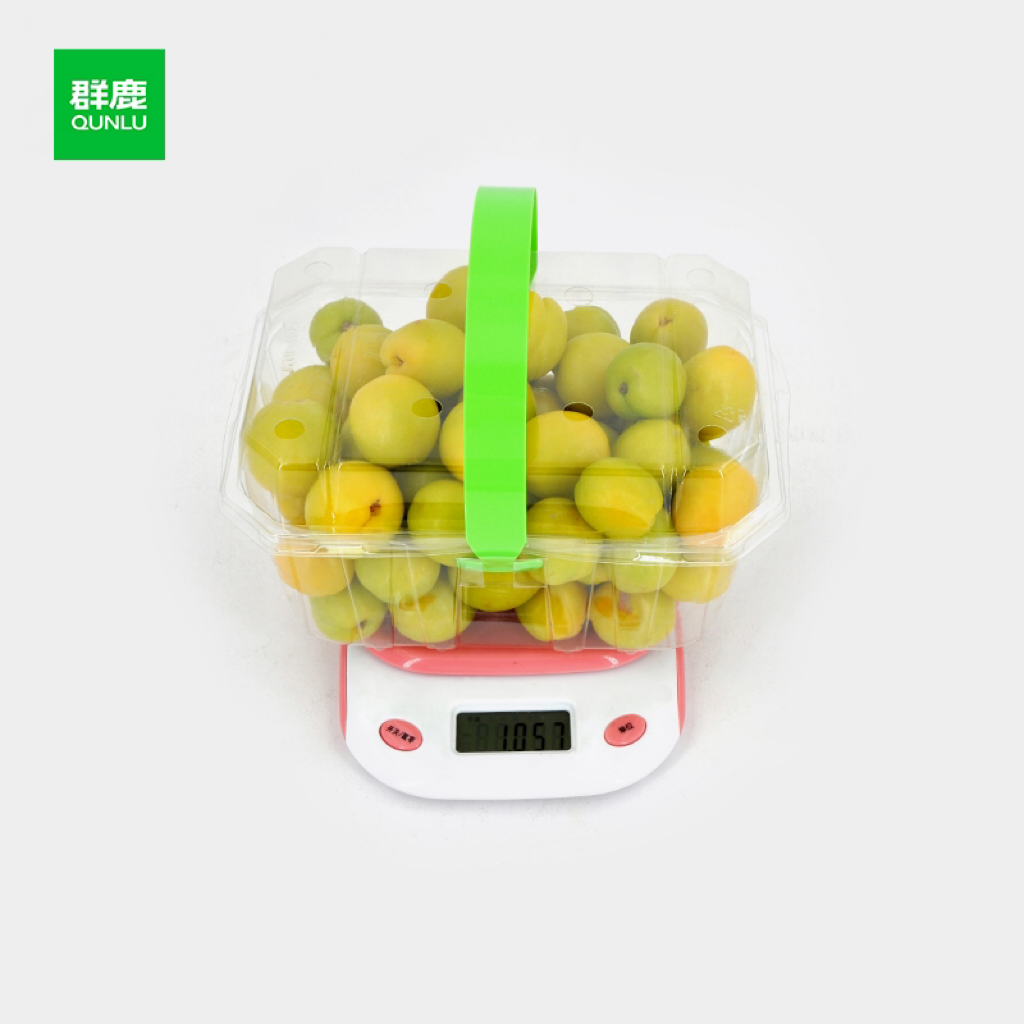
Where to Find Reliable Suppliers for Fruit Packaging Products

Where to Find Reliable Suppliers for Fruit Packaging Products

Finding a reliable supplier for fruit packaging is essential to ensure consistent quality and service. Start by researching manufacturers with a solid reputation in the industry, focusing on their experience, certifications, and product offerings. 

Look for suppliers who operate certified facilities, such as those with FDA, BRC, or ISO certifications. These certifications indicate that the manufacturer adheres to stringent quality and safety standards, which is crucial for food packaging. Additionally, consider suppliers that offer OEM and ODM services, as they can provide customized solutions tailored to your specific needs. 

Networking within industry trade shows and exhibitions can also yield valuable contacts and insights into potential suppliers. Engaging with other businesses in your sector can lead to recommendations and firsthand experiences with various manufacturers. 

Lastly, evaluate suppliers based on their production capabilities, lead times, and minimum order quantities (MOQs). It’s essential to choose a supplier who can meet your demands while providing flexibility in order quantities and delivery schedules. 

How to Compare Costs of Different Fruit Packaging Options

How to Compare Costs of Different Fruit Packaging Options

Cost comparison among various fruit packaging options should consider both direct and indirect expenses associated with sourcing the packaging. Direct costs include the price of the packaging itself, while indirect costs may involve shipping, storage, and handling. 

Material Costs: Different materials come with varying price points. For example, biodegradable options may have a higher upfront cost compared to traditional plastics but can offer long-term savings through sustainability incentives. 

Customization Costs: Custom designs or unique features will typically increase the packaging cost. Be sure to evaluate whether the added expense aligns with your brand strategy and market positioning. 

Volume Pricing: Many suppliers offer tiered pricing based on order quantity. Assess your typical order volume and negotiate pricing with suppliers to find the best deal that meets your needs without compromising quality. 

Additional Fees: Consider any potential additional fees for design changes, rapid prototyping, or expedited shipping. These can significantly impact your total costs, so it's vital to discuss these aspects upfront with your supplier. 

By thoroughly comparing these factors, you can make a more informed decision and identify the most cost-effective fruit packaging solution for your business. 

Common Problems in Fruit Packaging and Effective Solutions

Despite advancements in fruit packaging technology, several common problems can arise during production, distribution, and storage. Understanding these issues and their solutions can greatly enhance your packaging effectiveness. 

Moisture Damage: Excess moisture can lead to mold and spoilage. To combat this, select packaging with suitable moisture barriers, and consider incorporating venting options for breathability, particularly for sensitive fruits. 

Physical Damage During Transport: Fruits are prone to bruising and damage during shipping. Packaging designs that provide cushioning and support, such as thermoformed trays or clamshells, can significantly reduce the risk of damage. 

Inadequate Shelf Life: If the packaging does not provide adequate barrier properties, the fruit may spoil more quickly. Ensure that the selected materials have appropriate oxygen and moisture barrier characteristics based on the fruit’s storage requirements. 

Labeling Issues: Proper labeling is essential for compliance with food safety regulations. Inaccurate or unclear labeling can lead to confusion or safety concerns. Work with your supplier to ensure that labels meet all regulatory requirements and are easy to read. 

By proactively addressing these common challenges, you can enhance the effectiveness of your fruit packaging and maintain product quality throughout its lifecycle.   

Choosing the Right Fruit Packaging for Your Wholesale Needs

Selecting the right fruit packaging begins with understanding the specific requirements of your products. Factors such as the type of fruit, its sensitivity to environmental conditions, and the intended shelf life will influence your packaging choice. For instance, delicate fruits like strawberries require breathable packaging to prevent moisture buildup, while hardier fruits like apples can be packaged in more rigid materials. 

Consideration of the packaging's structural integrity is vital. Thermoformed clamshells and trays, for example, offer excellent protection against physical damage during transport and display. Additionally, the packaging should facilitate ease of handling for consumers and retailers alike. Custom designs and sizes can also enhance product appeal and differentiate your brand in a competitive market. 

Lastly, sustainability is becoming increasingly important to consumers and businesses alike. Opting for eco-friendly materials, such as biodegradable or recyclable options, not only aligns with market trends but may also be a requirement for certain retailers or regions. Ensure that your chosen supplier, such as Zhejiang Qunlu New Material Co., Ltd., offers sustainable fruit packaging supplies solutions that meet your wholesale needs. 

Frequently Asked Questions

What types of fruit packaging do you produce?

We manufacture thermoformed cups, trays, clamshells and containers designed for fresh fruit presentation and transport.
We use food-grade materials compatible with thermoforming lines, selected for safety, durability and recyclability.
Yes. Our facility holds FDA, BRC and ISO certifications to ensure food safety and quality compliance.
Yes. We offer OEM and ODM solutions, including custom sizes, shapes, printing and branding to meet client specifications.
We utilize efficient German/Japanese thermoforming lines, optimize material use and offer recyclable material options to support sustainability.

Related product categories

Get a Free Quote

Our representative will contact you soon.
Email
Name
Company Name
Message
0/1000
Attachment
Please upload at least an attachment
Upload up to 3 files (maximum 30 MB). Supported formats: JPG, JPEG, PNG, PDF, DOC, DOCX, XLS, XLSX, CSV, TXT, STP, STEP, IGS, X_T, DXF, PRT, SLDPRT, SAT, RAR, ZIP.