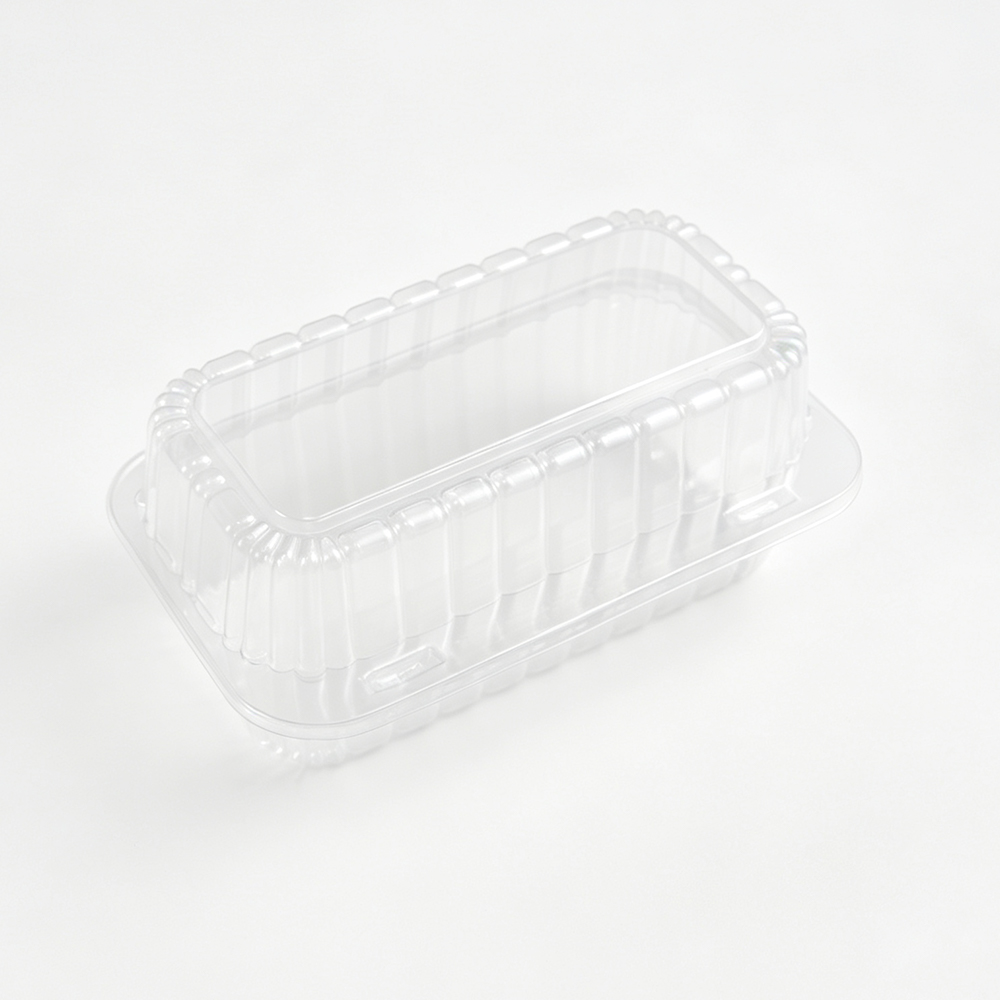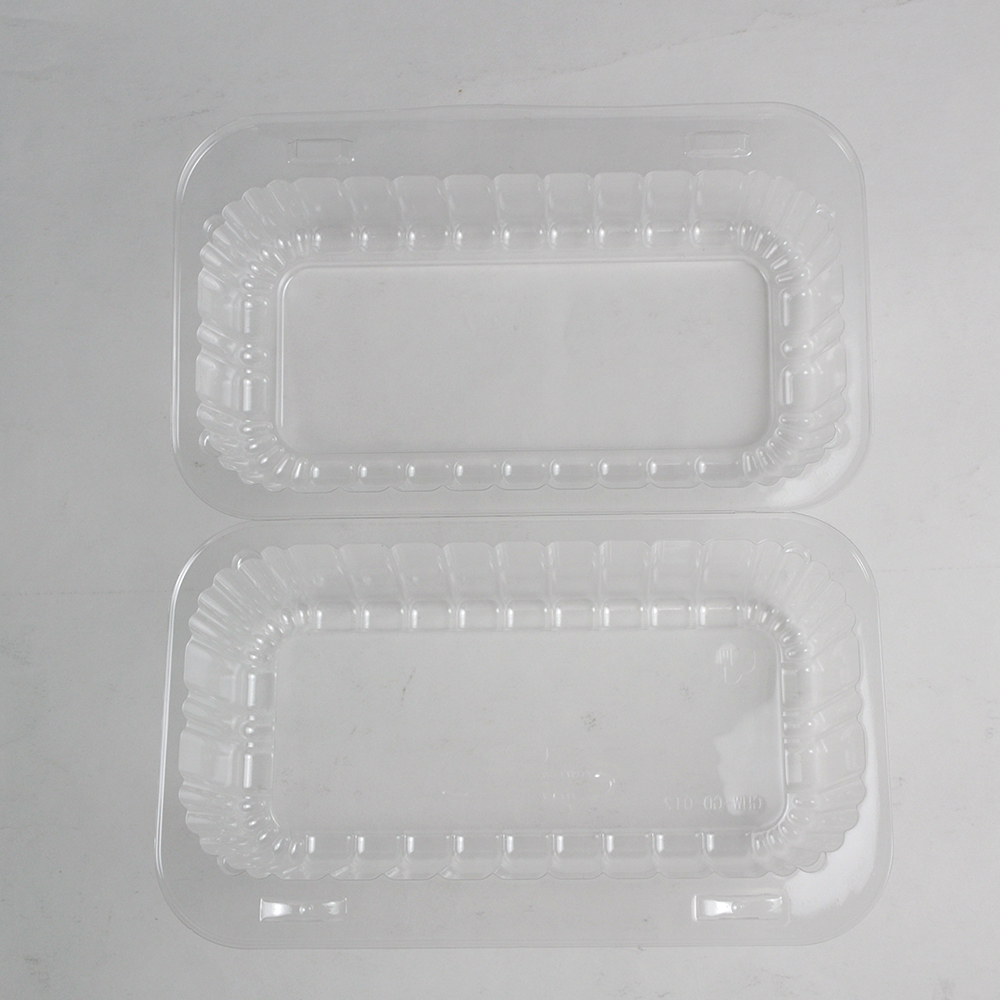
Choosing the Right Muffin Containers for Your Needs

All Categories
Review Full Line Catalog

Muffin containers

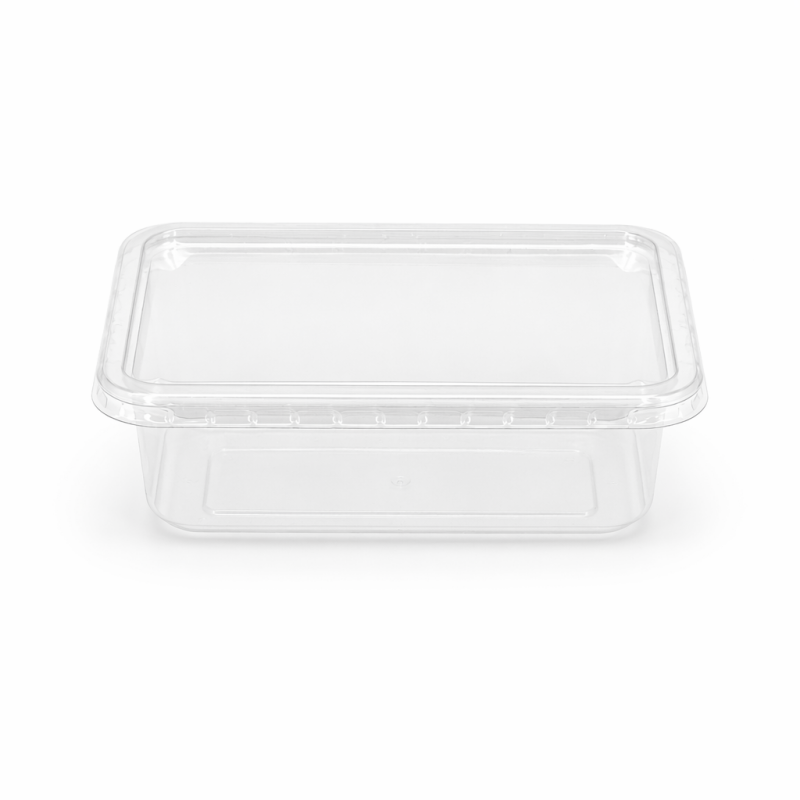
Muffin containers play a crucial role in food packaging, ensuring that baked goods maintain their quality and freshness during storage and transportation. Choosing the right muffin containers can be a complex task for B2B buyers, including purchasing managers, distributors, and product managers. Key concerns often include material selection, cost, quality assurance, and compatibility with existing production processes. This article aims to provide practical insights into sourcing plastic deli containers with lids, helping you make informed decisions that align with your operational needs. 
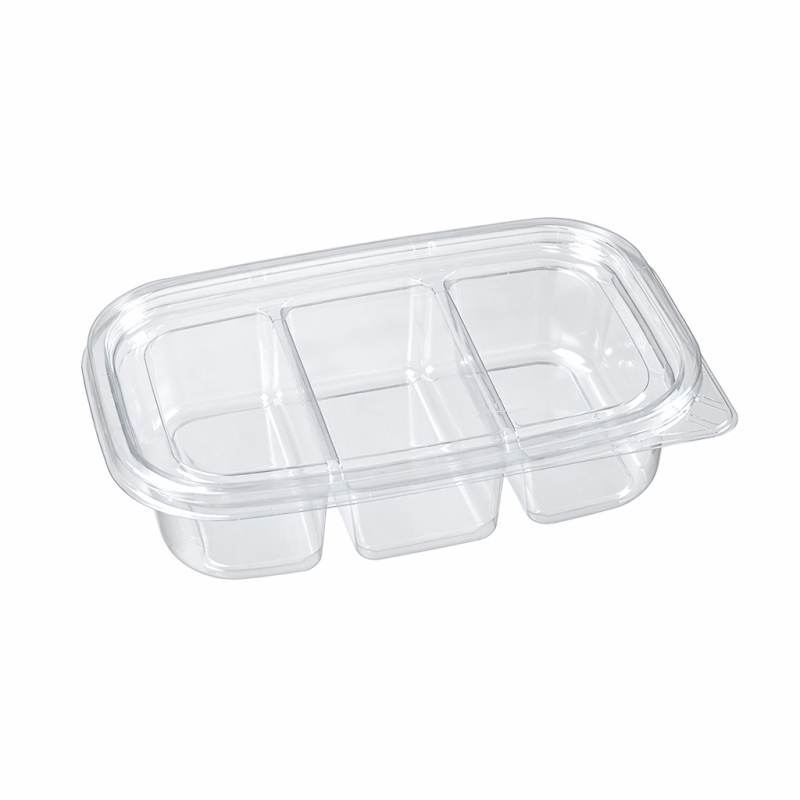
Our Products

How to Evaluate the Quality of Muffin Containers for Bulk Orders

How to Evaluate the Quality of Muffin Containers for Bulk Orders

Quality evaluation is vital when considering bulk orders of QUNLU muffin containers. Here are practical steps to assess quality effectively: 

Material Testing: Before approving a bulk order, request samples to evaluate the material quality. Conduct tests for durability, moisture resistance, and product compatibility. This can help identify potential issues related to material integrity. 

Visual Inspection: Check for any defects in the samples, such as cracks, uneven surfaces, or improper seals. Visual quality checks can reveal manufacturing inconsistencies that might affect your product's presentation or safety. 

Certifications: Verify that the manufacturer holds relevant certifications (like FDA, BRC, or ISO) which demonstrate compliance with international food safety and quality standards. These certifications can provide assurance regarding the manufacturing process and materials used. 

Production Consistency: Assess the manufacturer’s ability to maintain quality across different production runs. It's advisable to request quality assurance documentation or references from previous clients to gauge reliability. 
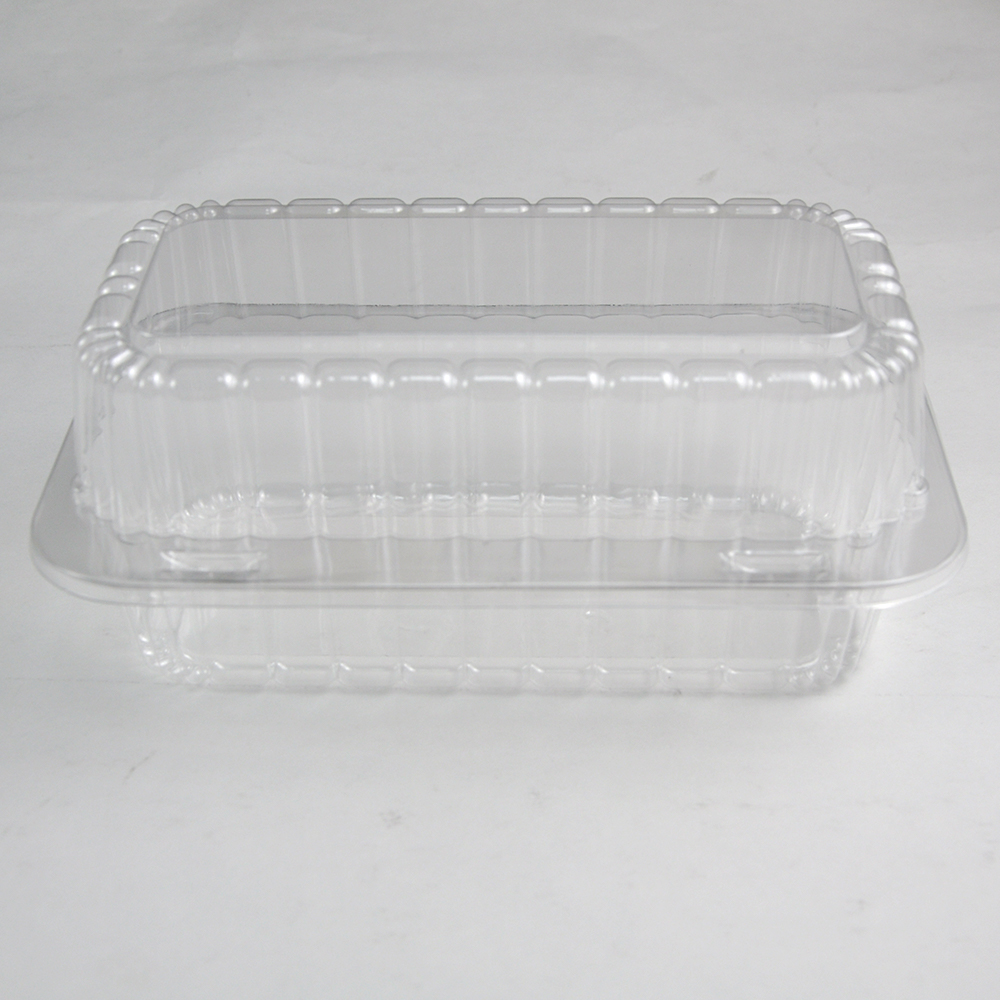
Cost Factors to Consider When Purchasing Muffin Containers

Cost Factors to Consider When Purchasing Muffin Containers

The cost of muffin containers can vary significantly based on several factors: 

Material Costs: The choice of materials directly impacts pricing. For instance, biodegradable materials may have a higher upfront cost but could reduce waste disposal expenses in the long run. 

Customization: Custom designs and prints typically involve additional costs. Evaluate your budget against potential marketing benefits to determine if customization is worth the investment. 

Order Quantity: Bulk orders usually come with discounts. Understanding the minimum order quantity (MOQ) from suppliers can help you optimize your purchasing strategy. 

Shipping and Handling: Factor in shipping costs, especially if your supplier is located internationally. Ensure you understand the logistics involved and any potential customs duties. 

Quality Assurance Costs: Consider potential expenses related to quality inspections and testing, especially if you are dealing with a new supplier.

Installation Guidance for Efficient Use of Muffin Containers

Installation Guidance for Efficient Use of Muffin Containers

Proper installation and handling of QUNLU muffin containers  can enhance operational efficiency. Here are some guidelines: 

Storage Conditions: Store muffin containers in a cool, dry environment to maintain their integrity until use. Avoid direct sunlight, which can affect plastic containers' performance. 

Handling Procedures: Train staff on proper handling techniques to prevent damage during transport or placement. This includes avoiding excessive stacking or pressure on muffin containers. 

Filling and Sealing: Ensure that the filling process is calibrated correctly to match the muffin containers size, minimizing waste and ensuring that each muffin fits securely in its muffin containers. 

Quality Checks Post-Filling: After sealing, conduct random quality checks to ensure that the seals are intact and that there are no leaks or deformations. 

How to Compare Muffin Container Options for Your Projects

When comparing muffin container options for your projects, consider the following criteria to make an informed choice: 

Performance Specifications: Look for muffin containers that meet your specific needs for moisture retention, temperature resistance, and structural integrity. This may vary based on the type of muffins or baked goods you are packaging. 

Supplier Reputation: Research potential suppliers to understand their reliability in terms of product quality, delivery timelines, and customer service. Look for reviews or case studies that highlight their performance in similar projects. 

Flexibility in Customization: Evaluate how flexible suppliers are with customization requests. This can be a significant advantage if you plan to introduce seasonal or limited-edition products. 

Sustainability Practices: As sustainability becomes increasingly important, consider suppliers that offer eco-friendly options or have sustainable practices in place. This can enhance your brand's image and appeal to environmentally conscious consumers. 

Sample Approval Process: Before placing a large order, always request samples to evaluate fit, finish, and functionality. This step can save time and resources by identifying any issues before mass production. 

In summary, selecting the right bakery containers involves careful consideration of specifications, quality evaluation, cost factors, installation practices, and comparative analysis of options. By following these guidelines, purchasing managers and product developers can make informed decisions that align with their operational needs and ensure the success of their products.

Key Specifications to Consider for Muffin Container Sourcing

When sourcing QUNLU muffin containers, several specifications are critical to ensure the product meets your operational and quality standards. Key considerations include: 

Material: Most muffin containers are made from plastic or paper-based materials. Plastic muffin containers often provide better moisture barriers, which helps preserve the freshness of baked goods. Look for BPA-free options for safety and compliance with food packaging regulations. 

Dimensions: The size of the muffin container should match your product specifications. Standard dimensions typically accommodate regular or jumbo-sized muffins, but confirming the measurements is essential to prevent production issues. 

Seal Type: The sealing method (e. g., snap-on lids, hinged designs) affects the shelf life and ease of access for consumers.  Consider how the seal will impact the packaging process and customer experience. 

Weight Capacity: Ensure that the clear plastic egg containers can support the weight of your muffins without collapsing or compromising the product integrity, especially during transportation. 

Customization Options: If branding is a priority, inquire about customization capabilities such as printed logos or unique designs that align with your brand identity.

Frequently Asked Questions

What materials are your muffin containers made from?

Our muffin containers are thermoformed from food-grade, FDA-compliant plastics designed for strength and food safety, produced on German and Japanese lines.
Yes. They meet FDA standards and are produced in facilities with BRC and ISO certifications to ensure food-contact safety.
Yes. We offer OEM/ODM services, customizing size, shape, color, and printing to meet brand and packaging requirements.
Yes. We provide eco-conscious material choices and efficient thermoforming processes to reduce waste and improve recyclability.
Lead times vary by order size and customization; typical production runs are planned with clients—please contact us with specifications for a precise timeline and MOQ.

Related product categories

Get a Free Quote

Our representative will contact you soon.
Email
Name
Company Name
Message
0/1000
Attachment
Please upload at least an attachment
Upload up to 3 files (maximum 30 MB). Supported formats: JPG, JPEG, PNG, PDF, DOC, DOCX, XLS, XLSX, CSV, TXT, STP, STEP, IGS, X_T, DXF, PRT, SLDPRT, SAT, RAR, ZIP.