Benefits of Plastic Deli Containers for Food Storage

All Categories
Review Full Line Catalog

plastic deli containers

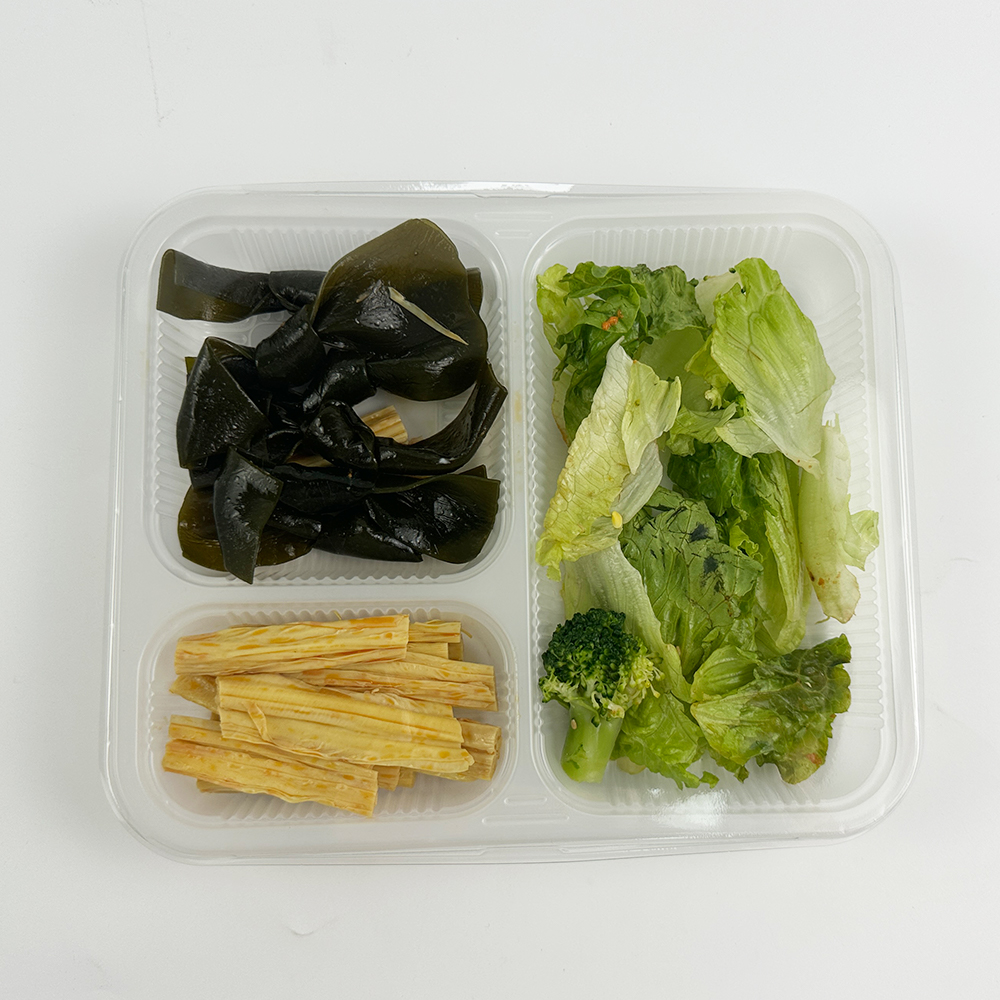
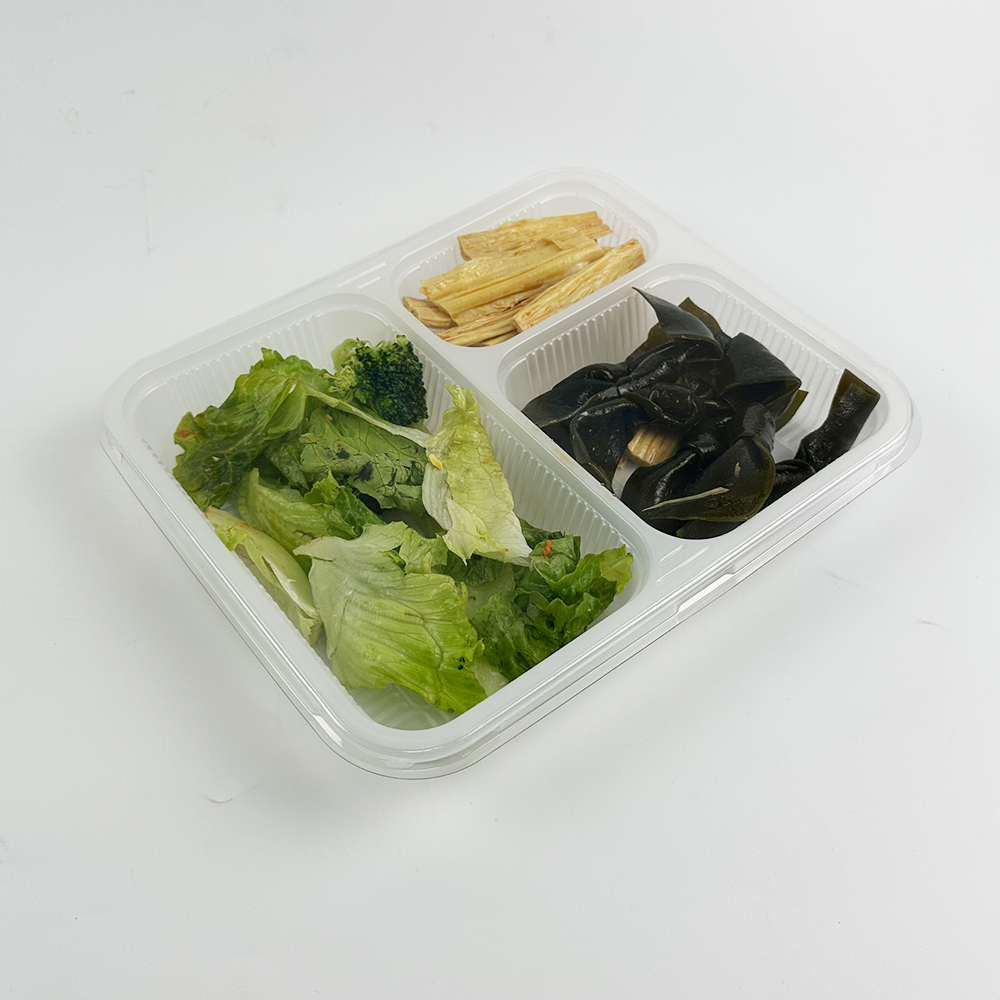
Plastic deli containers  are a common sight in kitchens,  restaurants, and even  at home. These containers are made from durable plastic and come in various shapes and sizes. They are great for storing food because they  keep things fresh and safe. Many people find  them useful because  they are lightweight and easy to stack. At QUNLU, we understand  how important it is to have reliable containers for food storage. Our deli containers are designed to help keep  food organized and ready to eat. They can hold anything from salads to soups, making  them a versatile choice  for many meals. For a variety of options, you can also explore our Fruit & Produce Packaging range.

Using plastic deli containers for food storage has many benefits. First, they are very lightweight. This makes them easy to carry when you are taking food to  a picnic  or to work. You don’t have to worry about dropping them since they are  not heavy. Second, they are very durable. Unlike glass containers, they won’t break if you accidentally drop them. This is  especially good for kids who might be a little clumsy. Next, these containers come  with tight-fitting lids. This helps keep air out and keeps food fresh  for a longer time.  For example, if you have leftover pasta, putting it  in a plastic deli  container means it will taste good when you eat  it later. Consider pairing your leftovers with our Fruit & Dry Snack Cups for a complete meal.
What Makes Plastic Deli Containers Ideal for Restaurants and Food Service?

What Makes Plastic Deli Containers Ideal for Restaurants and Food Service?

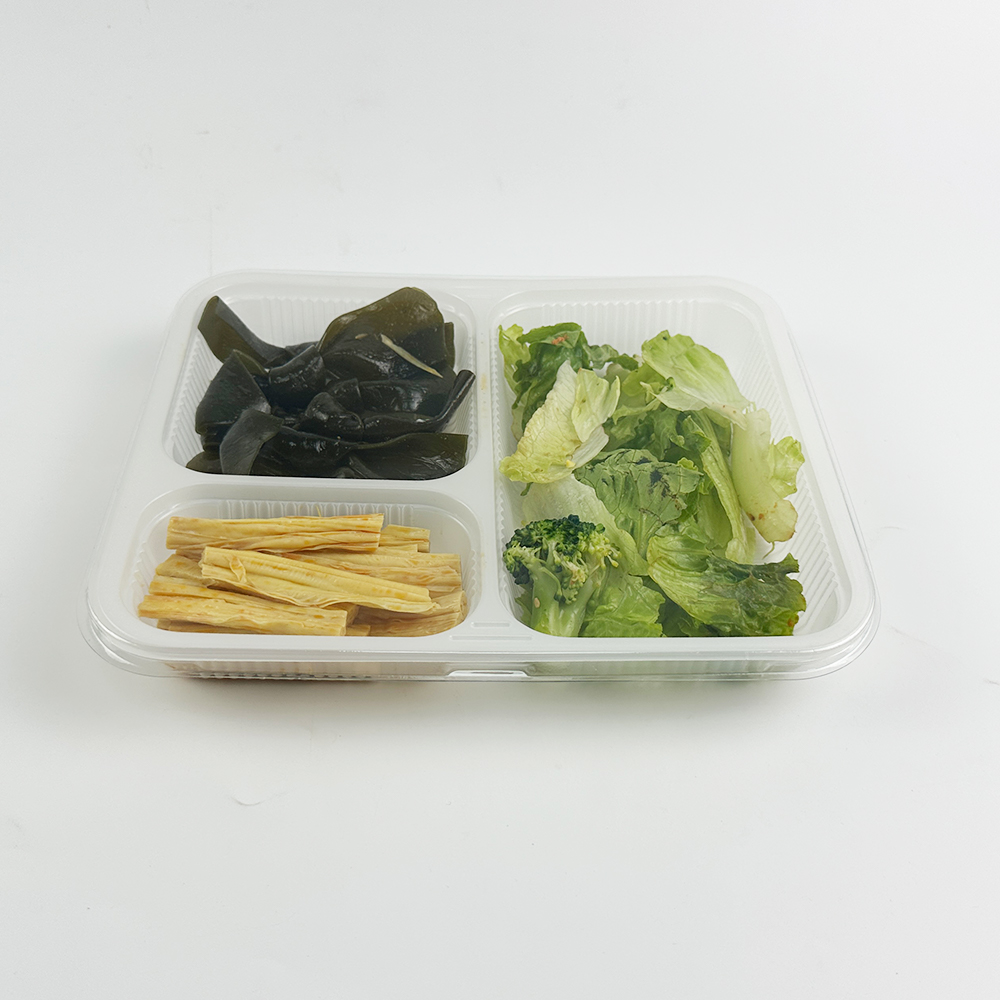
Additionally,  plastic deli containers  are great for takeout orders. Many  customers  love  ordering  food to go, and these containers are  perfect for that.  They seal tightly,  preventing spills during transport, which is  vital for  keeping food safe  and customers happy. Many restaurants also use  them for  meal  prep for catering  events. They can easily  hold different kinds  of  food, from salads to  sauces.

What are the Common Usage Issues with Plastic Deli Containers and How to Solve Them?

What are the Common Usage Issues with Plastic Deli Containers and How to Solve Them?

Plastic deli containers are  handy tools used in kitchens, delis, and homes everywhere. They come in various shapes  and sizes, making them  perfect for storing food. However, there are  some common  usage issues that people face when using these containers.  One problem is that some people forget to close the lids tightly. When the lids are not sealed properly,  air can get in, and this can make the food spoil faster. Another issue is that some containers can warp  or get damaged if they are  heated in a microwave. This can happen if the container is made of low-quality plastic. Sometimes, people also confuse which container to use for different types of food, leading  to cross-contamination. For example, using the same  container for raw  meat and vegetables can spread germs. To solve these problems, it  is essential to pay attention to the lid and make sure it is on securely. Always look for containers that are labeled as microwave-safe if you  plan to heat them. Also, having different colored lids or labels can help keep  track of what food goes in which container. At QUNLU,  we  offer a variety of high-quality plastic deli containers  that  are designed to last and help keep  your food fresh and safe.

How to Maximize Freshness and Safety with Plastic Deli Containers

How to Maximize Freshness and Safety with Plastic Deli Containers

Maximizing  freshness and safety with plastic deli containers is  very important,  especially when it comes to food storage. First, always make sure the containers are clean before using them. Wash them  with warm,  soapy water and rinse them well. This helps remove any germs or leftover food that might spoil your new meal. When you put  food in the containers, make sure to leave some space at the top. This allows air to  circulate,  helping the food stay  fresh longer. It is  also a good idea to store different types of food separately. For example, keep fruits in one container and vegetables  in another.  This prevents the  flavors from mixing and keeps everything tasting great. When you  put food in the fridge, try to label the containers with dates. This  way, you know when  to eat the food before it goes bad.  QUNLU containers have clear sides, making it easy to see what’s inside and when it needs  to be eaten. Finally, remember to close the lids tightly after each use. This keeps air and moisture out, which helps  keep your food fresh and safe to eat.

What Are the Benefits of Using Plastic Deli Containers for Food Storage?

Another great thing about our QUNLU plastic deli containers is that they are  safe for the  microwave.  You  can easily heat up soups or stews without having to transfer them to another bowl. Plus,  they are also dishwasher safe. This makes cleaning up after a meal quick and  easy. You can just pop them into the dishwasher and they will come  out clean. Lastly, these containers are also great for meal prep. If you plan  your meals for the week, you can use  different containers for  each meal. This way, everything is organized and  ready to go. You won’t have to waste time searching for food in the fridge.  Overall, plastic deli containers are a smart choice for anyone  looking to keep their food safe and fresh.

Another reason is that they are very practical.  In a busy restaurant kitchen, staff need containers that are easy to  use.  QUNLU deli containers stack neatly, which saves  space in the fridge or storage area. When the kitchen is busy, every bit  of space matters. These containers also come in clear plastic,  allowing staff to see what’s  inside without opening them. This helps save time during rush hours.

Related product categories

Get a Free Quote

Our representative will contact you soon.
Email
Name
Company Name
Message
0/1000
Attachment
Please upload at least an attachment
Upload up to 3 files (maximum 30 MB). Supported formats: JPG, JPEG, PNG, PDF, DOC, DOCX, XLS, XLSX, CSV, TXT, STP, STEP, IGS, X_T, DXF, PRT, SLDPRT, SAT, RAR, ZIP.