Essential Considerations for Sourcing Fruit Trays

All Categories
Review Full Line Catalog

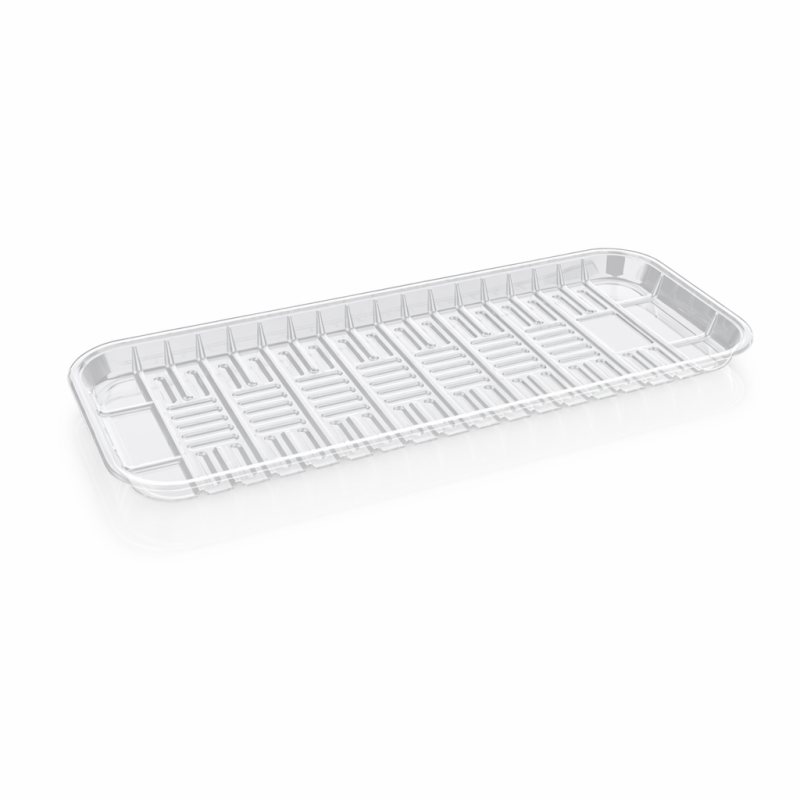
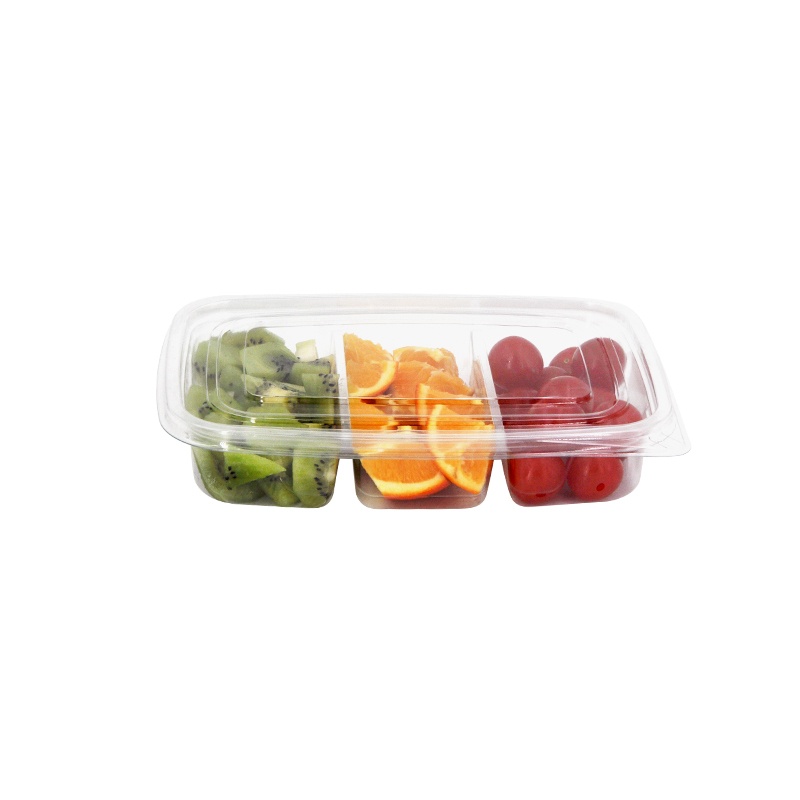
Trays for fruits

When it comes to sourcing QUNLU trays for fruits, B2B buyers face a variety of considerations that impact their purchasing decisions. These trays are crucial for maintaining the quality and presentation of fruits during storage and transport. Understanding the specifications, materials, and supplier capabilities is vital in ensuring that the disposable deli trays with lids meet both operational needs and industry standards. This article aims to provide practical insights into selecting the right fruit trays, addressing common buyer concerns, and offering guidance on evaluating suppliers.

Our Products

Understanding the Specifications of Fruit Trays for Wholesale Orders

Understanding the Specifications of Fruit Trays for Wholesale Orders

Buyers should be well-informed about the specific requirements for their fruit trays to avoid common pitfalls. One key aspect is understanding the minimum order quantity (MOQ) and lead times, as these factors can significantly impact inventory management and cost. OEM and ODM capabilities of suppliers are also essential, particularly if you require customization in design or branding. 

Another critical consideration is the stability of the trays during handling and transport. Choose trays that can withstand stacking without bending or breaking, as this can lead to product loss and increased costs. Additionally, inquire about the supplier’s quality control processes to ensure consistency in production, as variations in tray quality can affect your operations. 

Lastly, be prepared to discuss your application needs with suppliers. Providing details such as the types of fruits, expected storage conditions, and distribution methods will help suppliers recommend the most suitable disposable trays with lids for your requirements.
Cost Factors to Consider When Sourcing Fruit Trays Wholesale

Cost Factors to Consider When Sourcing Fruit Trays Wholesale

When preparing to purchase trays for fruits, a structured approach can enhance your decision-making process. Start by identifying your specific needs, including the types of fruits and the required shelf life. Next, gather information on potential suppliers, focusing on their production capabilities, certifications, and client reviews. 

Here’s a checklist to facilitate your purchasing process: 

Material Selection: Confirm the material type based on durability and environmental impact. 

Design Features: Specify any design requirements, such as size, shape, and ventilation. 

Supplier Capabilities: Assess the supplier's production capacity and customization options. 

Certifications: Verify that the trays meet relevant food safety regulations. 

Quality Control: Inquire about quality assurance processes and testing procedures. 

Pricing and MOQ: Understand pricing structures and minimum order requirements. 

Lead Time: Confirm delivery timelines to ensure alignment with your inventory needs. 

By following this guide, buyers can streamline their procurement process and make informed decisions that align with their operational goals. 

Common Problems with Fruit Trays and Effective Solutions

Common Problems with Fruit Trays and Effective Solutions

Several issues can arise when using QUNLU fruit trays, and understanding these can help buyers mitigate risks. One common problem is inadequate ventilation, which can lead to moisture buildup and spoilage of fruit. To prevent this, opt for trays designed with ventilation holes to enhance air circulation. 

Another frequent concern is the structural integrity of the trays. If trays are not adequately designed to support the weight of stacked fruits, they can collapse during transport. Buyers should prioritize trays that are engineered for strength and stability, ensuring that they can handle the intended load. 

Additionally, improper material selection can lead to contamination risks. It’s essential to choose plastic fruit and veg trays made from FDA-approved materials, particularly for perishable goods. Buyers should also request samples to conduct real-world testing before placing bulk orders, as this can uncover potential issues that might not be apparent through specifications alone.

How Our Manufacturing Expertise Ensures Top-Quality Fruit Trays

Evaluating supplier reliability is critical for ensuring consistent quality and timely delivery of fruit trays. Start by researching potential suppliers' reputations in the industry. Look for testimonials and case studies that demonstrate successful collaborations, particularly with businesses similar to yours. 

Next, assess the supplier’s certifications. A reputable supplier should hold relevant industry certifications such as ISO, BRC, or FDA compliance, which indicate adherence to high standards of quality and safety. 

Moreover, inquire about their production capabilities. Suppliers with advanced manufacturing technologies, such as German or Japanese thermoforming lines, are likely to produce higher-quality trays with greater precision. Understanding their quality control measures is also essential; ask about their inspection processes and how they handle defects or inconsistencies. 

Finally, establish clear communication channels. A reliable supplier will be responsive and willing to provide detailed information about their products, processes, and timelines. Building a strong relationship based on transparency and trust can lead to more effective procurement outcomes and potential long-term partnerships. 

By following these guidelines, buyers can ensure they choose the right fruit trays and establish reliable partnerships with suppliers that meet their specific needs. 

Key Features to Consider

When selecting QUNLU trays for fruits, several specifications should be considered to ensure the right fit for your application. First, the material plays a significant role; options typically include plastic, paperboard, or biodegradable materials. Plastic trays, often made from PET or polypropylene, offer durability and moisture resistance, while paperboard may be chosen for its eco-friendliness. 

Next, consider the dimensions and design of the trays. The size should accommodate the specific fruit types you handle, preventing bruising or damage during transport. Trays with features such as ventilation holes are advantageous for airflow, which helps maintain freshness. The surface treatment is also crucial; it should be smooth to avoid scuffing the fruit but robust enough to withstand the rigors of distribution. 

Lastly, look for trays that are compliant with relevant food safety standards. Certifications such as FDA and BRC indicate that the trays have undergone rigorous testing for safety and quality.

Frequently Asked Questions

What materials are used for these fruit trays?

Our trays are made from food-grade, FDA-compliant thermoformed materials selected for safety and durability, produced on German and Japanese lines.
Yes. We hold FDA, BRC and ISO certifications ensuring trays meet international food safety and quality standards.
Yes. We offer OEM and ODM services, including custom sizes, shapes, and printing to meet your brand requirements.
We prioritize sustainable materials and recyclable thermoforming processes; specific recyclability depends on material choice and local recycling facilities.
Lead times vary by design and order size; typical production runs require MOQ which we can confirm after reviewing specifications—contact us for a quote.

Related product categories

Get a Free Quote

Our representative will contact you soon.
Email
Name
Company Name
Message
0/1000
Attachment
Please upload at least an attachment
Upload up to 3 files (maximum 30 MB). Supported formats: JPG, JPEG, PNG, PDF, DOC, DOCX, XLS, XLSX, CSV, TXT, STP, STEP, IGS, X_T, DXF, PRT, SLDPRT, SAT, RAR, ZIP.