Essential Guide to Choosing Fruit Trays

All Categories
Review Full Line Catalog

Fruit tray

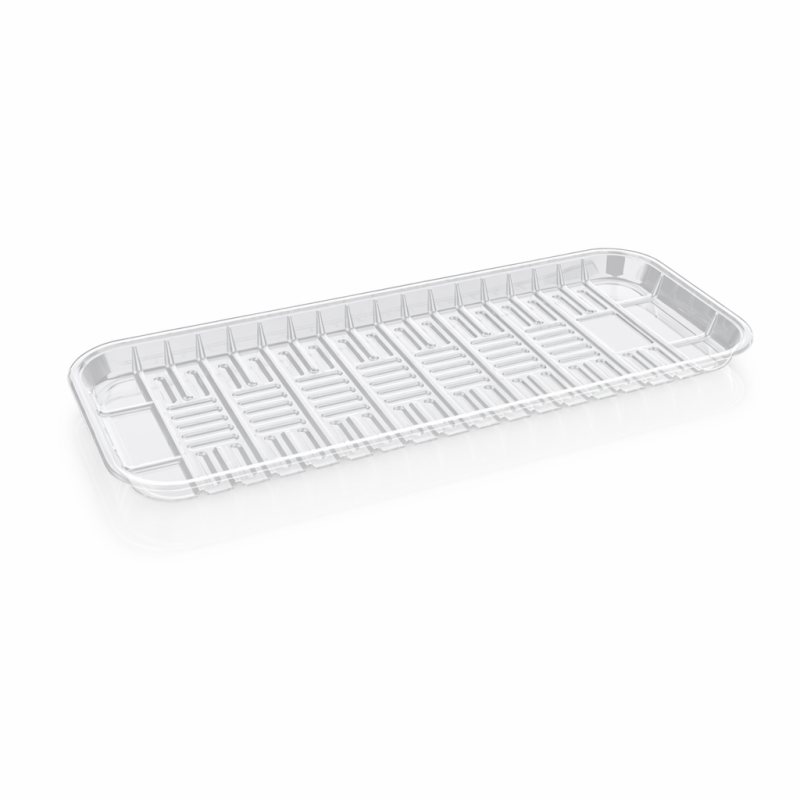
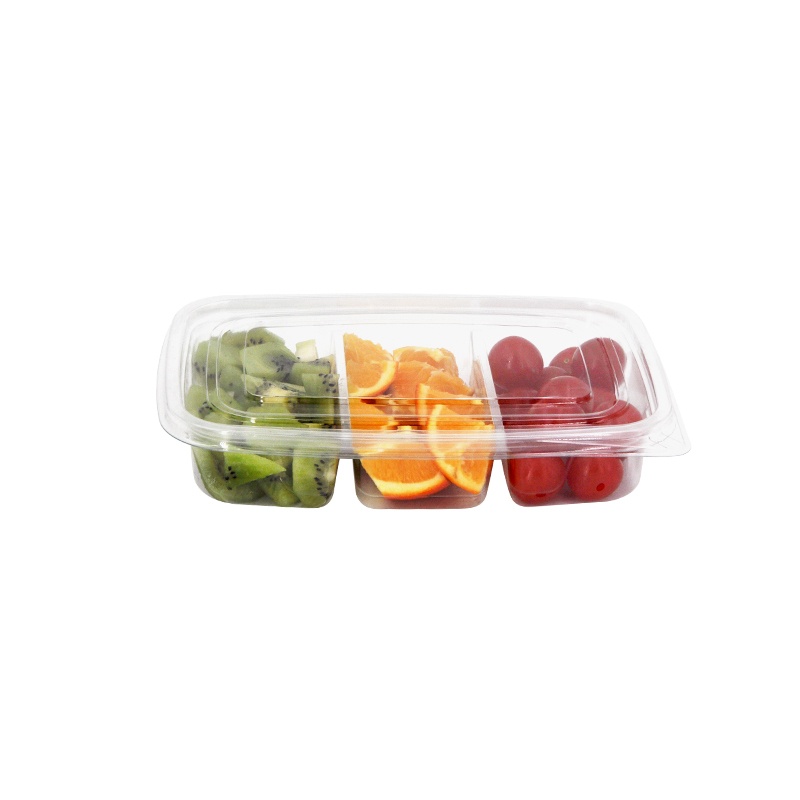
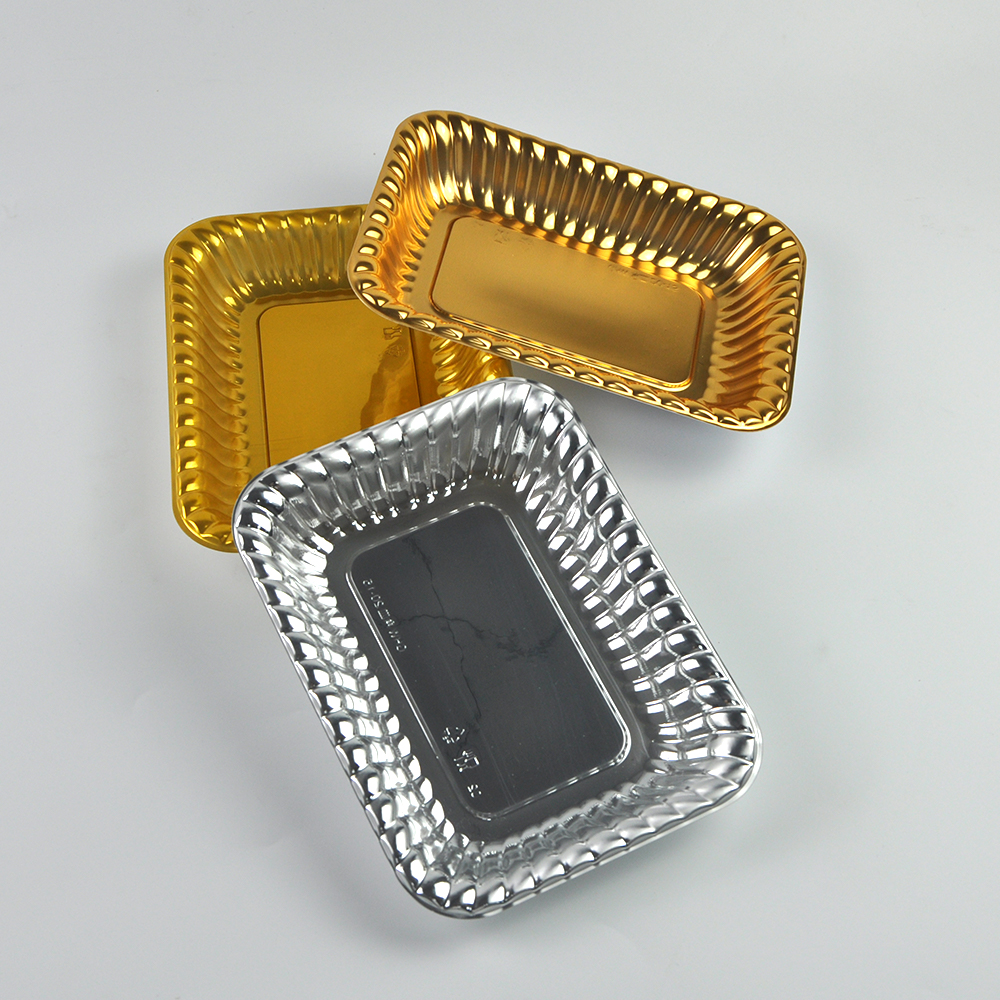
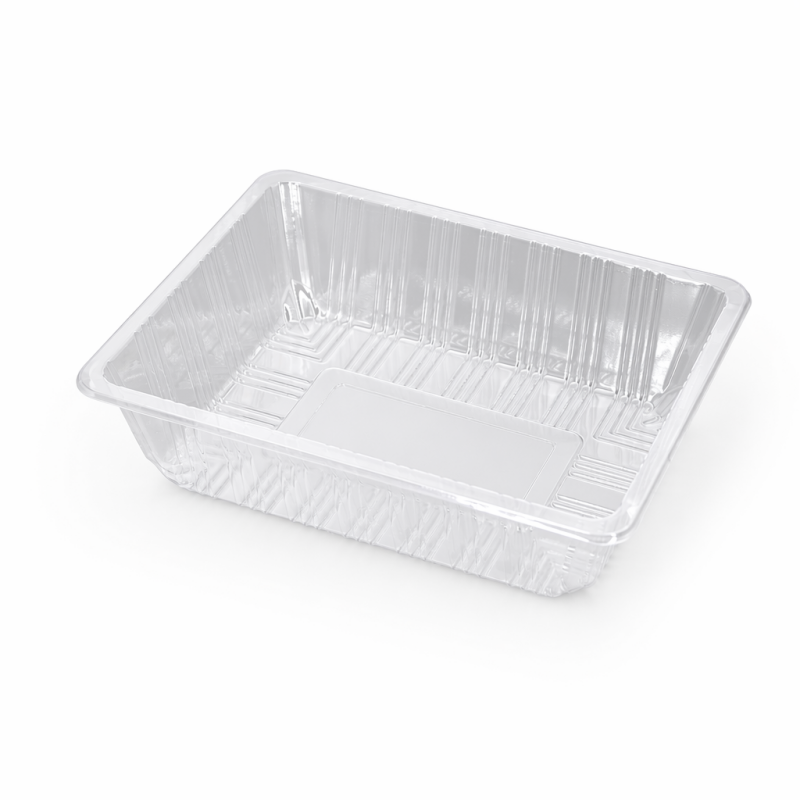
Fruit trays are essential components in the food packaging industry, providing a safe and convenient way to present fresh fruits for retail and distribution. As a purchasing manager or product manager, your primary concerns are likely to include the quality, durability, and suitability of the clear plastic egg tray for your specific applications. This article will guide you through key specifications, quality evaluation methods, common problems, industry applications, and tips for streamlining your procurement process.

Our Products

Where to Source Reliable Fruit Tray Suppliers for Your Business

Where to Source Reliable Fruit Tray Suppliers for Your Business

Evaluating the quality of fruit trays involves several practical steps: 

Material Inspection: Assess the material for clarity, flexibility, and resistance to cracking. A sample can help identify whether the material meets your expectations for quality and performance. 

Sample Testing: Before placing a bulk order, request samples for trial runs. Test the trays under real-world conditions, such as filling, stacking, and transportation, to ensure they withstand the rigors of your supply chain. 

Supplier Reliability: Research your supplier's manufacturing capabilities. A company like Zhejiang Qunlu New Material Co., Ltd., with advanced thermoforming lines and a solid quality control process, can offer peace of mind regarding consistent product quality. 

Feedback and Reviews: Seek feedback from other businesses that have purchased the same products. Their experiences can provide insights into durability and performance that may not be apparent from specifications alone. 

Customization Options: Discuss any specific requirements you have for the plastic fruit trays, such as custom branding or unique designs. A supplier with robust customization capabilities can tailor solutions to meet your branding needs.
Exploring Applications of Fruit Trays Across Various Industries

Exploring Applications of Fruit Trays Across Various Industries

Common issues that may arise with QUNLU fruit trays include: 

Cracking During Transport: Trays made from inferior materials may crack, leading to product loss. Choose trays that have been tested for impact resistance and ensure they are compatible with your transport conditions. 

Inadequate Sealing: Poorly sealed trays can lead to spoilage. Ensure that the sealing method used is strong enough to maintain freshness throughout the supply chain. Consider options that utilize vacuum sealing for enhanced preservation. 

Misalignment with Product Size: Trays that do not fit the fruit properly can lead to damage. Prioritize accurate dimensions and consider how the trays will accommodate your specific fruit varieties. 

Environmental Concerns: With increasing demand for sustainable packaging, buyers should inquire about the recyclability of the materials used in the trays. Collaborating with a manufacturer who prioritizes sustainability can enhance your brand's reputation.

Common Problems with Fruit Trays and Their Effective Solutions

Common Problems with Fruit Trays and Their Effective Solutions

Fruit trays are utilized in various industries and events, including: 

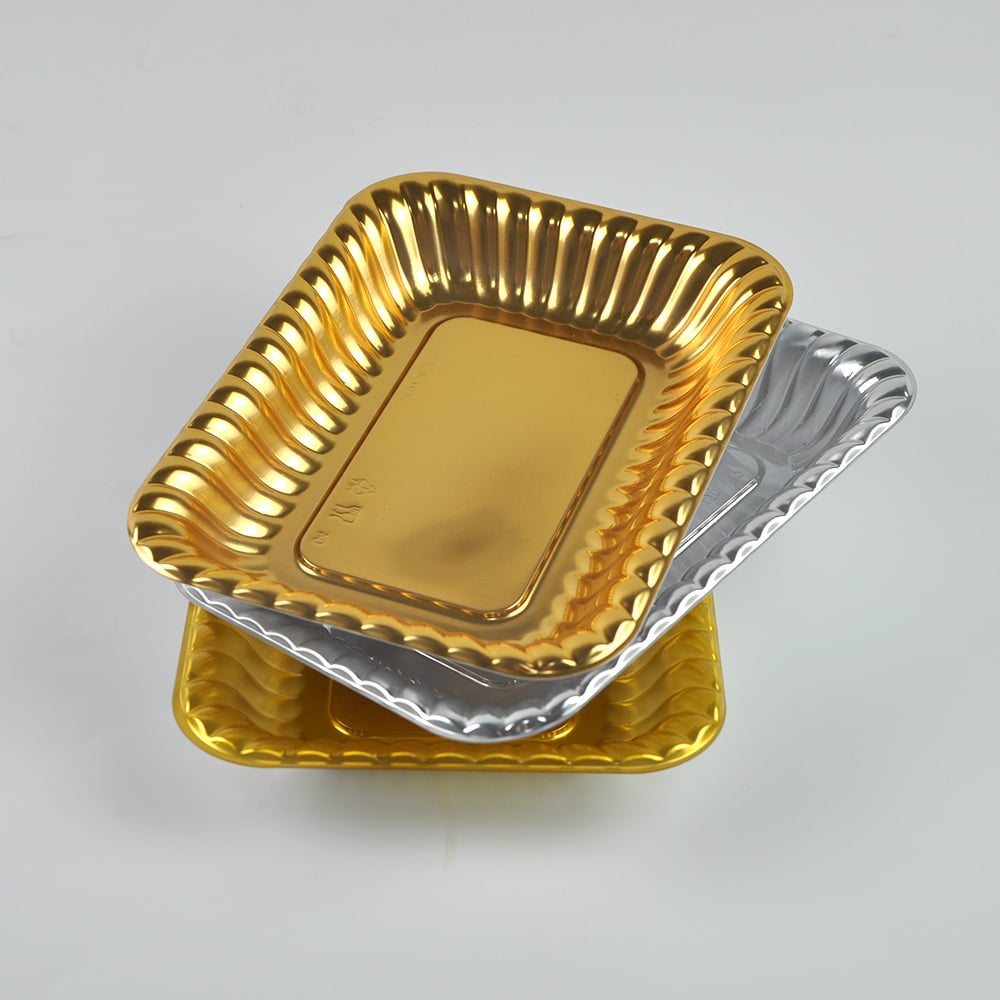
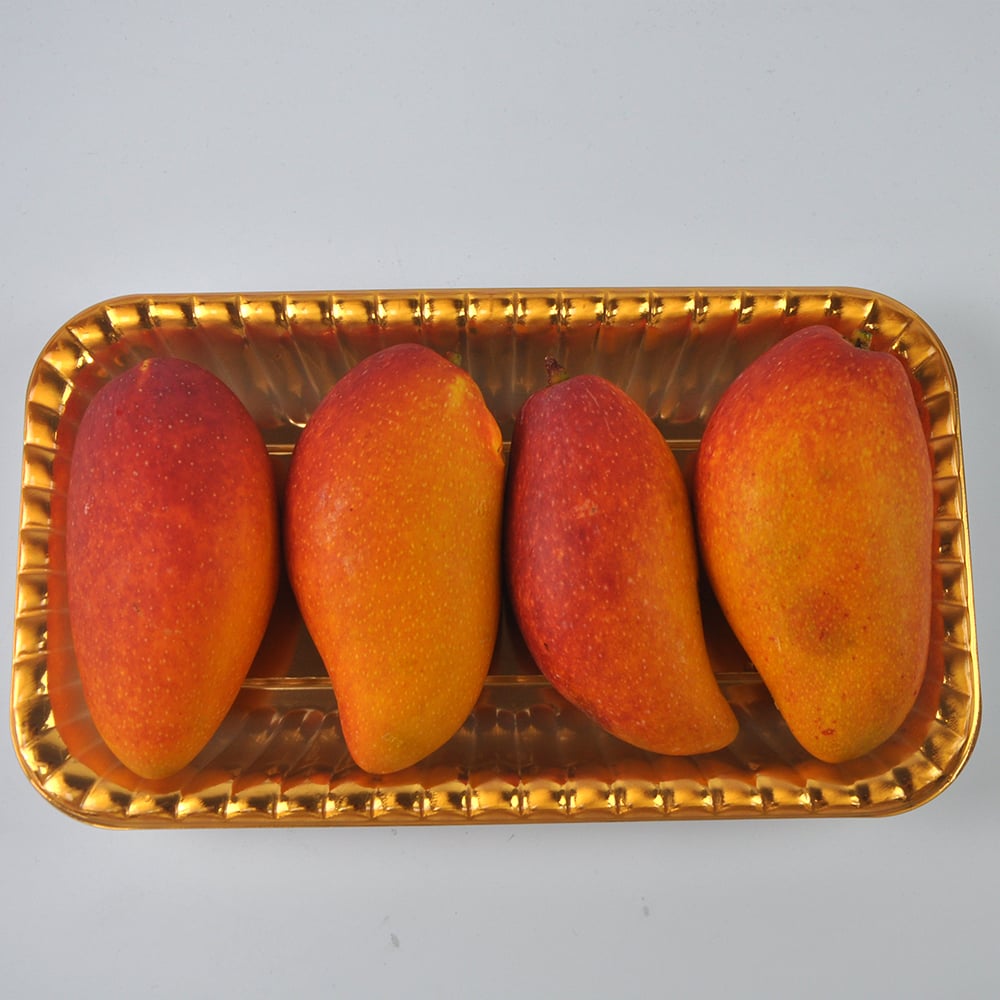
Retail Grocery Stores: High-quality QUNLU display trays enhance the visual appeal of fresh produce, encouraging consumer purchases. Properly designed trays can elevate the presentation of fruits, making them more attractive to customers. 

Catering and Events: Fruit trays are popular for catering services, parties, and corporate events. Customizable trays can be designed to fit themes and serve a variety of fruit assortments. 

Food Service: In restaurants and cafes, fruit trays are used for breakfast bars and dessert platters. The ability to customize trays for portion sizes is crucial for food service operations. 

Logistics and Distribution: Efficient stacking and robust construction are essential for trays used in logistics. Consideration of the entire supply chain—from production to final delivery—ensures that trays meet the demands of distribution. 

Export Markets: For businesses exporting fruits, selecting trays that comply with international standards is essential. Ensure your supplier can meet specific regulatory requirements for export packaging. 

Installation Guidelines for Efficient Use of Fruit Trays in Projects

Improving your procurement process for fruit trays can save time and reduce costs. Here are some actionable steps: 

Define Your Needs: Clearly outline specifications for the plastic fruit and veg trays, including dimensions, materials, and any customization requirements. This will help suppliers provide accurate quotes and reduce back-and-forth communication. 

Bulk Orders: Establish a long-term relationship with your supplier to negotiate better pricing on bulk orders. Understanding your minimum order quantities (MOQ) will enable you to plan your purchases more effectively. 

Quality Assurance: Implement a quality assurance process that includes regular inspections of incoming shipments. This proactive approach helps identify issues before they impact your operations. 

Use Technology: Consider using procurement software that helps track inventory levels and automate reordering processes. Technology can streamline your operations and enhance supply chain visibility. 

Supplier Evaluation: Regularly assess your suppliers based on their performance in quality, delivery times, and customer service. A reliable supplier can significantly impact your overall efficiency. 

By understanding the specifications, quality evaluation methods, common issues, applications, and procurement strategies for fruit trays, you can make more informed decisions that enhance your business operations. 

How to Choose the Right Fruit Tray for Your Application Needs

When sourcing fruit trays, several key specifications should be considered: 

Material: High-quality fruit trays are often made from PET or PVC, which provide excellent clarity and strength. These materials are essential for protecting the freshness of the fruit while offering visibility for marketing purposes. 

Dimensions: The size of the tray should correspond to the type and quantity of fruit being packaged. Common dimensions include standard sizes for strawberries, grapes, and mixed fruit assortments. It's vital to verify that the tray dimensions align with your packaging needs to prevent damage during transit. 

Thickness: A thickness of 300-400 microns is generally ideal for durability without adding excessive weight. Thicker trays may provide better protection but can increase shipping costs and reduce shelf efficiency.  

Sealing and Design: Trays with secure lids or clamshell designs help maintain product freshness and prevent contamination. When evaluating designs, consider how they will perform during stacking and transport. 

Certifications: Look for trays that comply with FDA, BRC, and ISO standards. These certifications ensure that the products meet safety and quality regulations applicable to food packaging. 

Frequently Asked Questions

What materials are used for the fruit tray?

Our fruit trays are made from food-grade thermoformed plastics compliant with FDA standards, designed for safety and durability.
Yes. Trays meet FDA and BRC requirements for direct food contact and are produced under ISO-certified processes.
We offer OEM/ODM customization including dimensions, cavity layouts, and printed labels to meet specific brand and product needs.
We use recyclable thermoplastic materials and efficient thermoforming lines to minimize waste, supporting sustainable packaging solutions.
Typical lead time varies by order size; we hold FDA, BRC, and ISO certifications to ensure consistent quality and regulatory compliance.

Related product categories

Get a Free Quote

Our representative will contact you soon.
Email
Name
Company Name
Message
0/1000
Attachment
Please upload at least an attachment
Upload up to 3 files (maximum 30 MB). Supported formats: JPG, JPEG, PNG, PDF, DOC, DOCX, XLS, XLSX, CSV, TXT, STP, STEP, IGS, X_T, DXF, PRT, SLDPRT, SAT, RAR, ZIP.