EN

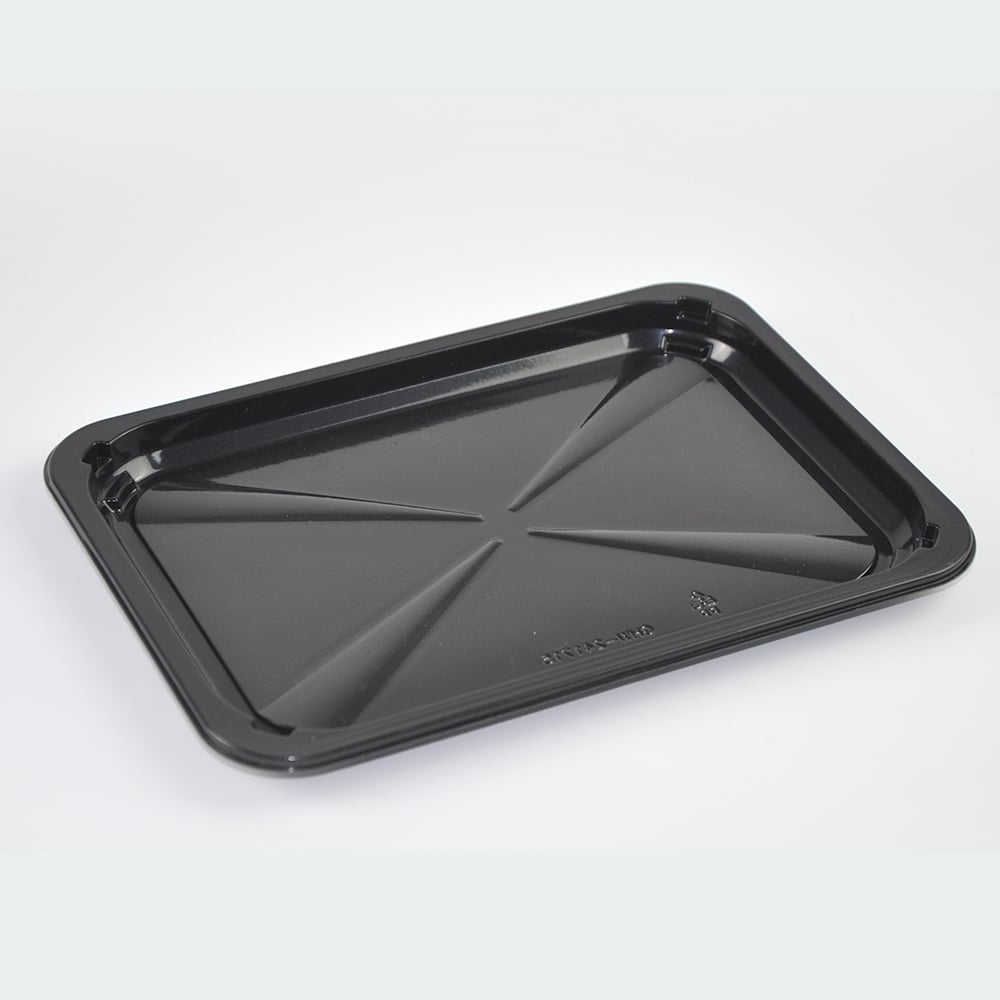
Vacuum skin packaging trays are specialized containers designed to preserve the freshness and quality of food products by creating a tight seal around the product, significantly extending shelf life. For B2B buyers like purchasing managers and food manufacturers, key concerns include material safety, compatibility with food items, and the ability to customize packaging solutions for specific applications. This article will provide insights into selecting the right disposable deli trays with lids, key specifications to consider, supplier evaluation, quality control standards, and common issues along with their solutions.
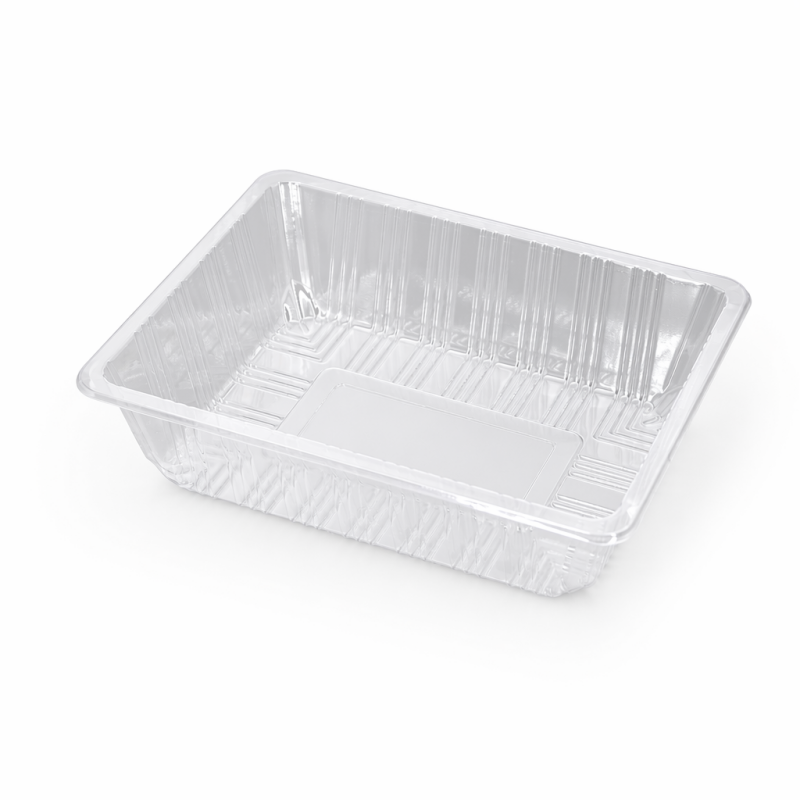

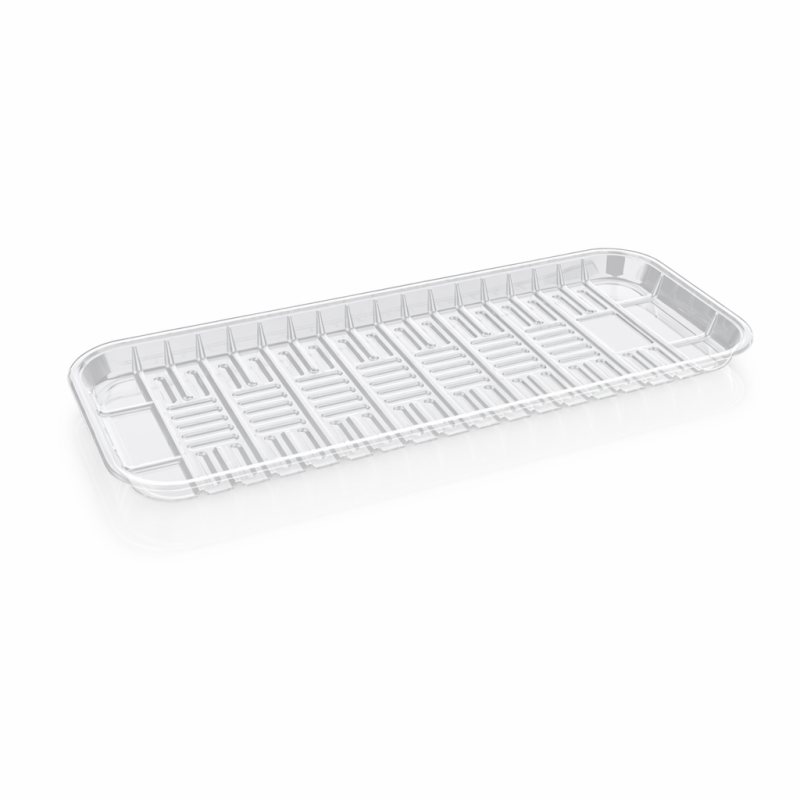
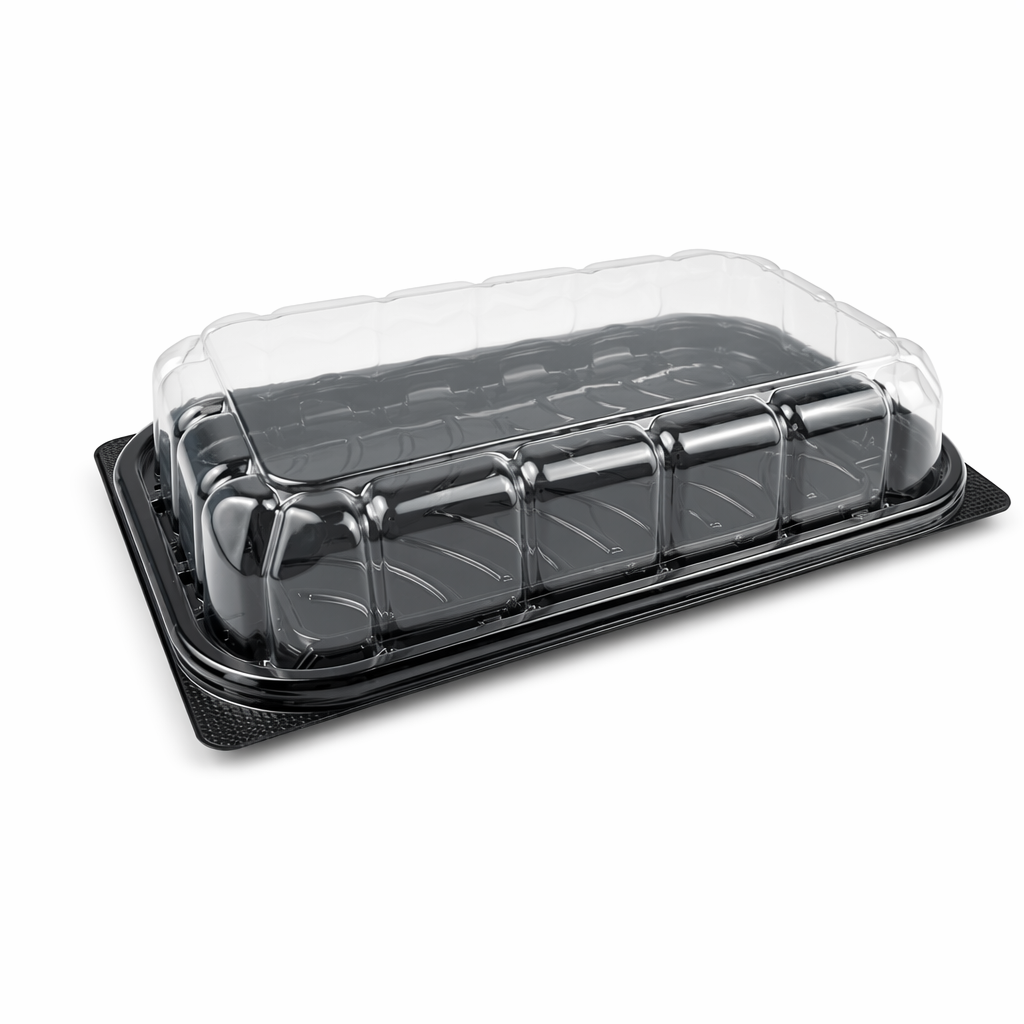
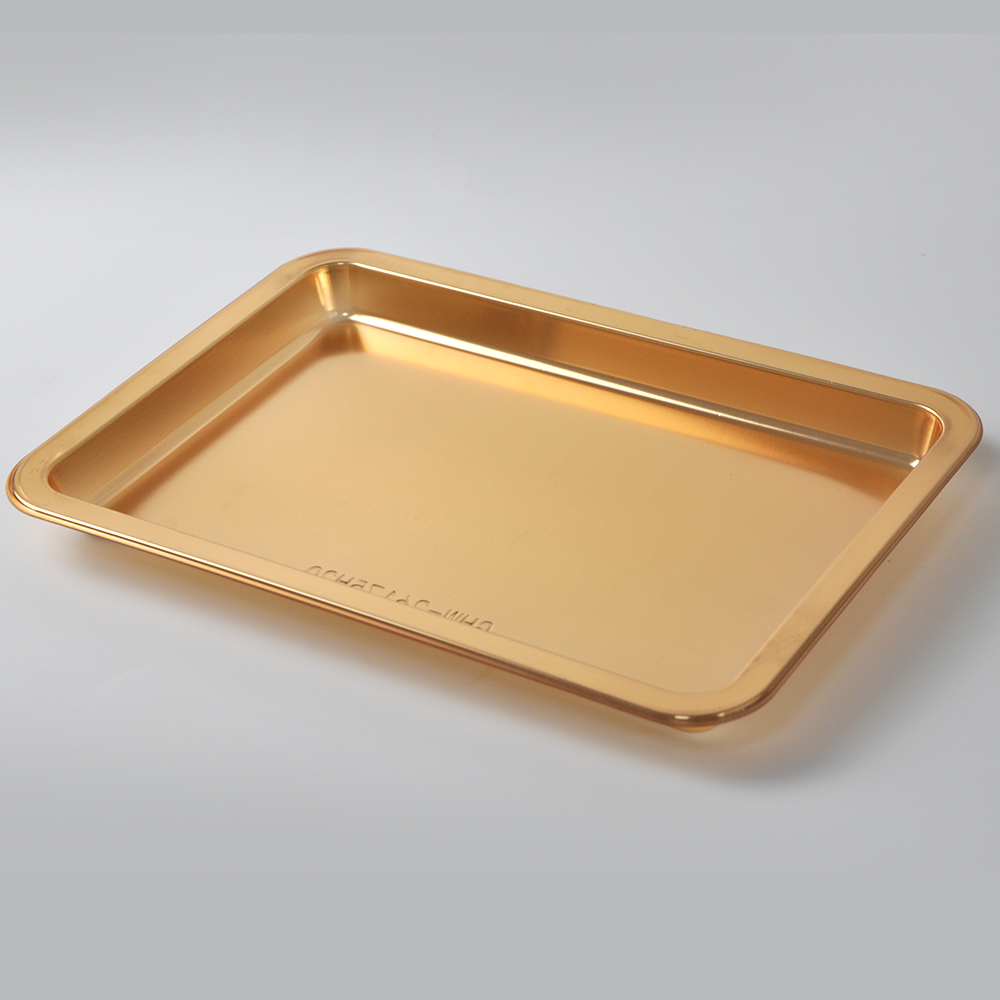
Key Specifications to Consider When Sourcing Vacuum Skin Packaging Trays
When sourcing QUNLU vacuum skin packaging trays, several key specifications should be evaluated to ensure they meet your operational needs:
Material Composition: The most common materials for these trays include PET, PVC, and PP. Each material has distinct properties affecting its barrier capabilities, temperature resistance, and suitability for various food types.
Thickness: The thickness of the trays affects their durability and sealing effectiveness. Thicker trays may offer better protection but can be heavier and more expensive. It's essential to balance thickness with cost and usability.
Sealing Compatibility: Ensure the plastic fruit trays are compatible with your sealing equipment. If there is a mismatch, it can lead to inefficient sealing, compromising product integrity.
Dimensions: Confirm that the dimensions align with your product specifications. Incorrect sizing can lead to wasted materials and inefficient packaging processes.
Barrier Properties: Assess the trays' barrier properties against moisture and oxygen. These properties are critical to maintaining product freshness and extending shelf life.
By taking these specifications into account, buyers can select vacuum skin packaging trays that not only protect their products but also align with their operational efficiencies.