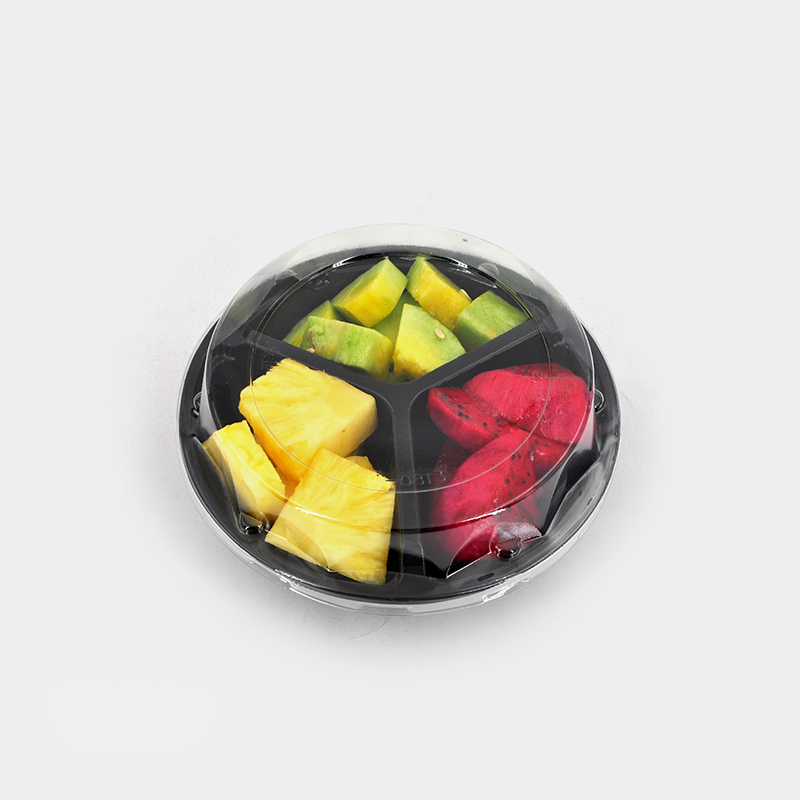
Key Specifications of PET Plastic Fruit Trays

All Categories
Review Full Line Catalog

PET plastic fruit tray

PET plastic fruit trays are essential components in the food packaging industry, designed to ensure the safe transport and display of fresh produce. For B2B buyers such as purchasing managers, distributors, and product managers, understanding the specifications and sourcing processes for these trays is crucial. This article will provide insights into key specifications, guidance for sourcing, installation guidance for PET plastic fruit trays, common challenges, and quality standards of PET plastic fruit trays, empowering buyers to make informed decisions. 
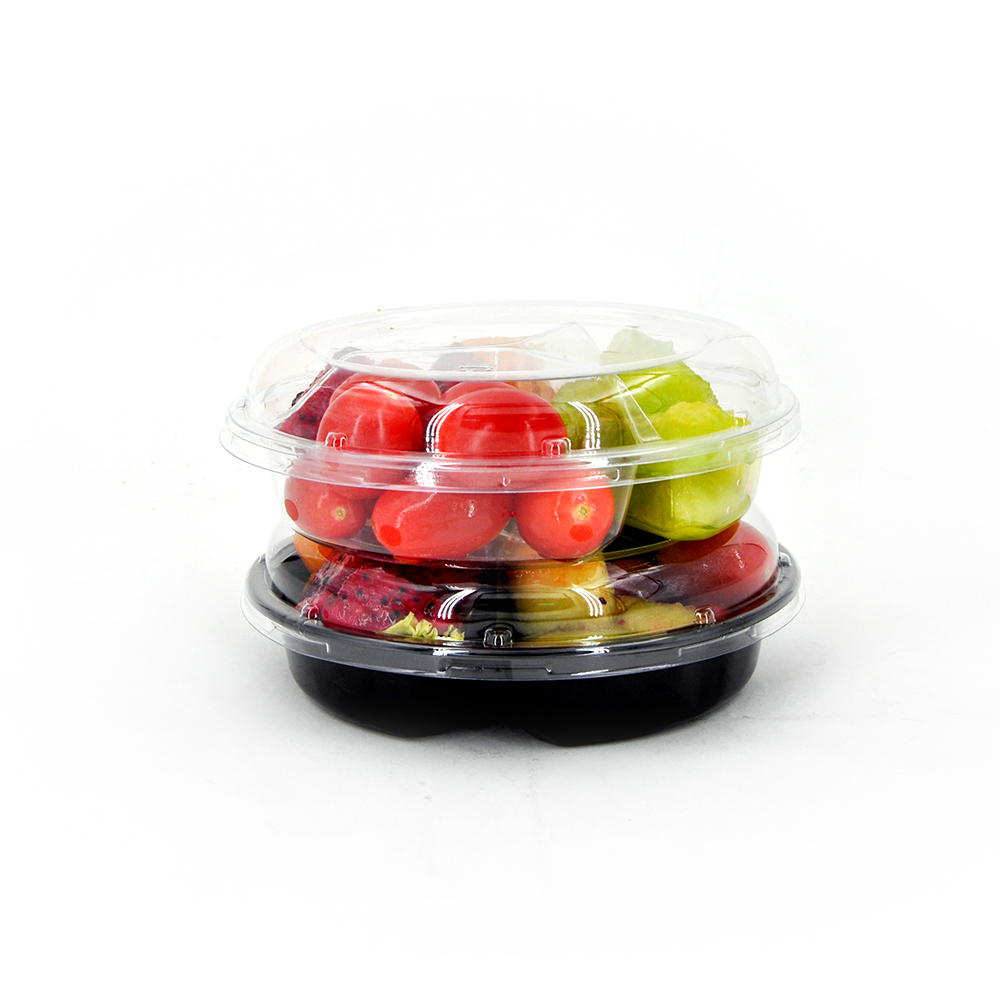
Sourcing Quality PET Plastic Fruit Trays

Sourcing Quality PET Plastic Fruit Trays

Sourcing quality PET plastic fruit trays involves several critical steps: 

Supplier Evaluation: Start by identifying potential suppliers with a strong reputation in the industry. Look for manufacturers with certifications such as ISO, BRC, and FDA approval, which indicate adherence to quality and safety standards. 

Requesting Samples: Before making a bulk purchase, request samples to evaluate the material quality, dimensions, and design. This step is crucial as it allows buyers to assess whether the trays meet their expectations in real-world conditions. 

Production Capabilities: Ensure the supplier has the necessary thermoforming equipment and production capacity to meet your order volume. A reliable supplier should be able to provide details about their manufacturing processes, which can affect lead times and consistency. 

Pricing Structure: Discuss pricing based on order quantity. Understanding the minimum order quantity (MOQ) and potential discounts for larger orders can impact budgeting and cost-effectiveness. 

Lead Times: Clarify expected lead times for production and shipping. Factors such as customization requirements and seasonal demand can influence timelines. 

By following these steps, buyers can effectively source quality PET plastic fruit trays that align with their operational needs. 
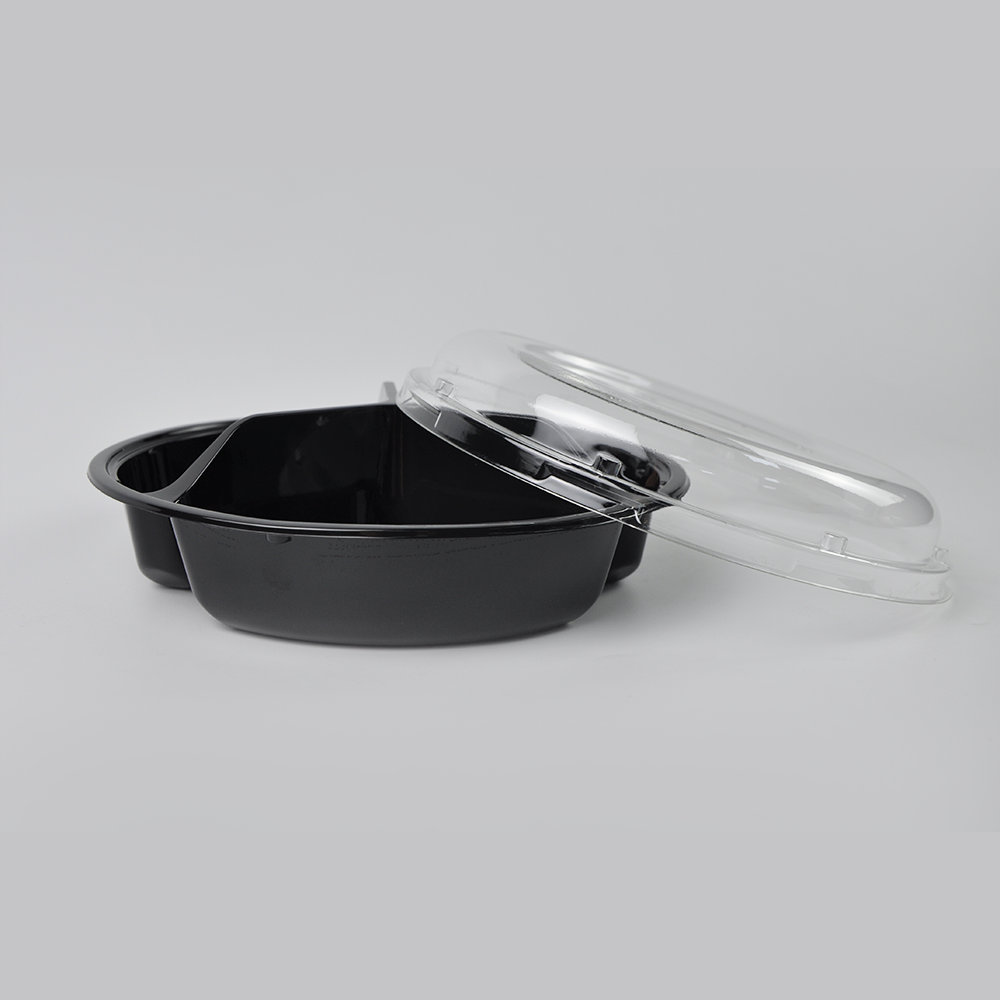
Installation Guidance for PET Plastic Fruit Trays in Your Projects

Installation Guidance for PET Plastic Fruit Trays in Your Projects

Proper installation and handling of PET plastic fruit trays are essential to maximize their effectiveness and longevity in packaging: 

Handling: Ensure that trays are handled with care to avoid bending or damaging them before use. Minor defects can lead to larger issues such as breakage during transport. 

Stacking: When stacking trays, ensure that they are aligned properly to prevent instability. This is especially important during storage and transportation, where shifting can lead to product damage. 

Temperature Control: Maintain appropriate temperature settings during storage and transport. PET plastic fruit tray with lid  should be kept in a controlled environment to prevent warping or degradation, especially in extreme temperatures. 

Sealing: If using lids or films, ensure that the sealing process is compatible with the trays to provide an airtight seal. This will help maintain freshness by reducing exposure to air and moisture. 

Quality Checks: After installation, perform quality checks to ensure that all trays are intact and suitable for use. Look for any signs of damage or defects that could compromise the integrity of the packaging. 

Adhering to these installation guidelines helps ensure that PET plastic fruit trays perform optimally throughout their intended use. 

Addressing Common Problems with PET Plastic Fruit Trays

Addressing Common Problems with PET Plastic Fruit Trays

Despite their advantages, PET plastic fruit trays can encounter several common issues: 

Brittleness: In some cases, PET trays can become brittle if exposed to extreme temperatures or improper handling. Buyers should confirm material specifications and ensure trays for fruits are stored within recommended temperature ranges. 

Inconsistent Sizing: Variability in dimensions can occur due to manufacturing processes. Buyers should emphasize the importance of strict quality control measures and request adherence to precise specifications. 

Sealing Failures: Inadequate sealing can lead to spoilage. It's essential to test the sealing process before mass production to ensure that trays maintain their integrity under various conditions. 

Recycling Concerns: While PET is recyclable, improper disposal can lead to environmental issues. Buyers should encourage recycling practices and consider suppliers who emphasize sustainability in their production processes. 

By proactively addressing these common problems, buyers can enhance the reliability of PET plastic fruit trays in their supply chain. 

Evaluating the Quality Standards of PET Plastic Fruit Trays

To ensure that PET plastic fruit trays meet the required quality standards, buyers should consider the following evaluation criteria: 

Certifications: Verify that the manufacturer holds relevant certifications, such as FDA, BRC, and ISO. These certifications indicate compliance with safety and quality standards for food packaging. 

Quality Control Processes: Inquire about the supplier's quality control measures during production. This may include regular inspections, testing of raw materials, and monitoring of the final product to ensure consistency and reliability. 

Material Testing: Ask suppliers about the testing procedures for their PET materials. This includes assessments for clarity, strength, and resistance to temperature variations. 

Performance Testing: Consider requesting performance tests that simulate real-world conditions, such as transportation and storage scenarios. This will help verify the trays' ability to protect the fruit during the supply chain process. 

Feedback and Reviews: Research feedback from other customers who have used the supplier’s products. This can provide valuable insights into the reliability and quality of the PET plastic fruit trays. 

By carefully evaluating these quality standards, buyers can confidently select PET plastic fruit trays that meet their operational needs and maintain high standards of safety and quality in food packaging.    

Key Specifications of PET Plastic Fruit Trays for Buyers

When evaluating PET plastic fruit trays, several specifications should be considered to ensure they meet the intended application requirements: 

Material Quality: PET (Polyethylene Terephthalate) is favored for its excellent clarity and strength, making it ideal for fruit packaging. Buyers should verify that the material is food-grade and compliant with safety regulations, such as FDA standards. 

Dimensions and Design: The size of the tray must accommodate the specific type of fruit being packaged. Considerations include depth, width, and length to ensure the fruit fits snugly without being crushed. The design should also allow for optimal airflow to maintain freshness. 

Thickness: The thickness of the tray influences its durability and ability to withstand stacking during transportation. A common range is between 200 to 400 microns, depending on the intended use and handling conditions. 

Sealing Options: Buyers should consider whether the trays will require a lid or sealing film. This affects the shelf life of the fruit and should be compatible with the sealing equipment used in production. 

Customization Options: Many manufacturers offer customization services, allowing for branding or specific design features that help in product differentiation. 

Understanding these specifications helps buyers select the right PET plastic fruit tray for their needs, ensuring fruit remains fresh and visually appealing during transport. 

Frequently Asked Questions

What materials are used in the PET plastic fruit tray?

Our fruit trays are made from food-grade PET approved for safety and durability, produced on advanced thermoforming lines to ensure consistent quality.
Yes. Trays are manufactured under FDA, BRC, and ISO standards, ensuring safe direct contact with fresh fruits and ready-to-eat foods.
Yes. We offer OEM/ODM customization for dimensions, shapes, colors, and printing to match your brand and packaging needs.
Our PET trays are recyclable and designed to support sustainability; we use efficient production methods to minimize waste and environmental impact.
Lead time and MOQ vary by specification. After receiving your requirements, we provide a tailored quote including production schedule and minimum order details.

Related product categories

Get a Free Quote

Our representative will contact you soon.
Email
Name
Company Name
Message
0/1000
Attachment
Please upload at least an attachment
Upload up to 3 files (maximum 30 MB). Supported formats: JPG, JPEG, PNG, PDF, DOC, DOCX, XLS, XLSX, CSV, TXT, STP, STEP, IGS, X_T, DXF, PRT, SLDPRT, SAT, RAR, ZIP.