Key Specifications for Plastic Clamshell Packaging

All Categories
Review Full Line Catalog

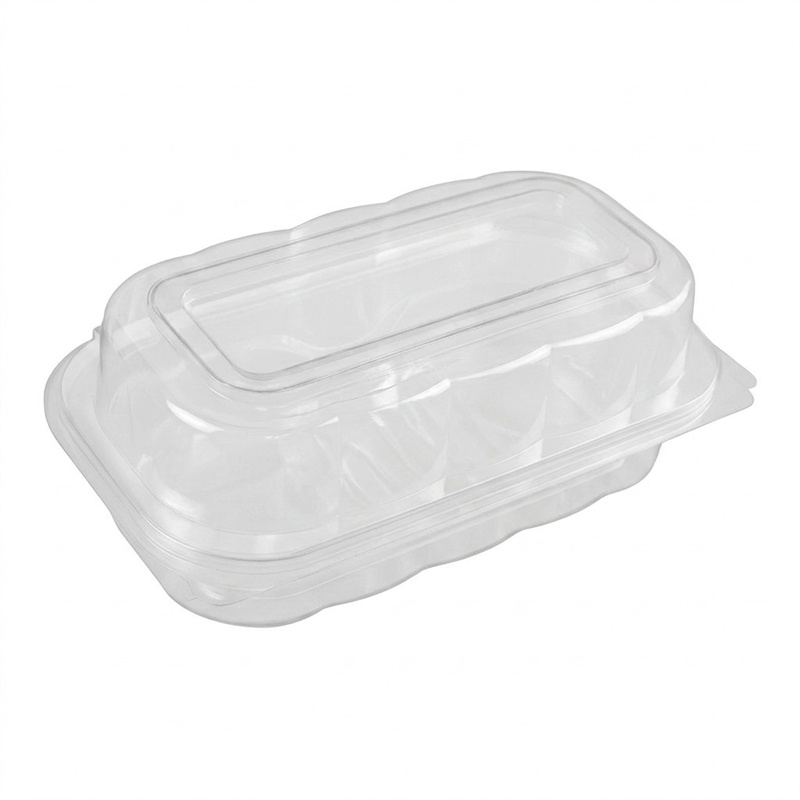
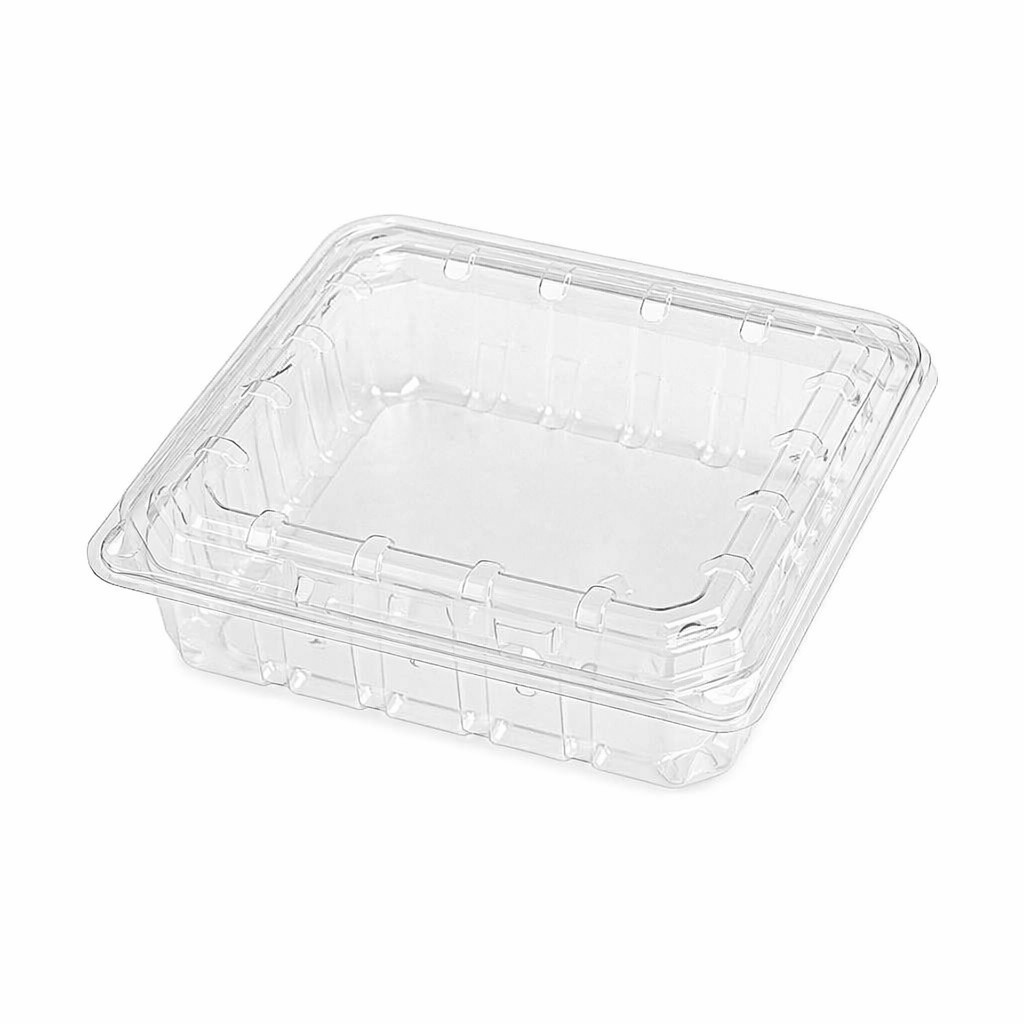
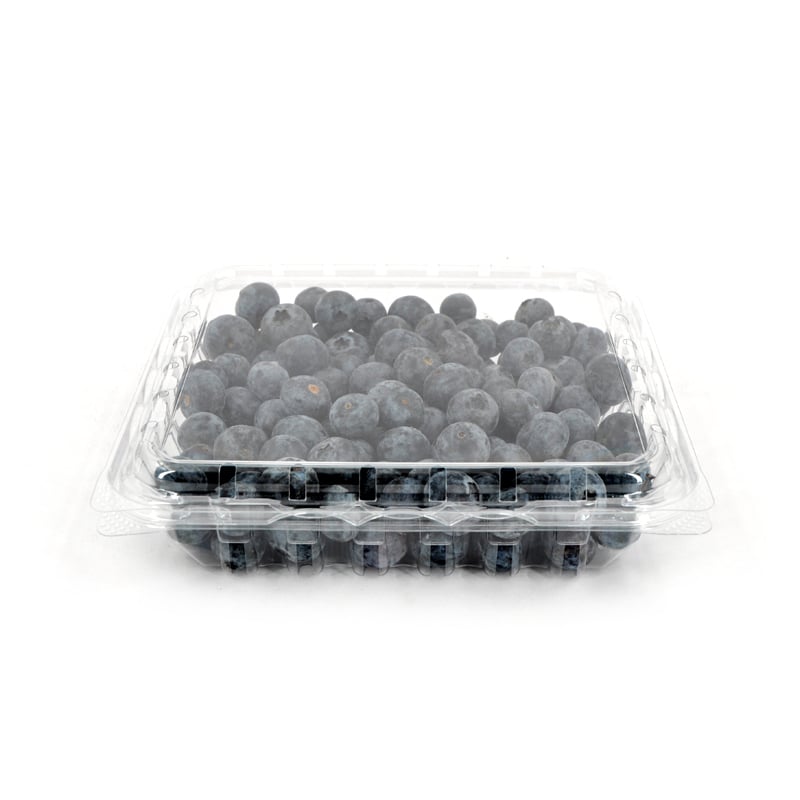
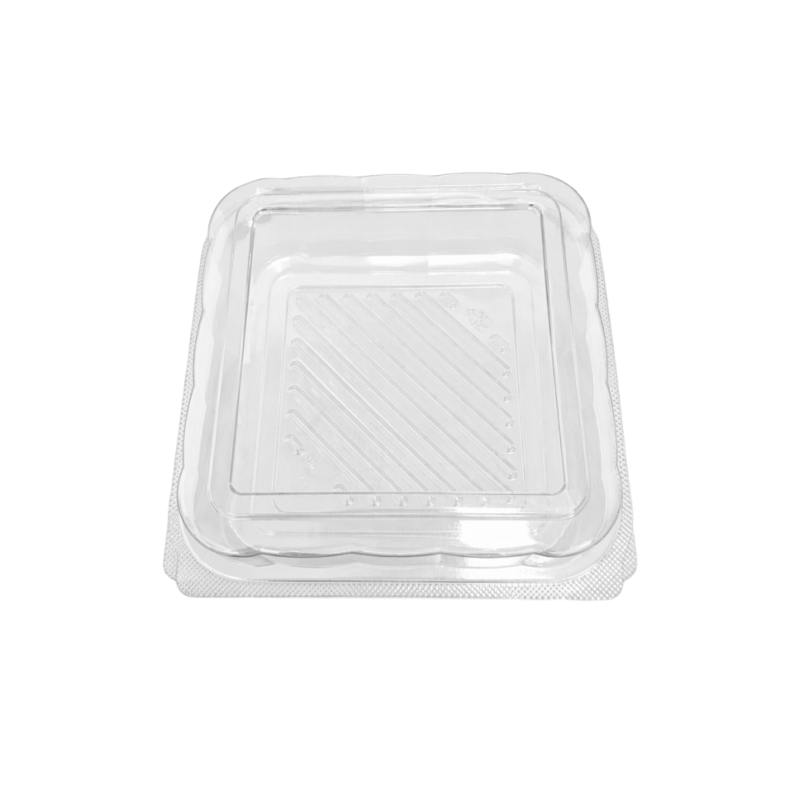
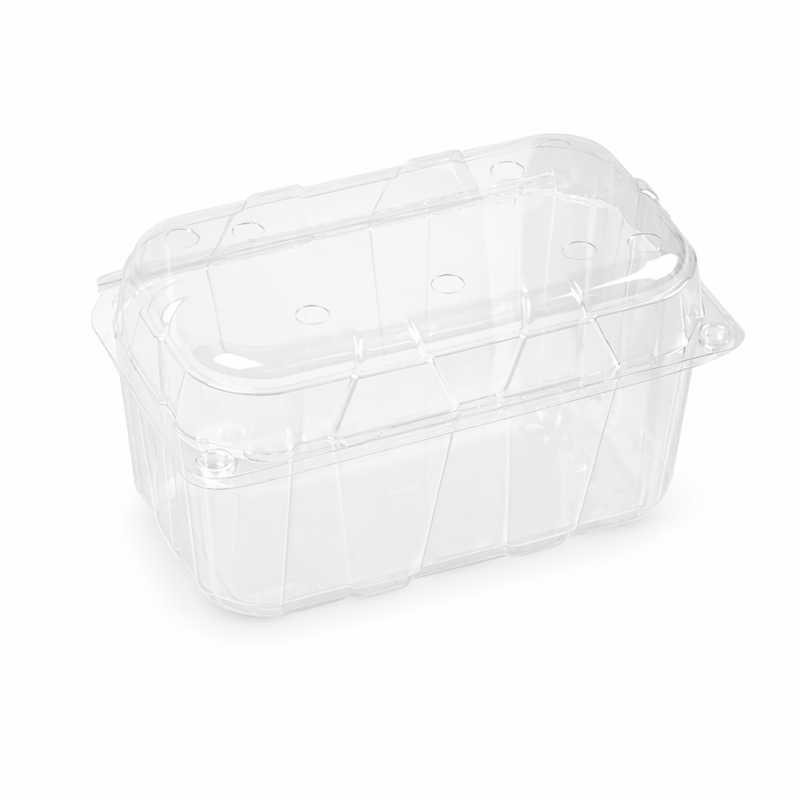
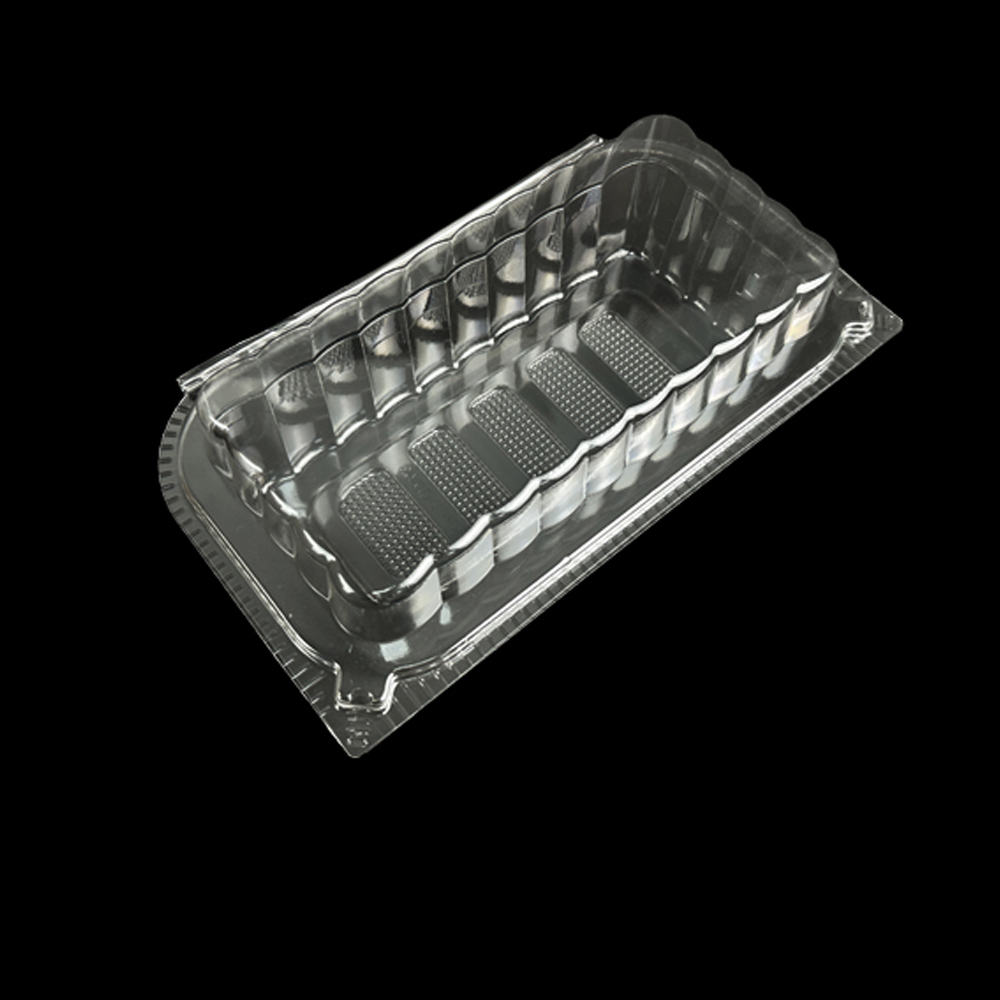
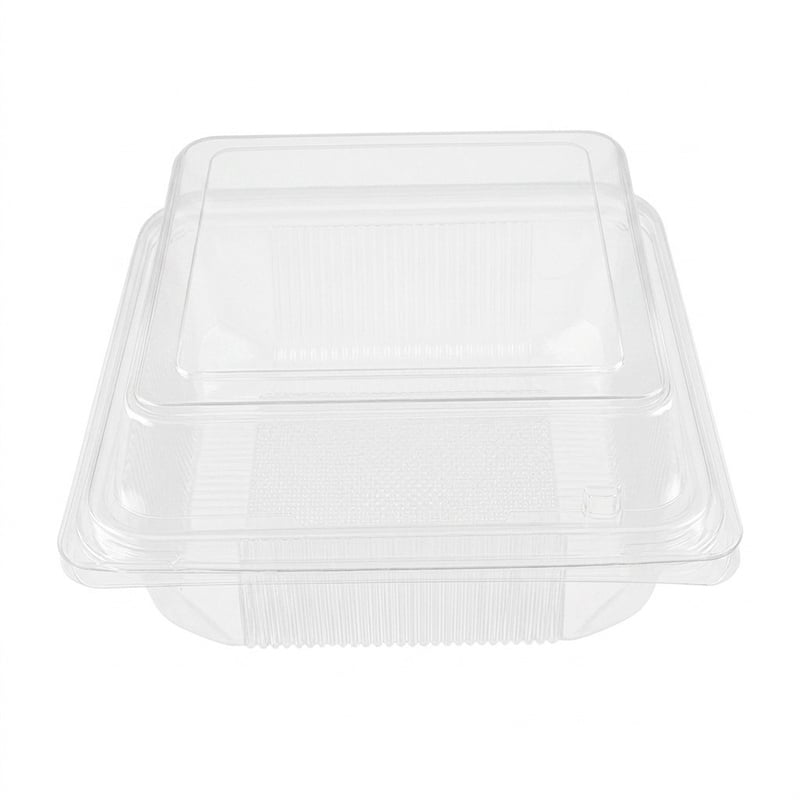
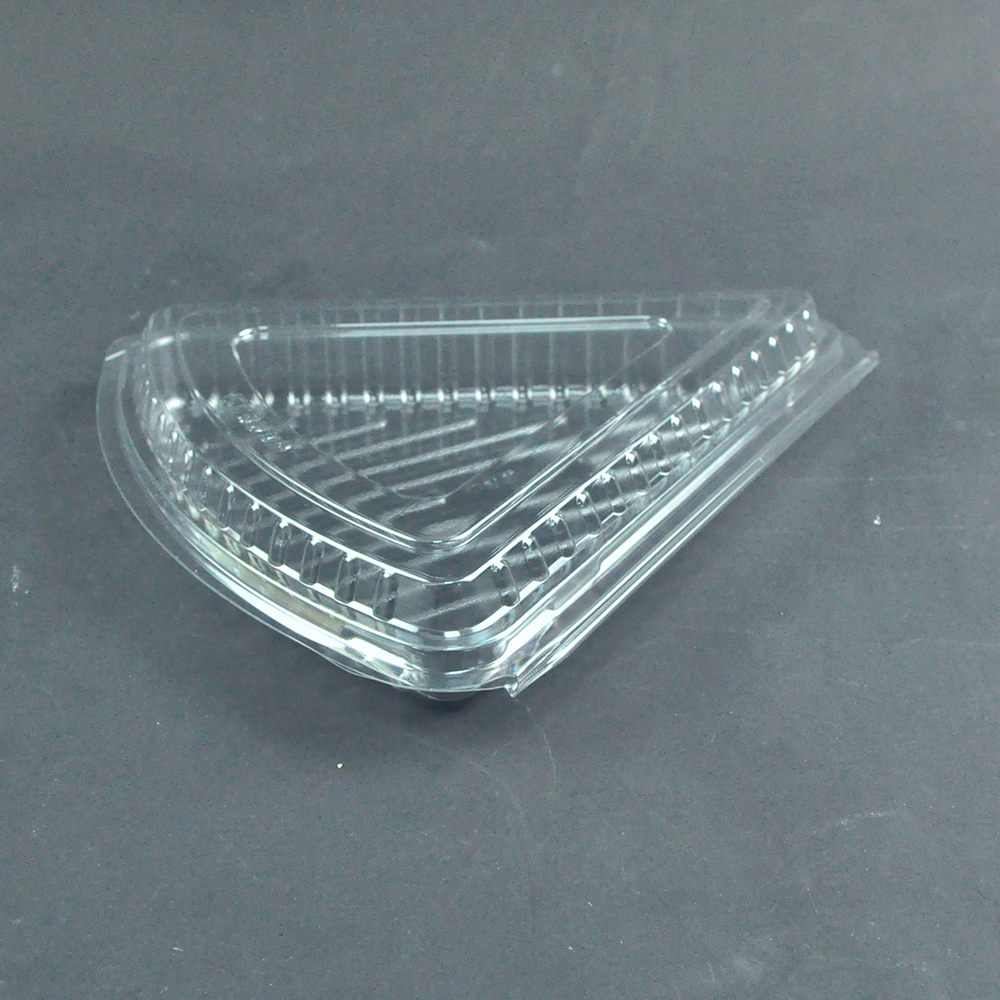
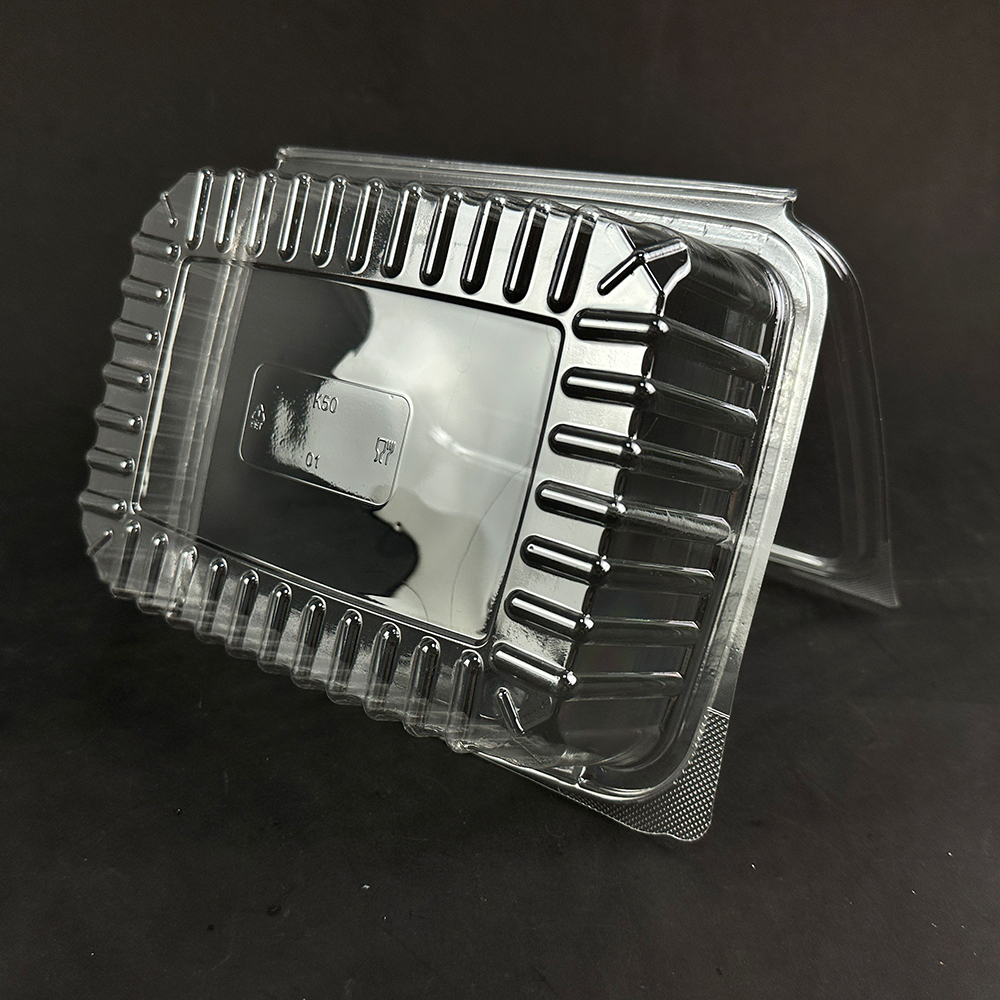
Plastic clamshell package

Plastic clamshell packaging is a versatile and effective solution for a wide range of products, particularly in the food industry. These packages are designed to securely hold items while providing visibility and protection. B2B buyers, including purchasing managers and product managers, often prioritize quality, safety, and sustainability when evaluating packaging options. This article will guide you through essential aspects of plastic clamshell packages, including quality standards, specifications, common issues, applications, and material advantages, helping you make informed purchasing decisions. This product will help you to understand the product more, so keep on reading it all. 
Our Products

Key Specifications for Plastic Clamshell Packages You Need to Know

Key Specifications for Plastic Clamshell Packages You Need to Know

When evaluating plastic clamshell packages, there are several key specifications to consider: 

Material: Common materials for clamshells include PET and PVC, each offering different barrier properties and suitability for various food types. Buyers should assess the material's compatibility with their specific products to ensure optimal preservation and safety. 

Thickness: The thickness of the clamshell can affect its durability and protection level. A thicker clamshell may offer better impact resistance, while a thinner option may reduce costs but compromise strength. It's essential to balance these factors based on product requirements. 

Dimensions: Accurate dimensions are crucial for proper fit and functionality. Buyers should provide exact product measurements to manufacturers to avoid compatibility issues during packaging. 

Sealing methods: Different sealing techniques can impact the clamshell's ability to protect the contents. Heat sealing, for example, can provide a tamper-evident closure, which is particularly important for food packaging. 

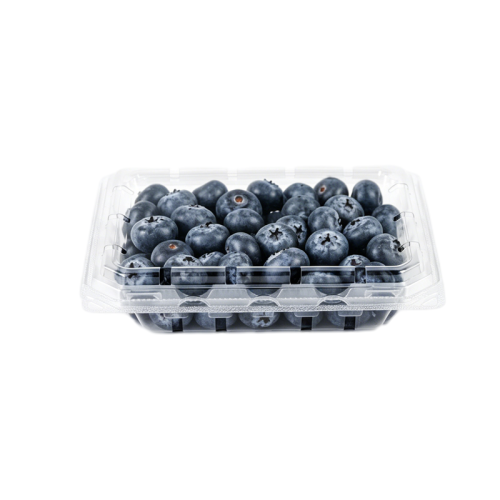
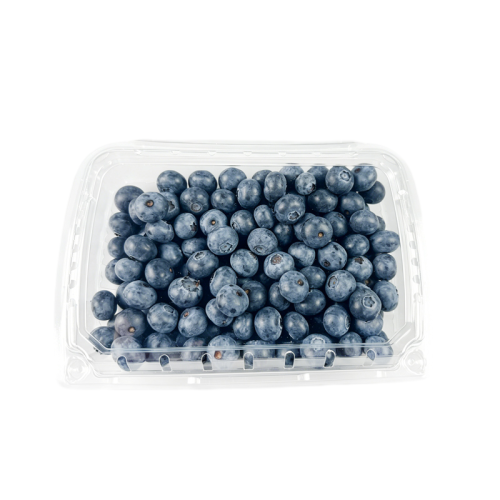
Customization: Many manufacturers, including Zhejiang Qunlu, offer customization options for blueberry clamshell packaging. Buyers should consider their branding needs and inquire about printing, shapes, and sizes that can enhance product visibility on shelves.
Common Problems with Plastic Clamshells and Their Solutions

Common Problems with Plastic Clamshells and Their Solutions

While plastic clamshell packaging is effective, there are common issues that buyers may encounter: 

Cracking and damage: Inadequate thickness or improper sealing can lead to cracks during transport. To mitigate this, buyers should ensure that the specifications align with the expected handling and transportation conditions. 

Poor visibility: If the material has low clarity, customers may not be able to see the product inside. Selecting high-clarity materials can improve product visibility and appeal. 

Incompatibility with products: Not all clamshells are suitable for every product type. Buyers should communicate their product specifications clearly to manufacturers to avoid compatibility issues. 

Environmental concerns: As sustainability becomes increasingly important, buyers should opt for manufacturers that provide eco-friendly materials and practices. Inquire about the recyclability of clamshells and any sustainable sourcing practices.

Applications of Plastic Clamshell Packaging Across Various Industries

Applications of Plastic Clamshell Packaging Across Various Industries

Plastic clamshell packaging finds applications in various industries, including: 

Food and Beverage: Clamshells are often used for fresh produce, baked goods, and ready-to-eat meals, providing visibility while protecting products from contamination. 

Retail: Retailers use clamshells for displaying products such as electronics, toys, and cosmetics. The secure packaging helps prevent theft while showcasing the item effectively. 

Pharmaceuticals: Clamshells can hold medical devices or over-the-counter medications, ensuring safety and compliance with health regulations. 

Industrial Parts: Packaging for small components often utilizes clamshells, providing protection during storage and transportation. 

Understanding the specific requirements of each application is crucial for selecting the appropriate plastic clamshell, ensuring that it meets safety and quality standards while also appealing to the end consumer. 

Understanding Material Advantages of Plastic Clamshells for Buyers

The choice of material in QUNLU plastic clamshell packages significantly impacts their performance. Here are some advantages of common materials: 

Polyethylene Terephthalate (PET): Known for its excellent clarity and strength, PET is widely used in food packaging. It offers good moisture and oxygen barriers, extending shelf life and maintaining product freshness. 

Polyvinyl Chloride (PVC): PVC is another popular option, offering flexibility and durability. However, it may not be as environmentally friendly as PET, making it essential for buyers to consider sustainability when selecting materials. 

Recyclability: Many plastic clamshells are recyclable, which can help companies meet sustainability goals. Buyers should verify the recycling capabilities of the materials used and consider sourcing from manufacturers that prioritize eco-friendly practices. 

Cost-effectiveness: Understanding the cost implications of different materials is essential for budgeting. While some materials may provide superior performance, they may also come at a higher cost. Buyers should evaluate the trade-offs between material performance and pricing when making decisions. 

By focusing on these material advantages, buyers can ensure that their packaging not only meets functional requirements but also aligns with their brand values and market expectations. 

In summary, understanding the intricacies of clamshell packaging plastic, from quality standards to material advantages, equips B2B buyers with the knowledge necessary to make informed purchasing decisions that align with their operational needs and sustainability goals.

Evaluating Quality Standards in Plastic Clamshell Packaging

Quality standards are critical when selecting plastic clamshell packaging. Buyers should ensure that the packaging meets relevant safety and quality certifications, such as FDA, BRC, and ISO. These certifications confirm that the products comply with health and safety regulations, ensuring that they are safe for food contact and suitable for various applications. 

In addition to certifications, understanding the quality control processes employed by manufacturers is vital. For instance, Zhejiang Qunlu New Material Co., Ltd. utilizes advanced German and Japanese thermoforming lines, which are essential for maintaining consistency and precision in production. Buyers should inquire about these processes to ensure that they receive products that meet their quality expectations. 

Frequently Asked Questions

What materials are used in the plastic clamshell package?

Our clamshells are made from food-grade PET, PP, or RPET, selected for safety, clarity, and recyclability, compliant with FDA and BRC standards.
Yes. They meet FDA food-contact requirements and are produced in ISO-certified facilities to ensure food safety and hygiene.
Yes. We offer OEM/ODM customization for sizes, shapes, and full-color printing to match brand and product specifications.
Options include recyclable PET/RPET and reduced material designs from precision thermoforming to minimize waste and support sustainable packaging goals.
Lead time depends on design and order size; standard production lead times are provided after quote. MOQ varies by customization—contact us for specific timelines and pricing.

Related product categories

Get a Free Quote

Our representative will contact you soon.
Email
Name
Company Name
Message
0/1000
Attachment
Please upload at least an attachment
Upload up to 3 files (maximum 30 MB). Supported formats: JPG, JPEG, PNG, PDF, DOC, DOCX, XLS, XLSX, CSV, TXT, STP, STEP, IGS, X_T, DXF, PRT, SLDPRT, SAT, RAR, ZIP.