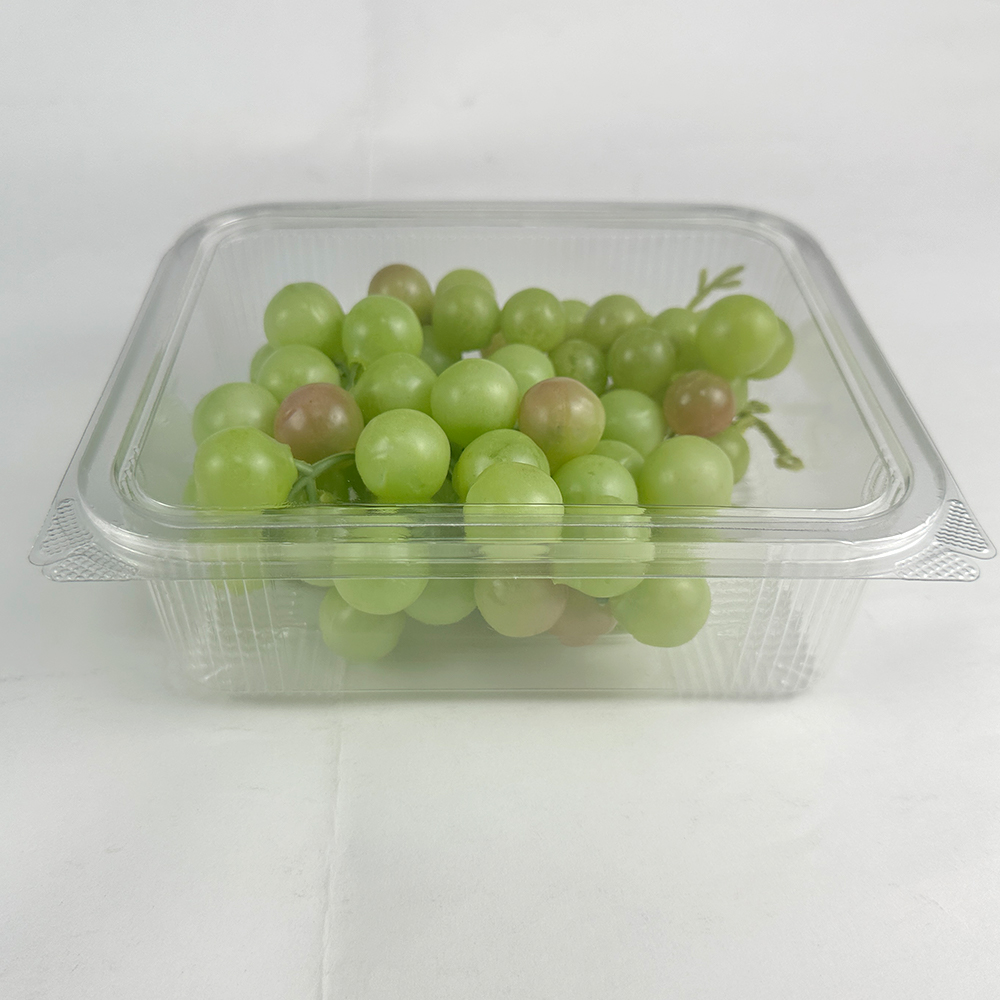
Key Specifications for Clamshell Packaging Plastic

All Categories
Review Full Line Catalog

Clamshell packaging plastic

Clamshell packaging plastic is a versatile and widely used option in the food packaging industry, particularly for fresh produce, baked goods, and take-out meals. B2B buyers, including purchasing managers and product managers, are often concerned about the material quality, cost efficiency, and production capabilities when sourcing clamshell packaging. This article will provide essential insights on specifications, cost considerations, material advantages, sourcing strategies, and cost factors in disposable food packaging, helping you make informed purchasing decisions.
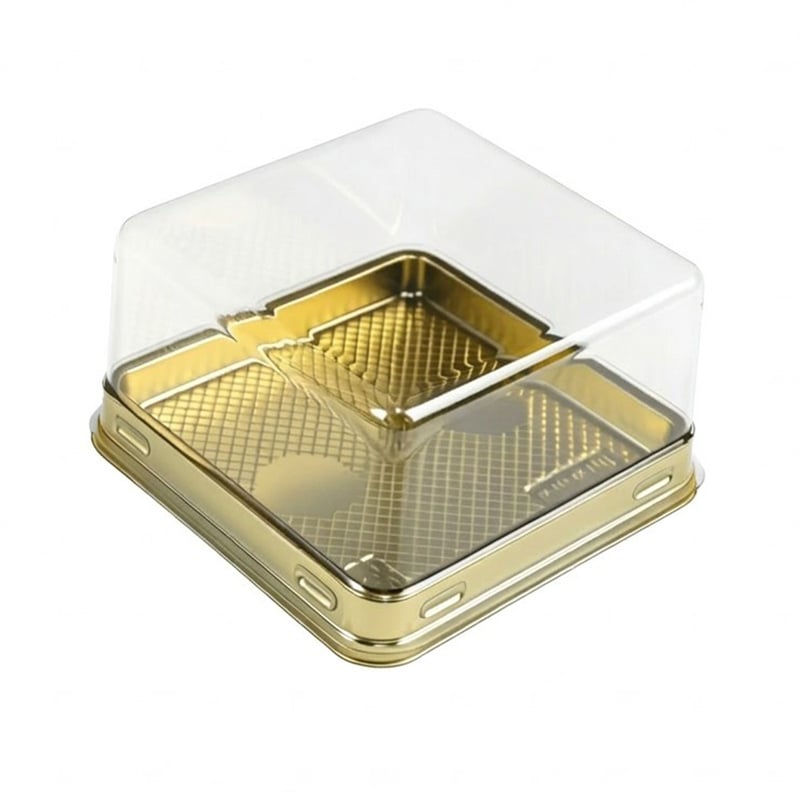
Our Products

Cost and Efficiency

Cost and Efficiency

Cost efficiency is a critical consideration in clamshell packaging procurement. Several factors influence the overall cost: 

Material Costs: The choice of material significantly impacts pricing. For example, PET is generally more expensive than PS but offers superior clarity and recyclability, which might justify the higher price for eco-conscious brands. 

Production Volume: Higher volume orders often lead to lower per-unit costs. Understanding minimum order quantities (MOQs) and negotiating bulk pricing with suppliers can yield significant savings. 

Manufacturing Process: The complexity of the clamshell design and the manufacturing method can affect production costs. Thermoforming, which Zhejiang Qunlu New Material Co., Ltd. specializes in, allows for efficient production of complex shapes but may require specific mold designs that could add to initial costs. 

Logistics and Shipping: Consider the shipping logistics and costs associated with large orders. Efficient packaging can reduce shipping volume, thereby lowering transportation costs. 

By analyzing these cost factors, buyers can optimize their procurement strategy to achieve a balance between quality and affordability.
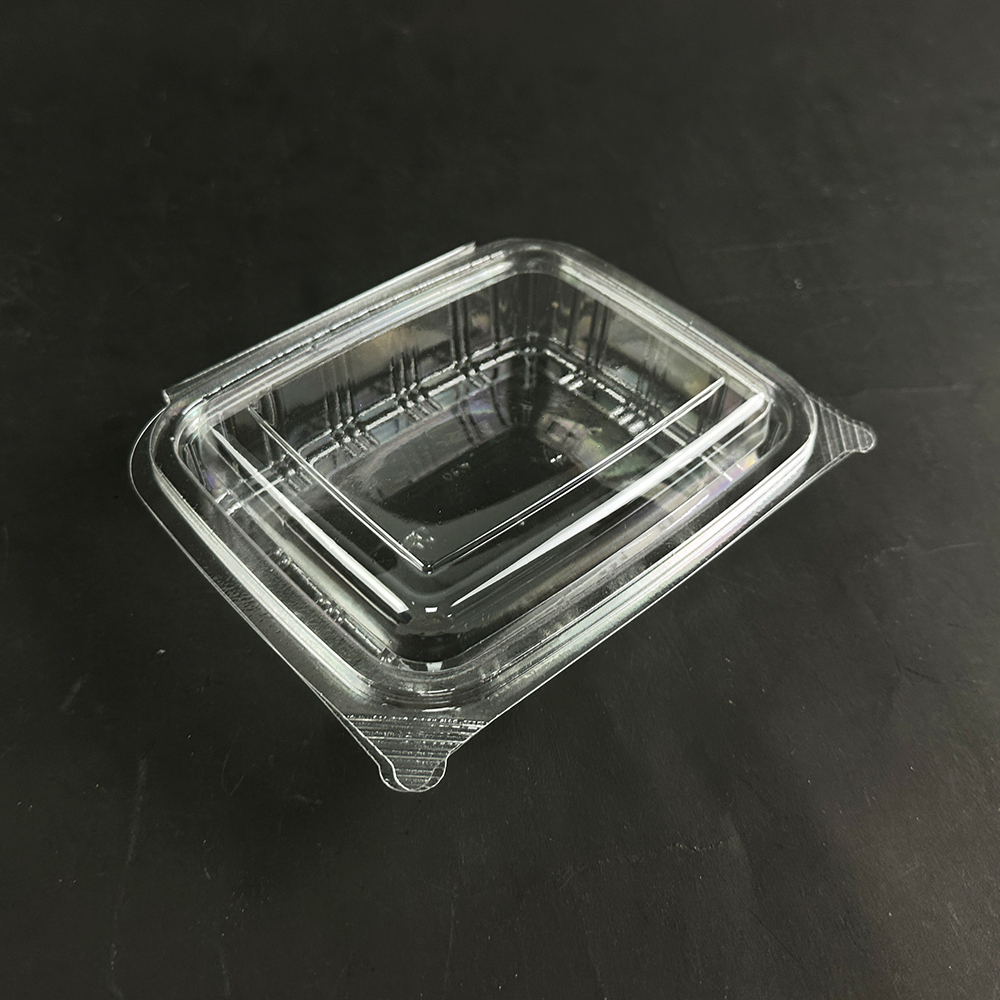
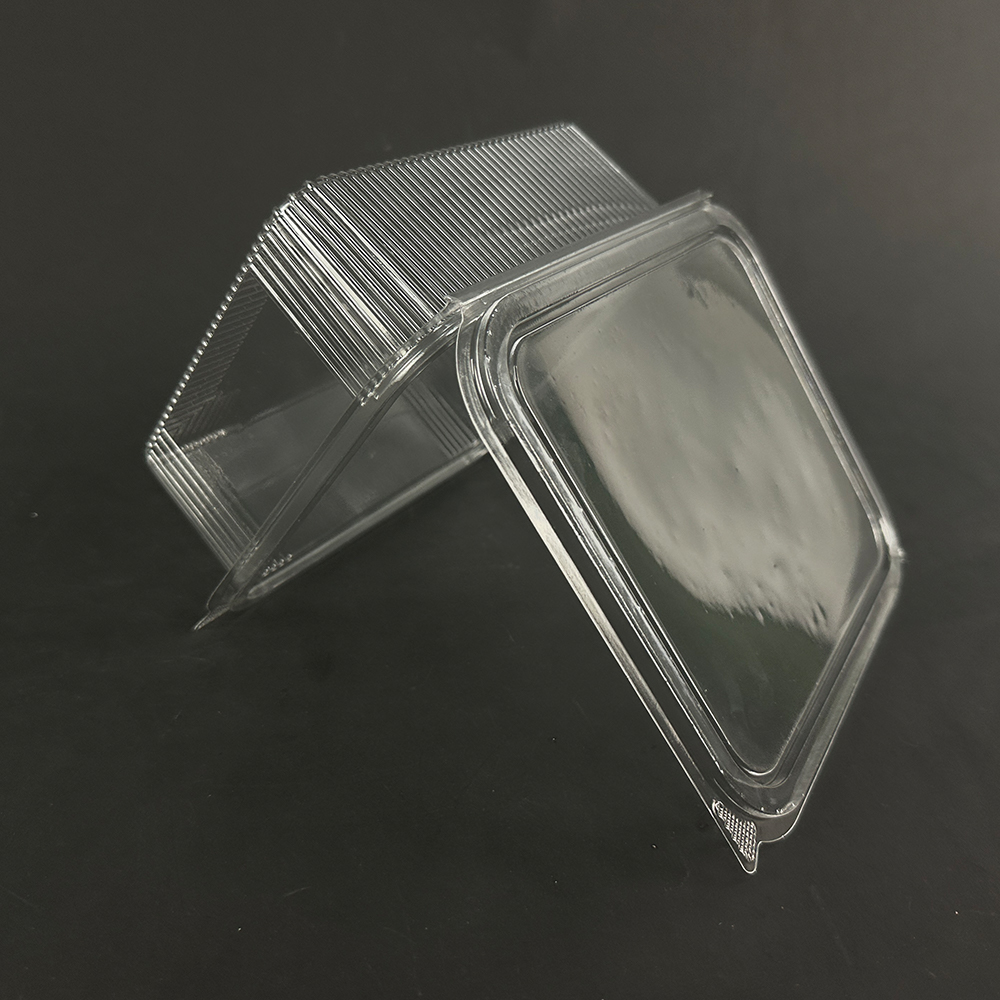
Comparing Material Advantages of Clamshell Packaging Options

Comparing Material Advantages of Clamshell Packaging Options

Different materials used in clamshell packaging offer various advantages and disadvantages. Here’s a comparison of the most common options: 

PET (Polyethylene Terephthalate): Known for its high clarity and excellent barrier properties, PET is ideal for showcasing products and preserving freshness. It is also recyclable, which is a significant advantage in today’s eco-conscious market. 

PVC (Polyvinyl Chloride): PVC is durable and provides a secure seal, making it suitable for heavier items. However, it is less environmentally friendly than PET and poses challenges in recycling. 

PS (Polystyrene): Generally the most cost-effective option, PS is lightweight and easy to form. However, it offers lower barrier properties compared to PET and is not recyclable in many areas. 

PLA (Polylactic Acid): An emerging biodegradable option, PLA is derived from renewable resources. While it aligns with sustainability goals, its performance in terms of heat resistance and barrier properties may vary, making it less suitable for all applications. 

Understanding these material advantages helps buyers select the right clamshell packaging based on their product specifications and sustainability goals.

Where to Source High-Quality Clamshell Packaging for Your Projects

Where to Source High-Quality Clamshell Packaging for Your Projects

Sourcing high-quality clamshell packaging requires careful consideration of potential suppliers. Here are some strategies to ensure you select a reliable source: 

Evaluate Manufacturer Capabilities: Look for manufacturers with advanced production technologies, such as Zhejiang Qunlu New Material Co., Ltd., which employs German and Japanese thermoforming lines. These capabilities can enhance product quality and production efficiency. 

Check Certifications: Ensure that potential suppliers possess relevant certifications, such as FDA, BRC, and ISO, to guarantee compliance with food safety standards. 

Request Samples: Before placing a bulk order, always request samples. This allows you to assess the quality, dimensions, and suitability of the modified atmosphere packaging for your specific products. 

Review Customer Feedback: Investigate the reputation of the supplier through customer reviews and case studies. A supplier with a proven track record in your industry can provide insights into their reliability and product performance. 

Consider Customization Options: Many manufacturers offer customization capabilities for clamshells, including branding and unique dimensions. Ensure that your chosen supplier can meet your specific requirements. 

By following these sourcing strategies, you can find a high-quality supplier that aligns with your operational needs.

Understanding the Cost Factors in Clamshell Packaging Procurement

Understanding the various cost factors in QUNLU clamshell packaging procurement is essential for effective budgeting and decision-making. Key cost considerations include: 

Raw Material Prices: Fluctuations in plastic resin prices can directly impact clamshell costs. Regularly monitor market trends to anticipate price changes and adjust your purchasing strategy accordingly. 

Tooling and Setup Costs: Initial tooling costs for custom designs can be substantial. Factors such as mold complexity and production volume will influence these costs. Buyers should factor in these expenses when evaluating overall project budgets. 

Quality Control Costs: Implementing quality control measures can add to overall costs, but they are essential for ensuring product integrity. Consider investing in thorough inspection processes, especially for food packaging, to avoid potential issues that could lead to product recalls. 

Lead Times: Longer lead times can affect inventory costs. Discuss production timelines with your supplier to optimize stock levels and avoid overstocking or stockouts. 

Packaging and Shipping Costs: The way clamshells are packaged for shipping can also affect costs. Efficient packing methods can reduce shipping volume and enhance cost efficiency. 

By understanding these cost factors, buyers can make more informed decisions during the procurement process, ensuring they achieve both quality and cost-effectiveness in their clamshell packaging solutions.

Key Specifications to Consider for Clamshell Packaging Products

When selecting clamshell packaging, several key specifications should be evaluated to ensure suitability for your application. The most critical factors include: 

Material: Clamshells can be made from various plastics, including PET, PVC, and PS. PET is often preferred for its clarity and recyclability, making it suitable for food products. Buyers should verify the compatibility of the material with their specific food items, considering factors like moisture and chemical resistance. 

Thickness: The thickness of the clamshell affects its sturdiness and durability. A thicker clamshell may provide better protection during transit but could increase costs. Buyers should assess the expected handling and transportation conditions to determine the appropriate thickness. 

Dimensions: Accurate dimensions are crucial for ensuring that the packaging fits the product perfectly. Misaligned dimensions can lead to product damage or spoilage. It’s advisable to provide detailed product specifications and potentially request samples to confirm fit before placing larger orders. 

Sealing Methods: The sealing technology used (snap-on lids, heat sealing, etc.) impacts the shelf life of the packaged product and the ease of opening. Make sure to evaluate how the sealing method aligns with your product preservation needs. 

Certification Compliance: Ensure that the clamshells meet relevant food safety standards, such as FDA or BRC certifications. This not only assures compliance but also enhances your brand's credibility in the market. 

By focusing on these specifications, buyers can ensure that the fruit packaging supplies meets their operational requirements and enhances product appeal.

Frequently Asked Questions

What materials are used in your clamshell packaging?

We use food-grade plastics produced on German/Japanese thermoforming lines, meeting FDA standards for safe food contact and high-quality presentation.
Yes. Our clamshells are designed for food storage and retail display, offering clarity, protection, and secure closure for various food items.
Yes. We offer both OEM and ODM services, customizing size, shape, thickness, and printing to meet your brand and product requirements.
Our facility holds FDA, BRC, and ISO certifications, ensuring manufacturing processes and materials meet international food safety and quality standards.
Yes. We prioritize sustainability by offering recyclable materials and optimizing production to reduce waste, aligning with eco-friendly packaging goals.

Related product categories

Get a Free Quote

Our representative will contact you soon.
Email
Name
Company Name
Message
0/1000
Attachment
Please upload at least an attachment
Upload up to 3 files (maximum 30 MB). Supported formats: JPG, JPEG, PNG, PDF, DOC, DOCX, XLS, XLSX, CSV, TXT, STP, STEP, IGS, X_T, DXF, PRT, SLDPRT, SAT, RAR, ZIP.