EN

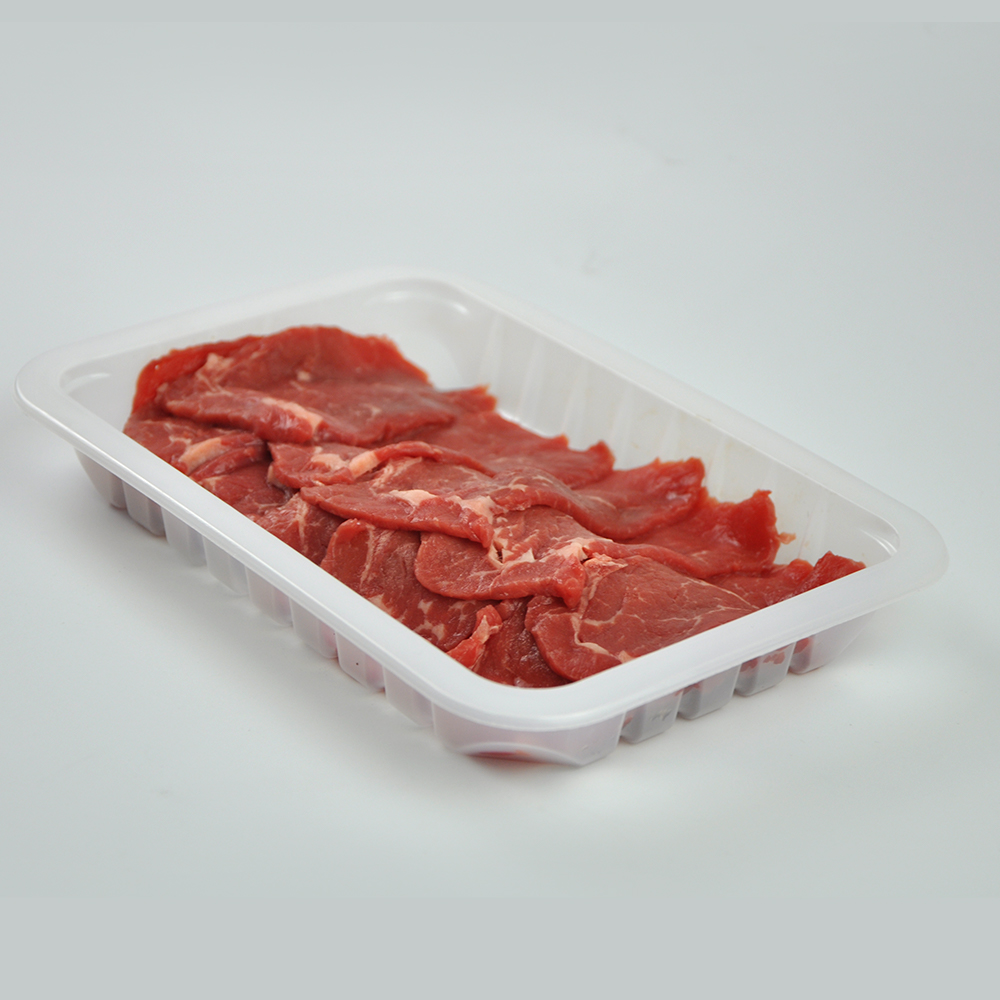
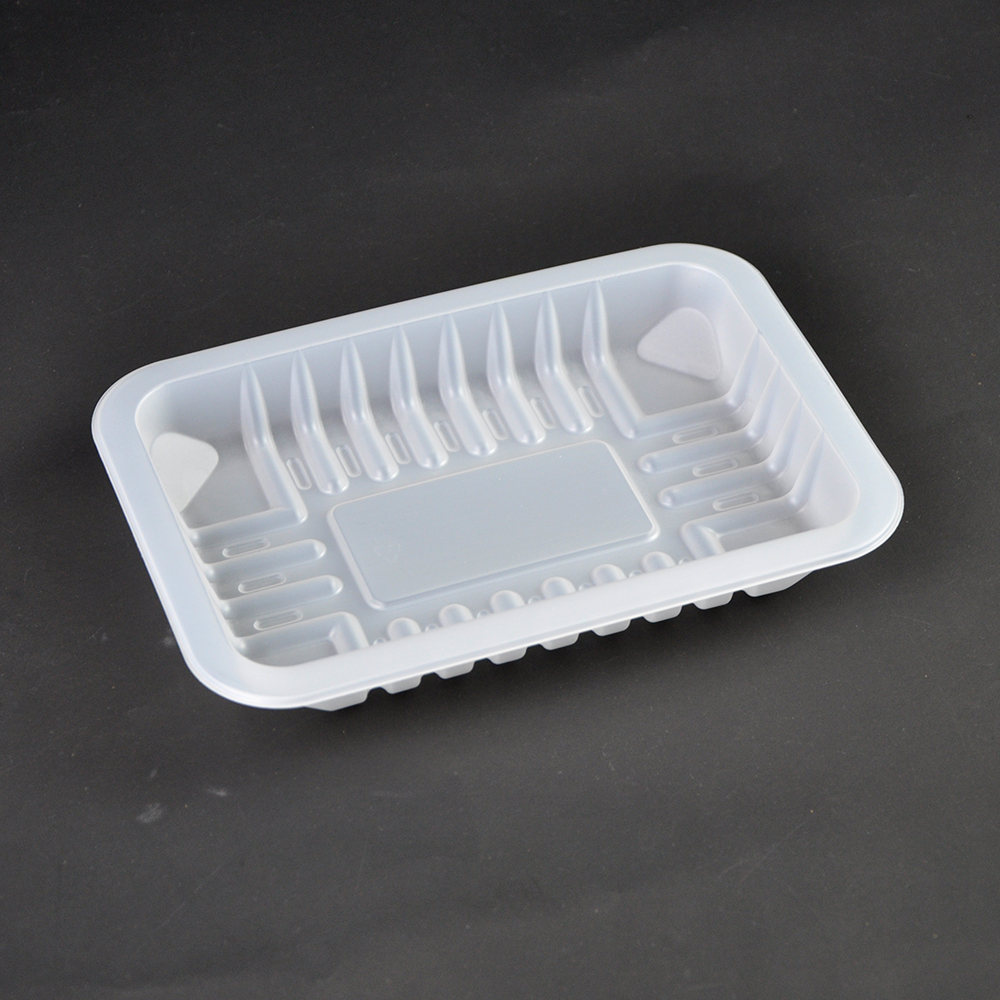
Modified atmosphere packaging (MAP) is a technique used to prolong the shelf life of perishable products by altering the atmosphere surrounding them. This process typically involves reducing oxygen levels and increasing carbon dioxide or nitrogen concentrations within the disposable food packaging. For B2B buyers, concerns often revolve around the material compatibility, effective sealing, cost implications, and the specific applications of MAP in preserving food quality. This article will delve into the cost factors, installation guidance, common issues and their solutions, applications, and the benefits of partnering with a reliable MAP supplier.
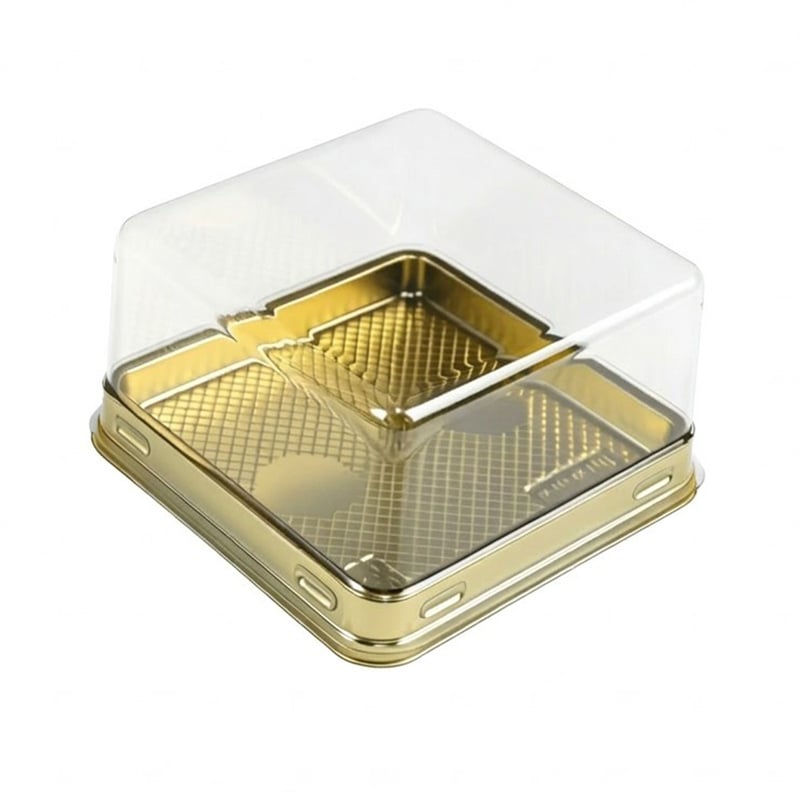
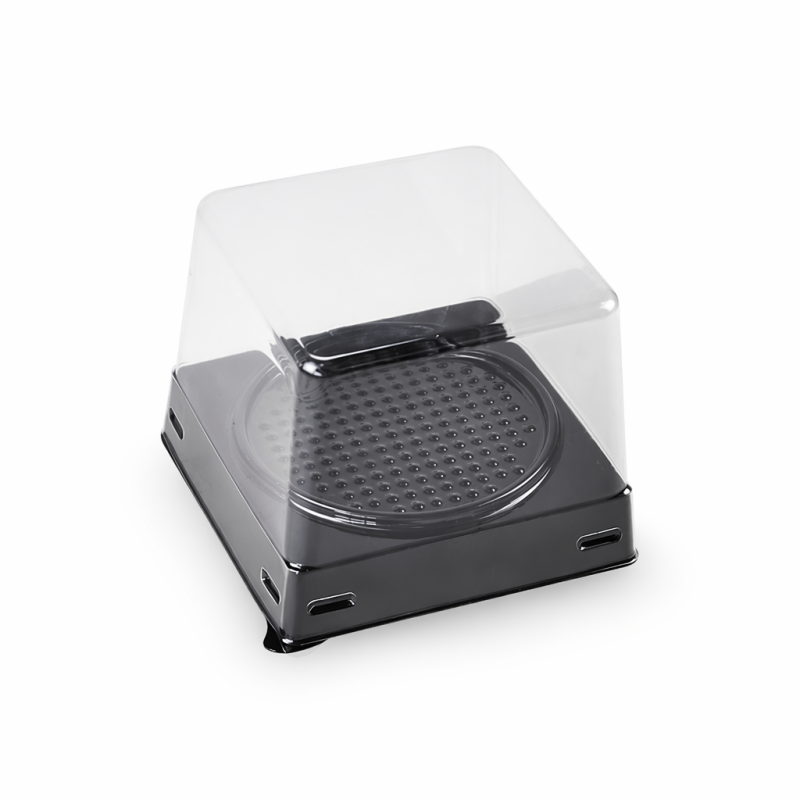
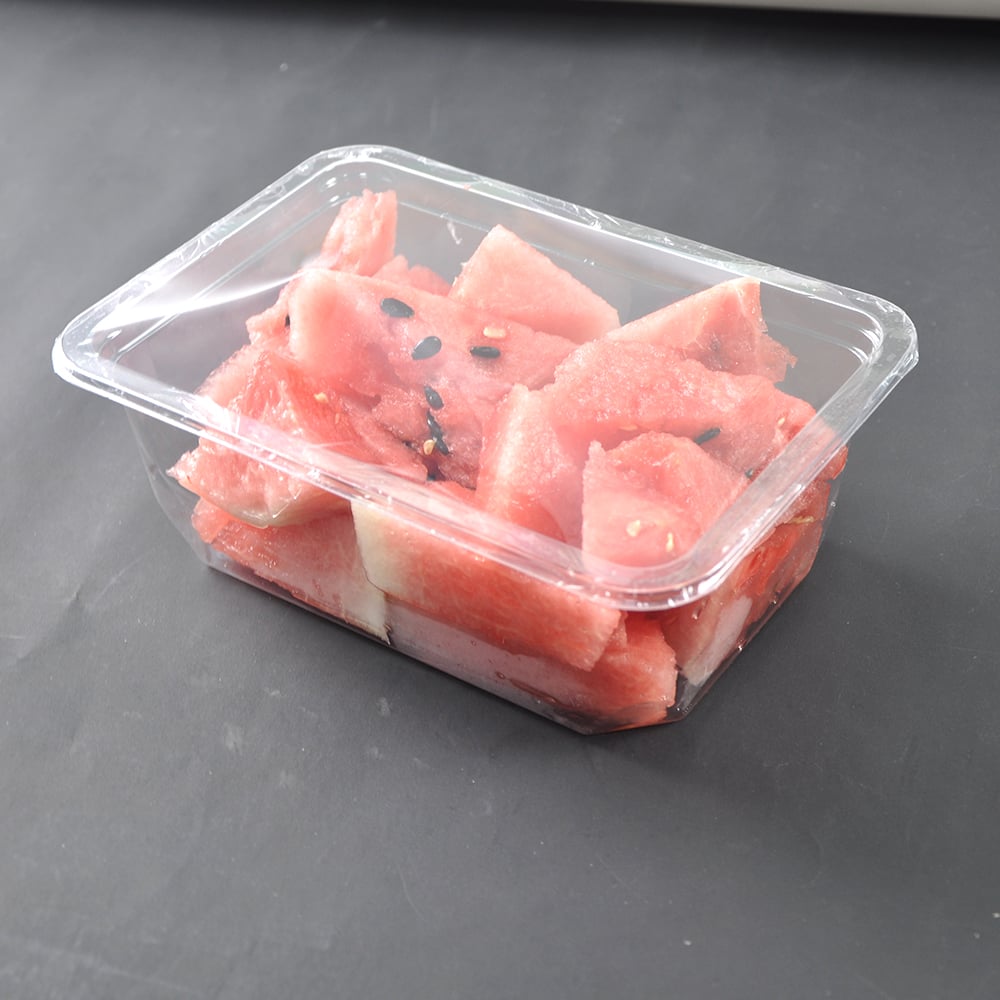
Key Specifications for Quality Modified Atmosphere Packaging Solutions
Installing a modified atmosphere packaging system requires careful planning and execution to ensure optimal performance. Here are some key considerations:
Site Assessment: Before installation, conduct a thorough assessment of the facility to identify the best location for the equipment. Consider factors such as space, ventilation, and proximity to production lines.
Equipment Setup: Follow the manufacturer’s guidelines for setup to ensure that all components, including sealing machines and gas flushing systems, are correctly calibrated. Properly trained personnel should handle the installation to minimize errors.
Testing Phase: After installation, perform trial runs to test the system's functionality. Monitor the atmosphere within the packaging to ensure that desired gas levels are achieved and maintained. This phase is crucial for identifying potential issues before full-scale production begins.
Maintenance Schedule: Establish a routine maintenance schedule to keep the equipment in optimal condition. Regular checks can prevent operational problems and prolong the lifespan of the machinery.