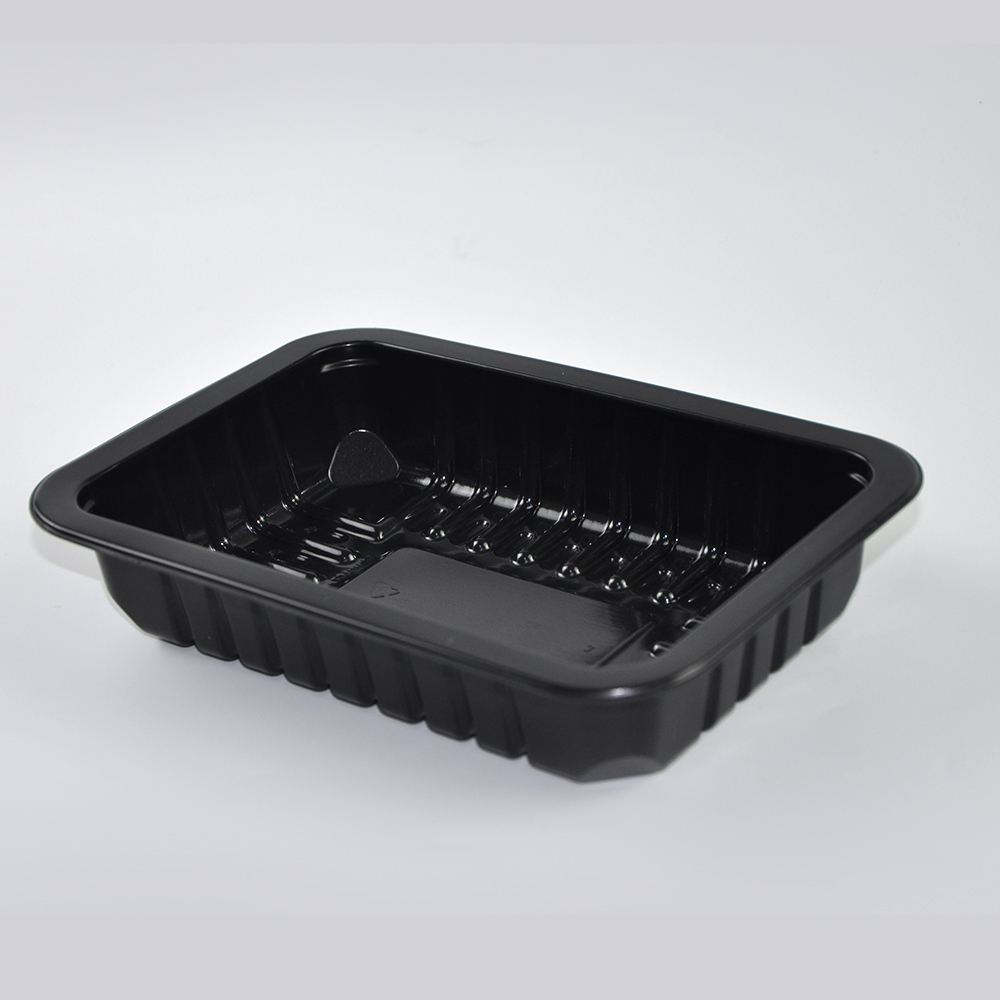
Modified Atmosphere Food Packaging Solutions

All Categories
Review Full Line Catalog

Modified atmosphere food packaging

Modified atmosphere food packaging (MAP) is a specialized technique designed to extend the shelf life of food products by altering the composition of gases surrounding them. This method is particularly relevant for B2B stakeholders in the food industry, such as purchasing managers and product managers, who prioritize product safety, quality, and sustainability in their supply chains. We will delve into the technical specifications that define modified atmosphere packaging, common challenges faced in its implementation, the diverse applications in the food industry, the advantages of various materials used, and essential tips for wholesale purchasing. 
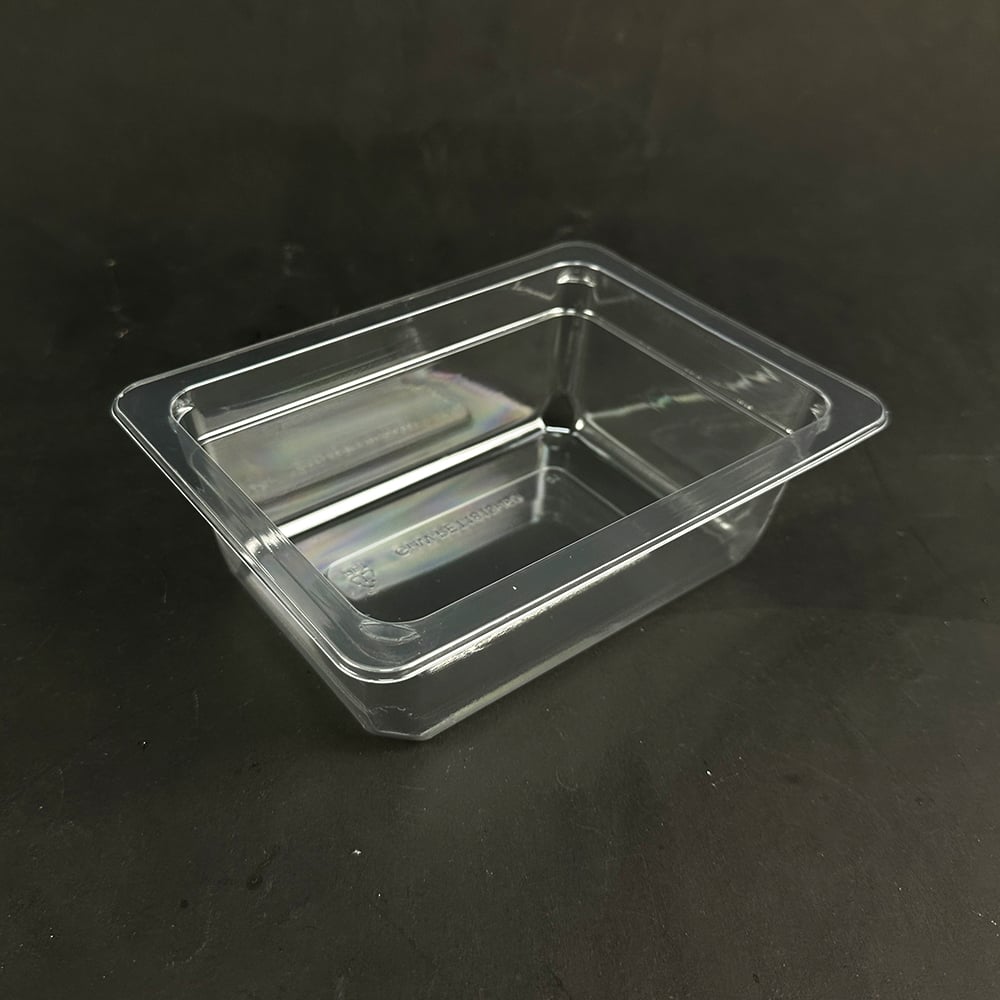
Common Problems with Modified Atmosphere Food Packaging and Solutions

Common Problems with Modified Atmosphere Food Packaging and Solutions

Despite its advantages, modified atmosphere packaging can present several challenges. Here are common issues and practical solutions: 

Gas Imbalance: Incorrect gas mixtures can lead to spoilage or undesirable changes in food quality. Regular monitoring and adjustments during production can help maintain the correct balance. It is advisable for buyers to work closely with manufacturers to establish the optimal gas composition for their products.  

Seal Failures: Inadequate sealing can compromise the integrity of the packaging, leading to gas escape and product spoilage. Implementing robust quality control measures, such as testing seal strength during production, can mitigate this risk. 

Material Compatibility: Some food products may react adversely with certain packaging materials, affecting taste and safety. Conducting compatibility tests during the sampling phase can help identify suitable materials before mass production. 

Supply Chain Disruptions: Variability in raw materials can lead to inconsistencies in food modified atmosphere packaging performance. Establishing strong relationships with reliable suppliers can improve consistency and quality. 

By addressing these common problems proactively, businesses can maintain the efficacy of modified atmosphere food packaging and ensure product longevity. 
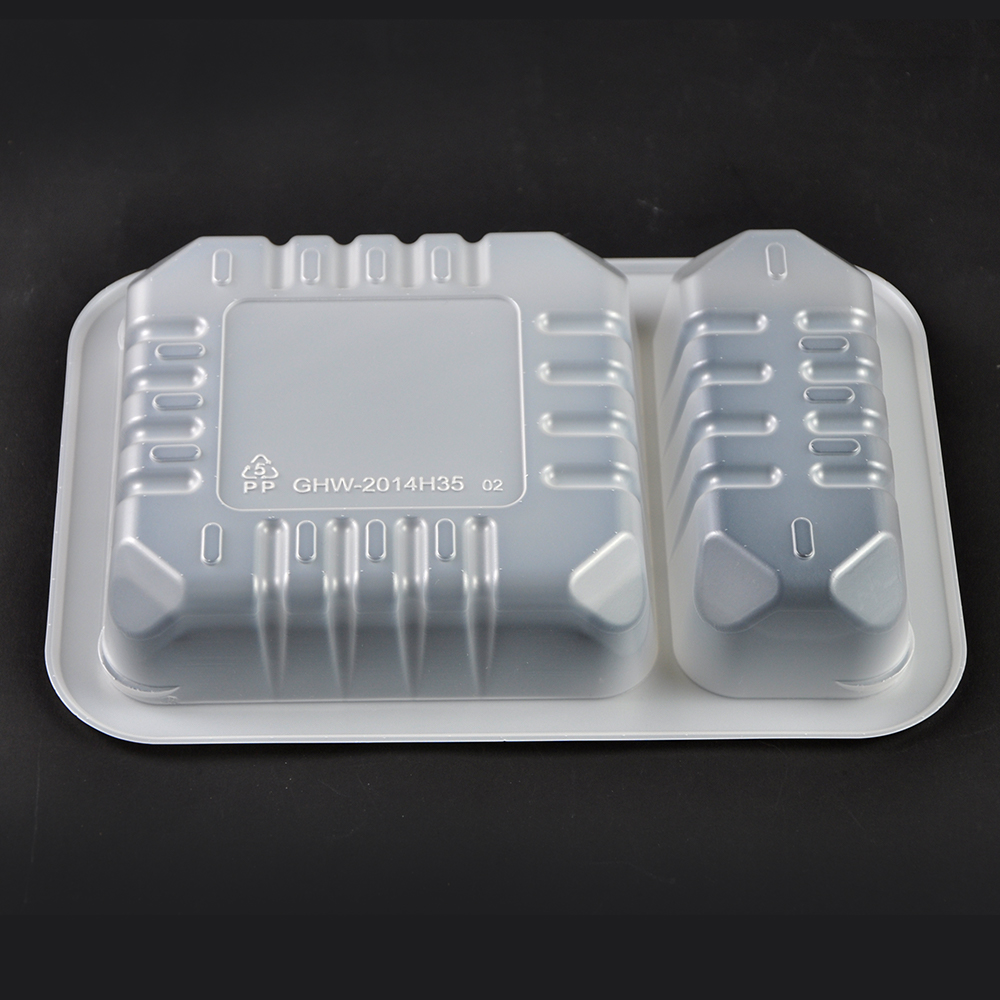
Exploring the Applications of Modified Atmosphere Packaging in Food Industry

Exploring the Applications of Modified Atmosphere Packaging in Food Industry

Modified atmosphere packaging finds diverse applications across the food industry. Here are some notable uses: 

Fresh Produce: MAP extends the shelf life of fruits and vegetables by reducing respiration rates and delaying ripening. This application is crucial for retailers aiming to minimize waste and maintain product quality. 

Meat and Seafood: Red meats benefit from high oxygen environments that enhance color, while seafood requires low oxygen levels to prevent spoilage. Understanding these needs is essential for product managers sourcing packaging solutions. 

Dairy Products: Modified atmosphere packaging is effective for cheese and yogurt, where maintaining freshness and flavor is paramount. It can help extend shelf life while preserving taste. 

Prepared Meals: For ready-to-eat products, MAP ensures longer shelf life without the need for preservatives, appealing to health-conscious consumers. This application is increasingly popular among food service providers. 

Snacks: Many snack foods use MAP to maintain crunchiness and prevent stale flavors. Choosing the right modified atmosphere packaging for meat material is key to preserving product integrity. 

Each application requires a tailored approach based on food type, shelf life expectations, and consumer preferences. Buyers should communicate these needs clearly when discussing options with suppliers. 

Evaluating Material Advantages in Modified Atmosphere Food Packaging

Evaluating Material Advantages in Modified Atmosphere Food Packaging

The choice of materials for modified atmosphere packaging significantly impacts product performance. Here are some common materials and their advantages: 

Polyethylene (PE): Known for its flexibility and moisture resistance, PE is a cost-effective option for many food products. It can be used in various formats, including bags and films. 

Polypropylene (PP): Offers excellent clarity and is resistant to heat, making it suitable for high-temperature applications. This material is often used for ready-to-eat meals and dairy products. 

Multilayer Films: These films combine various materials to achieve specific barrier properties, enhancing the preservation of freshness and extending shelf life. They are ideal for products requiring strict gas control. 

Biodegradable Options: As sustainability becomes a priority, biodegradable materials are gaining traction. These options can provide effective barriers while minimizing environmental impact. 

When evaluating materials, buyers should consider factors such as the specific food application, required shelf life, and environmental sustainability efforts. Collaborating with manufacturers like Zhejiang Qunlu New Material Co., Ltd. can help identify the most suited materials for particular needs. 

Wholesale Purchasing Tips for Modified Atmosphere Food Packaging

When purchasing modified atmosphere food packaging in bulk, several key considerations can ensure a successful transaction: 

Minimum Order Quantities (MOQ): Understand the manufacturer's MOQ, as this can affect overall project costs. Be prepared to discuss your anticipated needs to negotiate favorable terms. 

Customization Requirements: If your product requires specific sizes, shapes, or branding, communicate these needs clearly to the supplier. Customization can enhance brand identity and product appeal. 

Sample Approval: Always request samples before committing to a large order. Testing the samples under actual conditions will allow you to evaluate performance, seal integrity, and product compatibility. 

Lead Time and Delivery: Inquire about production lead times and shipping schedules, especially if you have tight deadlines. Establishing clear timelines helps manage expectations and ensures timely delivery. 

Quality Assurance Processes: Confirm the quality control measures in place at the manufacturing facility. Understanding their inspection processes can provide confidence in the product's reliability. 

Pricing Factors: Discuss pricing openly, considering factors such as material costs, customization, and order volume. Be aware that the lowest price may not always equate to the best overall value. 

By taking these steps, purchasing managers can navigate the complexities of sourcing modified atmosphere food packaging, securing products that meet both quality and cost expectations.    

Key Technical Specifications for Modified Atmosphere Packaging

Modified atmosphere food packaging typically involves adjusting the levels of oxygen, carbon dioxide, and nitrogen within the packaging to create an environment that slows down spoilage and microbial growth. Key specifications to consider when evaluating MAP products include: 

Gas Composition: The ideal gas mixture varies depending on the food type. For example, high oxygen levels can enhance the color of red meat, while reduced oxygen levels are required for products like fresh fish to minimize oxidation. 

Barrier Properties: The material's permeability to gases is critical. Packaging must effectively block oxygen while allowing for the exchange of carbon dioxide to maintain the desired atmosphere. Common materials include polyethylene, polypropylene, and multilayer films that offer tailored barrier properties. 

Seal Integrity: A strong seal is essential to prevent gas exchange and maintain the modified atmosphere. Buyers should assess the sealing methods used, such as heat sealing or adhesive bonding, to ensure they meet specific application needs. 

Thickness and Structure: The thickness of the packaging material can affect both the barrier performance and the overall durability. It’s important for buyers to understand how thickness influences product protection during transportation and storage. 

Compliance and Certifications: Ensure that the disposable food packaging materials comply with relevant safety standards, such as FDA regulations, to guarantee that they are safe for food contact. 

Understanding these specifications will guide buyers in selecting the most suitable modified atmosphere packaging for their specific food products, enhancing both safety and shelf life. 

Frequently Asked Questions

What is modified atmosphere food packaging?

A packaging method that replaces air inside containers with specific gas mixes to extend shelf life and preserve food quality, used in our thermoformed cups, trays, clamshells, and containers.
Our MA packaging is applied to thermoformed cups, trays, clamshells and containers tailored for fresh produce, meat, ready meals and bakery items.
Yes. We hold FDA, BRC and ISO certifications, and materials are produced and tested to meet international food safety standards.
Yes. We provide both OEM and ODM solutions, customizing designs, sizes, and gas barrier properties to suit brand requirements and production needs.
We optimize material use, employ efficient German/Japanese thermoforming lines, and offer recyclable material options while maintaining safety and product protection.

Related product categories

Get a Free Quote

Our representative will contact you soon.
Email
Name
Company Name
Message
0/1000
Attachment
Please upload at least an attachment
Upload up to 3 files (maximum 30 MB). Supported formats: JPG, JPEG, PNG, PDF, DOC, DOCX, XLS, XLSX, CSV, TXT, STP, STEP, IGS, X_T, DXF, PRT, SLDPRT, SAT, RAR, ZIP.