EN
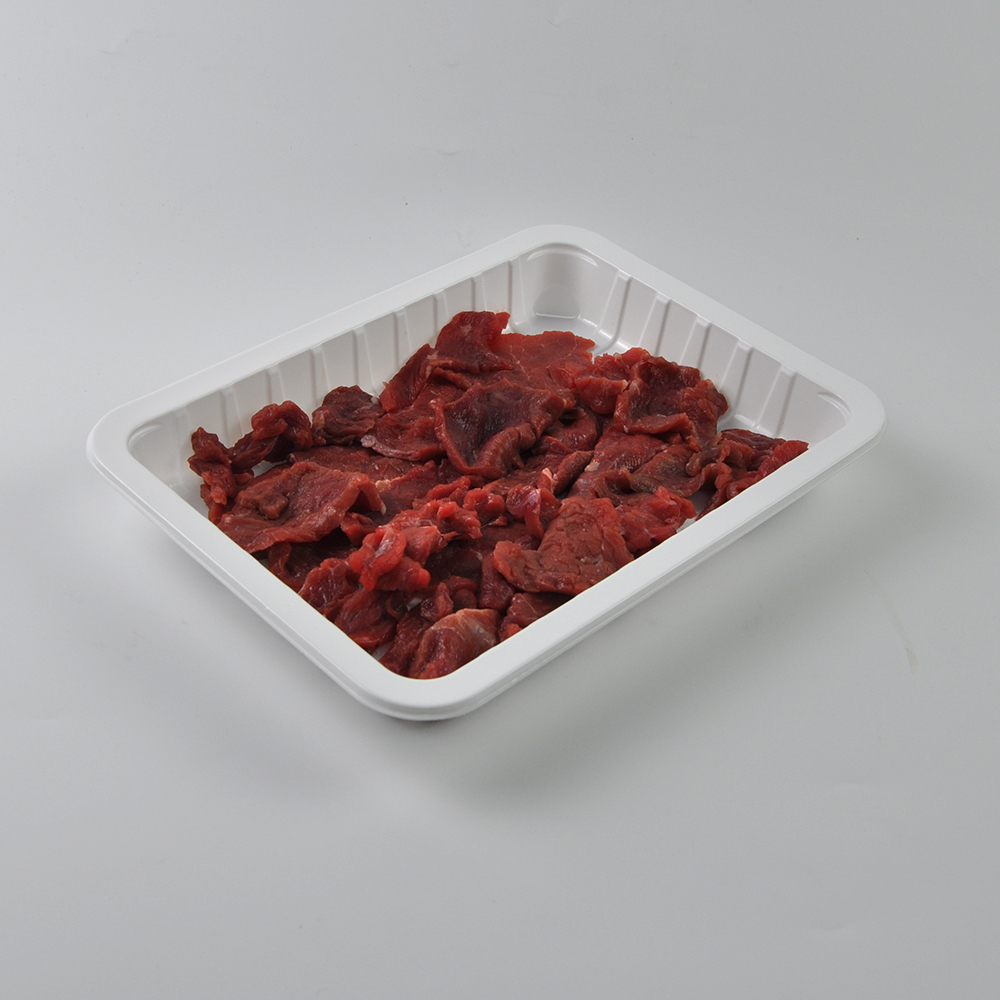
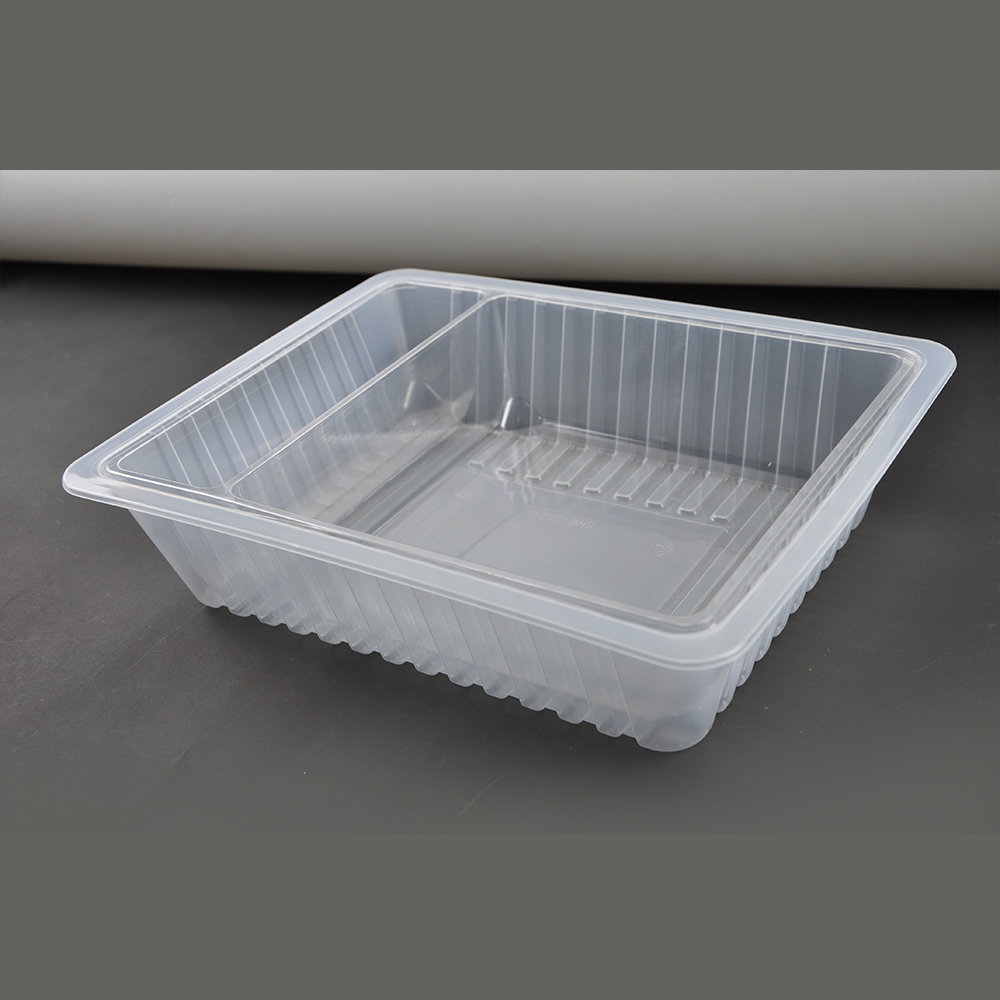
Modified atmosphere packaging (MAP) is a critical technology used to extend the shelf life of food products by modifying the composition of gases surrounding the product. This method helps maintain freshness, prevent spoilage, and enhance product safety, which are primary concerns for B2B buyers in the food packaging industry. We will explore key considerations for selecting the right modified atmosphere food packaging solutions, supplier evaluation, installation guidance, applications across various industries, and the advantages of using MAP packaging materials.
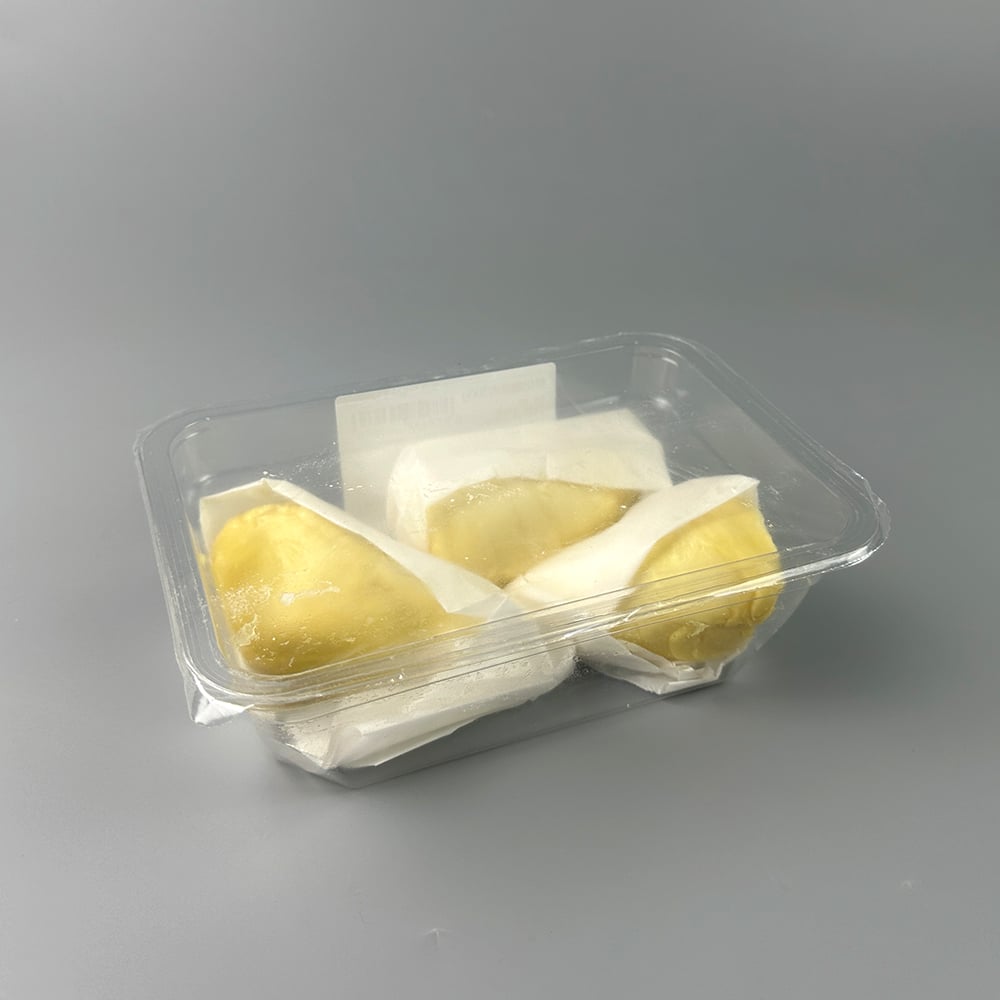
How to Compare Modified Atmosphere Packaging Suppliers Effectively
When evaluating suppliers of modified atmosphere packaging, consider the following criteria:
Certifications and Compliance: Look for suppliers with relevant certifications such as FDA, BRC, and ISO. These certifications indicate adherence to strict quality and safety standards, which are vital in the food packaging industry.
Manufacturing Capabilities: Assess the supplier's production capabilities, including the technology used (e. g., German/Japanese thermoforming lines) and their ability to produce customized solutions. A supplier with advanced manufacturing capabilities can better meet specific requirements and adapt to changing market needs.
Customer Support and Expertise: Engage with potential suppliers to understand their level of expertise in MAP. A knowledgeable supplier can provide valuable insights on material selection, gas composition, and best practices for packaging processes. Their willingness to collaborate on customized solutions can also indicate a strong partnership potential.
Lead Times and Minimum Order Quantities (MOQ): Understand the supplier's lead times and MOQs to ensure they align with your production schedules. Reliable suppliers will provide clear timelines and flexibility to accommodate your needs.