EN

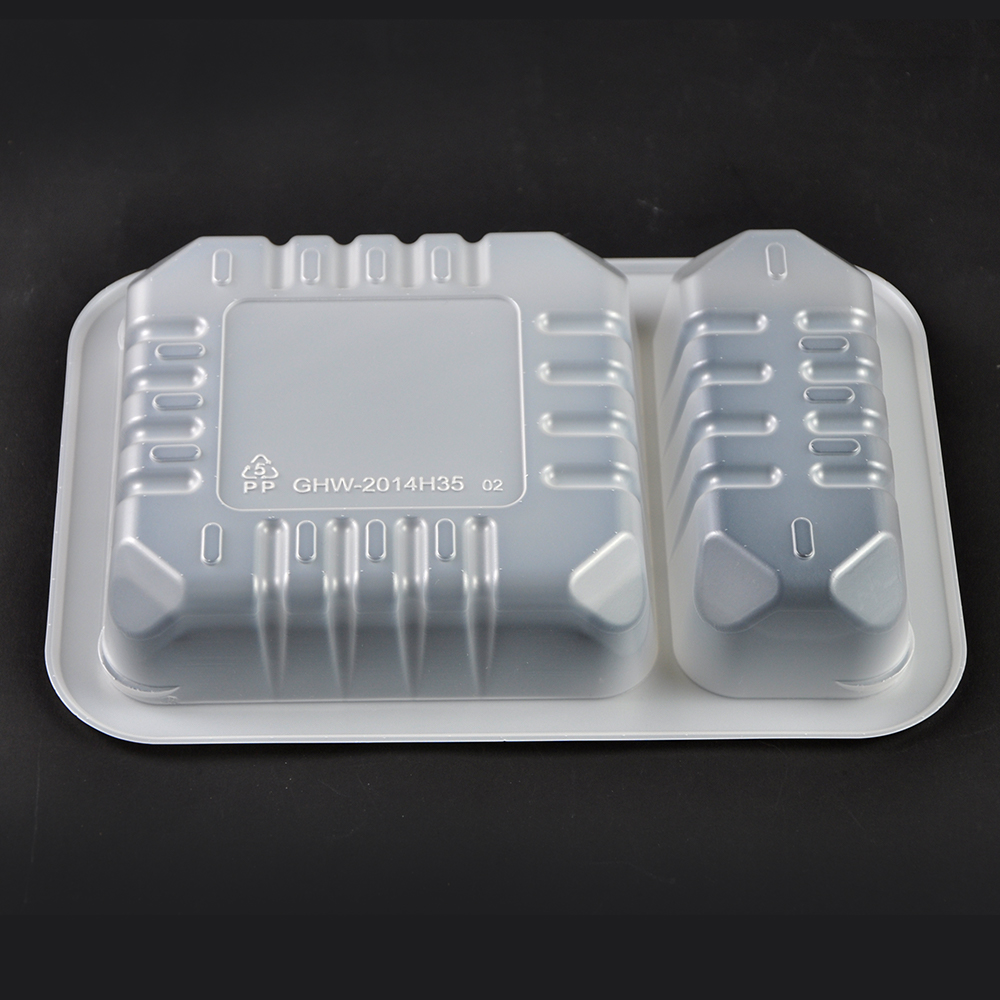
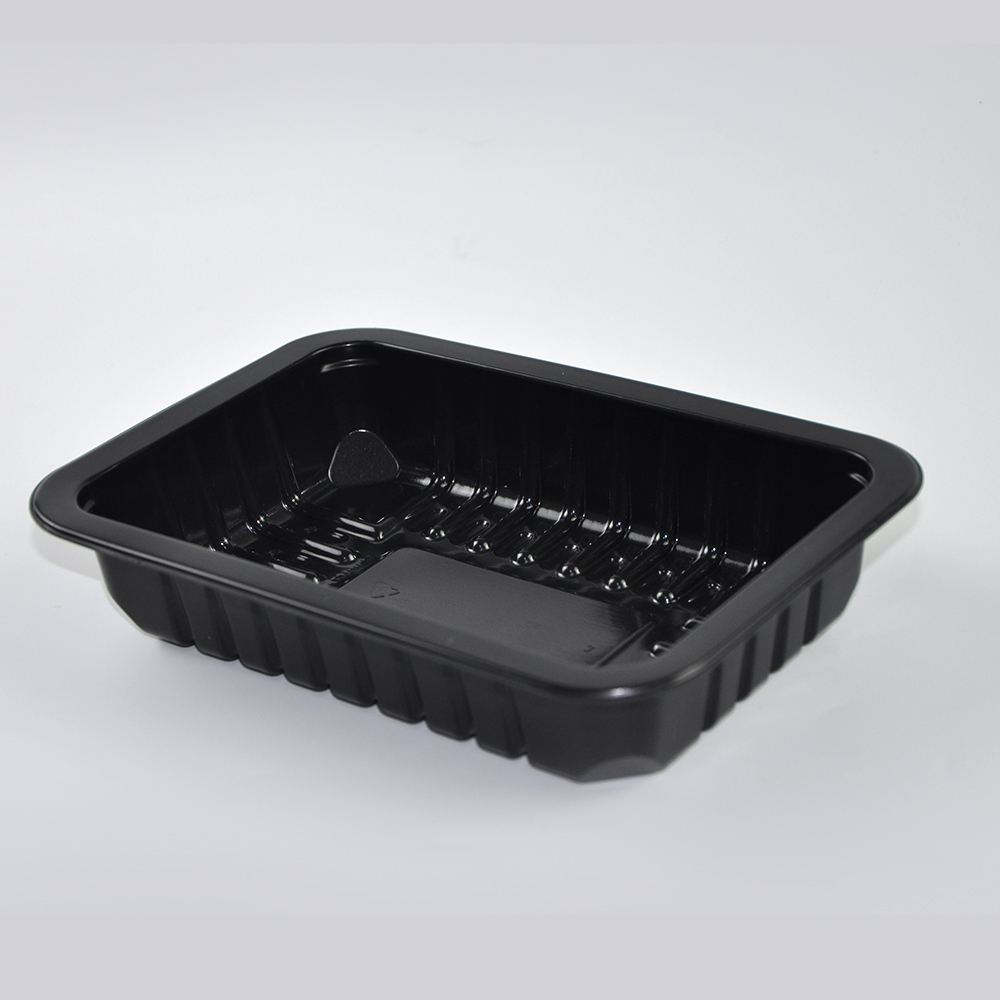
Modified atmosphere food packaging (MAP) is a specialized technique designed to extend the shelf life of food products by altering the composition of gases surrounding them. This method is particularly relevant for B2B stakeholders in the food industry, such as purchasing managers and product managers, who prioritize product safety, quality, and sustainability in their supply chains. We will delve into the technical specifications that define modified atmosphere packaging, common challenges faced in its implementation, the diverse applications in the food industry, the advantages of various materials used, and essential tips for wholesale purchasing.
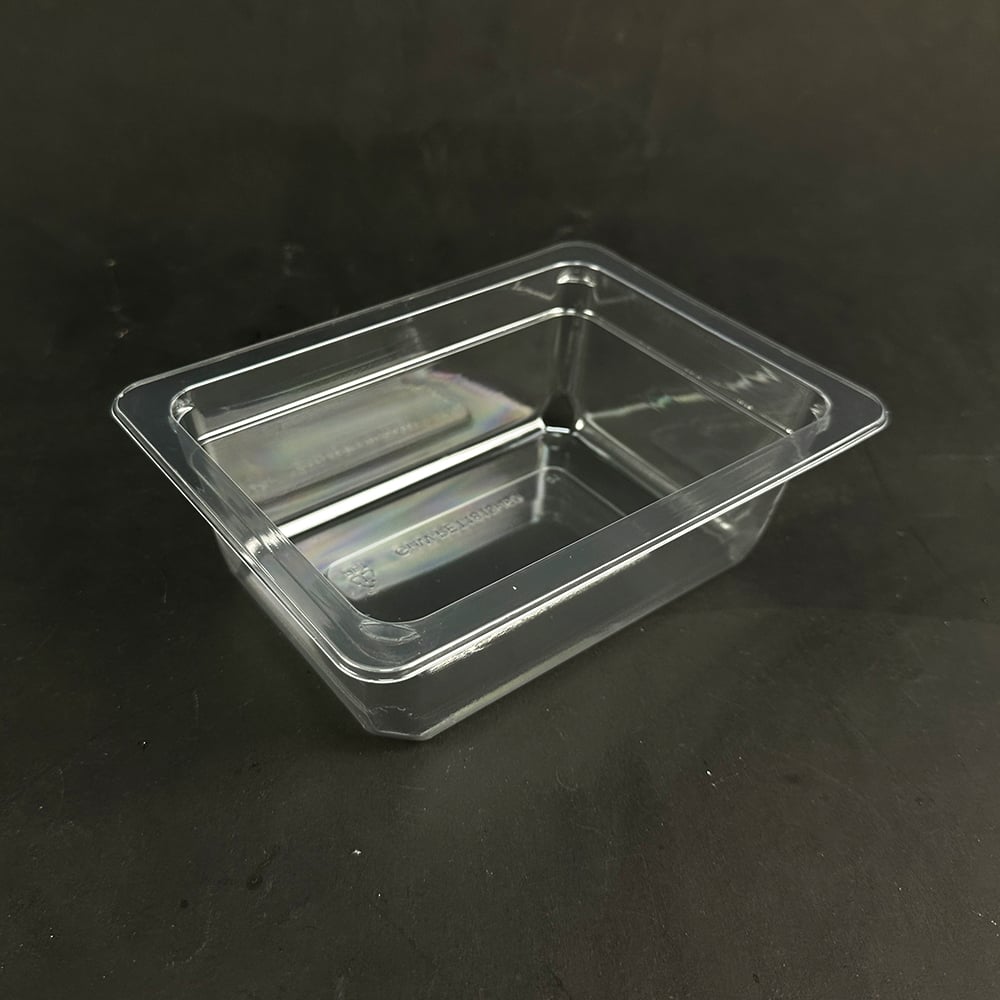
Common Problems with Modified Atmosphere Food Packaging and Solutions
Despite its advantages, modified atmosphere packaging can present several challenges. Here are common issues and practical solutions:
Gas Imbalance: Incorrect gas mixtures can lead to spoilage or undesirable changes in food quality. Regular monitoring and adjustments during production can help maintain the correct balance. It is advisable for buyers to work closely with manufacturers to establish the optimal gas composition for their products.
Seal Failures: Inadequate sealing can compromise the integrity of the packaging, leading to gas escape and product spoilage. Implementing robust quality control measures, such as testing seal strength during production, can mitigate this risk.
Material Compatibility: Some food products may react adversely with certain packaging materials, affecting taste and safety. Conducting compatibility tests during the sampling phase can help identify suitable materials before mass production.
Supply Chain Disruptions: Variability in raw materials can lead to inconsistencies in food modified atmosphere packaging performance. Establishing strong relationships with reliable suppliers can improve consistency and quality.
By addressing these common problems proactively, businesses can maintain the efficacy of modified atmosphere food packaging and ensure product longevity.