EN

Modified atmosphere packaging (MAP) for meat is an advanced technology designed to extend the shelf life and maintain the quality of meat products by altering the composition of gases in the disposable food packaging. As purchasing managers and distributors in the meat industry, ensuring the freshness and safety of your products is paramount. This article will explore the key benefits of MAP, compare packaging options, discuss essential specifications, highlight common challenges and solutions, and outline various applications within the meat sector.
Comparing Modified Atmosphere Packaging Options for Meat Products
When selecting modified atmosphere packaging options for meat, it’s essential to consider various formats and materials:
Barrier Properties: Different films and materials offer varying levels of oxygen and moisture barrier properties. For example, high-barrier films are beneficial for vacuum-sealed products, while breathable films may be more suitable for fresh cuts to maintain moisture balance.
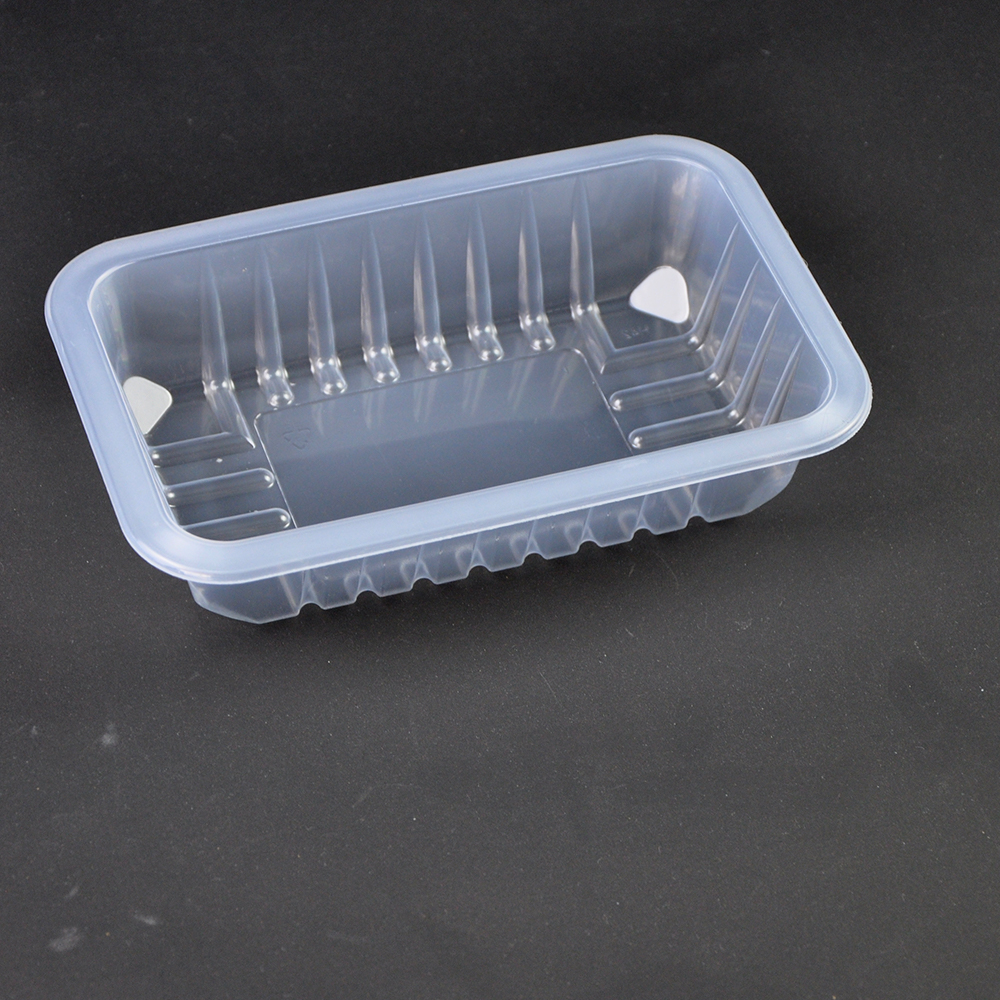
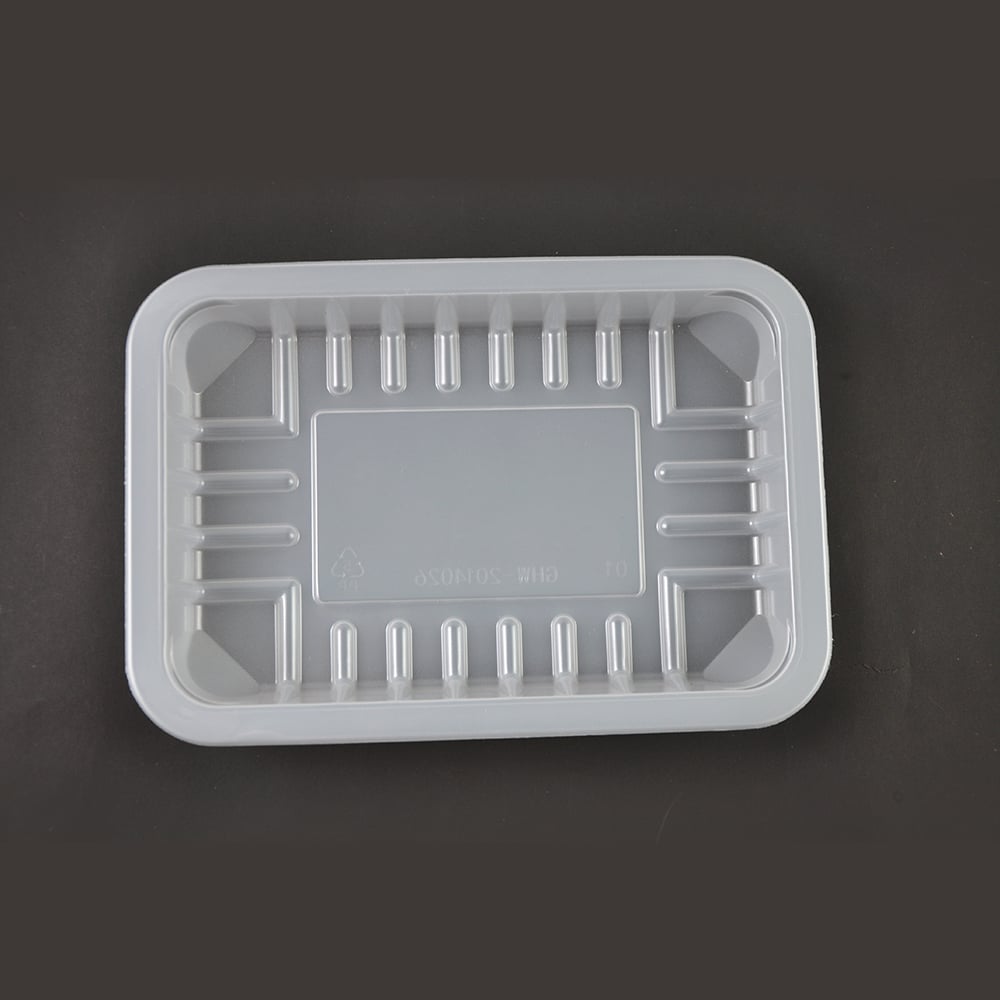
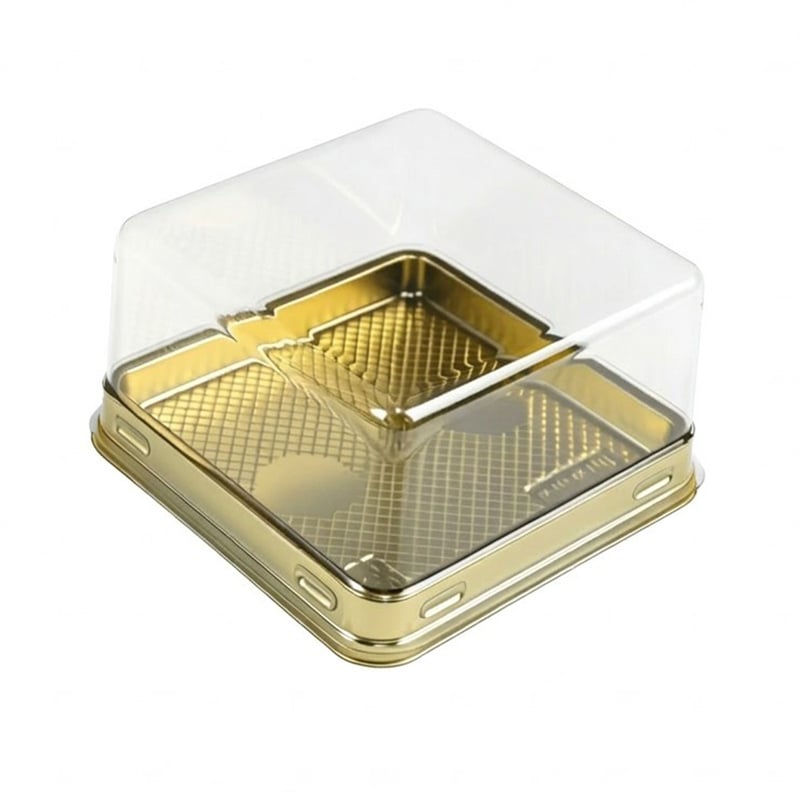
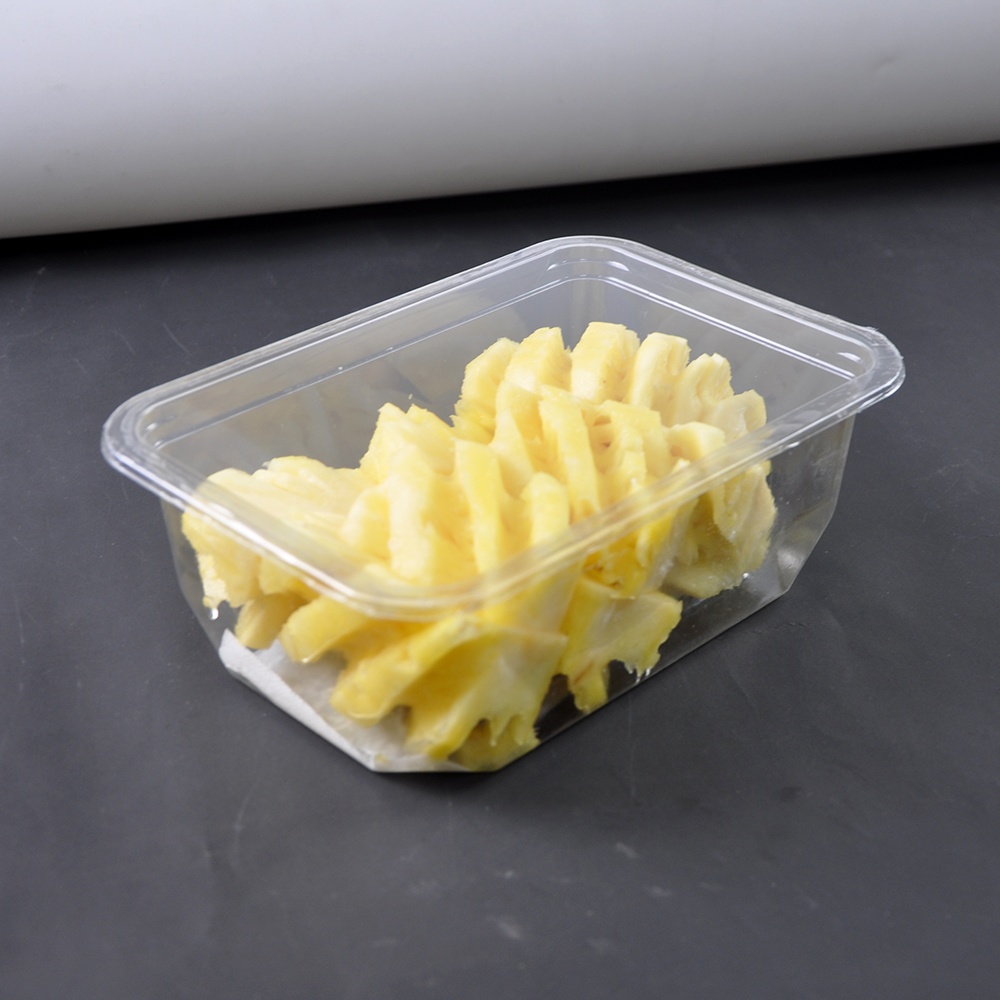
Packaging Formats: Options include trays, clamshells, and vacuum bags. Trays are often used for retail displays, while vacuum bags are ideal for bulk storage and shipping. Clamshells provide visibility while protecting products.
Gas Composition: The gas mixture used in MAP can vary based on the type of meat. For red meat, a common mixture includes 80% oxygen and 20% carbon dioxide, whereas poultry may utilize different ratios to optimize freshness.
Sealing Technology: Consider the sealing technology employed, such as heat sealing or ultrasonic sealing, as this can impact the integrity of the package and its ability to maintain the modified atmosphere.
Evaluating these factors against your specific requirements will help you select the most appropriate MAP solution for your meat products.