EN
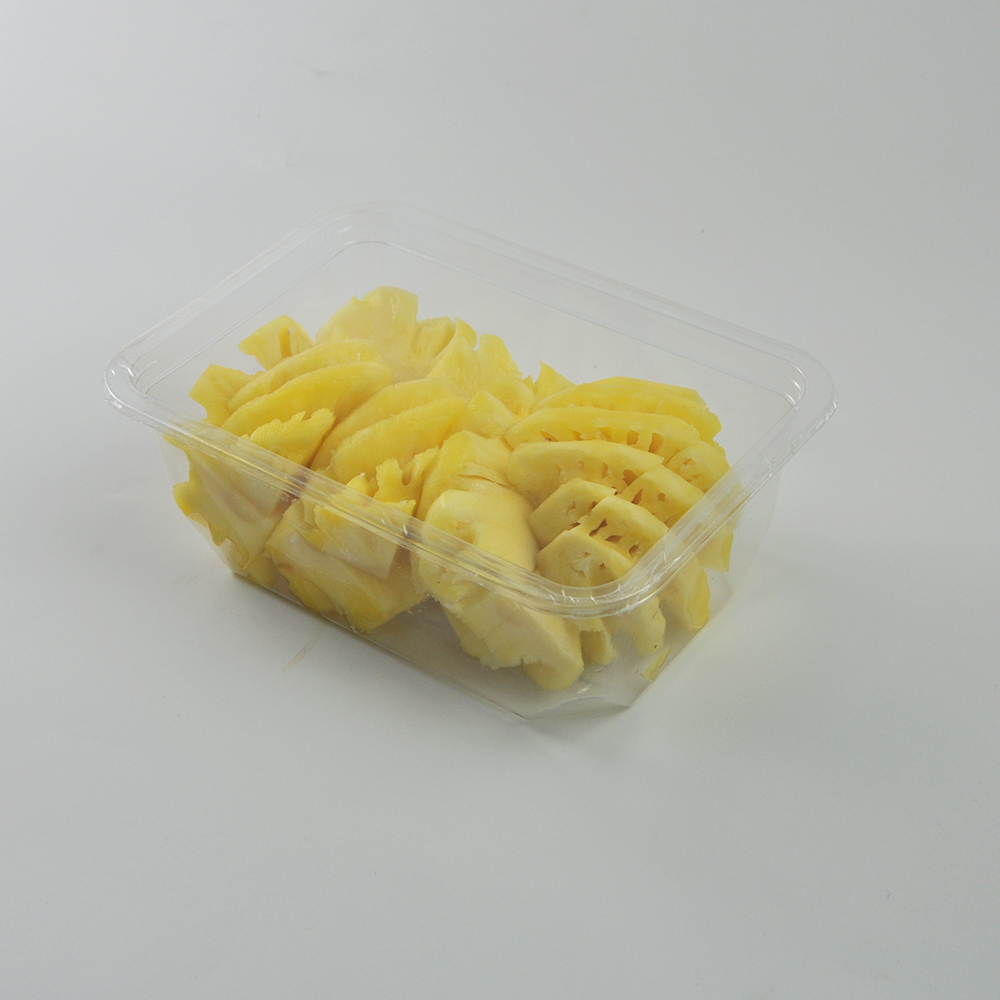
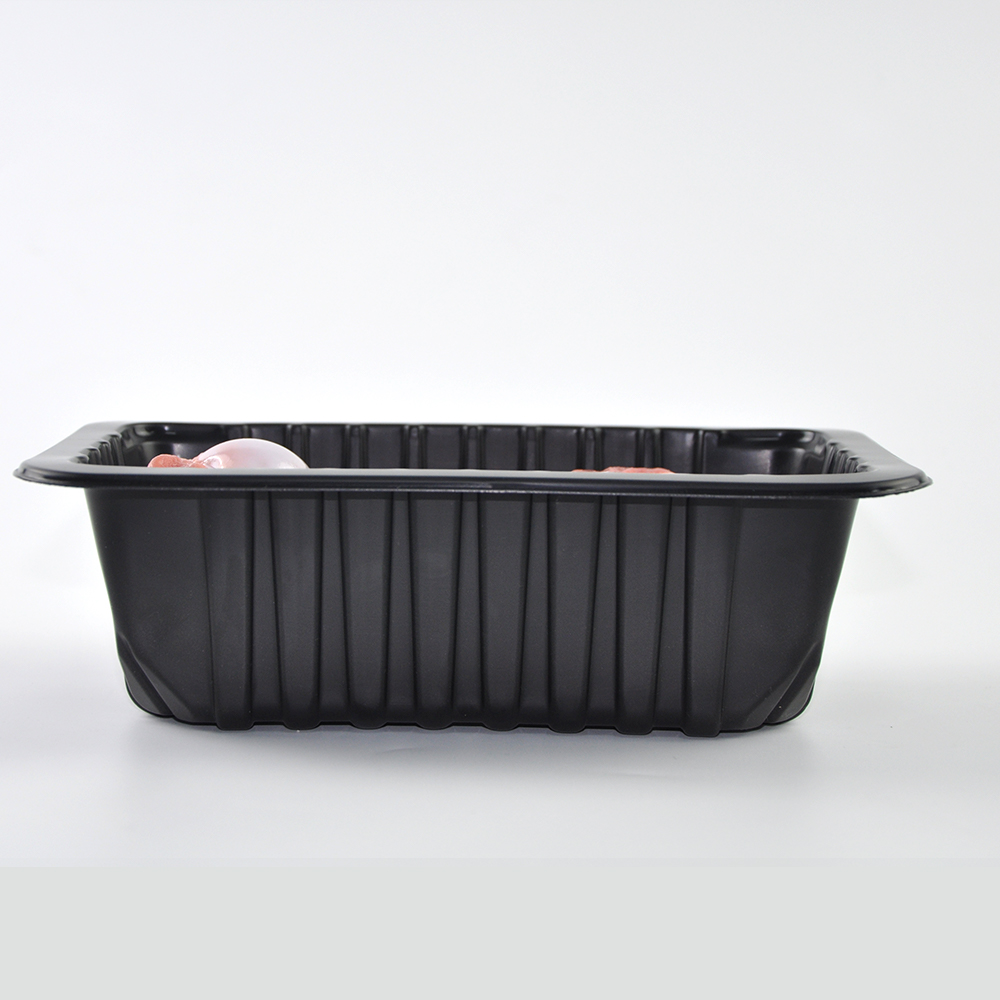
Map packaging is an essential solution in the food packaging industry, providing a means to safely and sustainably package a variety of food products. As a B2B buyer, you may have concerns regarding material integrity, cost efficiency, compliance with regulations, and the environmental impact of your packaging choices. This article will address these concerns by offering insights into selecting the appropriate map packaging for your business needs, comparing cost factors, identifying common problems and their solutions, providing installation guidance, and exploring the diverse applications of map packaging across various industries.
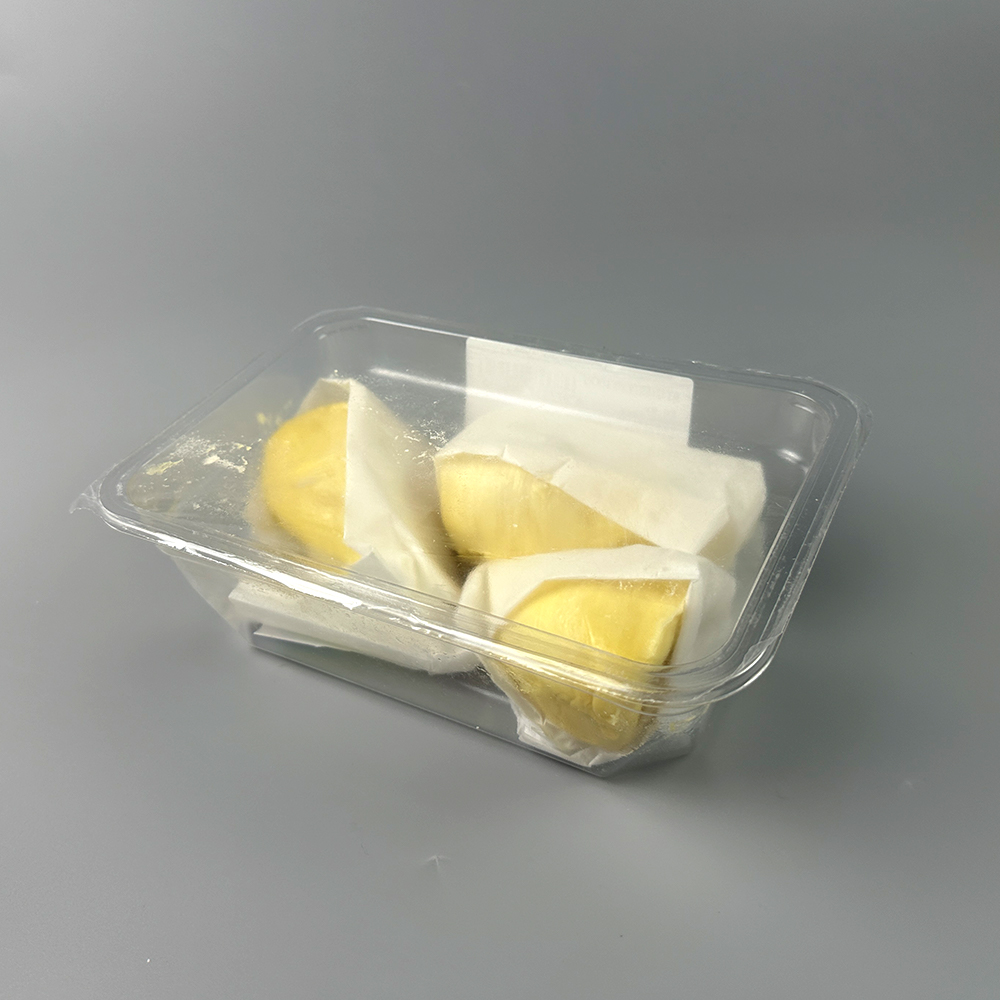
Comparing Cost Factors in Map Packaging for Bulk Orders
Cost is a critical consideration when purchasing map packaging, particularly for bulk orders. Several factors influence pricing, including material choice, production volume, and customization requirements. Generally, the greater the quantity ordered, the lower the per-unit cost. This is due to economies of scale in manufacturing processes.
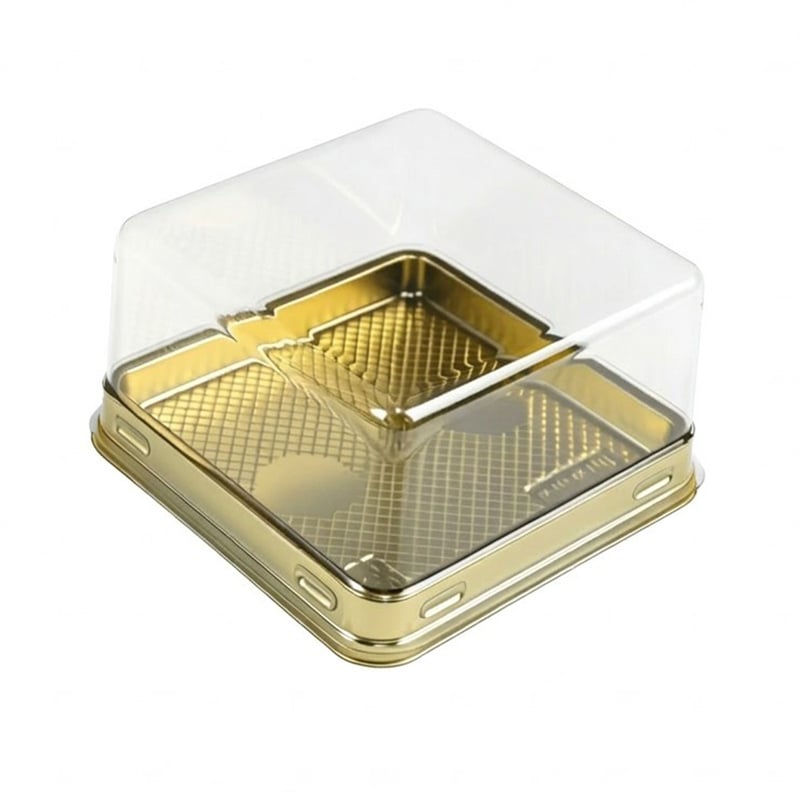
Moreover, custom designs or unique dimensions may incur additional costs. For example, if you need a specific clamshell design for a new product line, consider the setup costs for producing new molds. To budget effectively, it’s advisable to prepare a detailed RFQ that includes your expected order volume, required specifications, and any special features.
Lastly, consider the total cost of ownership, which encompasses not only the purchase price but also logistics, storage, and potential waste. High-quality map packaging can reduce spoilage and maintain product integrity, ultimately saving costs in the long run.