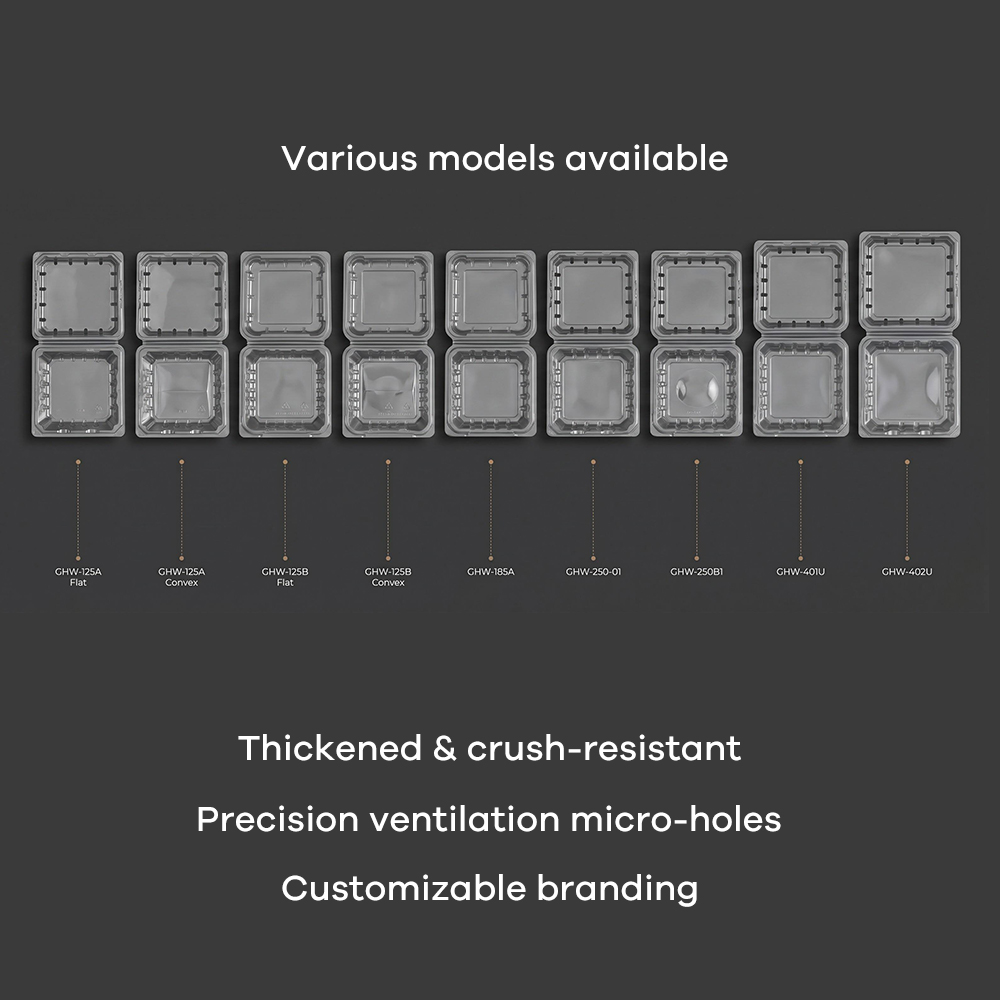
Choosing Raspberry Clamshell Packaging for Quality

All Categories
Review Full Line Catalog

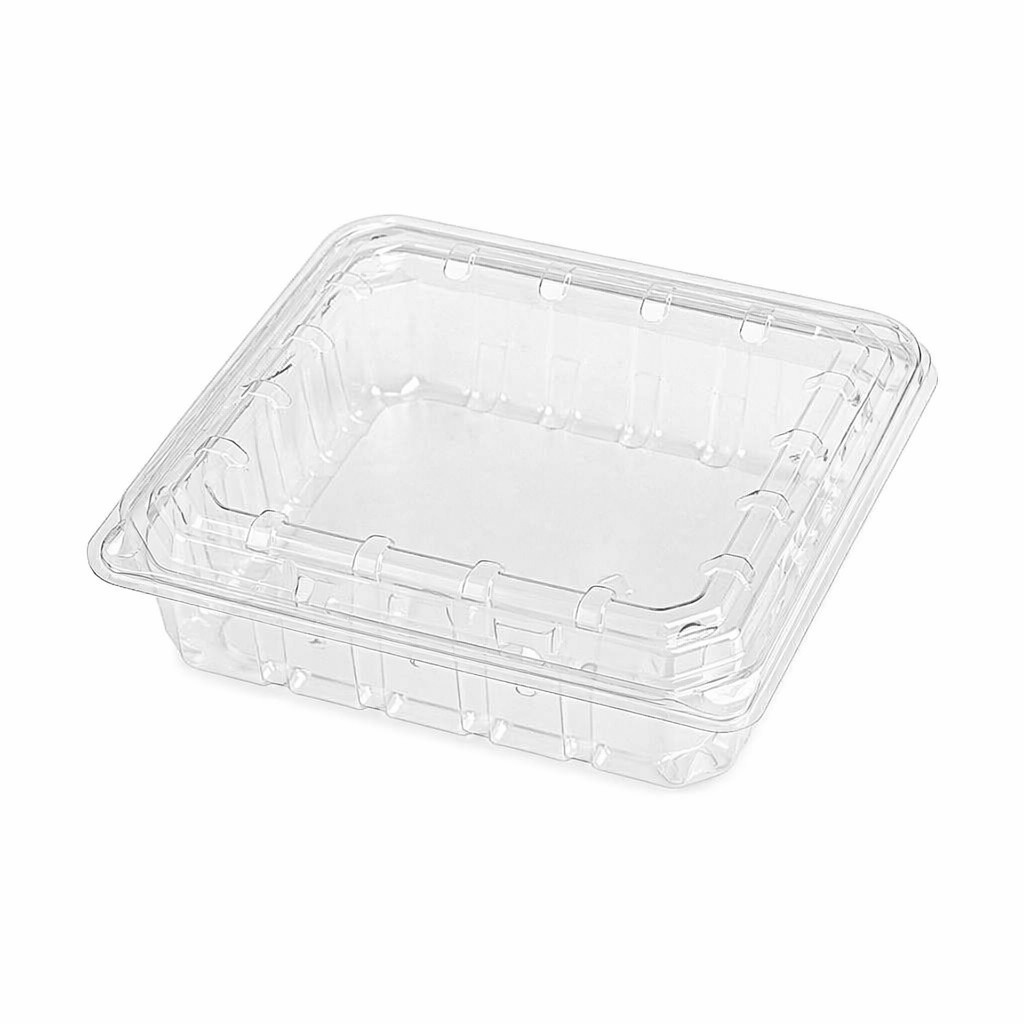
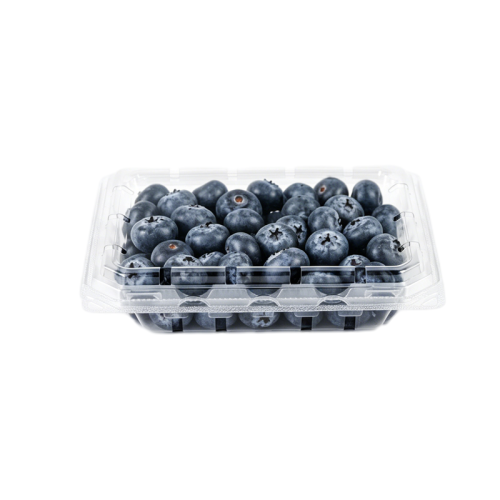
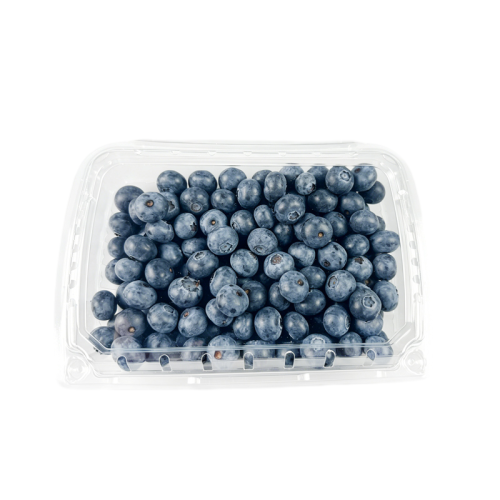
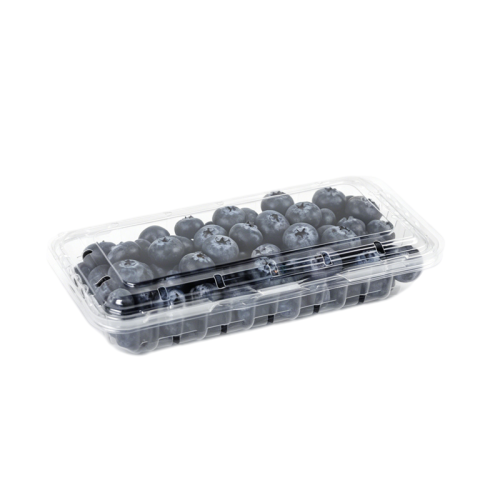
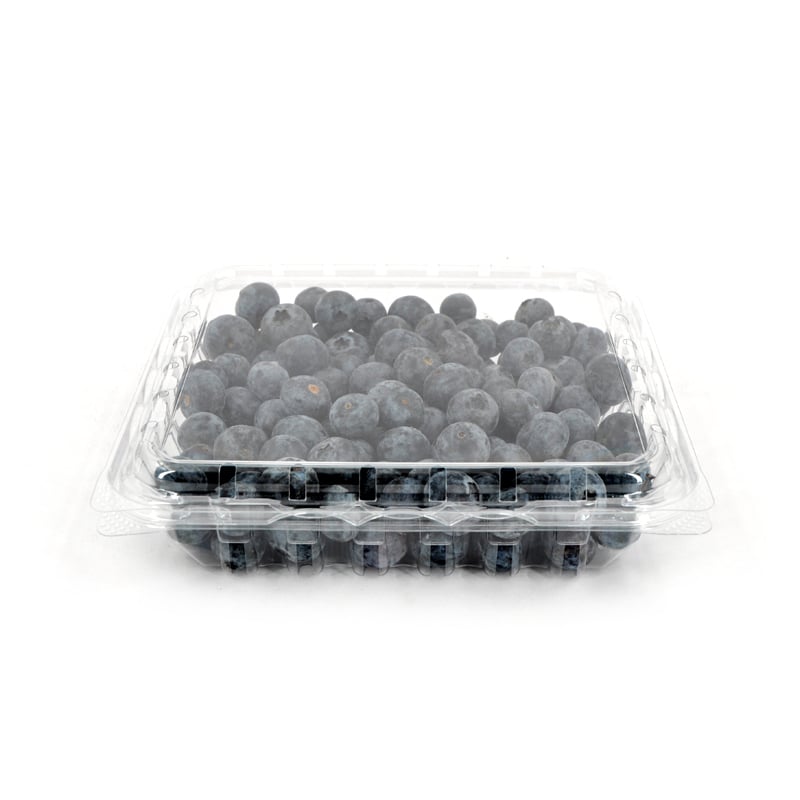
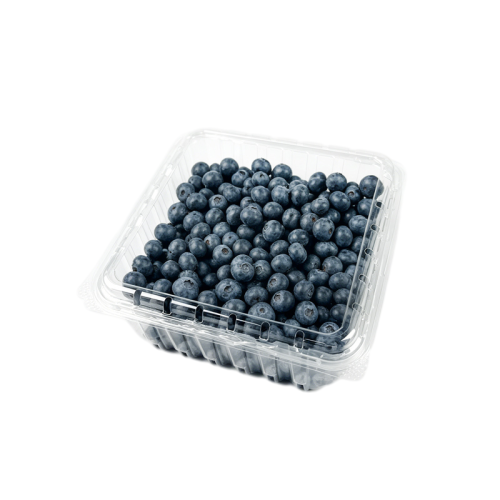
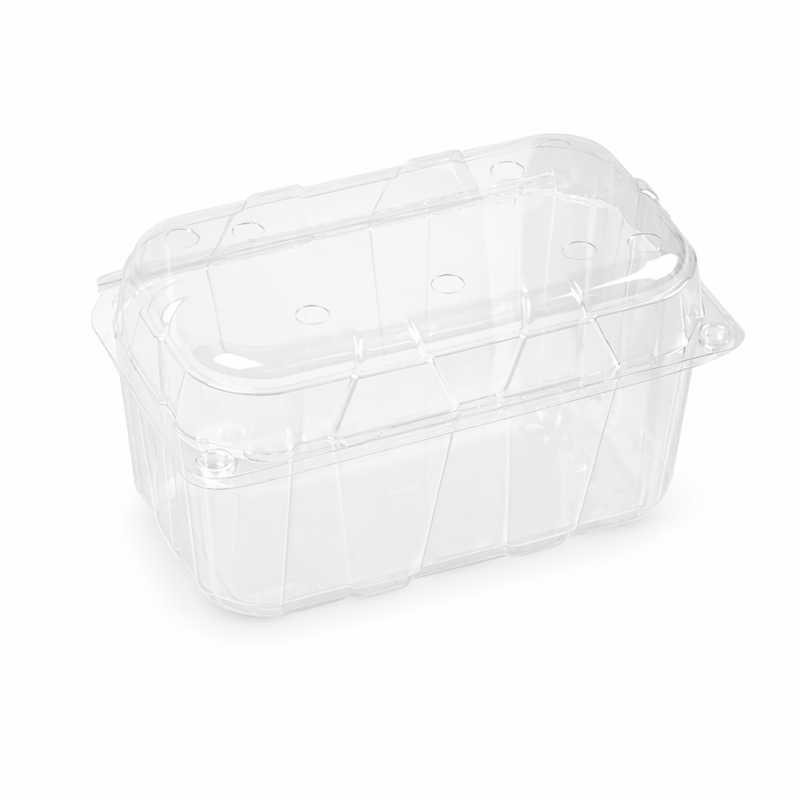
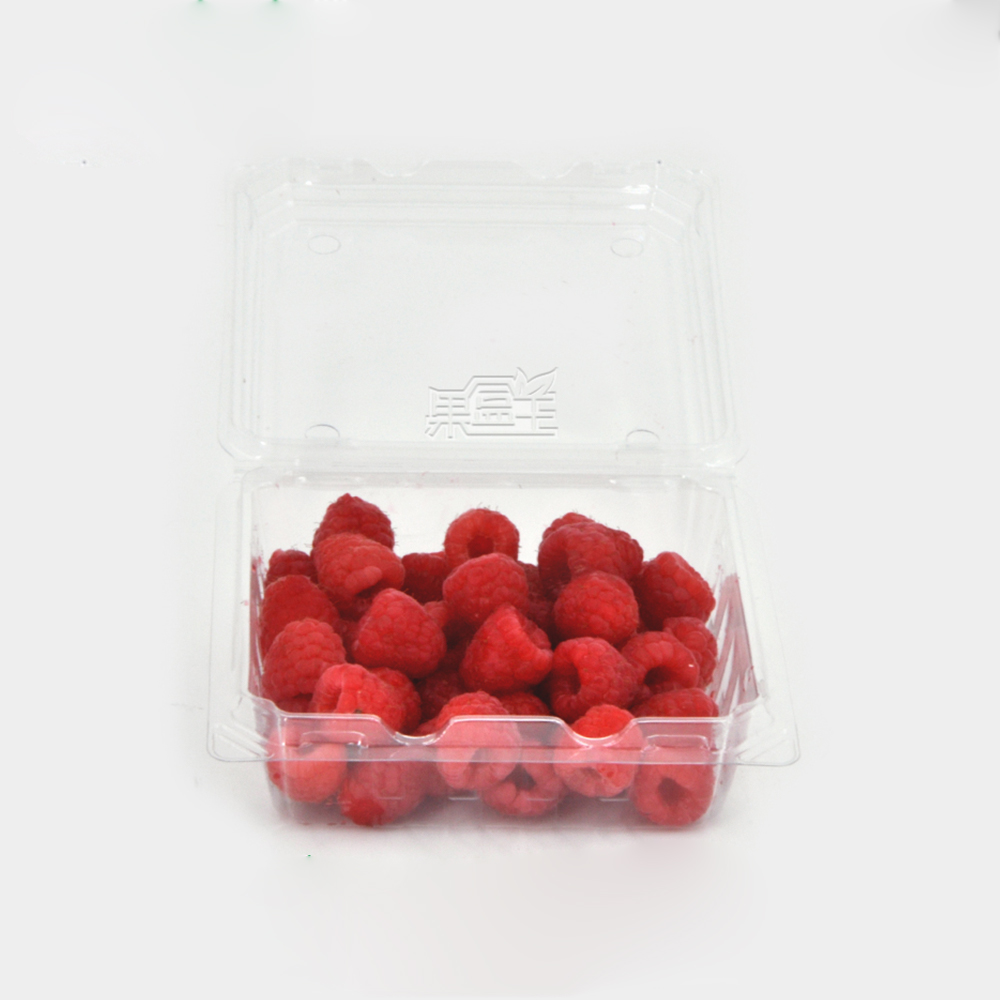
Raspberry clamshell packaging

Raspberry clamshell packaging is a specialized type of container designed to securely hold and showcase fresh raspberries while maintaining their quality and appeal. As a B2B buyer, you may have concerns about durability, protection during transport, and sustainability. This article will guide you through the essential considerations in selecting plastic clamshell package, ensuring you make informed decisions that align with your product needs and market demands. 
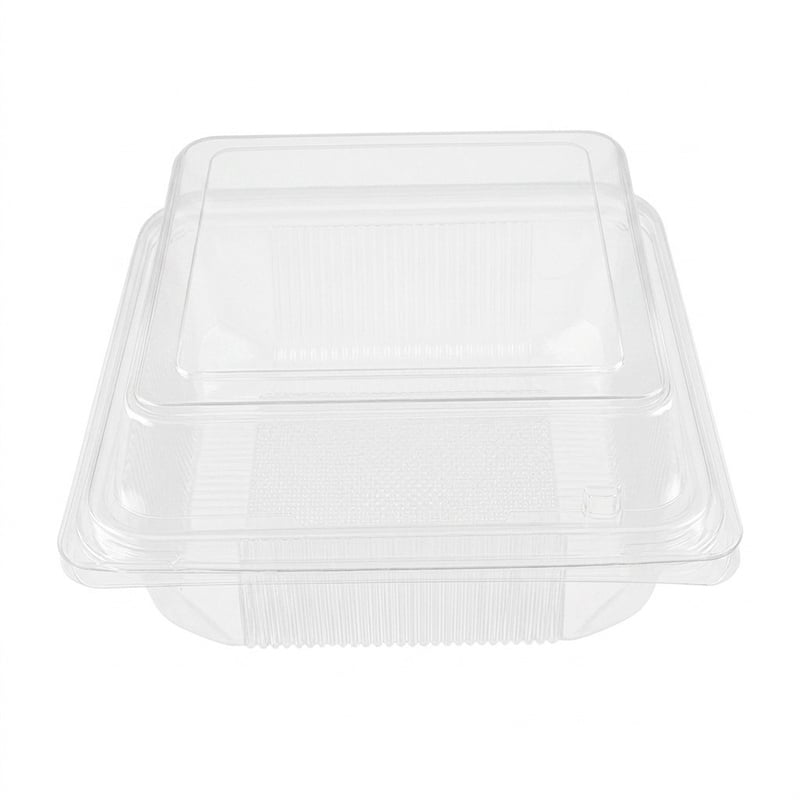
Our Products

Key Specifications for High-Quality Raspberry Clamshell Packaging

Key Specifications for High-Quality Raspberry Clamshell Packaging

When assessing raspberry clamshell packaging, specific packaging specifications are critical to ensuring quality and performance: 

Thickness: The thickness of the material impacts durability and protection. A thickness of 0.4mm to 0.7mm is common for raspberry clamshells, providing a balance between sturdiness and lightweight design. Thicker materials may offer better protection but could increase shipping costs. 

Sealing Quality: The sealing method affects the clamshell's integrity. Ensure that the clamshells have reliable sealing techniques (like heat sealing) to prevent contamination and maintain product freshness. A poorly sealed clamshell can lead to spoilage and loss of product quality. 

Transparency: High clarity is essential for showcasing your product. Ensure that the clamshells provide excellent visibility, allowing consumers to see the quality of the raspberries while also protecting them from physical damage. 

Compliance Certifications: Verify that the packaging meets relevant food safety standards and certifications, such as FDA or BRC. This ensures that the packaging is safe for food contact and meets industry regulations. 
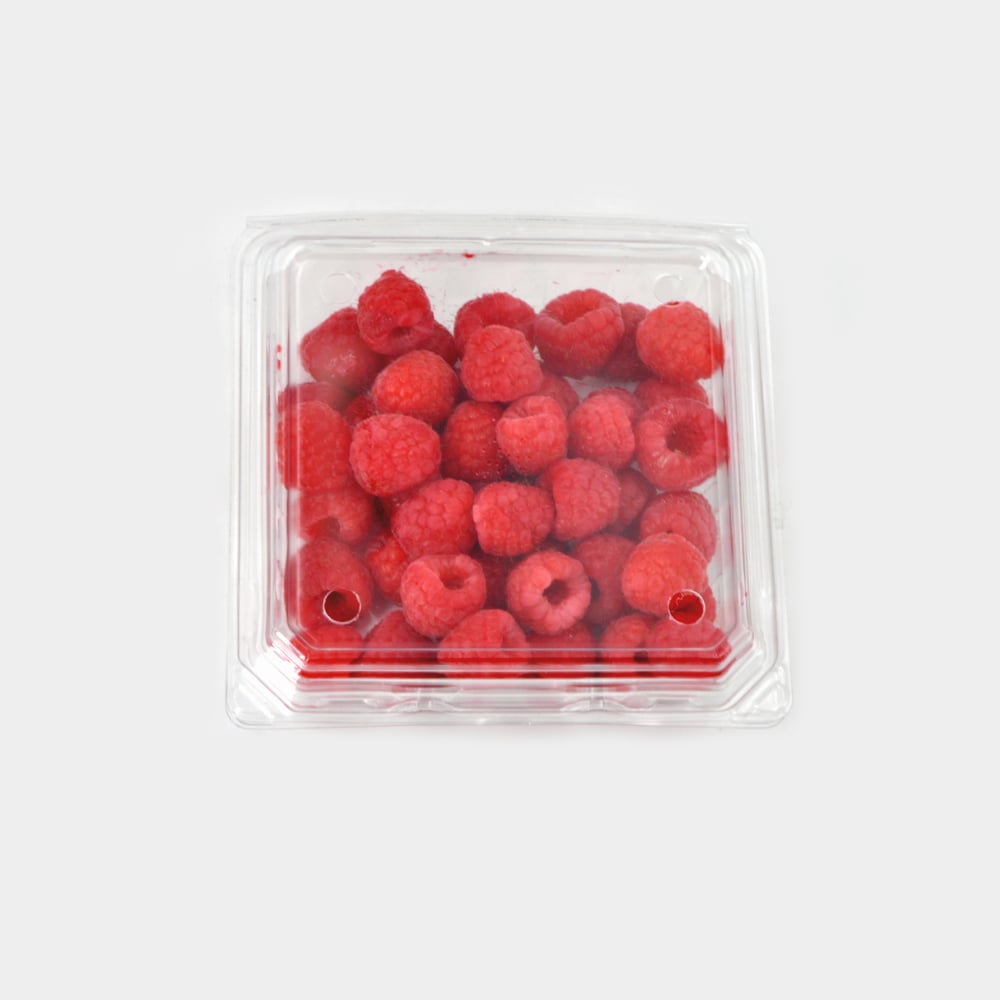
Where to Source Reliable Raspberry Clamshell Packaging Suppliers

Where to Source Reliable Raspberry Clamshell Packaging Suppliers

Finding reliable suppliers for raspberry clamshell packaging requires thorough research. Consider the following steps: 

Industry Networks: Leverage industry associations and trade shows to connect with reputable manufacturers. These events often showcase new packaging technologies and allow for direct communication with reliable packaging suppliers. 

Online Marketplaces: Use B2B platforms to compare suppliers. Look for those with established reputations, positive reviews, and a history of supplying food clamshell packaging solutions. Pay close attention to their customer service and responsiveness. 

Supplier Certifications: Evaluate potential suppliers based on their certifications and quality assurance processes. Suppliers like Zhejiang Qunlu New Material Co., Ltd. with FDA, BRC, and ISO certifications demonstrate a commitment to quality and safety. 

Sample Requests: Before finalizing a supplier, request samples of the raspberry clamshell packaging. This allows you to assess the quality, fit, and usability before placing a larger order. 

Installation Guidance for Efficient Use of Raspberry Clamshell Packaging

Installation Guidance for Efficient Use of Raspberry Clamshell Packaging

Efficient use of raspberry clamshell packaging involves proper handling and installation procedures: 

Preparation: Ensure that the packaging area is clean and organized. This minimizes the risk of contamination during the packing process. 

Filling Process: When filling the clamshells, avoid overpacking to prevent crushing the raspberries. Use tools or equipment designed to assist in the filling process, ensuring each clamshell is filled uniformly. 

Sealing: After filling, ensure that the clamshells are securely sealed. If using heat sealing, monitor the temperature and pressure to avoid damaging the packaging. 

Labeling and Storage: Clearly label each clamshell with product information and storage instructions. Store the filled clamshells in a temperature-controlled environment to maintain freshness until distribution. 

Common Problems with Raspberry Clamshell Packaging and Their Solutions

Despite the advantages of raspberry clamshell packaging, several common problems can arise: 

Cracking or Breaking: If clamshells are made from low-quality materials, they may crack during transport. To mitigate this, ensure you select clamshells with adequate thickness and impact resistance. 

Moisture Buildup: Insufficient ventilation can lead to condensation inside the plastic clamshell, resulting in mold growth. Choosing clamshells with proper ventilation holes is essential to maintaining airflow and reducing moisture accumulation. 

Sealing Failures: Poor sealing can cause leaks and spoilage. Always verify that the sealing process is correctly executed, and consider conducting regular quality checks on seals to ensure they meet your standards. 

Supply Chain Issues: Delays in sourcing packaging can disrupt your operations. Establishing long-term relationships with reliable suppliers and having backup options can help mitigate these risks. 

By understanding these specifications and considerations, B2B buyers can confidently select raspberry clamshell packaging that meets their needs, ensuring product quality and consumer satisfaction.  

Additionally, choosing high-clarity PET materials with custom ventilation slot placements optimizes airflow and humidity regulation, preventing condensation build-up and mold growth during cold chain transit. Modern food-grade packaging engineered with secure snap-lock closures ensures structural crush resistance when stacked on pallets, preserving fruit firmness and extending shelf life. Partnering with ISO-certified packaging suppliers guarantees compliance with international food safety standards (such as FDA and EU regulations) while supporting eco-friendly recyclable material initiatives. Investing in premium clamshell designs ultimately minimizes post-harvest waste, protects fragile produce during long-haul distribution, and maximizes retail presentation appeal to drive customer repeat purchases. 

How to Choose the Right Raspberry Clamshell Packaging for Your Needs

Selecting the appropriate raspberry clamshell packaging involves understanding your specific requirements, including product presentation, protection, and distribution conditions. Consider the following factors: 

Material Composition: Clamshells can be made from various materials, including PET, PVC, or biodegradable options. PET is commonly used for its clarity and strength, ensuring that the raspberries remain visible and protected during transport. Evaluate the material based on its barrier properties, which affect moisture and oxygen exchange, crucial for maintaining freshness. 

Size and Dimensions: The dimensions of your clamshell should match the volume and size of the raspberries to prevent bruising and damage. Custom sizes may be necessary for specific varieties or packaging presentations. Always confirm that the size aligns with your distribution method, whether it involves retail shelves or direct-to-consumer delivery. 

Design Features: Look for clamshells with ventilation holes to enhance airflow, reducing moisture buildup and prolonging shelf life. Features like secure locking mechanisms also help prevent accidental openings during transportation. 

Sustainability: With increasing consumer demand for eco-friendly packaging, consider whether the fruit clamshell packaging are recyclable or made from sustainable materials. This aspect can enhance your brand reputation and appeal to environmentally conscious buyers. 

Frequently Asked Questions

What materials are used for the raspberry clamshells?

We use food-grade, certified thermoforming plastics compliant with FDA standards, selected for food safety, durability and recyclability.
Yes. They are designed to protect delicate berries with ventilation and cushioning to maintain freshness and reduce bruising.
Yes. We offer OEM/ODM customization including sizes, tray depth, lid styles and food-safe printing or labeling to meet brand needs.
Our facility holds FDA, BRC and ISO certifications, and uses German/Japanese thermoforming lines to ensure consistent quality and safety.
Yes. We prioritize sustainable materials and design for recyclability; options vary by region and customer requirements.

Related product categories

Get a Free Quote

Our representative will contact you soon.
Email
Name
Company Name
Message
0/1000
Attachment
Please upload at least an attachment
Upload up to 3 files (maximum 30 MB). Supported formats: JPG, JPEG, PNG, PDF, DOC, DOCX, XLS, XLSX, CSV, TXT, STP, STEP, IGS, X_T, DXF, PRT, SLDPRT, SAT, RAR, ZIP.