EN

Plastic clamshell containers are versatile packaging solutions widely used in various industries, particularly for food and retail applications. As a B2B buyer, understanding the specifications, quality, and sourcing considerations for these containers is crucial for ensuring that your products are safely and effectively packaged. This article aims to provide practical guidance on selecting the right plastic to go containers while addressing common buyer concerns, including quality, cost, and supplier reliability. This article will help you to understand the product more, so keep on reading it all.
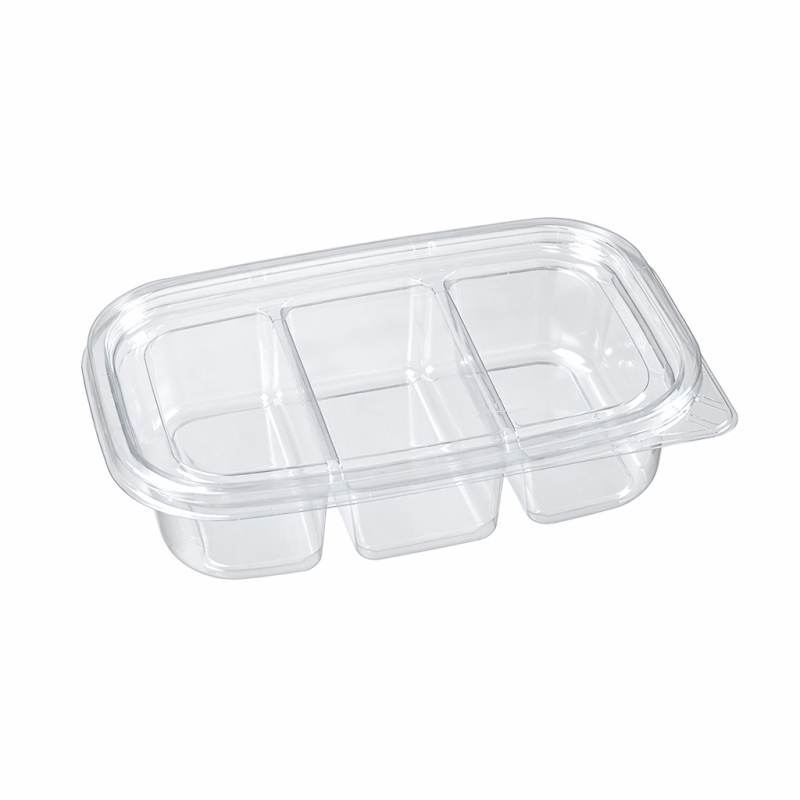
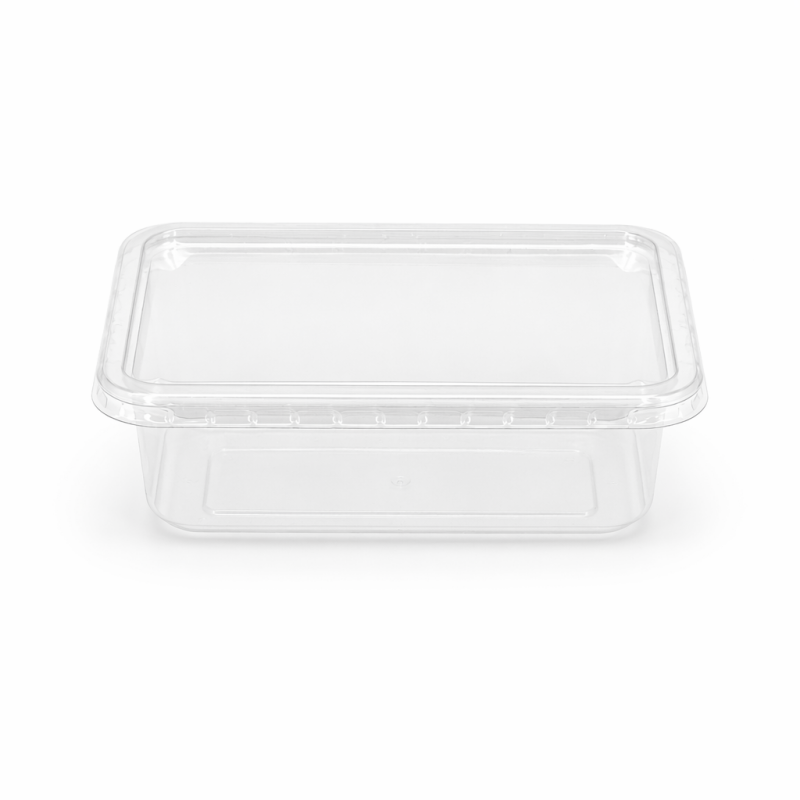
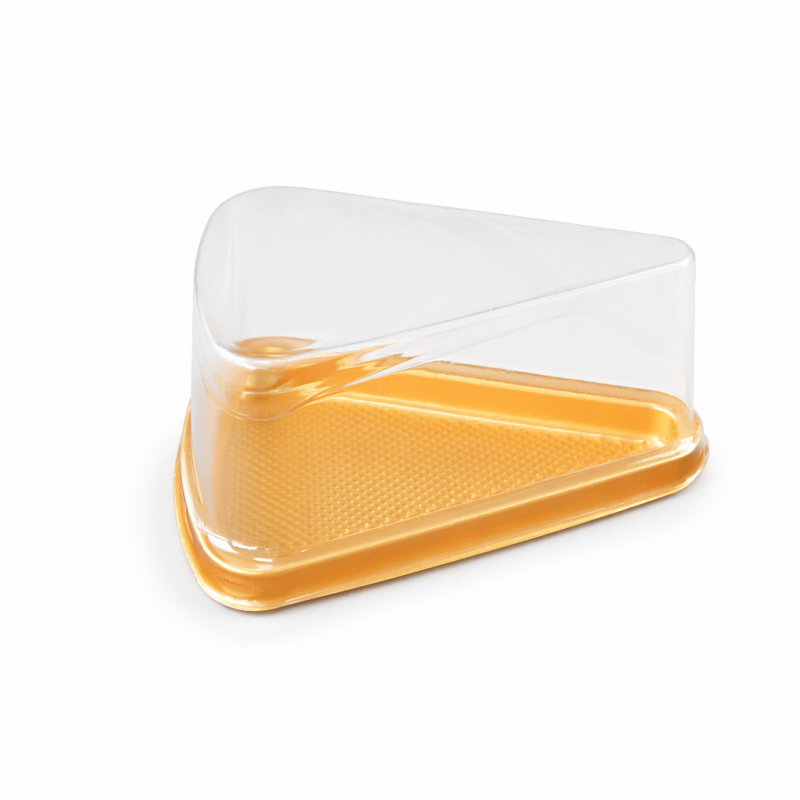
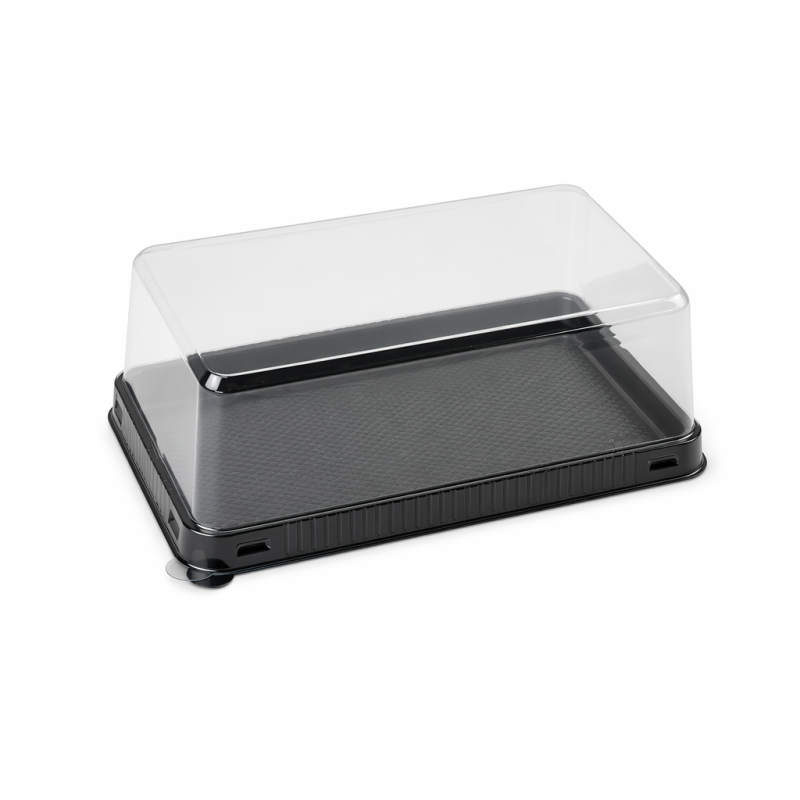
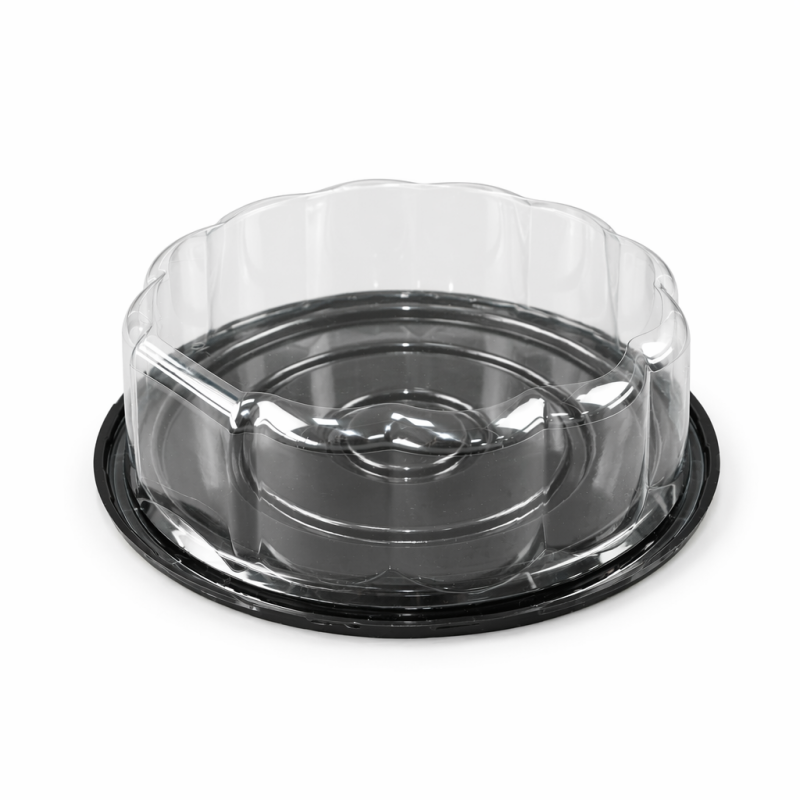
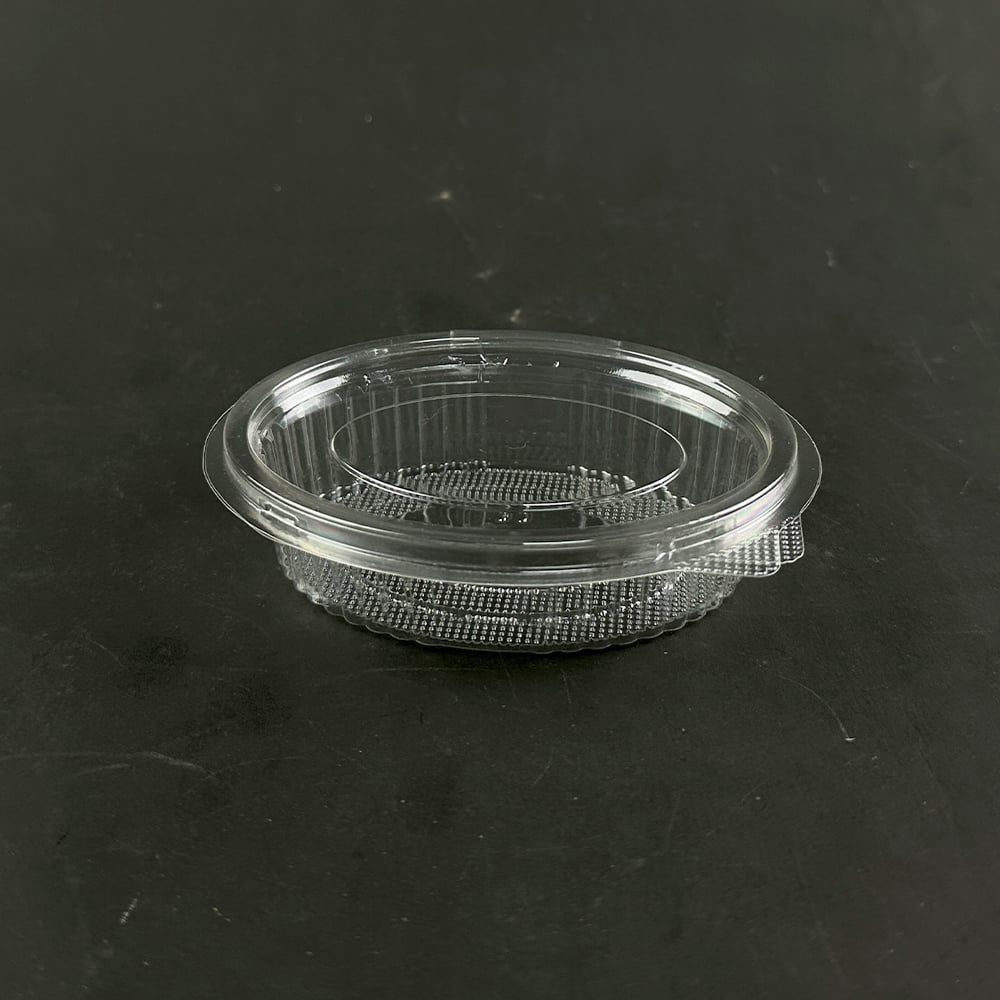
Specifications to Consider When Sourcing Plastic Clamshell Containers
If you are looking for quality products, you can trust on our brand. Several key specifications should be considered when sourcing plastic clamshell containers:
Material Type: Most clamshells are made from polyethylene or polypropylene. Polypropylene provides superior clarity and is often preferred for showcasing products. In contrast, polyethylene can offer better flexibility and impact resistance.
Thickness: The gauge of the plastic affects durability. A thicker gauge may be necessary for heavier items, while a thinner gauge can suffice for lightweight products. Evaluating the expected handling and shipping conditions will help determine the appropriate thickness.
Sealing Method: Consider how the containers will be sealed. Options include ultrasonic sealing, which provides a strong bond, or heat sealing for ease of assembly. The sealing method can impact the shelf life of perishable products.
Design Features: Look for features like venting holes for fresh produce or tamper-evident seals for security. These can enhance the functionality of the container based on the specific application.
Compliance: Ensure that the plastic deli containers meet industry standards and certifications relevant to your market, such as FDA, BRC, or ISO certifications, which indicate adherence to safety and quality protocols.