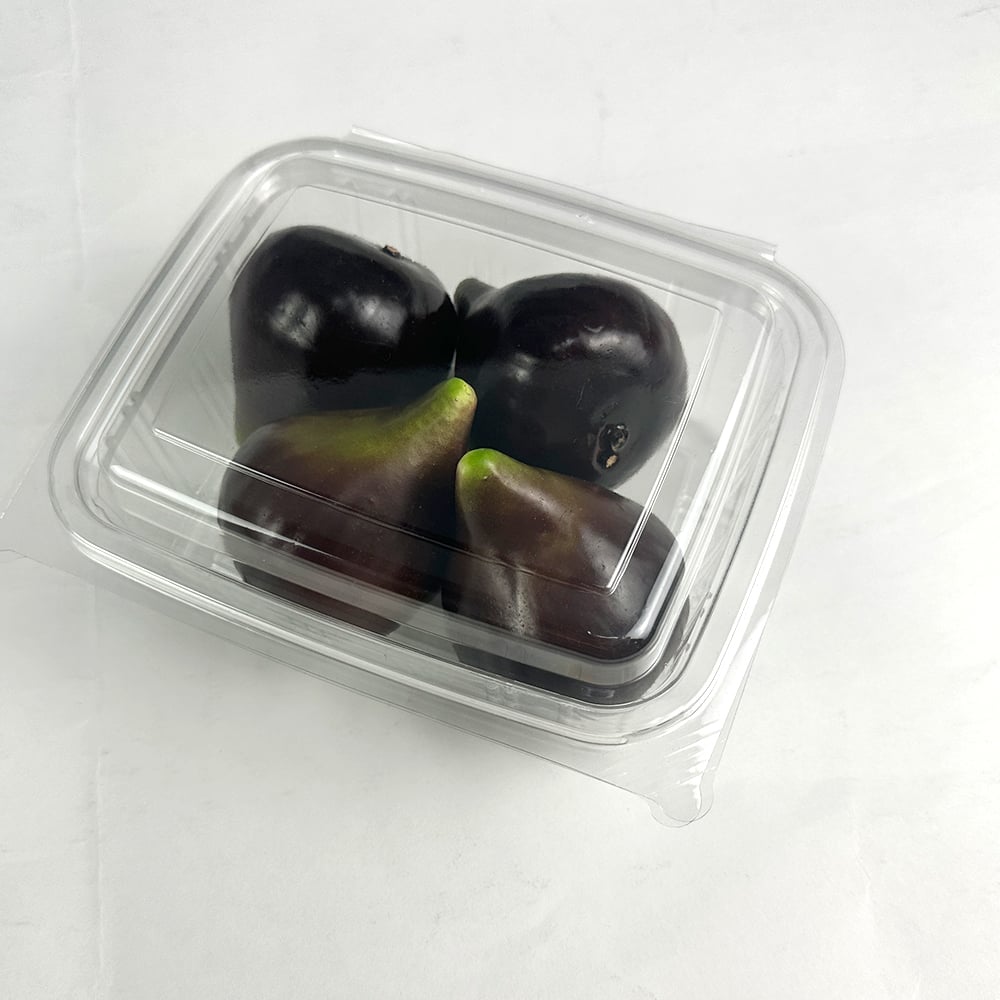
Choosing the Right Clamshell Container

All Categories
Review Full Line Catalog

Clam shell container

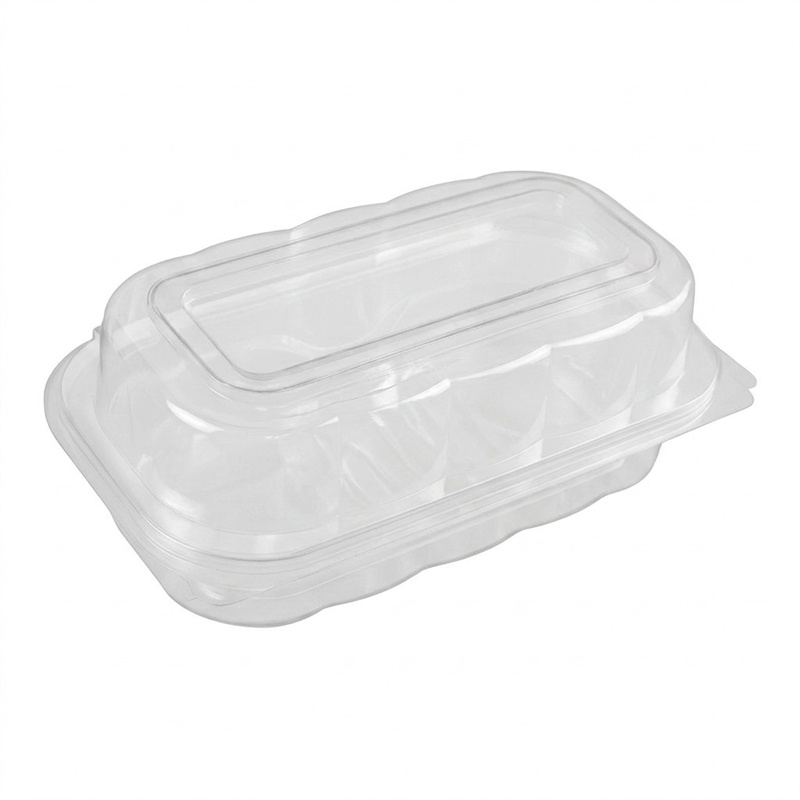
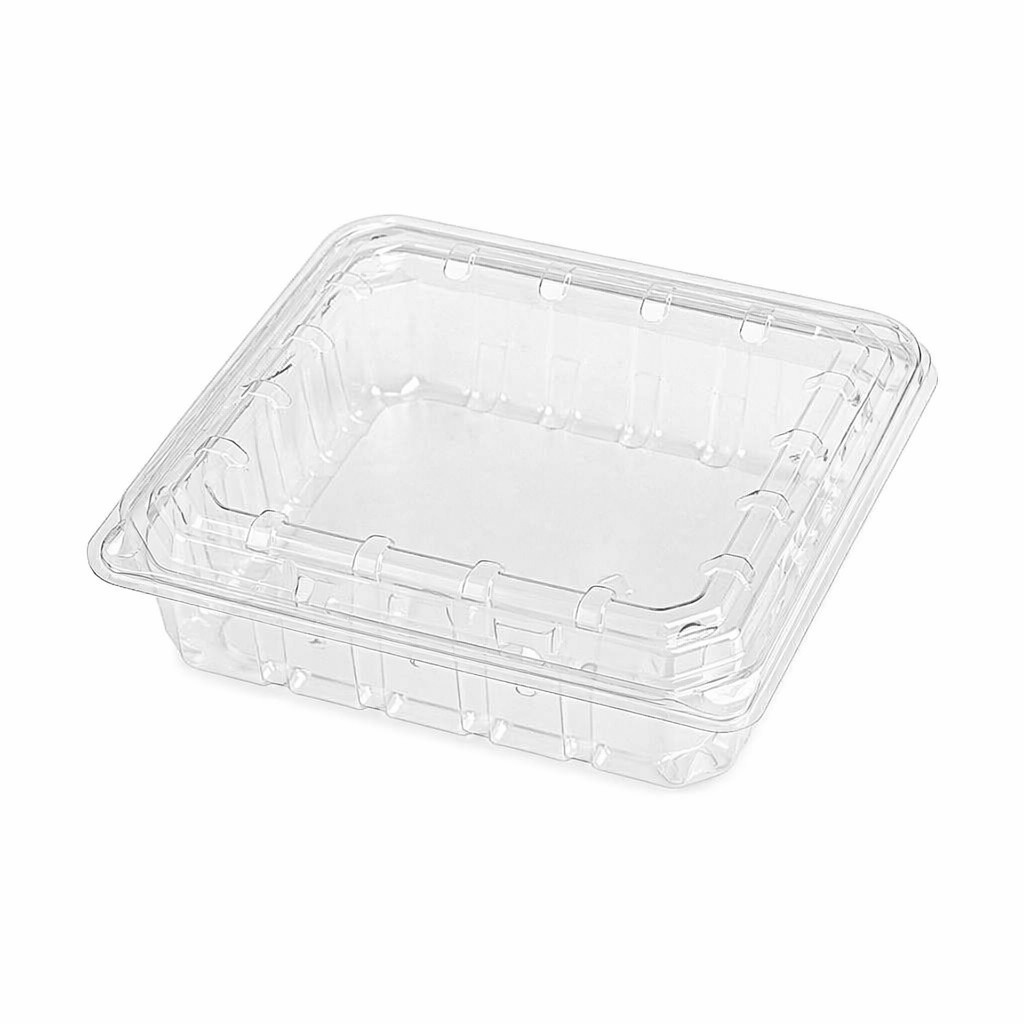
Clamshell containers are versatile packaging solutions widely used in the food industry for their effectiveness in protecting products while providing visibility. As a B2B buyer, understanding the specifications and manufacturing processes associated with clamshell packaging plastic is crucial for making informed purchasing decisions. This article will delve into key specifications, selection criteria, quality evaluation, industry applications, and common challenges related to clamshell containers, equipping you with the knowledge needed to choose the right solution for your needs. This article will help you to understand the clamshell containers more, so keep on reading it all. 
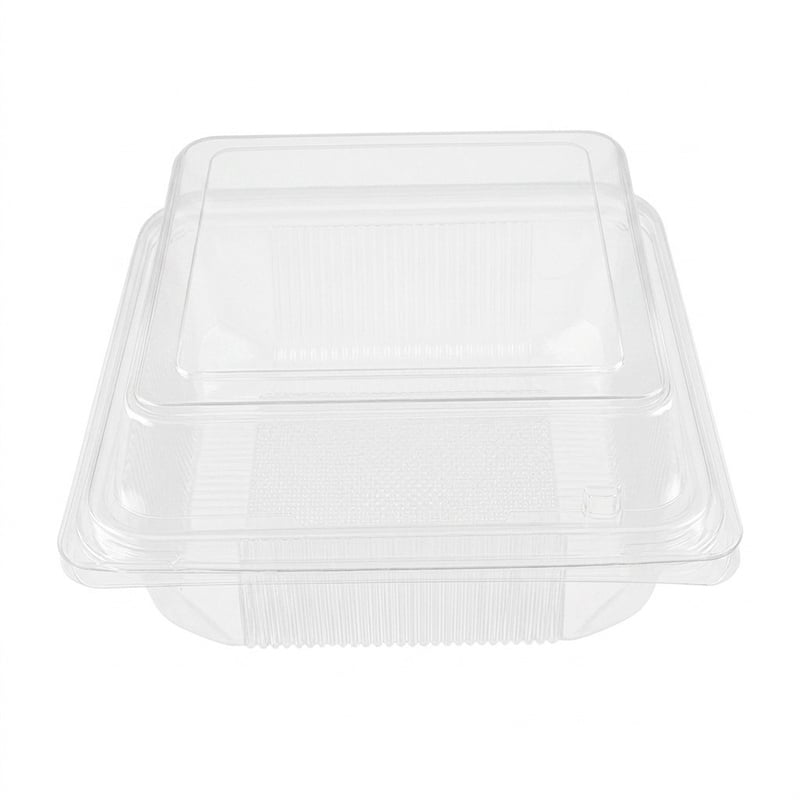
Our Products

How to Choose the Right Clamshell Container for Your Needs

How to Choose the Right Clamshell Container for Your Needs

Selecting the right clamshell container requires careful consideration of a few key factors: 

Application: Determine what products will be housed in the clamshell. Different applications may require specific materials or dimensions. For instance, fragile items may require thicker walls for added protection. 

Environmental Considerations: Consider whether the clamshell containers needs to be recyclable or biodegradable. This is increasingly important for brands focused on sustainability. 

Regulatory Compliance: Ensure that the chosen clamshell containers meets relevant food safety regulations, such as FDA and BRC certifications. This is especially crucial for food packaging to maintain product safety and quality. 

Budget and MOQ: Understand the manufacturer's minimum order quantity (MOQ) and pricing structure. This helps in assessing whether the selected clamshells align with your budget and purchasing capabilities. 

Lead Time: Inquire about production and delivery timelines, especially if you are working on a tight schedule. This is critical for maintaining supply chain efficiency. 
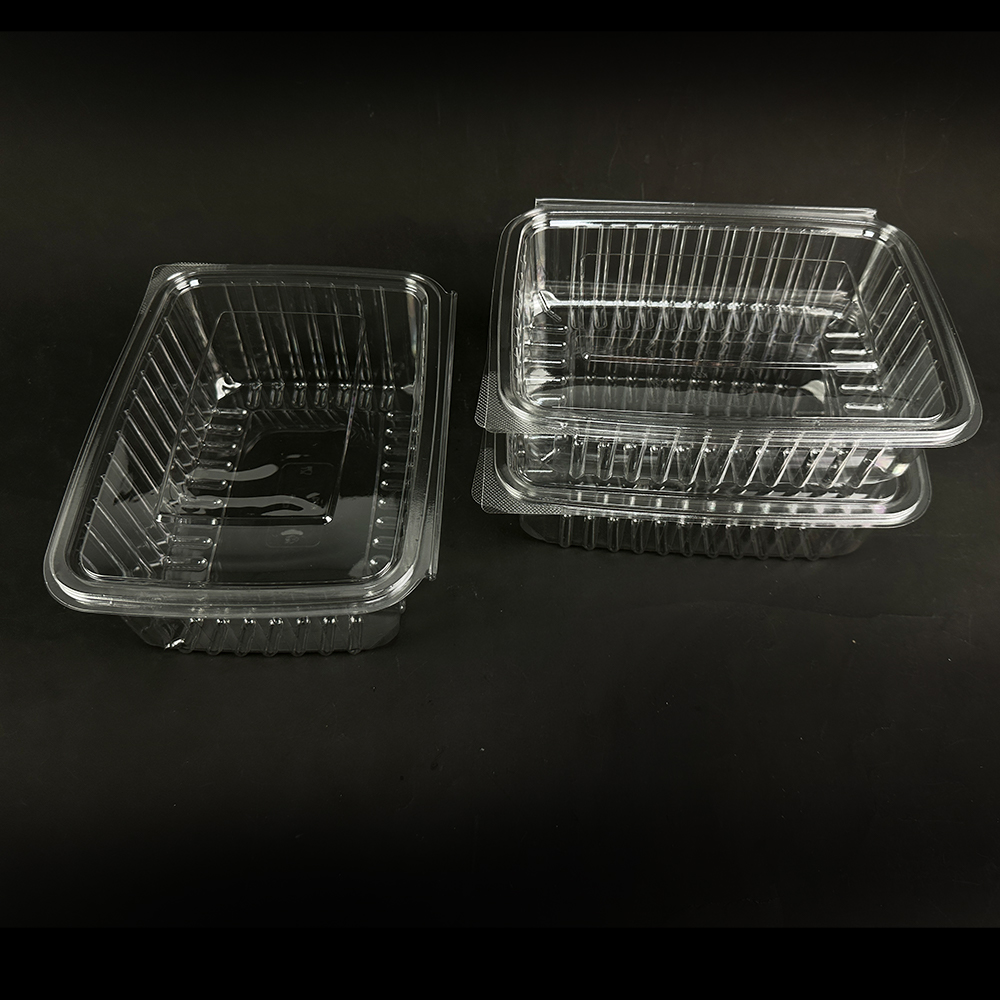
Evaluating the Quality of Clamshell Containers for Your Projects

Evaluating the Quality of Clamshell Containers for Your Projects

This clamshell containers is made with high-quality materials to ensure its efficiency and functionality. You will never ever regret of using this kind of product. Quality evaluation of clamshell containers involves several key steps: 

Material Inspection: Assess the material for clarity, flexibility, and strength. A high-quality clamshell should have a smooth surface without imperfections that could compromise product visibility or integrity. 

Sample Testing: Before committing to a large order, request samples. Test these samples under actual conditions to evaluate fit, sealing efficiency, and overall durability. 

Manufacturing Consistency: Ensure that the supplier has robust quality control processes in place. Consistency in production is vital, especially for repeat orders or multi-size product lines. 

Feedback from Previous Users: If possible, gather insights from other businesses that have used the supplier's clamshells. Their experiences can provide valuable information regarding performance and reliability. 

Which Industries Use Them?

Which Industries Use Them?

QUNLU Clamshell containers are utilized across various industries, including: 

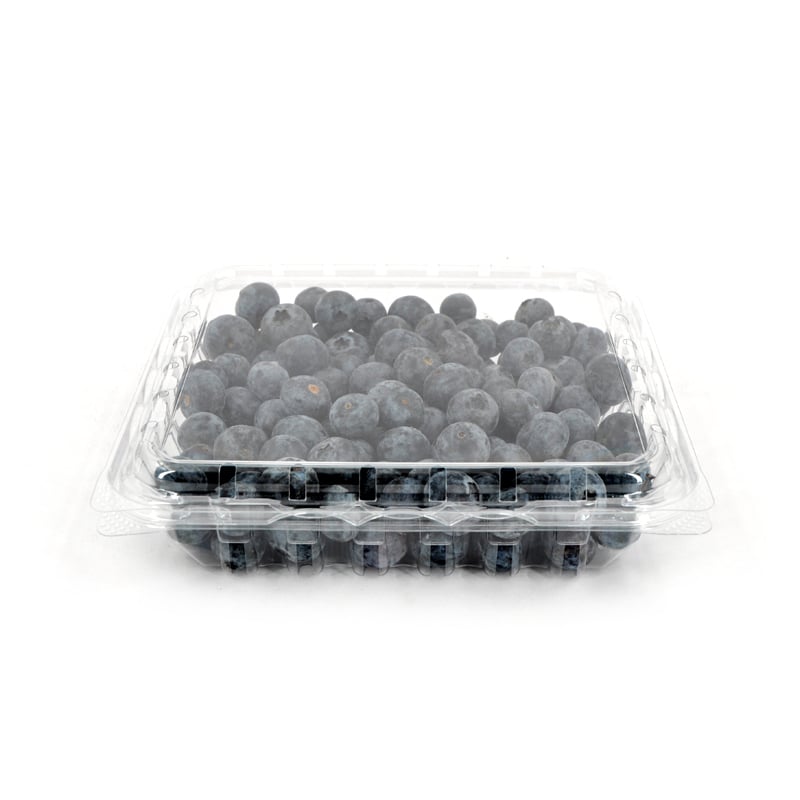
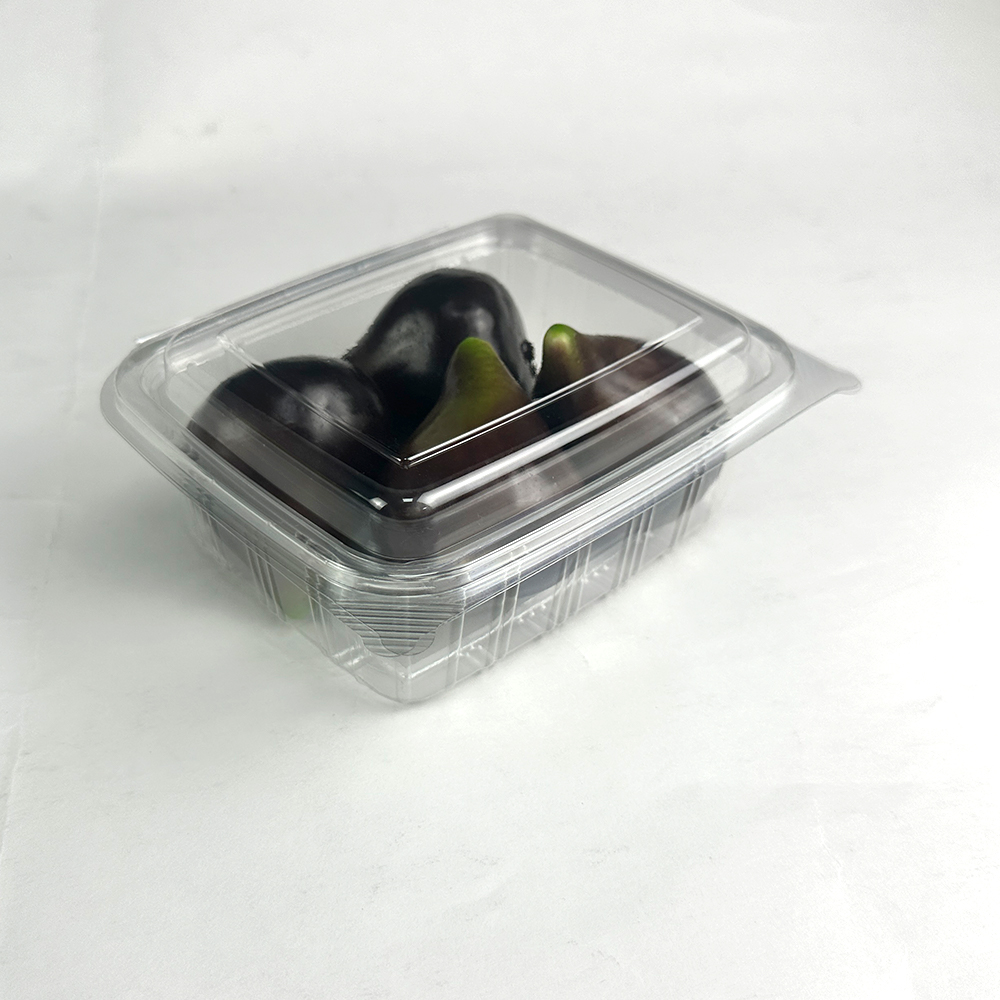
Food and Beverage: Commonly used for fresh produce, baked goods, and ready-to-eat meals, clamshells provide visibility while ensuring product safety. 

Retail: They are widely used for packaging non-food items such as electronics, cosmetics, and small household goods, allowing consumers to see the product while also protecting it from damage. 

Pharmaceuticals: Some pharmaceutical products require secure packaging that clamshells can provide, ensuring tamper resistance while allowing visibility for labeling. 

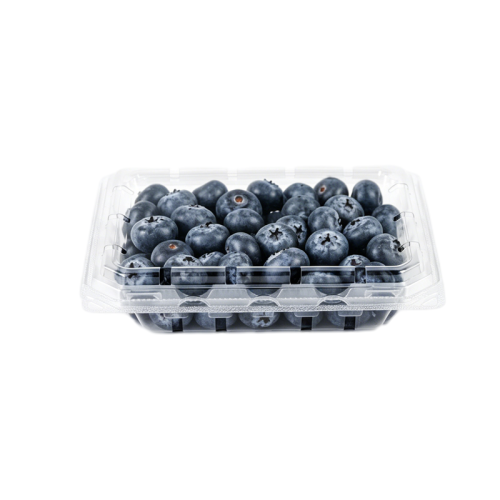
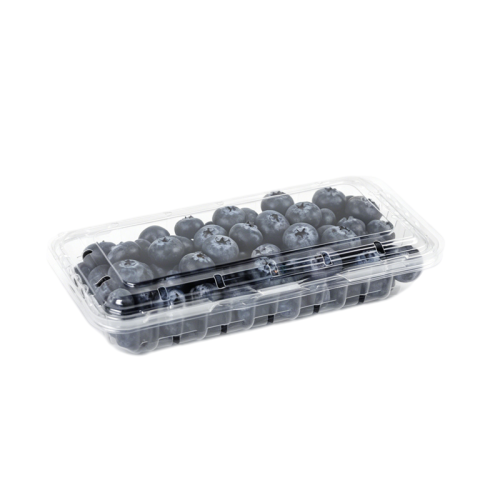
Agriculture: In agricultural applications, clamshells are used to package berries, herbs, and other delicate produce, providing protection during transport. 

Common Problems with Clamshell Containers and Effective Solutions

Despite their many advantages, QUNLU clamshell containers can present certain challenges. You may encounter problems, but of course it has solutions. Just follow also the guidelines to avoid such issues. Here are common problems and potential solutions: 

Misalignment During Production: Sometimes, clamshells may not close properly due to misalignment during manufacturing. Buyers should request a sample approval process to ensure that the final product meets specification before mass production. 

Material Limitations: Some materials may not provide adequate barrier properties against moisture or oxygen, impacting product freshness. Buyers must assess the material's suitability based on the expected shelf life and distribution conditions. 

Inadequate Sealing: Poor sealing can lead to leakage or contamination. Ensure that the manufacturer uses proven sealing methods and consider conducting sealing integrity tests on samples. 

Customization Challenges: Custom shapes or designs can complicate production. Clear communication with the manufacturer regarding design specifications and expectations can help mitigate issues during the production process. 

In summary, clamshell containers are an essential packaging solution in various industries, and understanding their specifications, selection criteria, quality evaluation, industry applications, and common challenges can significantly enhance your purchasing decisions. By leveraging the insights provided here, you can better prepare for discussions with suppliers and ensure that you choose the most appropriate blueberry clamshell packaging for your needs. 

Key Specifications for Buyers

When evaluating clamshell containers, several specifications are essential: 

Material Composition: Clamshells are typically made from PET, PVC, or other thermoplastics. PET offers excellent clarity and is recyclable, making it suitable for food packaging. PVC, while less common for food applications, can be used for non-food items due to its durability and versatility. 

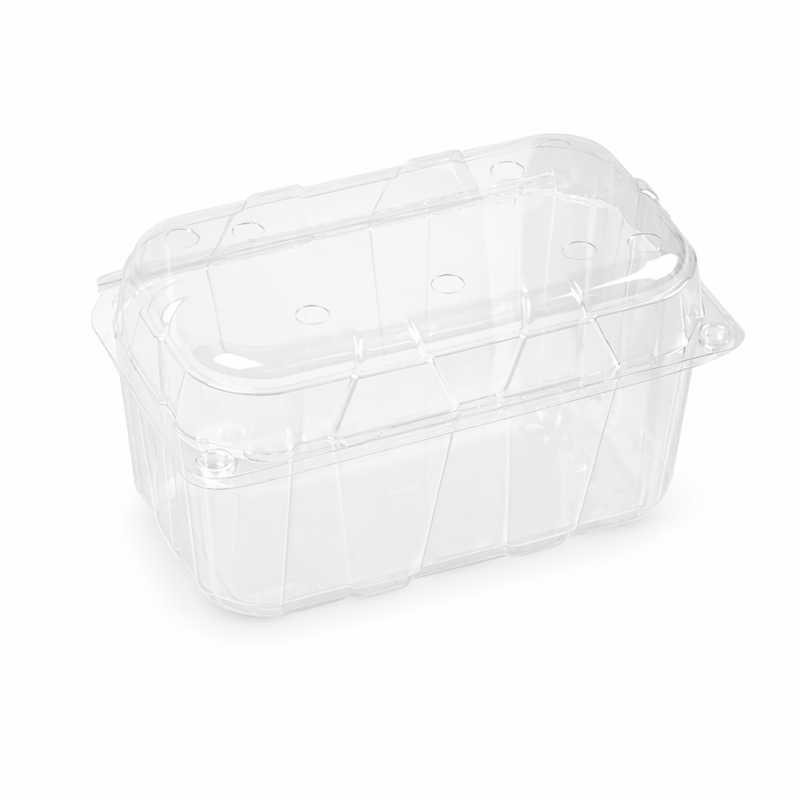
Dimensions: Accurate dimensions are crucial to ensure that products fit securely within the plastic clamshell. Buyers should provide specific measurements of the items to be packaged to avoid issues with fit and secure closure. 

Thickness: The thickness of the material can affect durability and shelf life. A thicker clamshell may provide better protection against impacts and environmental factors. 

Sealing Method: Clamshells can be sealed using heat sealing or adhesive. Understanding the sealing method is vital, as it impacts how well the clamshell containers maintains freshness and prevents leakage. 

Customization Options: Many manufacturers, such as Zhejiang Qunlu New Material Co., Ltd., offer customization in terms of size, shape, and branding, allowing buyers to tailor products to their specific needs. 

Frequently Asked Questions

What materials are used in your clam shell containers?

We use food-grade, FDA-compliant thermoformable plastics designed for safety, durability and recyclability. Materials are selected to meet BRC and ISO quality standards.
Yes. We offer OEM/ODM services including custom sizes, colors, printing and branding using German/Japanese thermoforming lines to ensure precision.
Yes. Our clam shells are produced under FDA, BRC and ISO certified processes to ensure they meet strict food safety and quality requirements.
Yes. We provide recyclable and eco-friendly material options and design choices to minimize waste while maintaining product performance and safety.
MOQs and lead times vary by size and customization. Typical production uses advanced thermoforming equipment; please contact us with specifications for accurate quotes and timelines.

Related product categories

Get a Free Quote

Our representative will contact you soon.
Email
Name
Company Name
Message
0/1000
Attachment
Please upload at least an attachment
Upload up to 3 files (maximum 30 MB). Supported formats: JPG, JPEG, PNG, PDF, DOC, DOCX, XLS, XLSX, CSV, TXT, STP, STEP, IGS, X_T, DXF, PRT, SLDPRT, SAT, RAR, ZIP.