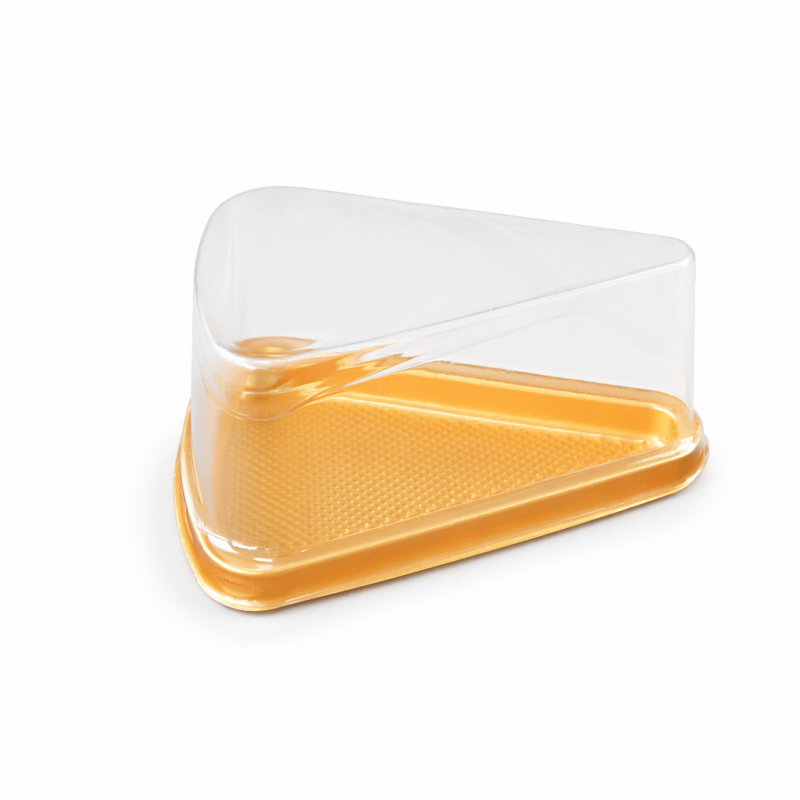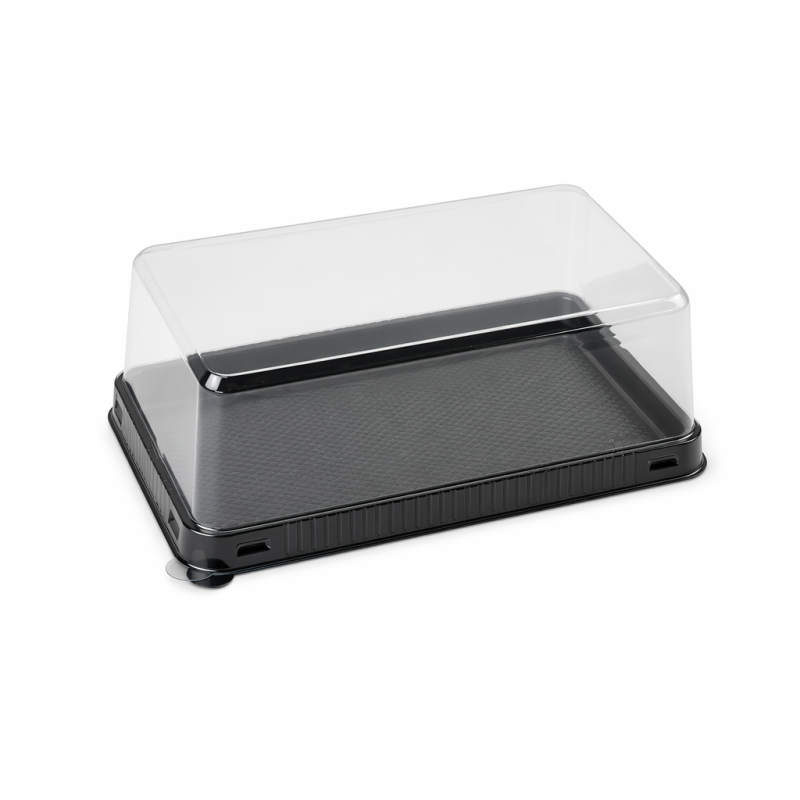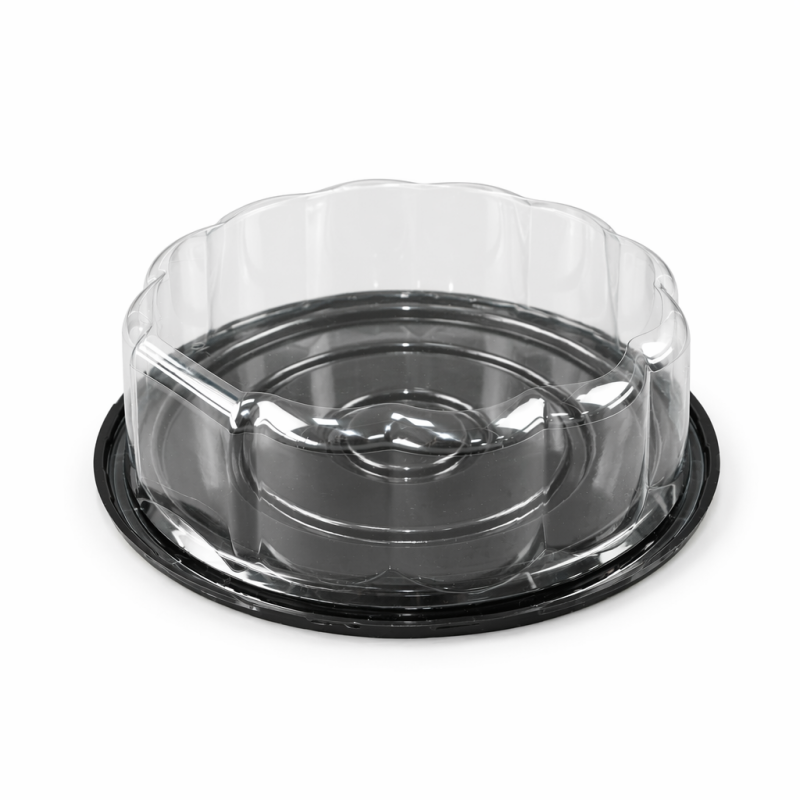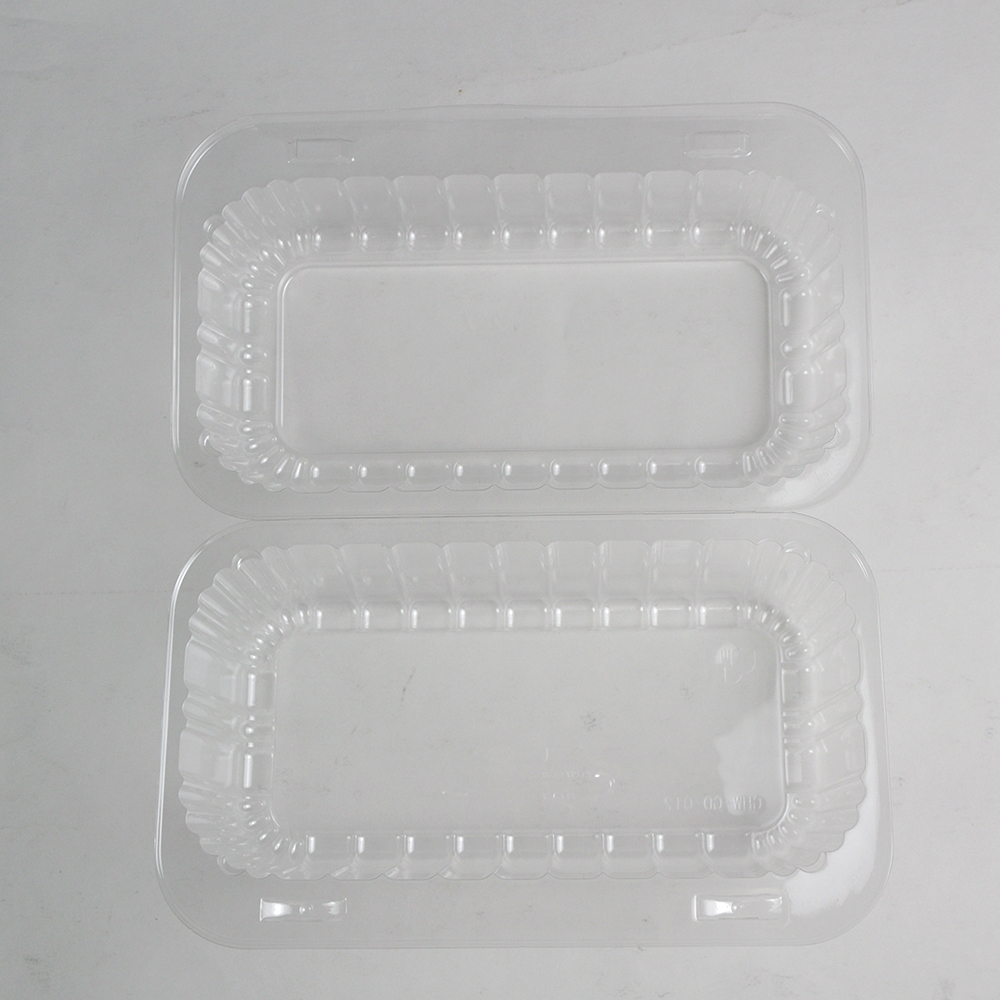
Choosing the Right Muffin Container for Your Business

All Categories
Review Full Line Catalog

Container for muffins

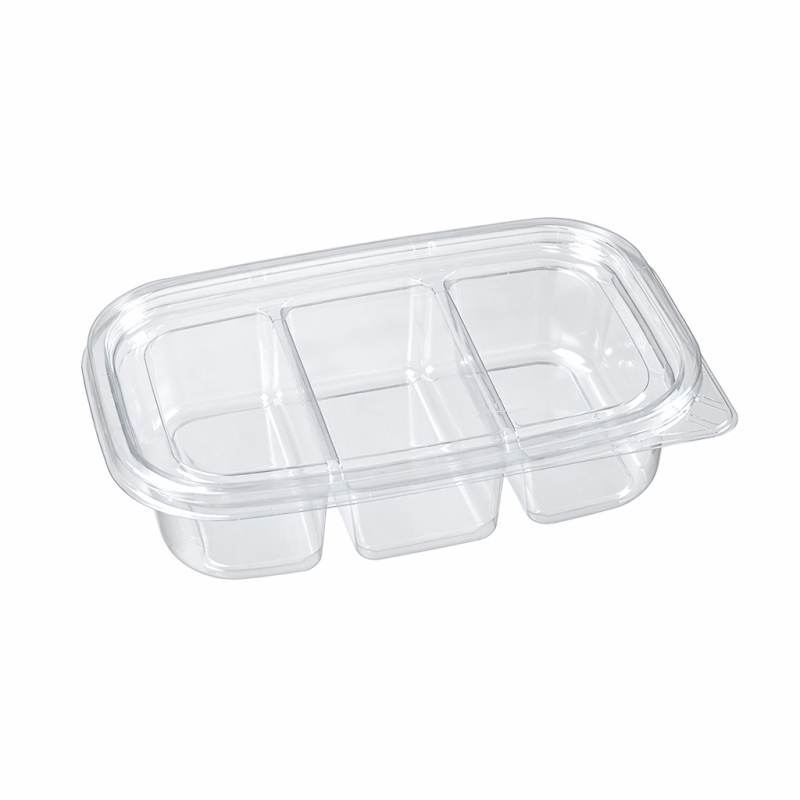
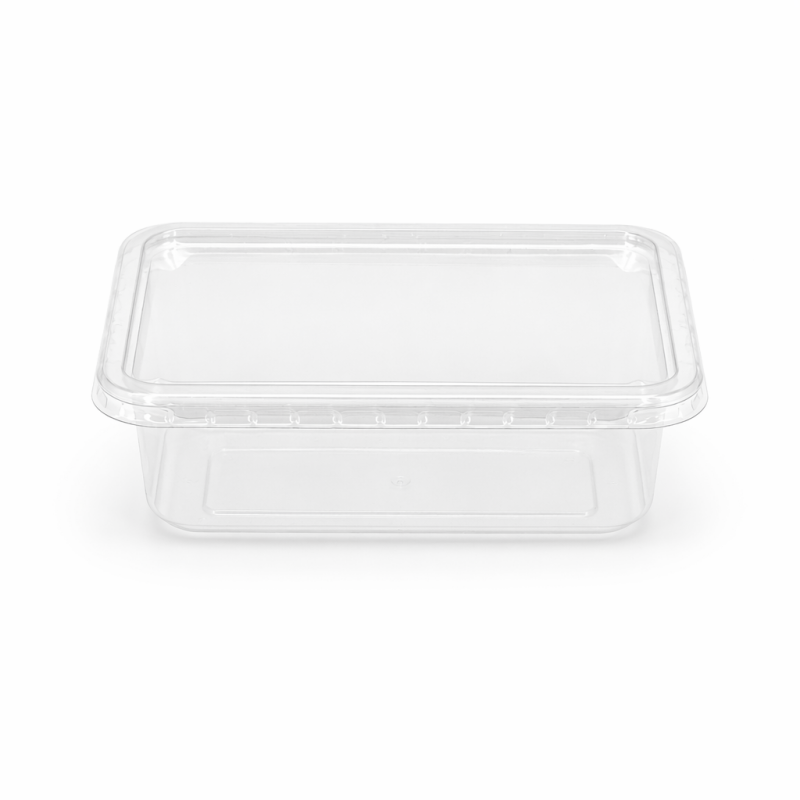
Choosing the right container for muffins is essential for ensuring product integrity, enhancing presentation, and meeting consumer expectations. Muffin containers need to provide not only adequate protection during transport but also maintain freshness and appeal on store shelves. This article will guide B2B buyers—such as purchasing managers, distributors, and product managers—through the important considerations in selecting the ideal muffin containers, including specifications, sourcing options, cost factors, and operational guidance.
Our Products

Wholesale Options for High-Quality Muffin Containers Available Here

Wholesale Options for High-Quality Muffin Containers Available Here

When sourcing muffin containers, wholesale options provide significant advantages in terms of cost-effectiveness and availability. Zhejiang Qunlu New Material Co., Ltd. specializes in food packaging and offers a range of plastic muffin containers suitable for various applications. When evaluating wholesale suppliers, consider: 

Minimum Order Quantities (MOQ): Suppliers often have specific order requirements that can affect your purchasing strategy. Choose a supplier that accommodates your volume needs while ensuring you do not overcommit to stock. 

Bulk Pricing: Take advantage of tiered pricing structures that reward larger orders. Negotiating for better rates based on your expected volume can lead to significant savings. 

Lead Times: Ensure that the supplier can meet your delivery schedules. Factors like production capacity and shipping times should be clarified upfront to align with your supply chain needs. 

Quality Assurance: Look for suppliers with relevant certifications, such as FDA, BRC, or ISO, which indicate adherence to quality and safety standards. This is crucial for maintaining your product's integrity and reputation. 

By choosing a reliable wholesale supplier, you can streamline your procurement process and focus on growing your business.
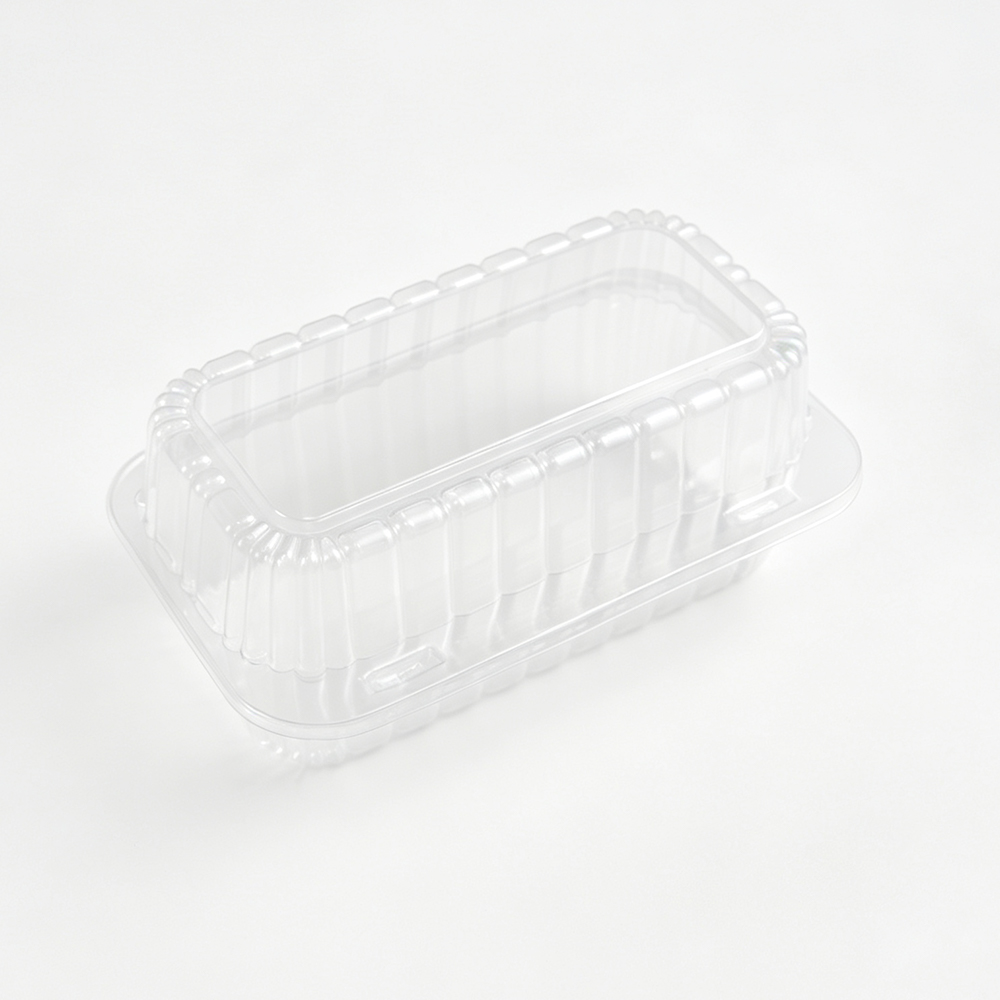
Where to Source Reliable Muffin Container Suppliers for Your Projects

Where to Source Reliable Muffin Container Suppliers for Your Projects

Finding trustworthy suppliers for muffin containers requires diligence and research. Here are some strategies for sourcing reliable manufacturers: 

Industry Directories and Trade Shows: Utilize industry-specific directories and attend trade shows to connect with manufacturers. These platforms often provide insights into a supplier's reputation and product offerings. 

Online Marketplaces: Platforms like Alibaba or Global Sources facilitate connections with international suppliers. However, it is vital to conduct due diligence—check reviews, request samples, and verify certifications.  

Referrals and Recommendations: Networking within the industry can lead to valuable recommendations for reputable suppliers. Engage with peers or trade associations to gather insights about supplier reliability and service quality. 

Initial Contact and Sample Requests: Once you identify potential suppliers, initiate contact to discuss your needs and request samples. Evaluating a sample allows you to assess quality and compatibility with your product requirements. 

By using these strategies, you can build a list of potential suppliers that meet your quality and operational expectations.

Cost Factors to Consider When Ordering Muffin Containers in Bulk

Cost Factors to Consider When Ordering Muffin Containers in Bulk

Understanding the cost structure associated with QUNLU muffin container procurement is essential for effective budgeting. Consider the following cost factors: 

Material Costs: The type of material used in manufacturing greatly influences the cost. Higher-quality materials may come with a premium price but often provide better performance, such as improved barrier properties.  

Customization Fees: If you require custom designs or printed branding on your muffin containers, be aware of additional setup and production costs. Make sure to factor these into your overall budget. 

Shipping and Logistics: Shipping costs can vary significantly based on the supplier's location and your delivery requirements. Consider freight costs and potential duties for international orders, as these can impact your total expenses. 

Inventory Management: Ordering in bulk may help reduce per-unit costs, but it also requires careful inventory management to avoid excess stock that may lead to waste. Analyze your sales forecasts to determine the optimal order size.   

Quality Control Costs: Ensuring quality may involve additional costs related to inspections and testing. It’s advisable to allocate a budget for quality assurance to prevent costly returns or product recalls. 

By taking these factors into account, you can better assess the total cost of ownership for your black deli containers and make informed purchasing decisions.

Installation Guidance for Efficient Use of Muffin Containers

Proper handling and installation of QUNLU muffin containers are critical for maximizing efficiency and ensuring product quality. Here are some practical tips for effective usage: 

Pre-Production Sample Testing: Before committing to a large order, always test a sample container under actual operational conditions. This allows you to evaluate how the muffin containers performs during filling, sealing, and transportation. 

Storage Conditions: Store muffin containers in a clean, dry environment to prevent contamination and degradation of materials. Ensure that the storage area is organized to facilitate easy access and inventory management. 

Filling and Sealing Process: Train your staff on the correct filling and sealing procedures to avoid damaging the containers. Ensure that muffin filling machines are compatible with the muffin containers design to maintain efficiency. 

Regular Quality Checks: Implement a routine quality control process to inspect muffin containers for defects before use. This can identify issues early, preventing potential problems during production. 

Feedback Loop: Establish a system for gathering feedback from production staff regarding the muffin containers performance. This information can be invaluable for future purchasing decisions and collaborations with suppliers. 

By adhering to these guidelines, you can enhance operational efficiency and maintain consistent product quality when using muffin containers.

How to Choose the Right Muffin Container for Your Business Needs

When selecting a muffin container, it’s crucial to consider the specifications that align with your business requirements. Key factors include the material, size, design, and intended use. 

Material: Common materials for muffin containers include PET (Polyethylene Terephthalate), PP (Polypropylene), and biodegradable options. Each material has distinct advantages; for instance, PET offers excellent clarity and is highly recyclable, while PP is known for its durability and resistance to moisture. Choose a material that matches your product's shelf life and storage conditions. 

Size and Design: Muffin containers come in various sizes and designs to cater to different muffin types—standard, mini, or gourmet. Ensure that the dimensions fit your product to prevent damage and maintain presentation. A well-fitted muffin containers prevents movement, which can lead to product loss. 

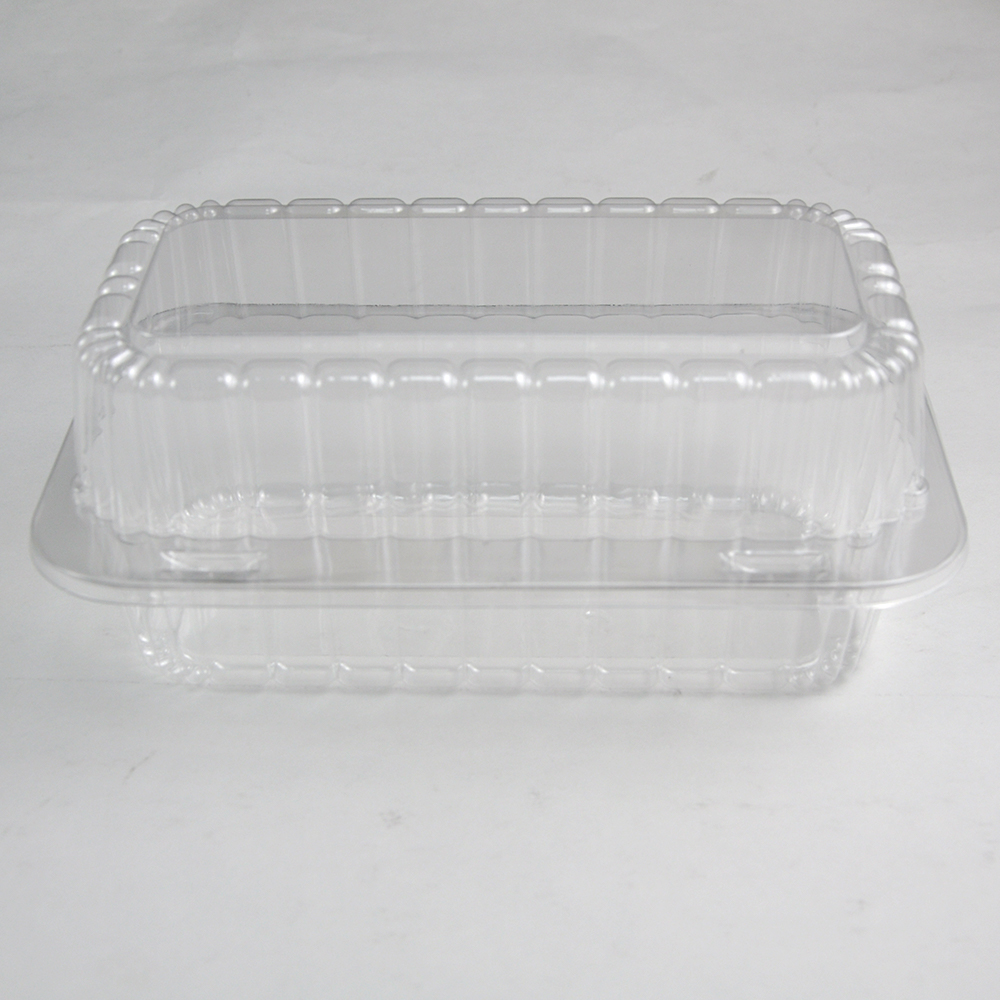
Closure and Sealing: Look for muffin containers with secure closures to protect the muffins from contamination and maintain freshness. Clamshell designs often provide a reliable seal while allowing visibility. 

Customization: Depending on your branding strategy, consider muffin containers that allow for customization. This could include printed designs or unique shapes that resonate with your target audience. 

By carefully evaluating these aspects, you can select a muffin containers that meets your operational needs and enhances consumer appeal.

Frequently Asked Questions

What materials are used for the muffin containers?

Our muffin containers are made from food-grade thermoformed materials compliant with FDA standards, offering safe contact with baked goods while supporting sustainable recycling options.
Yes. The thermoforming process and selected materials withstand typical baked-goods temperatures and maintain shape during cooling and short-term storage.
Yes. We offer OEM/ODM customization for cup size, tray layout, clamshell style, printing, and color to meet brand specifications and packaging needs.
We hold FDA, BRC, and ISO certifications, ensuring rigorous food safety management, quality control, and traceability across production.
MOQ and lead times vary by design and customization. Typical production uses German/Japanese thermoforming lines—contact us with specs for a precise quote and timeline.

Related product categories

Get a Free Quote

Our representative will contact you soon.
Email
Name
Company Name
Message
0/1000
Attachment
Please upload at least an attachment
Upload up to 3 files (maximum 30 MB). Supported formats: JPG, JPEG, PNG, PDF, DOC, DOCX, XLS, XLSX, CSV, TXT, STP, STEP, IGS, X_T, DXF, PRT, SLDPRT, SAT, RAR, ZIP.