EN

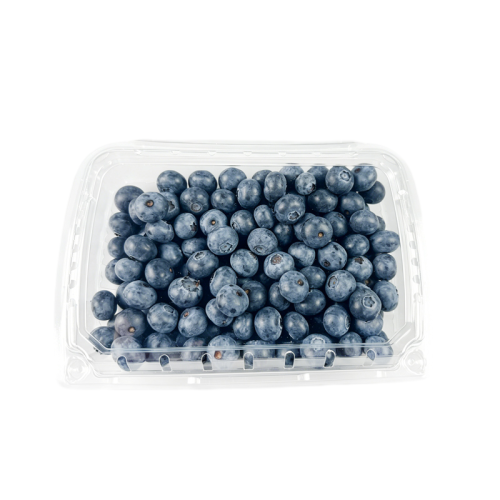
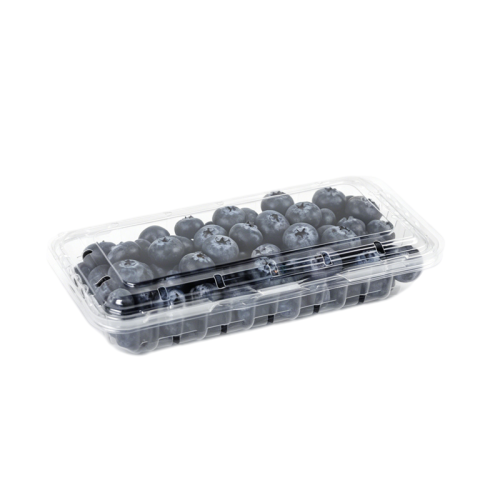
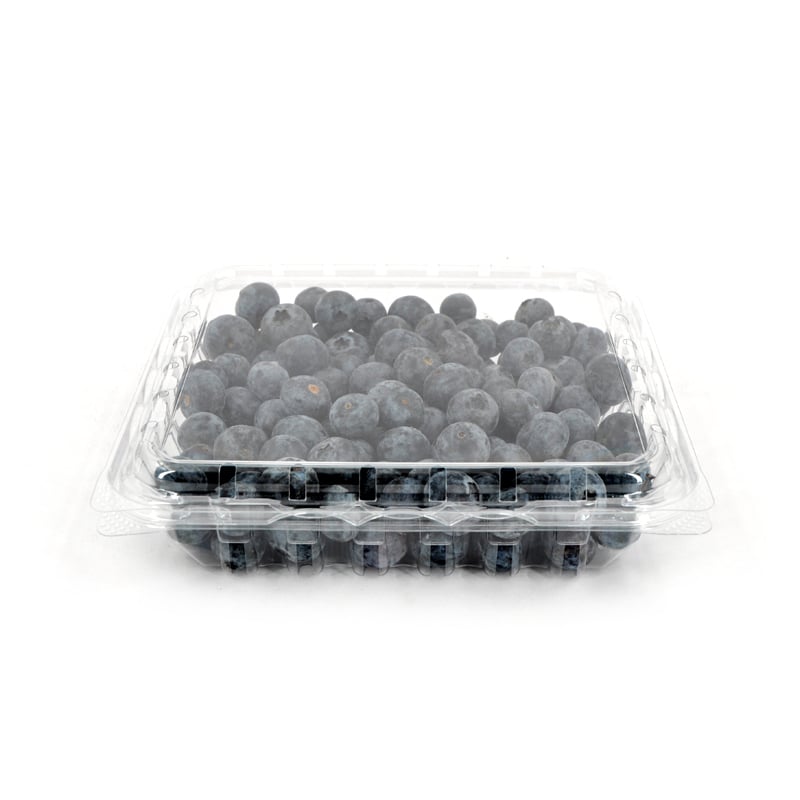
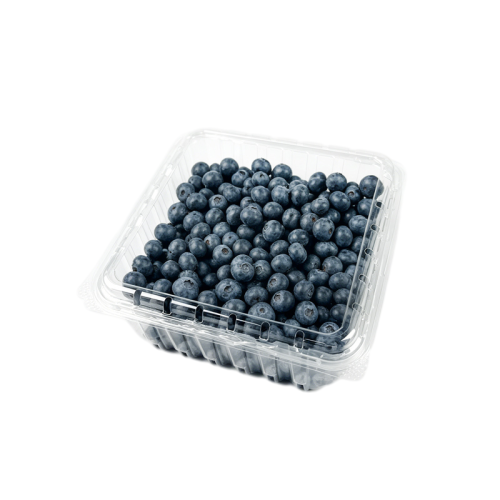
Plastic clamshell packaging is a versatile and widely utilized solution in various industries, particularly in food packaging. This type of packaging is characterized by its hinged design, which securely holds products while providing visibility and protection. As a B2B buyer, your primary concerns when selecting plastic clamshell packaging may include safety, quality, sustainability, and cost-effectiveness. This article will help you understand how to choose the right clamshell packaging plastic, key specifications to look for, common issues you might encounter, and the various applications across different sectors. This article will help you to understand the product more, so keep on reading it all
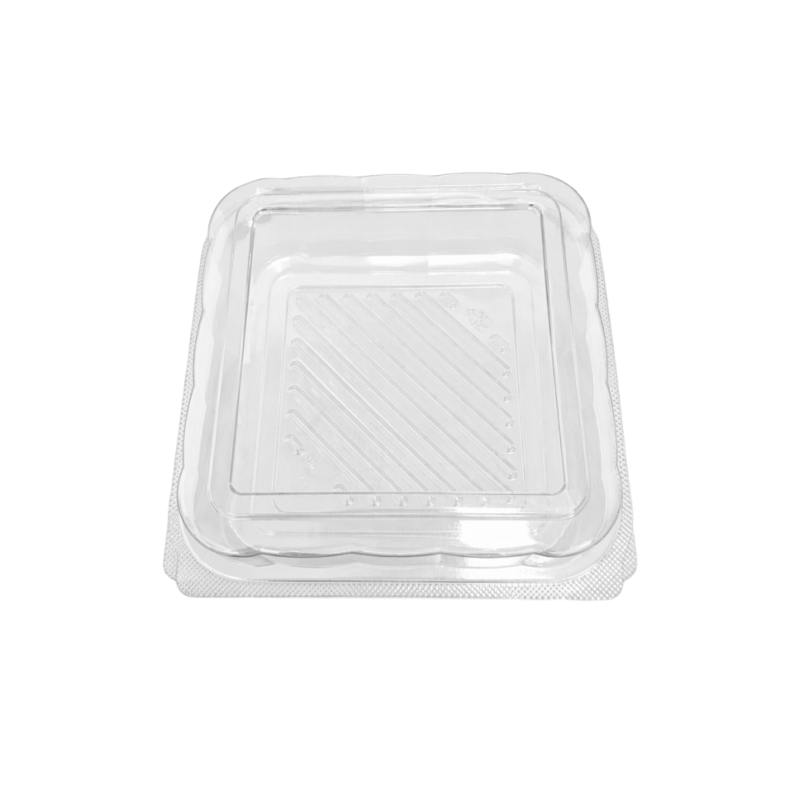
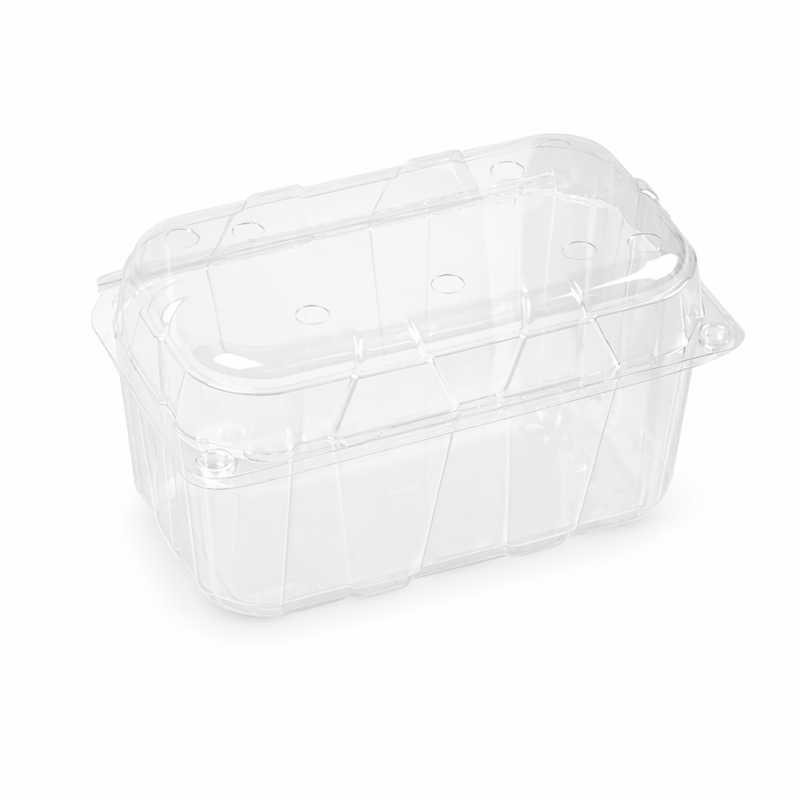
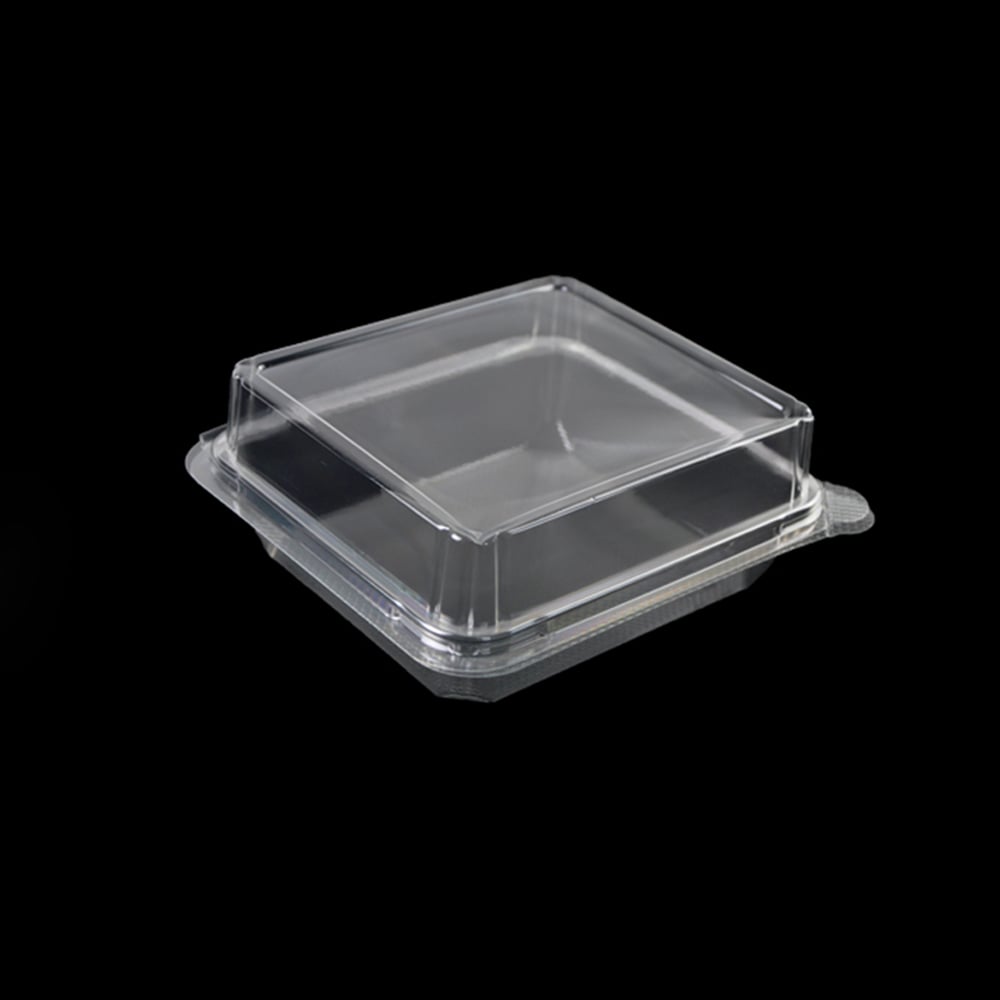
Key Specifications for High-Quality Plastic Clamshells
When evaluating plastic clamshell packaging, several key specifications can help determine quality and suitability:
Material Thickness: The thickness of the clamshell impacts its durability and rigidity. A thicker material may withstand pressure and stacking better, but excessive thickness may lead to increased costs.
Sealing Method: Reliable sealing is vital for maintaining product integrity. Hot sealing is commonly used, ensuring a secure closure that prevents contamination.
Barrier Properties: Consider the barrier characteristics of the material, especially for food packaging. Different plastics provide varying levels of oxygen and moisture permeability, which can affect shelf life.
Clarity and Printability: High clarity allows consumers to see the product clearly, enhancing appeal. Additionally, ensure that the clamshell can accommodate your branding requirements, whether through direct printing or labels.
Compliance Certifications: Verify that the clamshell meets relevant industry standards, such as FDA, BRC, and ISO certifications, ensuring safety and quality.