How to Choose Tamper Evident Deli Containers

All Categories
Review Full Line Catalog

Tamper evident deli containers

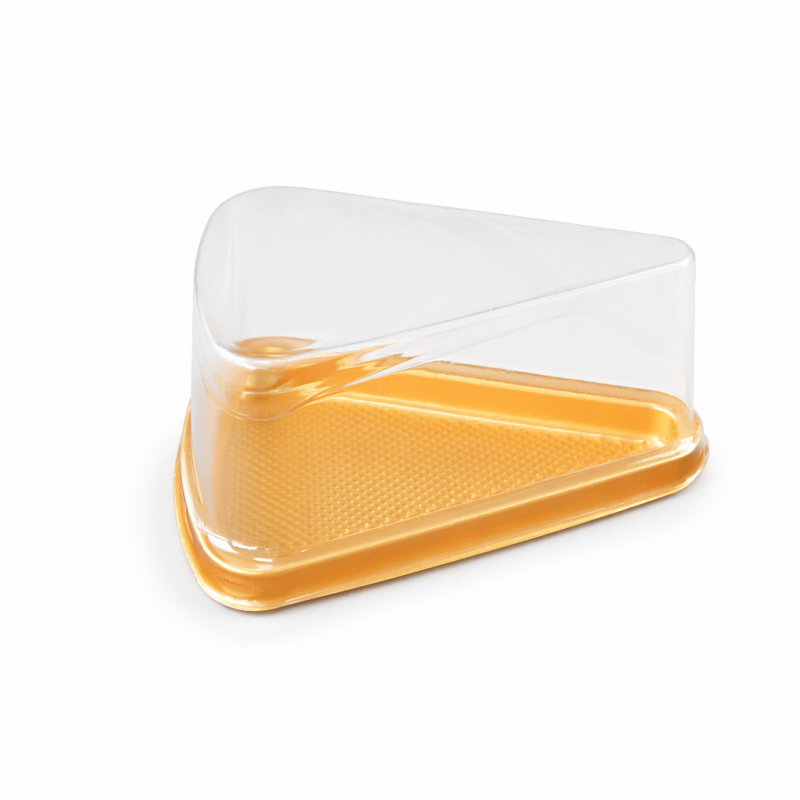
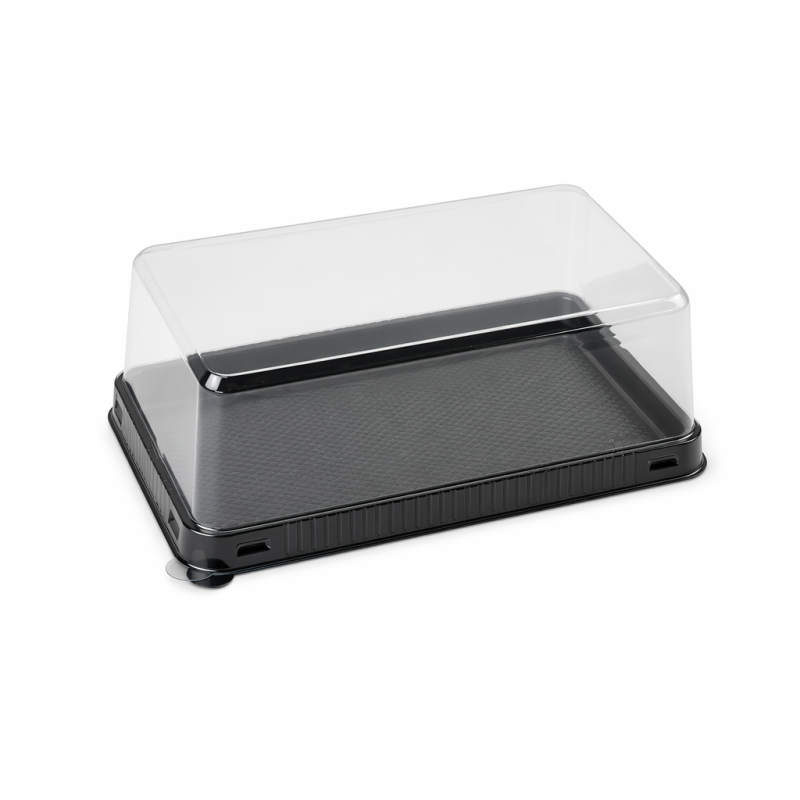
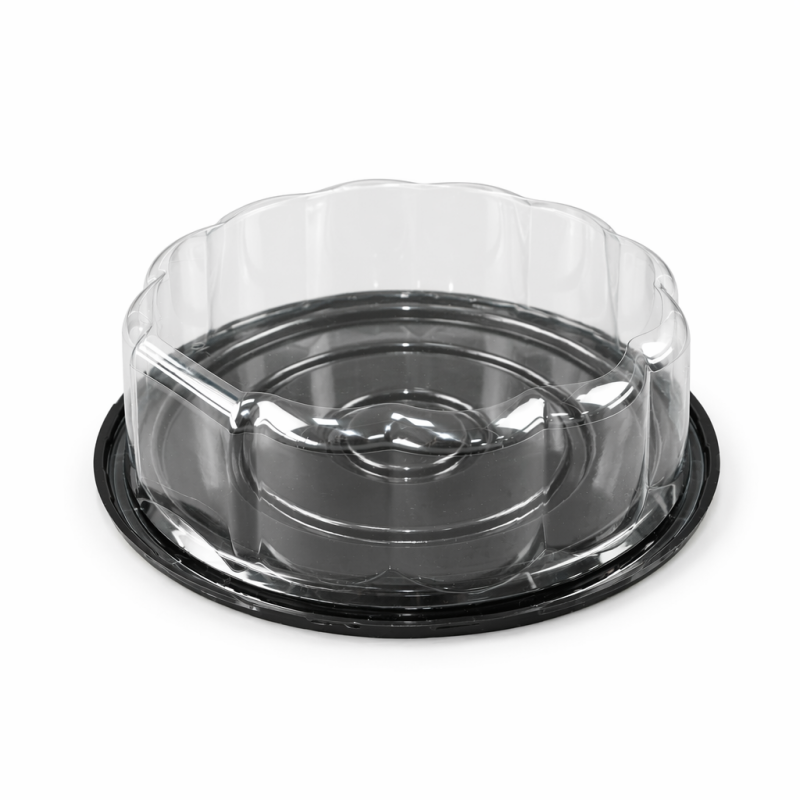
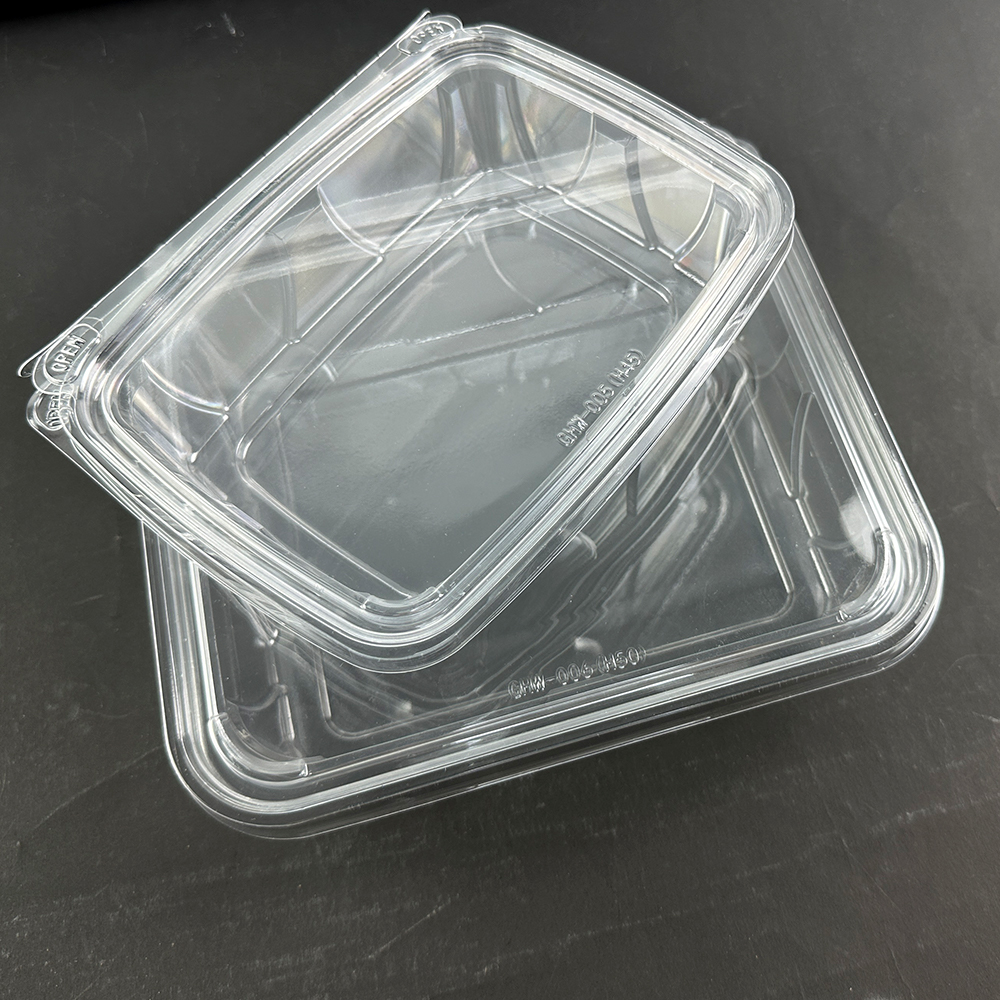
Tamper evident deli containers are essential packaging solutions that ensure food safety and integrity. Designed to prevent unauthorized access, these containers give buyers peace of mind, especially in sectors like food service and retail. As a purchasing manager or distributor, your main concerns often revolve around material quality, compliance with safety standards, and the overall cost-effectiveness of your packaging choices. This article will guide you through key considerations when selecting plastic deli containers for wholesale needs, sourcing reliable suppliers, understanding cost factors, addressing common issues, and installation guidance.
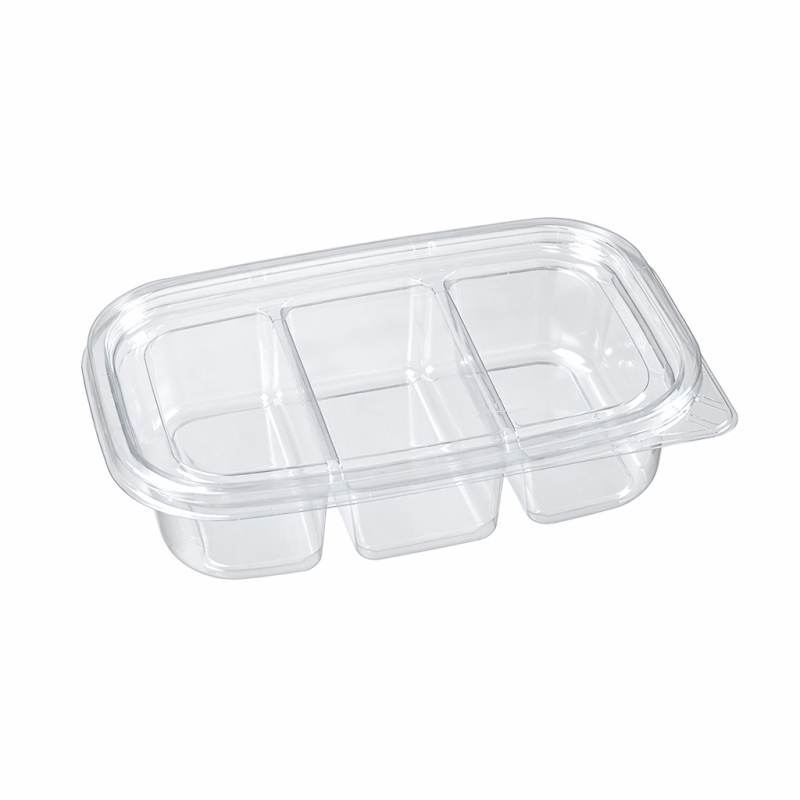
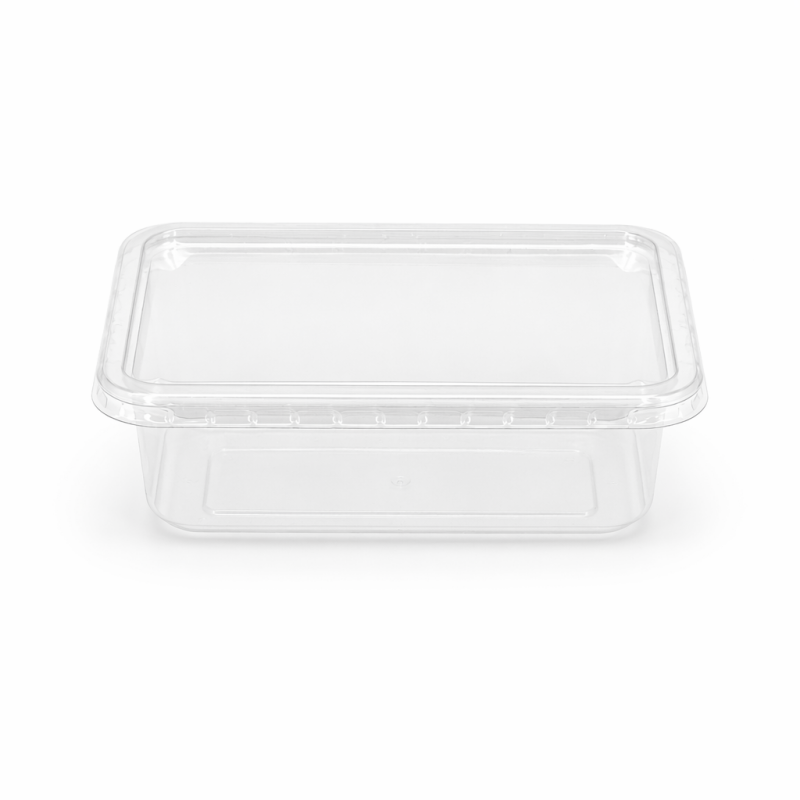
Our Products

Where to Source Reliable Tamper Evident Deli Container Suppliers

Where to Source Reliable Tamper Evident Deli Container Suppliers

Sourcing reliable suppliers for tamper evident deli containers involves several strategic steps: 

Research and Reviews: Start by researching manufacturers with a strong reputation in food packaging. Look for online reviews, case studies, and testimonials from other businesses in your industry. 

Certifications: Choose suppliers that hold industry-standard certifications such as FDA, BRC, or ISO. These certifications indicate a commitment to quality and safety in production. 

Production Capabilities: Assess the supplier's manufacturing capabilities. A company like Zhejiang Qunlu New Material Co., Ltd., for example, uses advanced German/Japanese thermoforming lines, which can guarantee high-quality production and consistent supply. 

Sample Requests: Always request samples before making bulk purchases. Testing the samples for quality, durability, and functionality can help avoid potential issues down the line. 

Customer Support: Evaluate their customer service. Reliable suppliers should be responsive and willing to provide all necessary information regarding their products. 

By carefully selecting suppliers based on these criteria, you can build a strong foundation for your packaging needs.
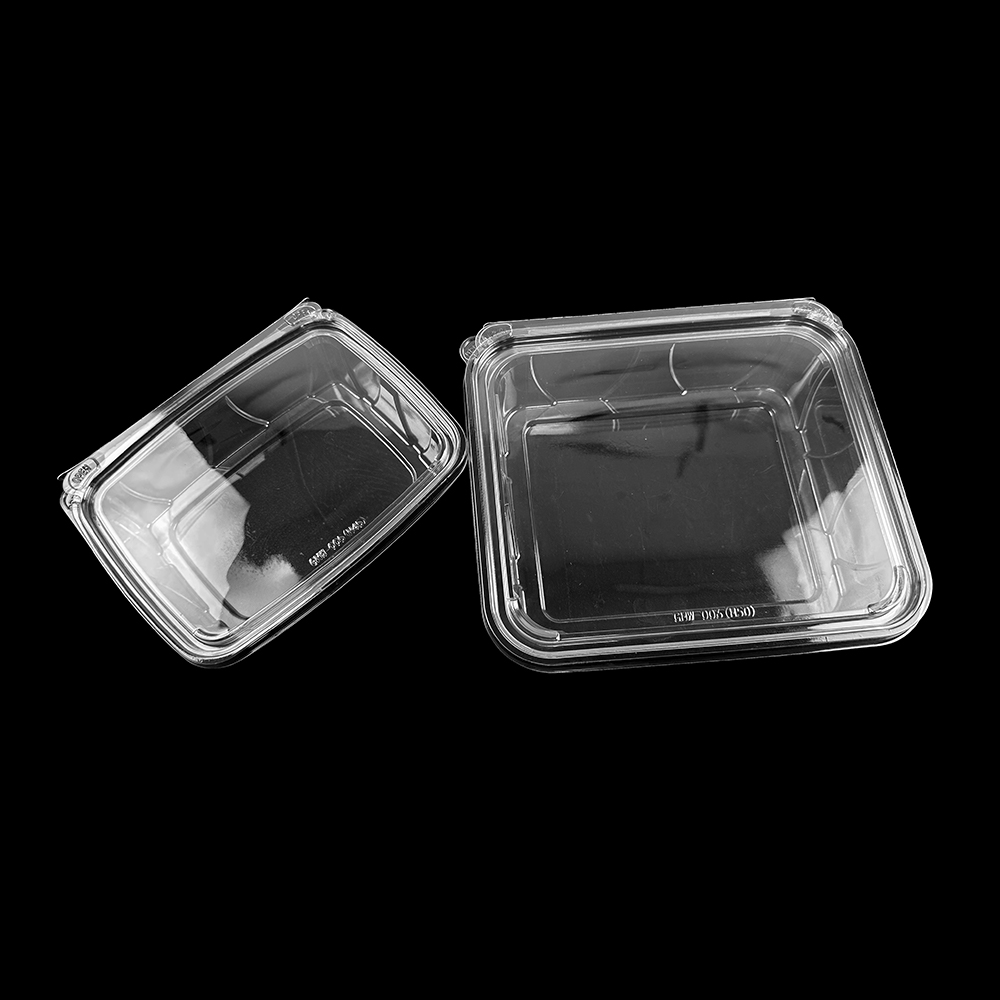
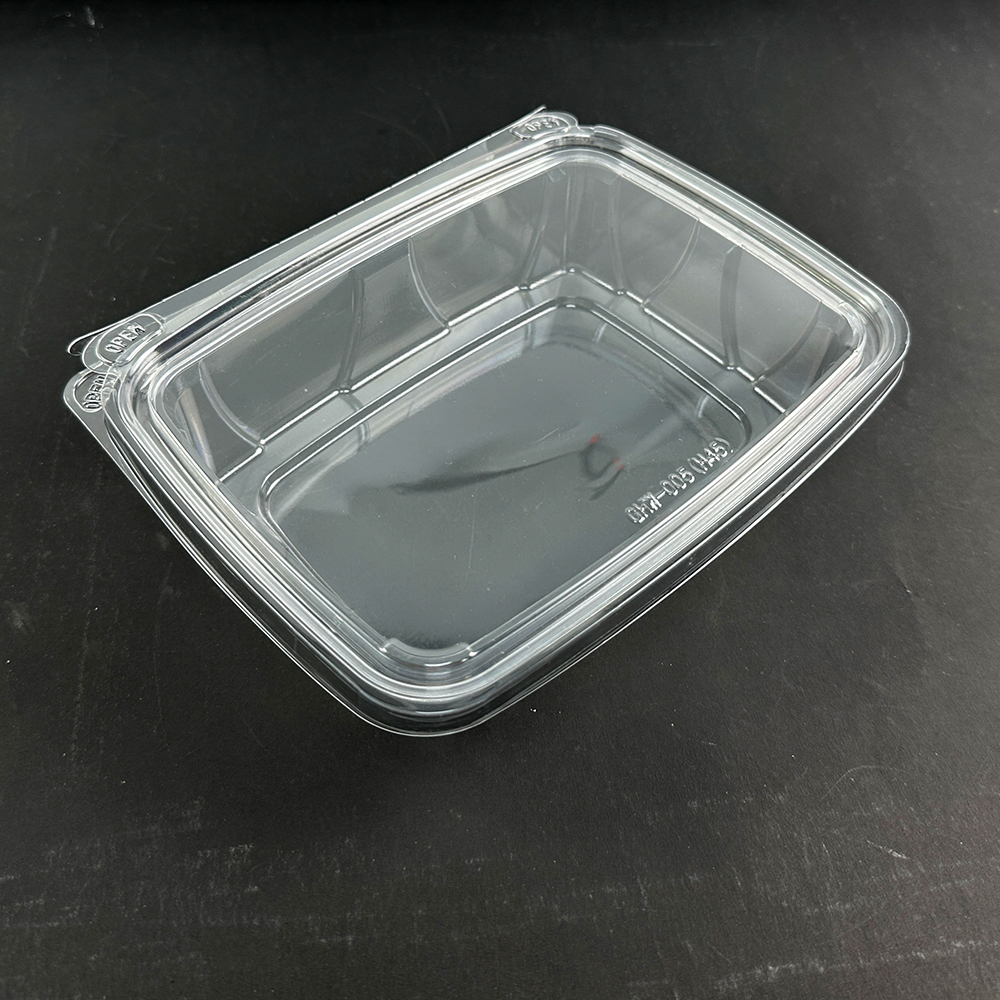
Cost Factors to Consider When Purchasing Deli Containers Wholesale

Cost Factors to Consider When Purchasing Deli Containers Wholesale

Understanding the cost structure of tamper evident deli containers is crucial for effective budgeting. Here are some factors that can influence pricing: 

Material Costs: The choice of material significantly impacts the price. For example, high-quality PET may cost more than standard PS, but it could also offer better performance and appeal. 

Customization Charges: If you require custom branding or specialized designs, be prepared for additional costs. Customization can enhance product visibility but may also extend lead times. 

Order Quantity: Most manufacturers have a Minimum Order Quantity (MOQ). Larger orders often lead to lower per-unit costs, making it advantageous to plan purchases effectively. 

Shipping and Logistics: Factor in the cost of shipping, which can vary depending on the distance and volume of the order. Efficient logistics can help minimize these costs. 

Quality Control: Ensure that the supplier includes quality control processes. Any defects or issues in the black deli containers can lead to financial losses through returns or unsatisfied customers. 

By understanding these cost factors, you can negotiate better deals and make sound purchasing decisions.

Common Problems with Tamper Evident Deli Containers and Solutions

Common Problems with Tamper Evident Deli Containers and Solutions

Identifying potential issues with QUNLU tamper evident deli containers can help you prevent costly errors. Here are some common problems and their solutions: 

Seal Failure: Sometimes, the tamper-evident seal may fail during transportation or storage. To mitigate this, ensure that the design includes robust sealing mechanisms and conduct thorough testing before mass production. 

Material Compatibility: Certain food items may react adversely with specific materials. It is crucial to choose containers that are compatible with the contents, particularly for acidic or oily foods. Always confirm with suppliers about material suitability for your specific applications. 

Inconsistent Sizing: Variations in container sizes can lead to packing issues and customer dissatisfaction. Select a supplier known for stringent quality control to minimize size discrepancies. 

Limited Shelf Life: Depending on the material and sealing method, some containers may not provide adequate protection against moisture or air, affecting the shelf life of the product. Opt for containers designed with barriers that meet your product's shelf life requirements. 

Regulatory Compliance Issues: Ensure that all packaging complies with local and international food safety regulations. Regular audits and reviews of supplier certifications can help maintain compliance. 

By proactively addressing these common issues, you can enhance the reliability and effectiveness of your packaging solutions.

Installation Guidance for Tamper Evident Deli Containers in Projects

When integrating QUNLU tamper evident deli containers into your projects, consider the following installation guidelines: 

Training Staff: Ensure that all staff handling the containers are properly trained on how to open and seal them correctly.  This training can help maintain the integrity of the tamper-evident feature. 

Storage Conditions: Store containers in a clean, dry environment to prevent contamination and ensure their structural integrity. Proper storage conditions will also help maintain the quality of the food items contained within. 

Usage Protocols: Establish clear protocols for how the containers should be filled, sealed, and labeled. This will help streamline operations and reduce the likelihood of errors. 

Quality Checks: Implement regular quality checks during the filling and sealing process to ensure that each container meets your quality standards. This step can help catch any potential issues early. 

Feedback Loop: Encourage feedback from staff on the usability of the containers. This information can provide insights into any operational challenges and help improve future selections. 

By following these guidelines, you can ensure that your tamper evident deli containers are effectively integrated into your operations, maximizing both safety and efficiency. 

How to Choose Tamper Evident Deli Containers for Wholesale Needs

When selecting tamper evident deli containers, focus on the intended application and the specific requirements of your operation. Key factors to consider include: 

Material: Common materials for deli containers include PET, PP, and PS. Each material has unique properties; for instance, PET offers excellent clarity and strength, making it ideal for displaying food products, while PP is more heat-resistant and suitable for hot foods. 

Size and Dimensions: Consider the portion sizes you will serve. Containers come in various sizes; having a range of dimensions will allow you to cater to different food items, from salads to sandwiches. 

Tamper Evident Features: Ensure that the design includes a reliable tamper-evident mechanism, such as a breakable seal or a unique closure system. This feature is critical for consumer confidence and regulatory compliance. 

Compliance and Certification: Verify that the rectangular deli containers meet relevant safety standards, such as FDA or BRC certifications, which ensure that the materials are safe for food contact. 

Customization Options: Depending on your branding needs, consider suppliers who offer customization in terms of printing, colors, and design. This can enhance your product’s marketability. 

By assessing these factors, you can make an informed decision that aligns with your business needs and customer expectations.

Frequently Asked Questions

What are tamper evident deli containers?

Containers designed with seals or features that show if opened, ensuring product integrity for food packaging and transport.
Manufactured from food-grade plastics using thermoforming lines; materials meet safety standards for food contact.
Yes. Produced under FDA, BRC, and ISO standards to meet global food safety and quality requirements.
Yes. We offer OEM and ODM services, including sizes, shapes, sealing options, and branding to meet client needs.
We prioritize sustainability by using recyclable materials and efficient production processes to reduce waste and support eco-friendly packaging.

Related product categories

Get a Free Quote

Our representative will contact you soon.
Email
Name
Company Name
Message
0/1000
Attachment
Please upload at least an attachment
Upload up to 3 files (maximum 30 MB). Supported formats: JPG, JPEG, PNG, PDF, DOC, DOCX, XLS, XLSX, CSV, TXT, STP, STEP, IGS, X_T, DXF, PRT, SLDPRT, SAT, RAR, ZIP.