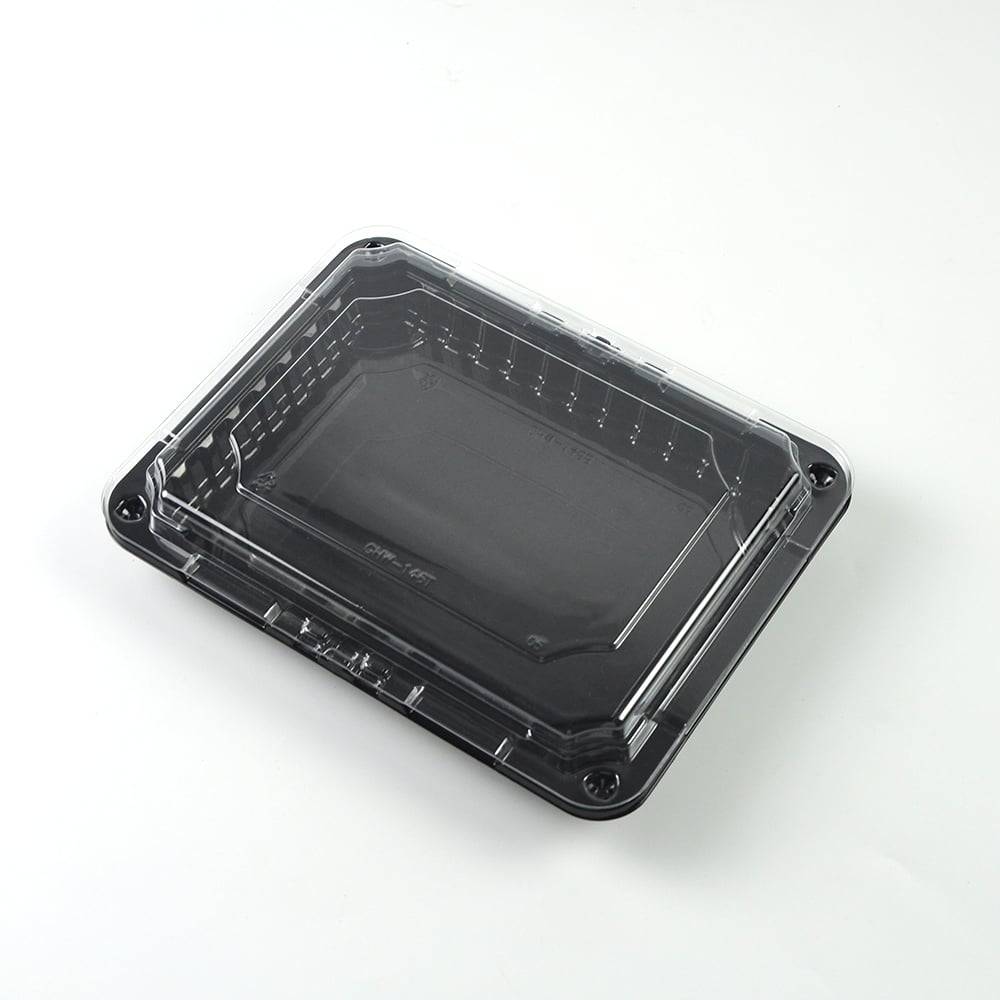
Choosing the Right Fruit Plastic Container

All Categories
Review Full Line Catalog

Fruit plastic container

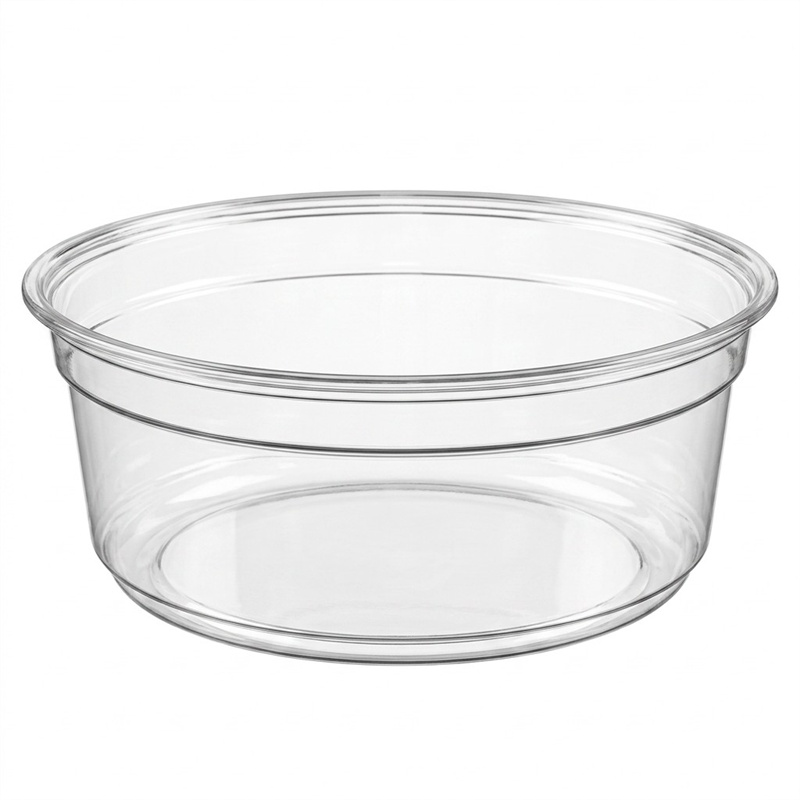
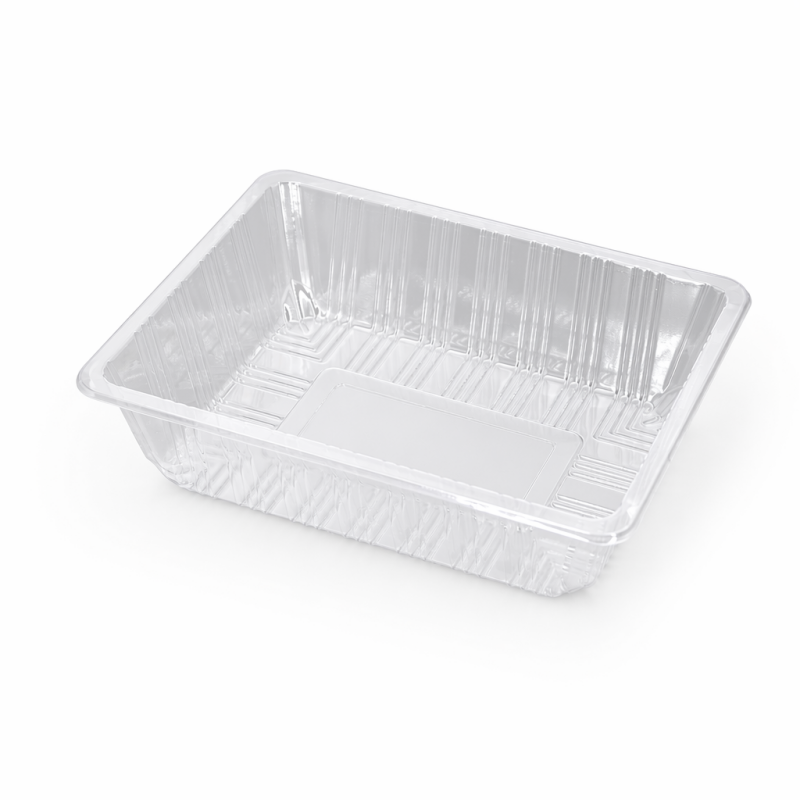
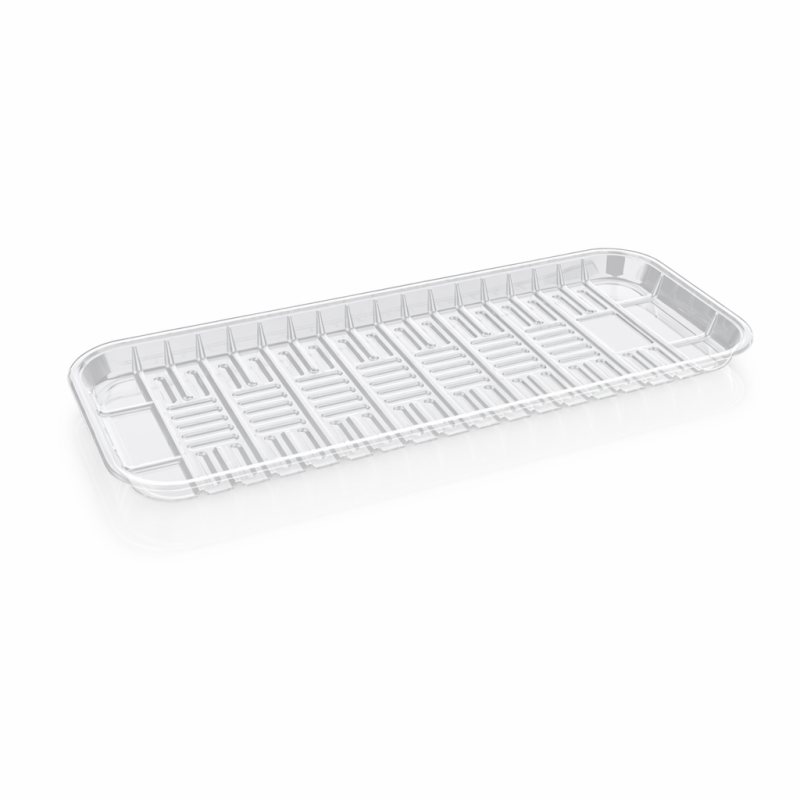
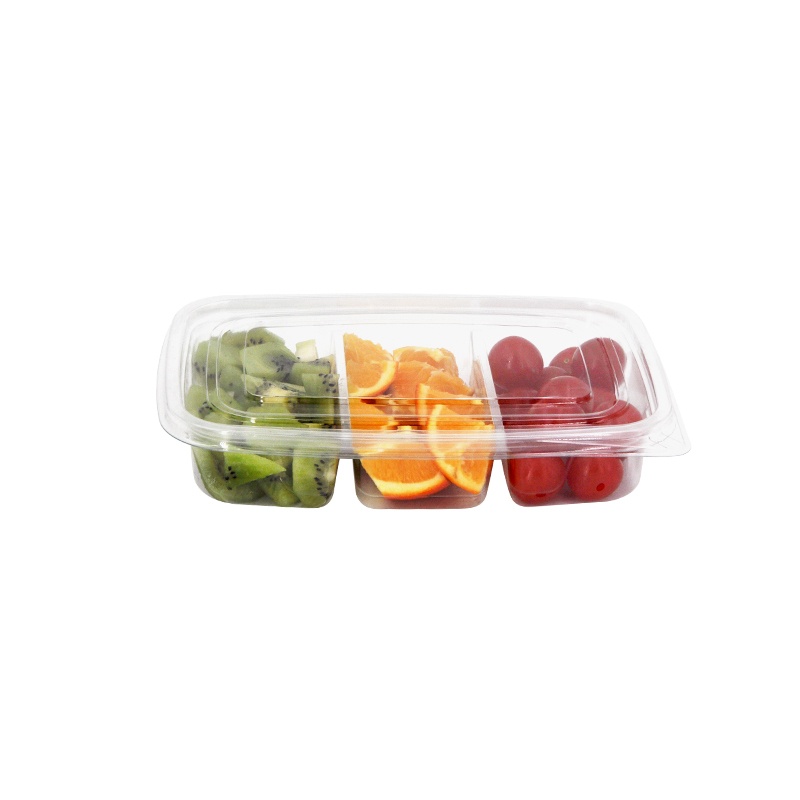
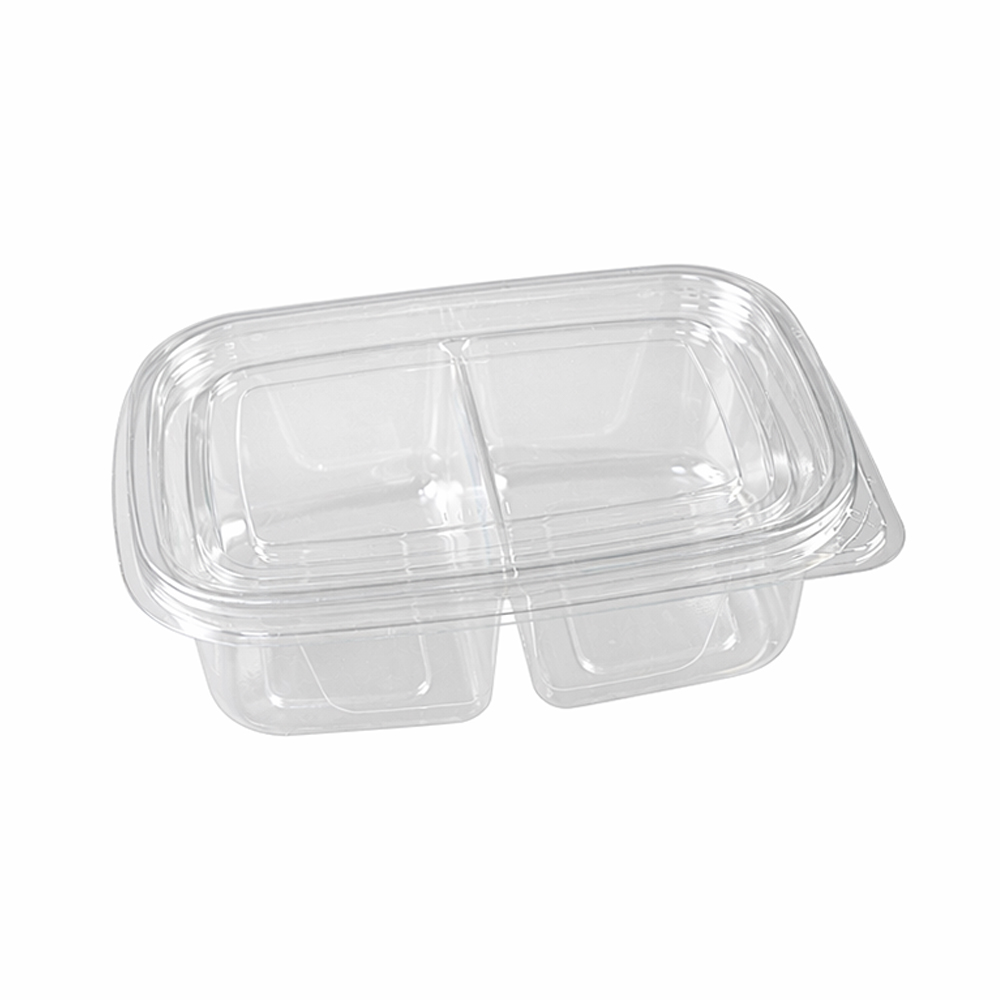
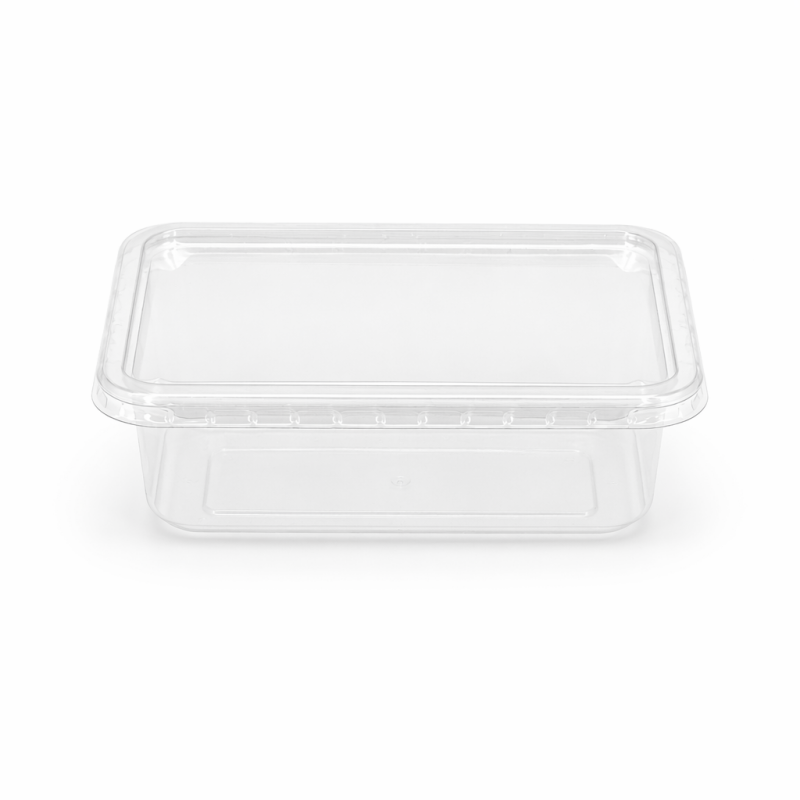
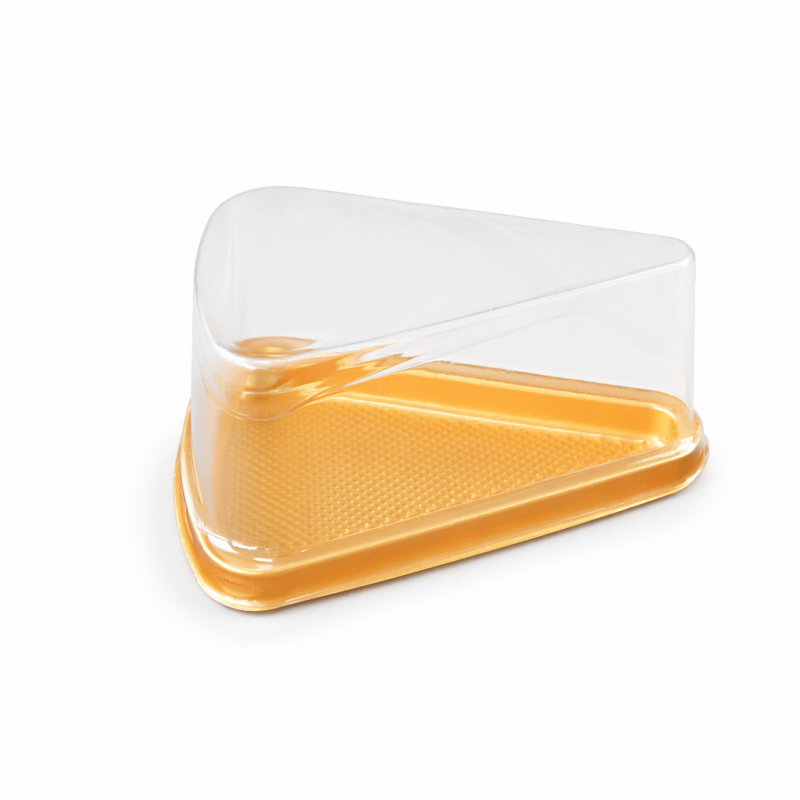
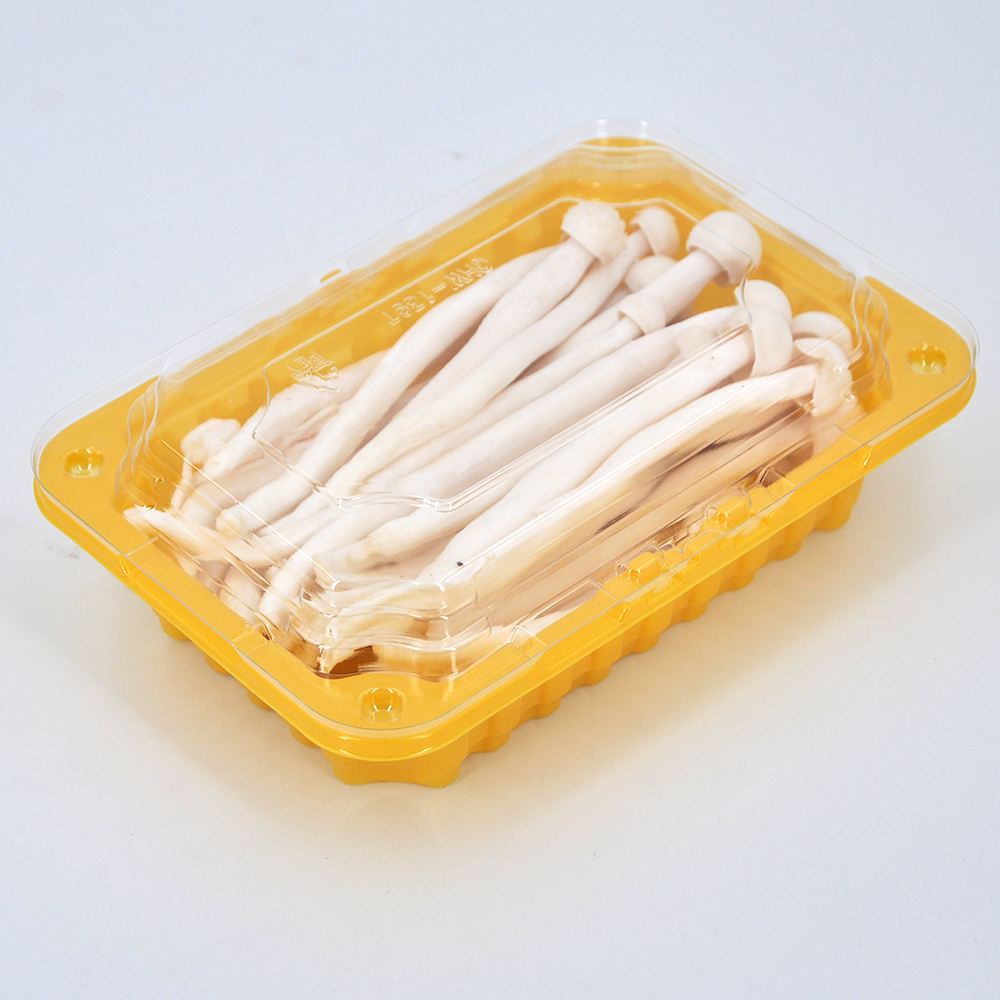
Fruit plastic containers are essential for preserving the freshness and quality of various fruits during storage and transportation. As a purchasing manager or supplier, your key concerns often revolve around durability, safety, sustainability, and cost-effectiveness. This article will guide you through selecting the right fruit disposable plastic container for your needs, understanding key specifications, sourcing reliable suppliers for fruit plastic containers, identifying common problems with fruit plastic containers, and installation guidance to ensure optimal performance in your projects. 
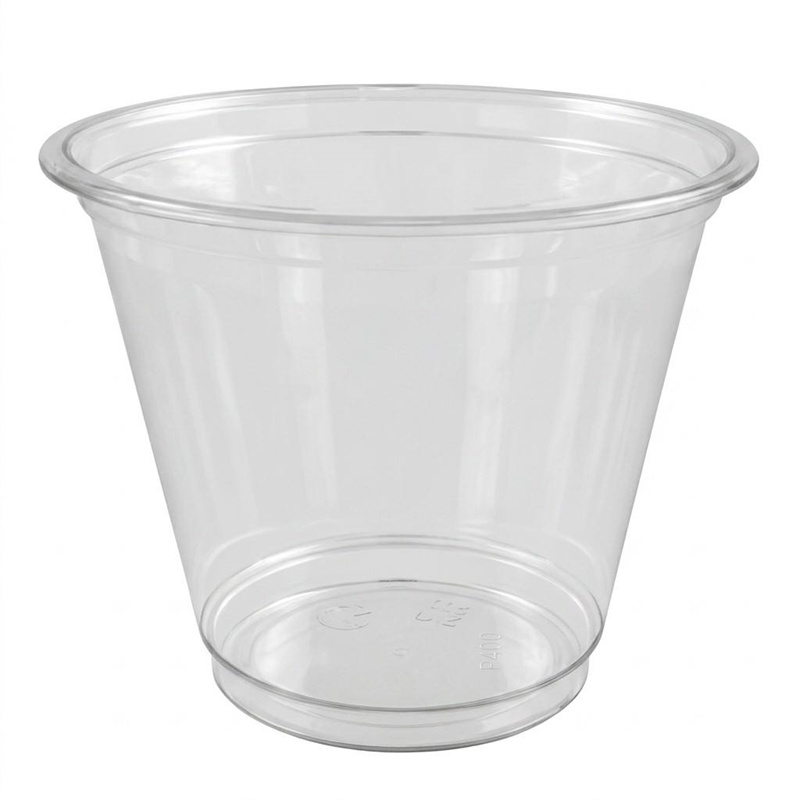
Our Products

Key Specifications for High-Quality Fruit Plastic Containers

Key Specifications for High-Quality Fruit Plastic Containers

When assessing fruit plastic containers, certain specifications are paramount. These include: 

Material: High-density polyethylene (HDPE) and polypropylene (PP) are popular choices due to their durability and safety for food contact. Ensure the materials comply with FDA regulations for food packaging. 

Thickness: The thickness of the container affects its strength and rigidity. A thicker container might offer better protection but could also increase costs. Evaluate the balance between protection and cost. 

Ventilation: Containers designed with adequate ventilation holes are essential for fruits that release gases, like ethylene. This helps to maintain freshness and reduce spoilage. 

Sealing Mechanism: The type of sealing is critical in preventing contamination and extending shelf life. Consider options that provide tamper evidence while maintaining ease of access. 

Load Capacity: Ensure that the container can support the weight of your produce without deforming or breaking during transportation. 

Understanding these specifications allows you to make informed decisions that align with your quality standards and operational needs. 
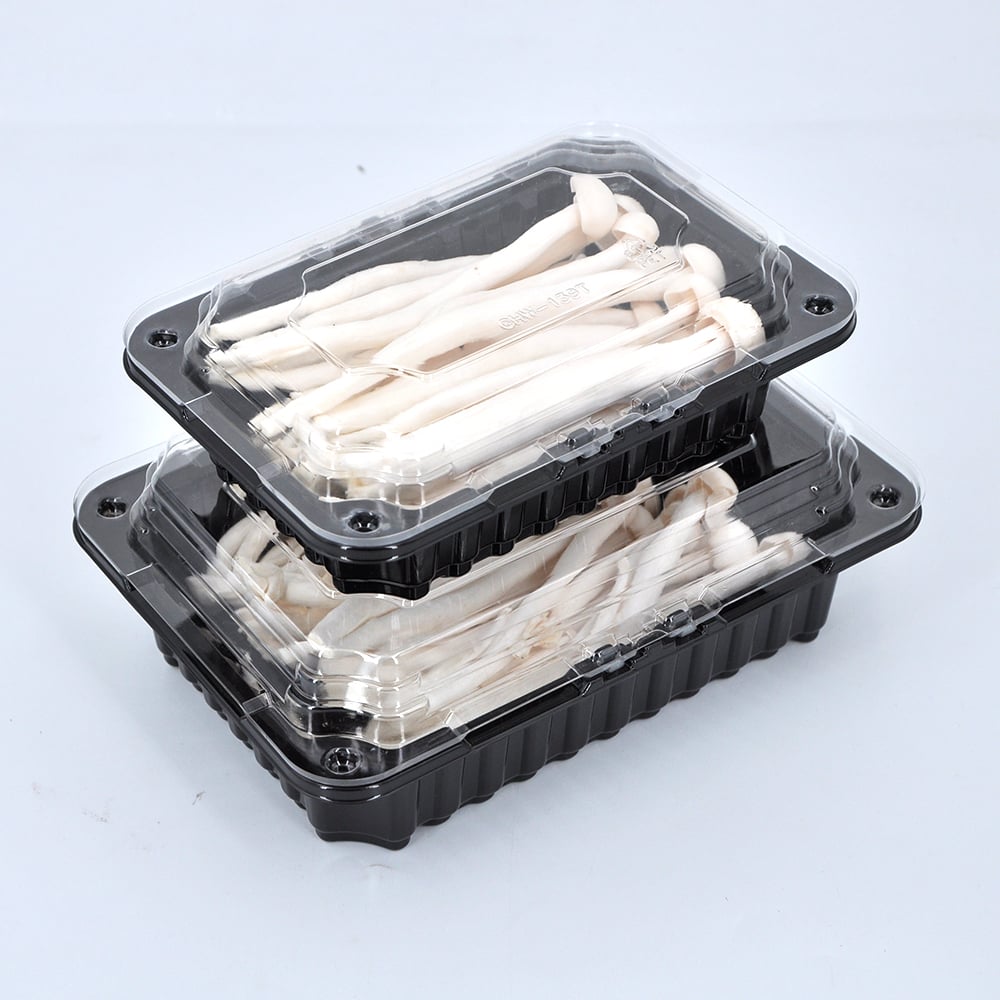
Where to Source Reliable Suppliers for Fruit Plastic Containers

Where to Source Reliable Suppliers for Fruit Plastic Containers

Sourcing reliable suppliers for fruit plastic containers involves thorough research and evaluation. Start by identifying manufacturers with a proven track record in food packaging. Certifications such as FDA, BRC, and ISO can indicate adherence to quality and safety standards. 

Utilize industry directories and trade shows to connect with potential suppliers. Request samples to assess the quality firsthand. This step is crucial; viewing a product in person allows you to evaluate its material, construction, and suitability for your needs more effectively than photographs or descriptions alone. 

When negotiating, inquire about customization capabilities and minimum order quantities (MOQ). A supplier that can accommodate smaller MOQs may be beneficial for testing new products or packaging designs without committing to large volumes upfront. 

Finally, consider the supplier's production capacity and lead times to ensure that they can meet your demand cycles without delays. 

Common Problems with Fruit Plastic Containers and Their Solutions

Common Problems with Fruit Plastic Containers and Their Solutions

Despite their advantages, high-quality fruit plastic containers can present several challenges. Common issues include: 

Breakage during Transport: Containers made from low-quality materials may crack or break, leading to product loss. To mitigate this, select containers from reputable manufacturers that use high-quality plastics designed for durability. 

Moisture Accumulation: Improper ventilation can lead to condensation and spoilage. Ensure that the container design includes adequate ventilation holes tailored to the type of fruit being packaged. 

Incompatibility with Packing Machines: Some containers may not fit well with existing packing equipment, leading to inefficiencies. Before placing large orders, conduct compatibility tests with your machinery. 

Regulatory Compliance: Non-compliance with food safety regulations can lead to significant consequences. Always verify that the materials used in your containers meet local and international standards. 

Addressing these issues during the selection process can enhance the efficiency of your packaging operations and preserve the quality of your products. 

Installation Guidance for Fruit Plastic Containers in Your Projects

Proper installation and handling of fruit plastic containers are crucial for ensuring their effectiveness. Here are some practical steps to follow: 

Pre-Production Sample Approval: Always request a sample before mass production. This allows you to assess dimensions, fit, surface appearance, and performance under actual conditions. 

Training Staff: Ensure that your team is trained on the correct handling and packing procedures. This minimizes damage during loading and unloading. 

Storage Conditions: Store containers in a clean, dry area away from direct sunlight to prevent degradation of the plastic. Proper storage helps maintain the integrity and performance of the containers. 

Testing: Conduct tests to assess how the containers perform under various conditions, including temperature fluctuations and transportation stress. This can reveal any potential weaknesses before full-scale implementation. 

By following these guidelines, you can ensure that your fresh fruit packaging perform optimally, safeguarding your products during their journey from the supplier to the end consumer. 

By understanding how to choose the right fruit plastic container, recognizing key specifications, sourcing reliable suppliers, addressing common issues, and following installation guidance, you can enhance your packaging strategy and ensure that your fruits reach customers in peak condition.   

How to Choose the Right Fruit Plastic Container for Your Needs

Selecting the appropriate fruit plastic containers involves several factors that align with the specific requirements of your products and distribution channels. Consider the type of fruit you are packaging; for instance, delicate berries may require fruit packing containers with ventilation to prevent moisture buildup, while sturdier fruits like apples can be packaged in more robust clamshells. 

Moreover, think about the expected shelf life and storage conditions. Containers with high barrier properties can protect against moisture and oxygen, extending the freshness of the fruit. Evaluate the container size and shape as well; these should align with your logistics strategy to optimize space during transport. 

Customization options are also crucial. Many manufacturers, including Zhejiang Qunlu New Material Co., Ltd., offer OEM/ODM services that allow you to tailor the design, color, and branding of your packaging. This helps not only in aligning with your brand identity but also in meeting specific market preferences. 

Frequently Asked Questions

What materials are used in the fruit plastic container?

Our fruit plastic containers are made from food-grade plastic suitable for food contact, produced on German/Japanese thermoforming lines and meeting FDA, BRC, and ISO standards.
Yes. They are manufactured in certified facilities (FDA/BRC/ISO) and designed for safe fruit packaging with hygienic production and quality controls.
Yes. We offer OEM/ODM customization of sizes, shapes, lids, and printing to meet brand requirements and product specifications.
Yes. We provide recyclable and eco-friendlier material options and can advise on sustainable designs to reduce waste while maintaining safety and performance.
MOQ and lead time depend on design and customization; typical MOQs apply for OEM runs. Contact us with specifications for a precise quote and production timeline.

Related product categories

Get a Free Quote

Our representative will contact you soon.
Email
Name
Company Name
Message
0/1000
Attachment
Please upload at least an attachment
Upload up to 3 files (maximum 30 MB). Supported formats: JPG, JPEG, PNG, PDF, DOC, DOCX, XLS, XLSX, CSV, TXT, STP, STEP, IGS, X_T, DXF, PRT, SLDPRT, SAT, RAR, ZIP.