Choosing Optimal Fruit Packing Solutions for Wholesale

All Categories
Review Full Line Catalog

Fruit packing

Choosing the right fruit packing solutions is essential for wholesalers looking to ensure product safety, extend shelf life, and enhance the overall presentation of their offerings. This article will delve into critical factors buyers should consider when evaluating fruit packaging supplies, helping them navigate the complexities of materials, costs, and certifications to make informed purchasing decisions. This article will help you to understand the product more, so keep on reading it all. 
Our Products

A Buyers Guide

A Buyers Guide

Navigating the selection of QUNLU fruit packing solutions requires understanding specific requirements that can vary significantly based on the application. Buyers should start by assessing their product specifications, including dimensions, weight, and the expected shelf life of the fruit. Additionally, they should inquire about the minimum order quantities (MOQ) and lead times, which can affect their supply chain management. 

When evaluating suppliers, it's beneficial to seek out manufacturers with robust customization capabilities. This may involve unique designs or specific branding requirements that can enhance product visibility in the market. It's also wise to request samples to assess the quality and performance of the fruit packing solutions under real-world conditions before committing to a bulk order. 

Furthermore, potential buyers should prepare a detailed request for quotation (RFQ) that includes all relevant specifications, desired materials, and any additional customization needs. This preparation not only streamlines the purchasing process but also ensures that suppliers can provide accurate pricing and delivery timelines.
Cost Factors to Consider When Purchasing Fruit Packing Solutions

Cost Factors to Consider When Purchasing Fruit Packing Solutions

Understanding the cost structure of fruit packing solutions is vital for effective budgeting and pricing strategy. Several factors influence the overall cost, including material type, production complexity, and order quantity. For instance, biodegradable materials may come at a premium compared to standard plastics, reflecting their environmental benefits and consumer demand. 

Additionally, the manufacturing process can significantly impact costs. High-quality production lines, like the German and Japanese thermoforming lines used by Zhejiang Qunlu New Material Co., Ltd., can lead to better precision and consistency, potentially justifying a higher price point. Buyers should also account for shipping and handling fees, which can vary depending on the weight and dimensions of the plastic fruit plate. 

In terms of pricing strategy, it is essential to balance quality with cost. Opting for the cheapest option may save money upfront but could result in increased losses from damaged products or dissatisfied customers. Thus, thorough evaluation of long-term value versus initial cost is crucial. 

Comparing Different Fruit Packing Options for Optimal Performance

Comparing Different Fruit Packing Options for Optimal Performance

When comparing fruit packing options, it's important to assess performance factors such as strength, barrier properties, and user-friendliness. Different packaging types serve varied purposes and should be evaluated based on the specific needs of the fruit being packed. 

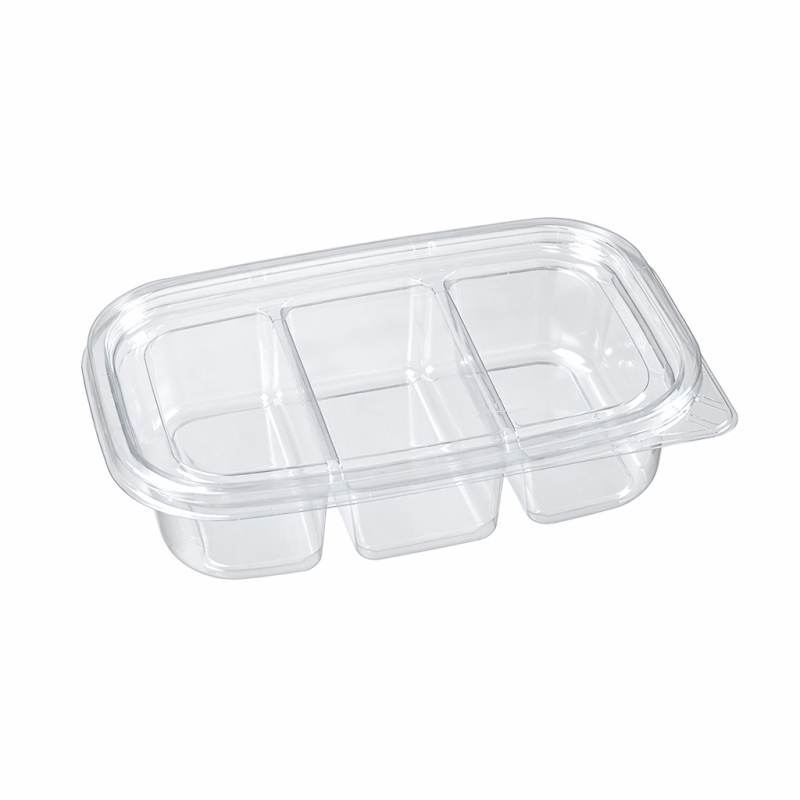
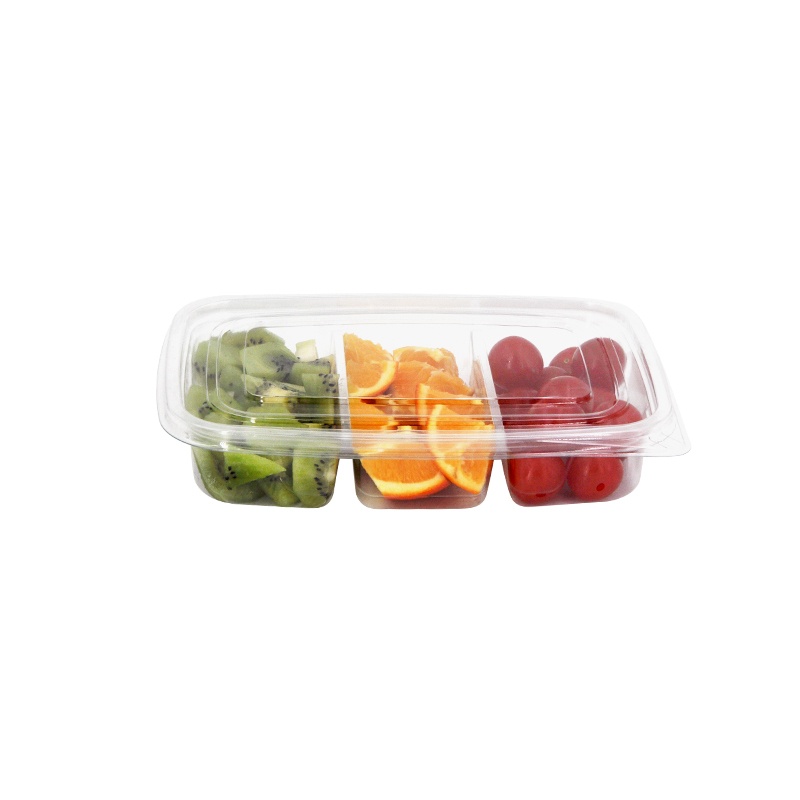
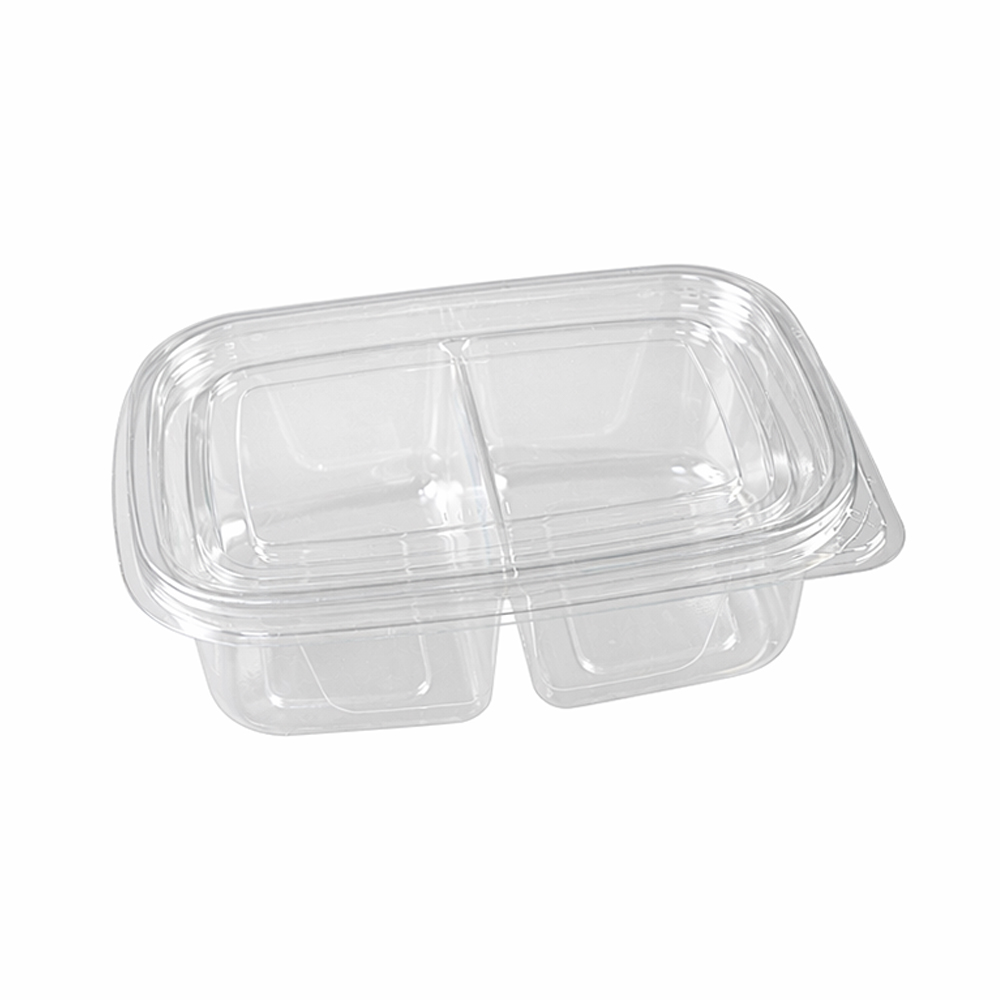
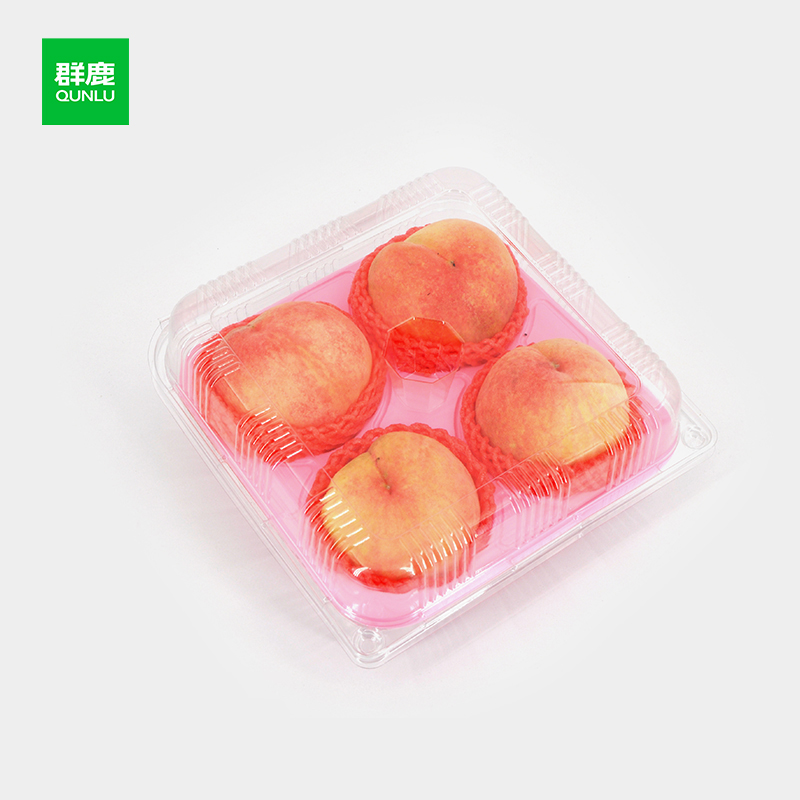
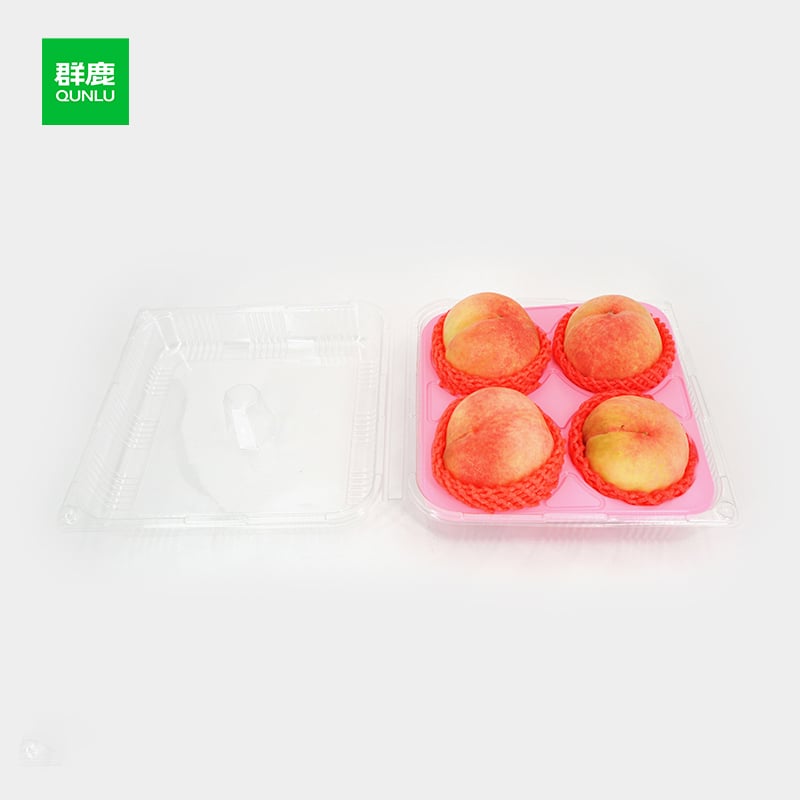
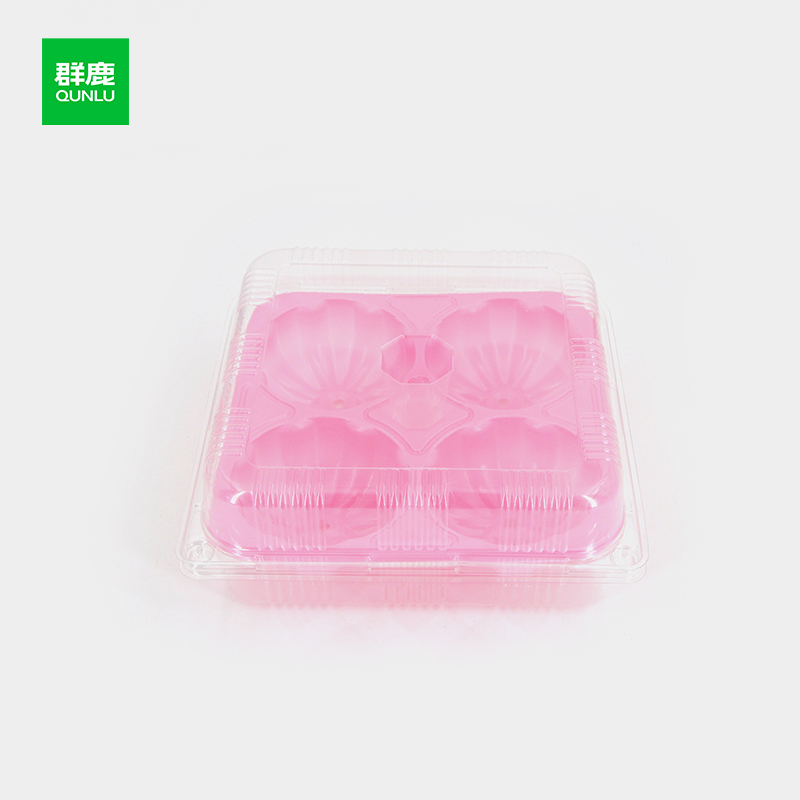
For example, clamshells offer visibility and breathability, making them ideal for soft fruits like strawberries, while rigid trays can provide better support for heavier fruits like apples. Additionally, the sealing method plays a role in performance; heat sealing can enhance product security and extend shelf life by minimizing exposure to air. 

Buyers should also consider compatibility with existing fruit packing solutions and shipping processes. Packaging that integrates seamlessly with automated fruit packing solutions can improve efficiency and reduce labor costs. Evaluating these factors holistically will ensure that businesses select a fruit packing solutions that maximizes both performance and efficiency.

Benefits of Using Certified Fruit Packing Materials in Your Supply Chain

Using QUNLU certified fruit packing materials offers significant advantages that can enhance a company's reputation and operational efficiency. Certifications such as FDA, BRC, and ISO signal compliance with international safety and quality standards, instilling confidence in both suppliers and consumers. This can be particularly important for businesses operating in global markets where regulatory compliance is critical. This product is made with high-quality materials to ensure its efficiency and functionality. You will never ever regret of using this kind of product. 

Moreover, certified materials often undergo rigorous testing processes, which can lead to improved product quality and reduced risk of contamination. This, in turn, can lower the likelihood of returns and enhance customer satisfaction, as consumers are increasingly concerned about the safety and sustainability of their food sources. 

Additionally, employing certified materials can facilitate smoother logistics and distribution. Many retailers require proof of certification before accepting products, so ensuring that fruit packing solutions meets these standards can streamline the supply chain and avoid potential delays. 

buyers should prioritize certified fruit packing solutions to not only meet regulatory requirements but also to enhance product integrity and consumer trust. By carefully considering the factors outlined, wholesalers can make informed decisions that positively impact their business operations and customer satisfaction. 

What to Consider When Choosing Fruit Packing Solutions for Wholesale

When selecting fruit packing solutions, buyers must prioritize several key factors that directly impact product quality and customer satisfaction. Firstly, the choice of materials is crucial. Using food-safe materials prevents contamination and preserves the freshness of fruits. Common materials include PET, PP, and biodegradable options, each offering varying degrees of durability and barrier properties against moisture and oxygen. Choosing this product is so easy if you trust on our brand. 

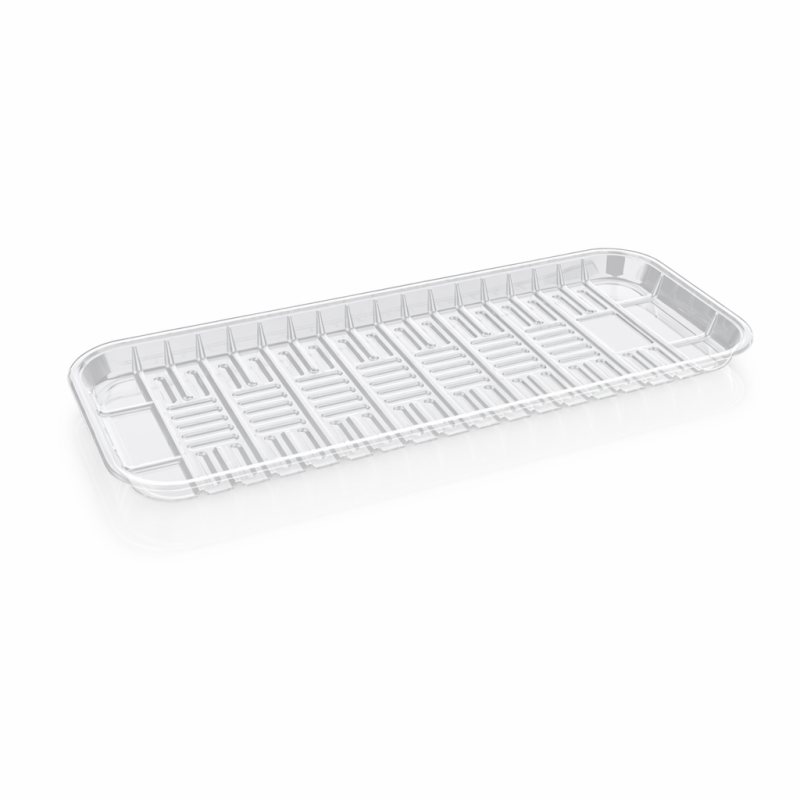
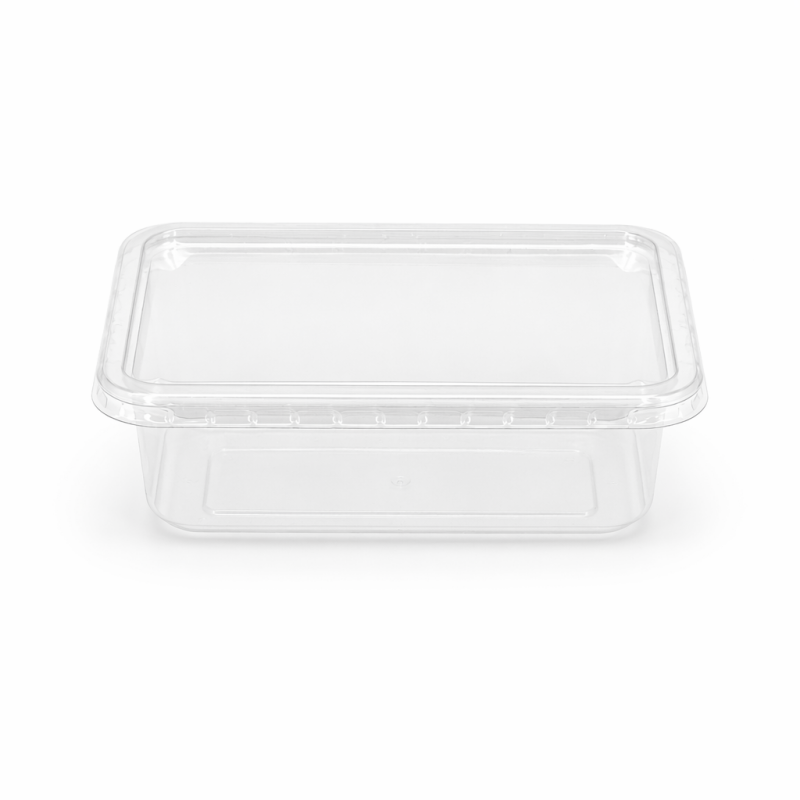
Secondly, the design and structure of the fruit packing solutions should align with the type of fruit being packed. For instance, clamshell packaging is ideal for berries and other delicate fruits, providing protection while allowing visibility. Conversely, trays may be more suitable for sturdier fruits, ensuring they are securely held during transport. 

Lastly, buyers should consider the certifications of the plastic fruit and veg trays materials. Certifications such as FDA, BRC, and ISO ensure that the products meet stringent safety and quality standards, which is particularly important for businesses serving global markets.

Frequently Asked Questions

What types of fruit packaging do you offer?

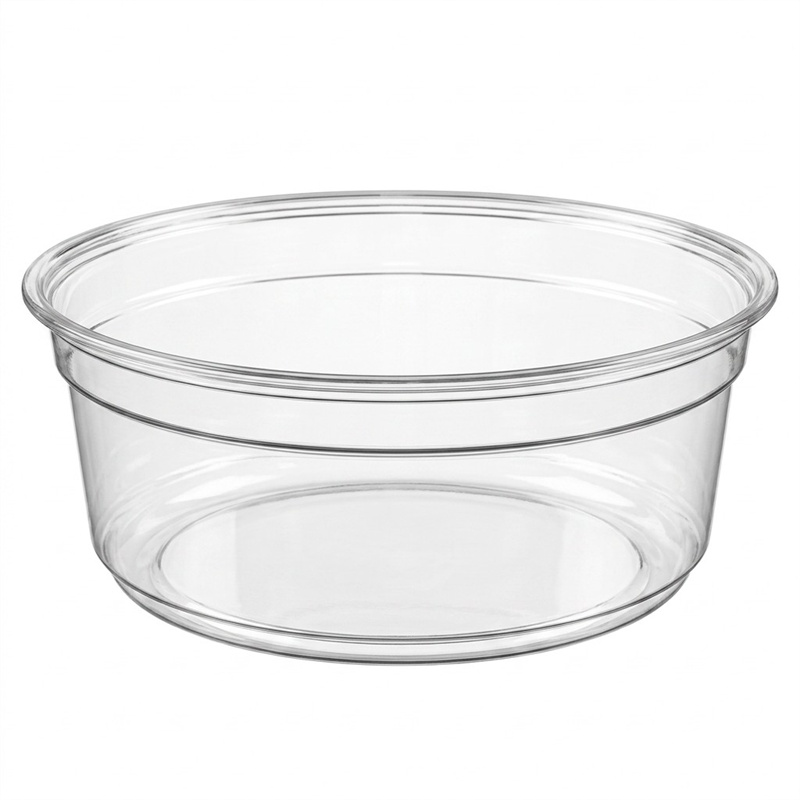
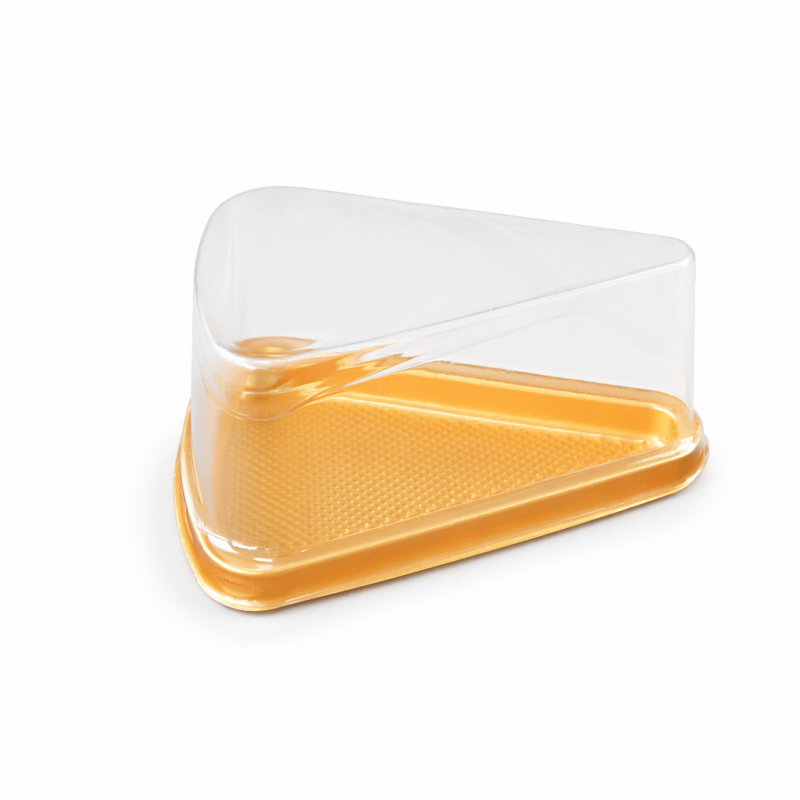
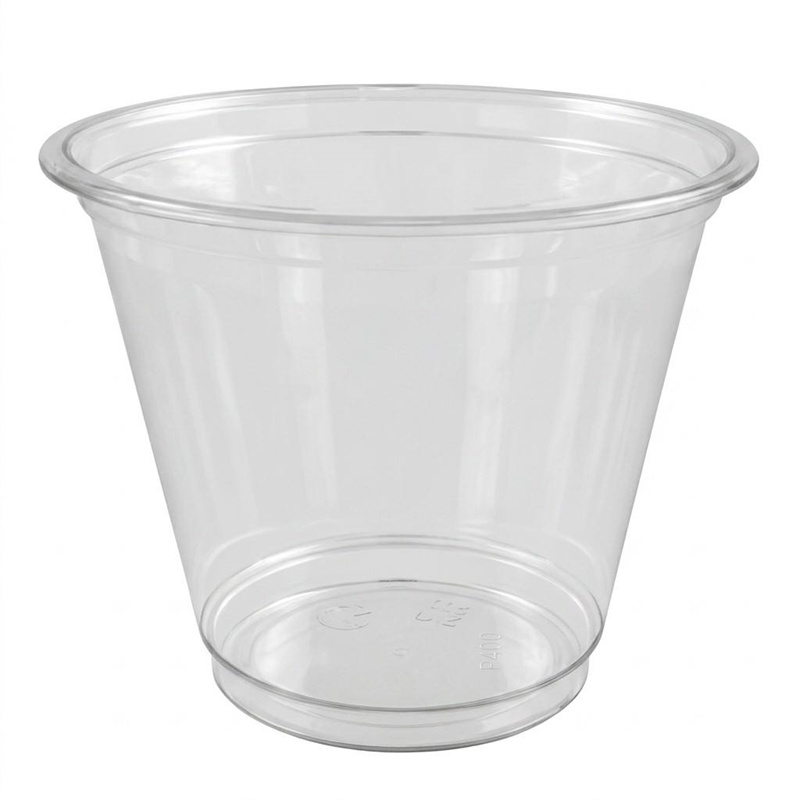
We produce cups, trays, clamshells, and containers via thermoforming lines, suitable for various fruits and portion sizes.
Yes. Our facilities hold FDA, BRC, and ISO certifications ensuring compliance with global food safety standards.
Yes. We provide OEM/ODM customization for dimensions, colors, labeling, and features to meet brand and product needs.
We use food-grade materials selected for safety and sustainability, with options designed to reduce material use and support recycling where available.
Lead times depend on order size and customization; please contact sales with specifications for an accurate production and delivery estimate.

Related product categories

Get a Free Quote

Our representative will contact you soon.
Email
Name
Company Name
Message
0/1000
Attachment
Please upload at least an attachment
Upload up to 3 files (maximum 30 MB). Supported formats: JPG, JPEG, PNG, PDF, DOC, DOCX, XLS, XLSX, CSV, TXT, STP, STEP, IGS, X_T, DXF, PRT, SLDPRT, SAT, RAR, ZIP.