EN

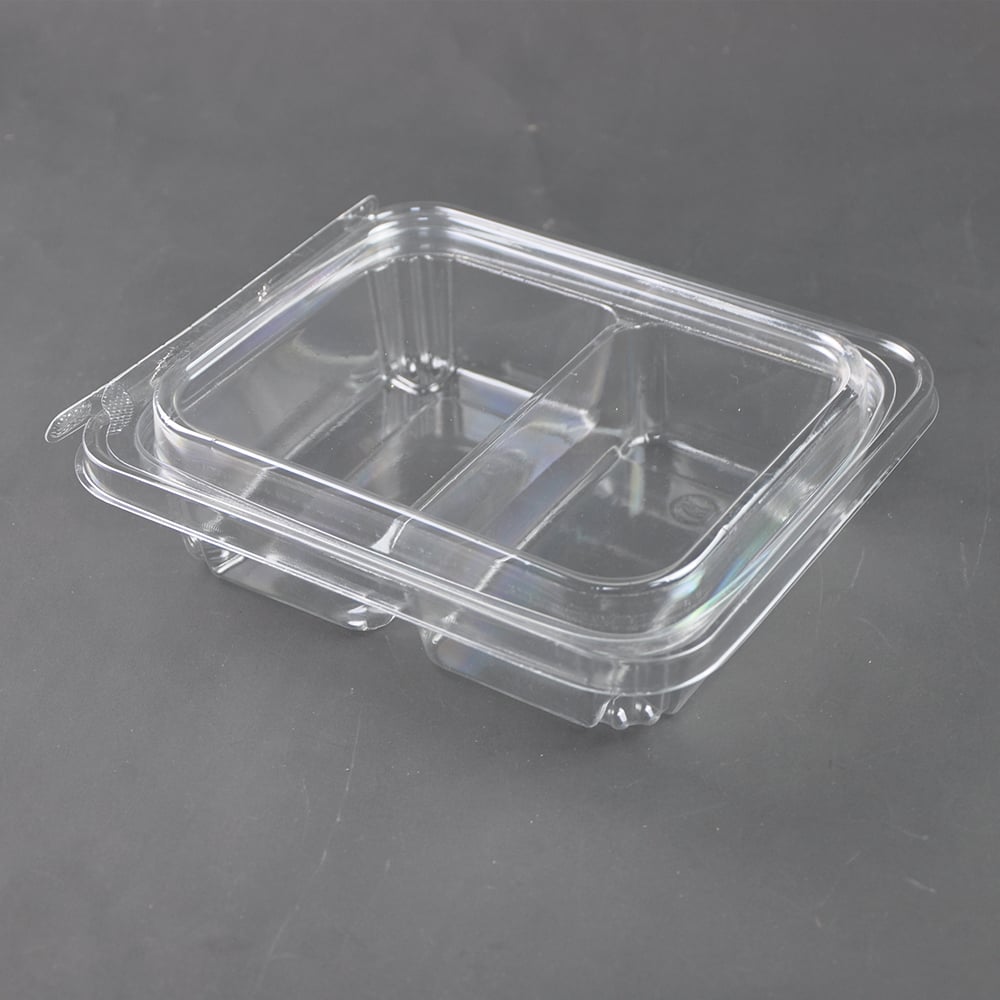
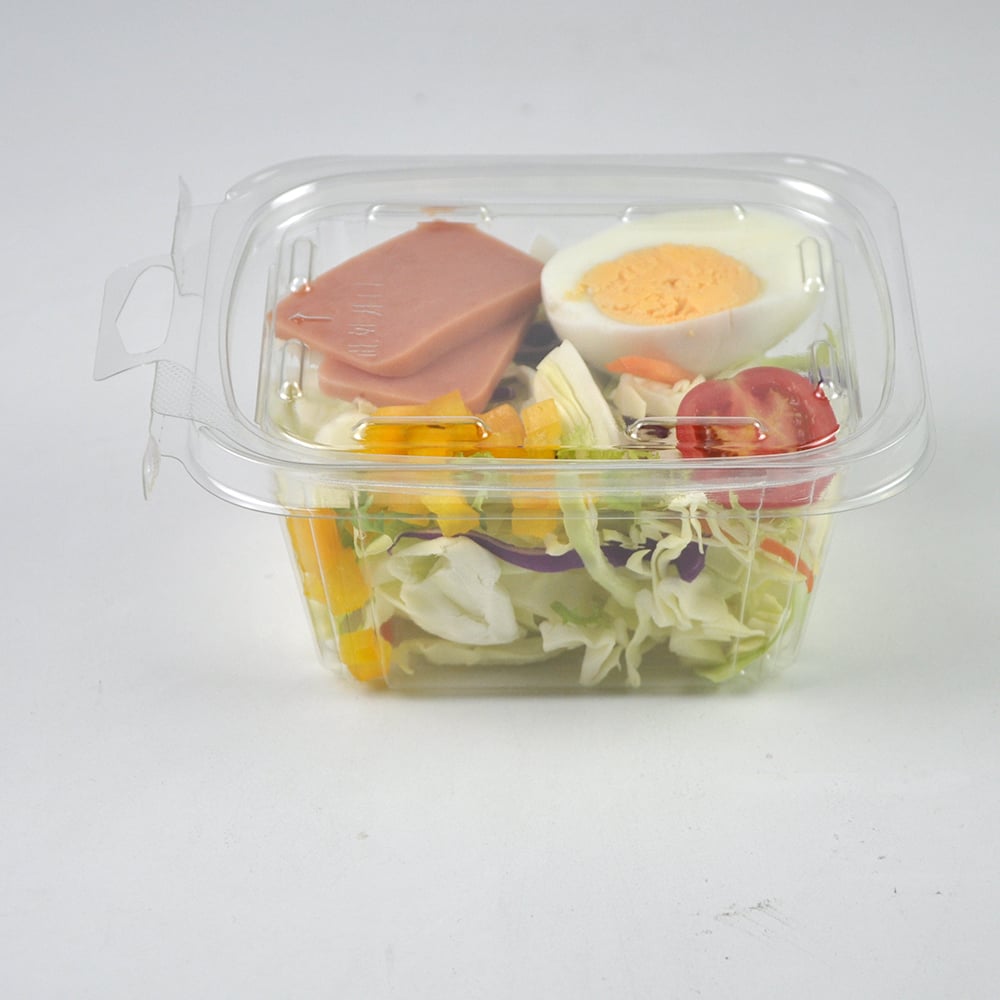
Tamper proof deli containers are essential packaging solutions designed to ensure the safety and integrity of food products. These containers provide a protective barrier that prevents tampering and contamination, making them a top choice for food service and retail applications. For B2B buyers, selecting the right clear plastic deli containers involves understanding various factors, including material quality, design specifications, and compliance with health regulations. This article will guide you through the considerations necessary for making an informed purchasing decision.
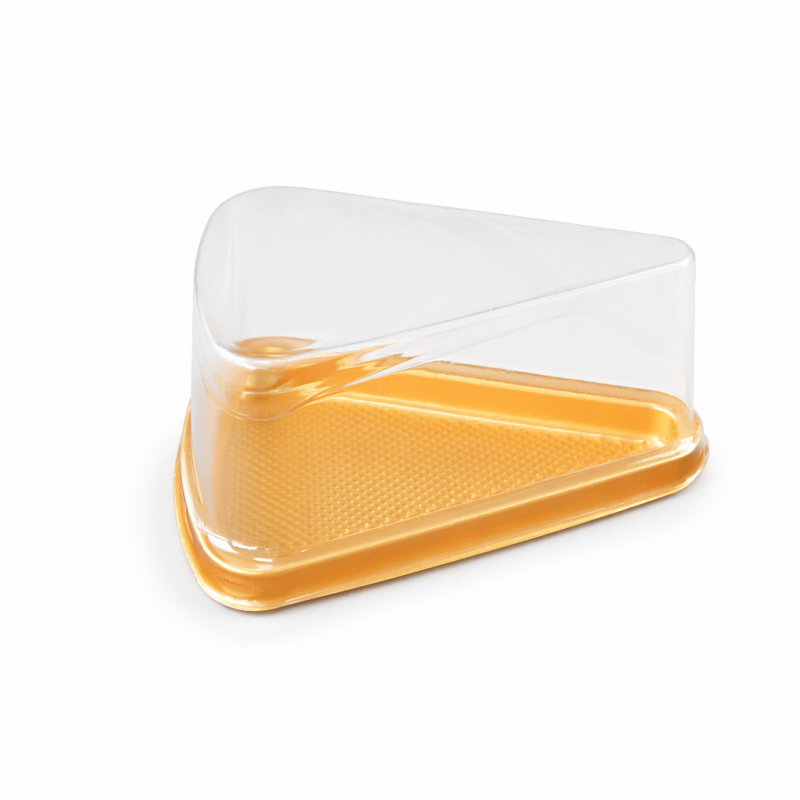
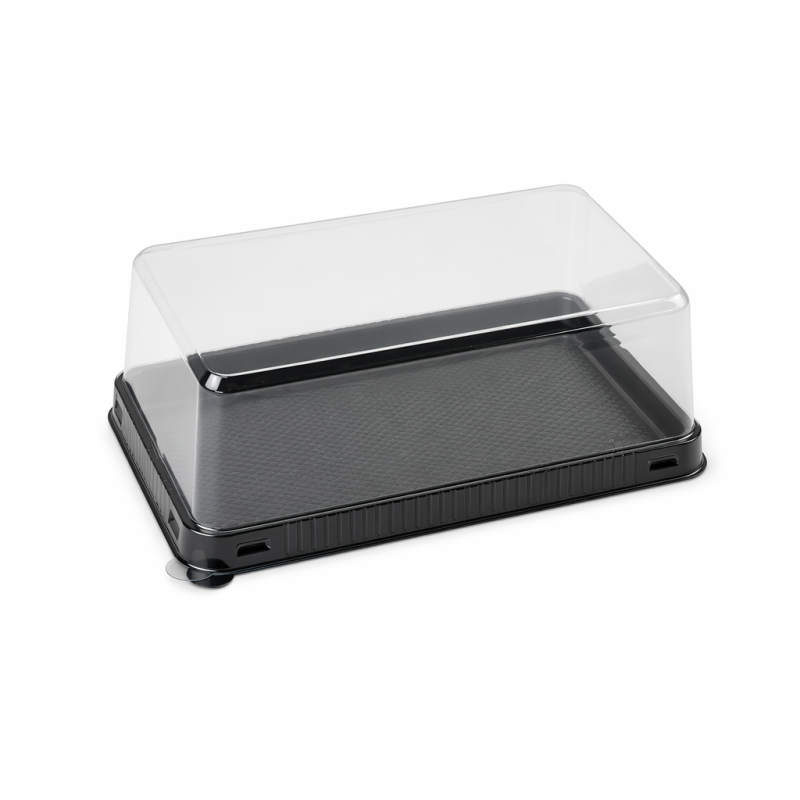
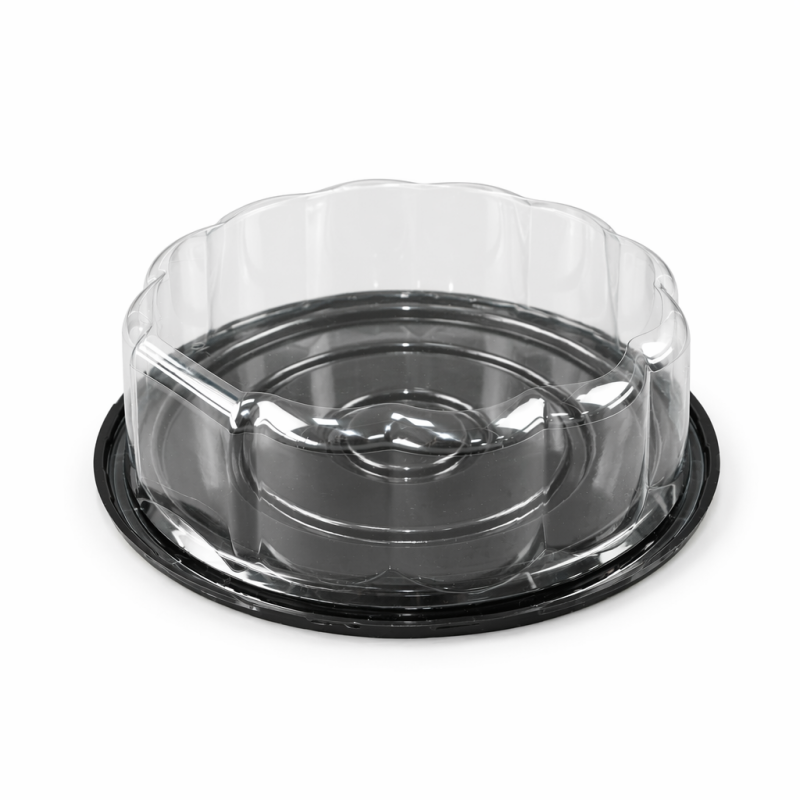
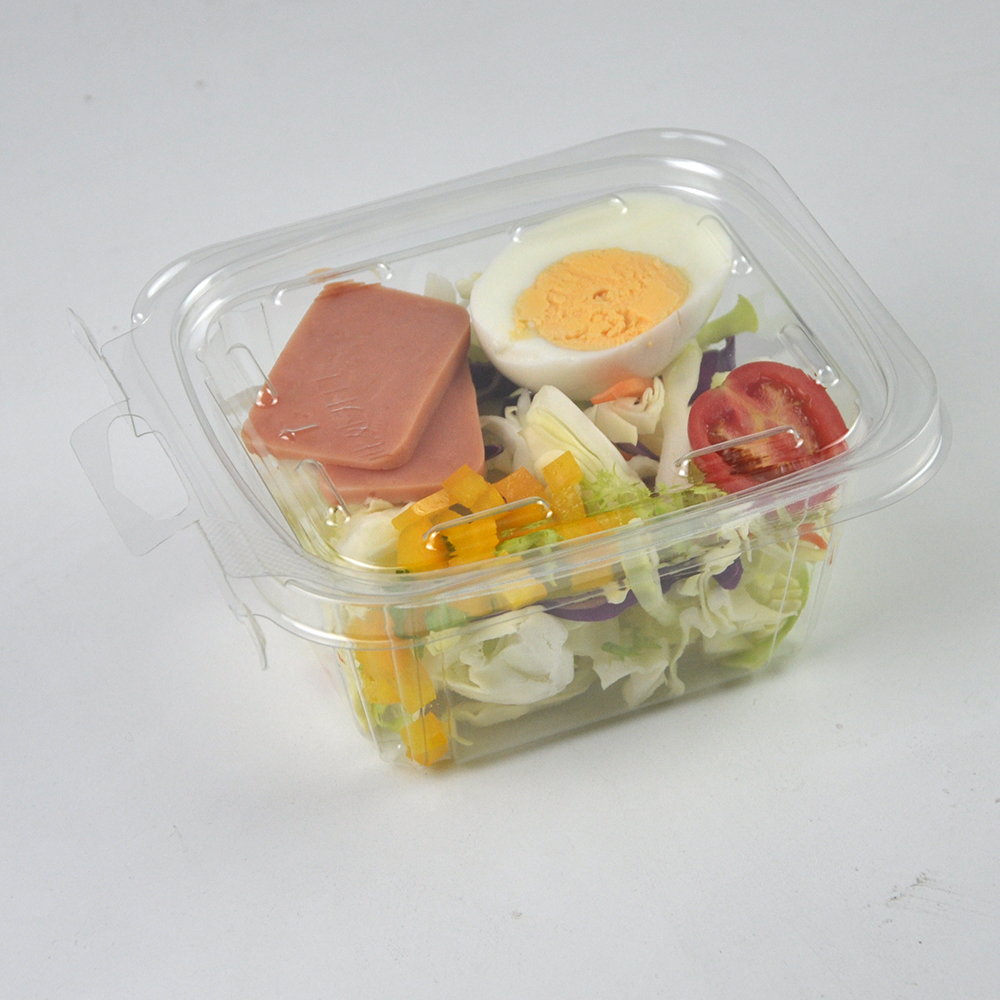
Key Factors to Assess
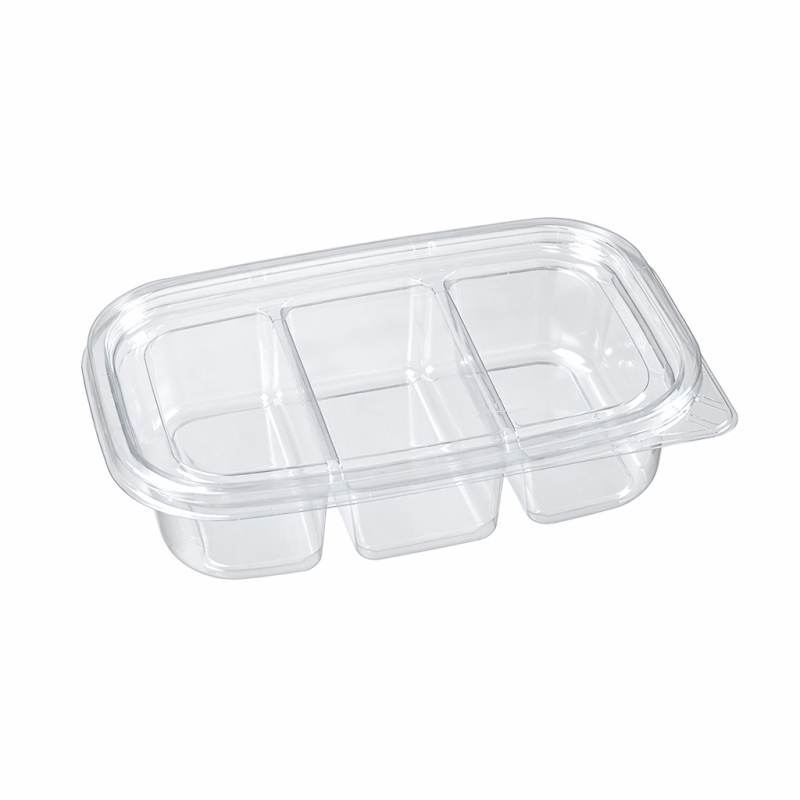
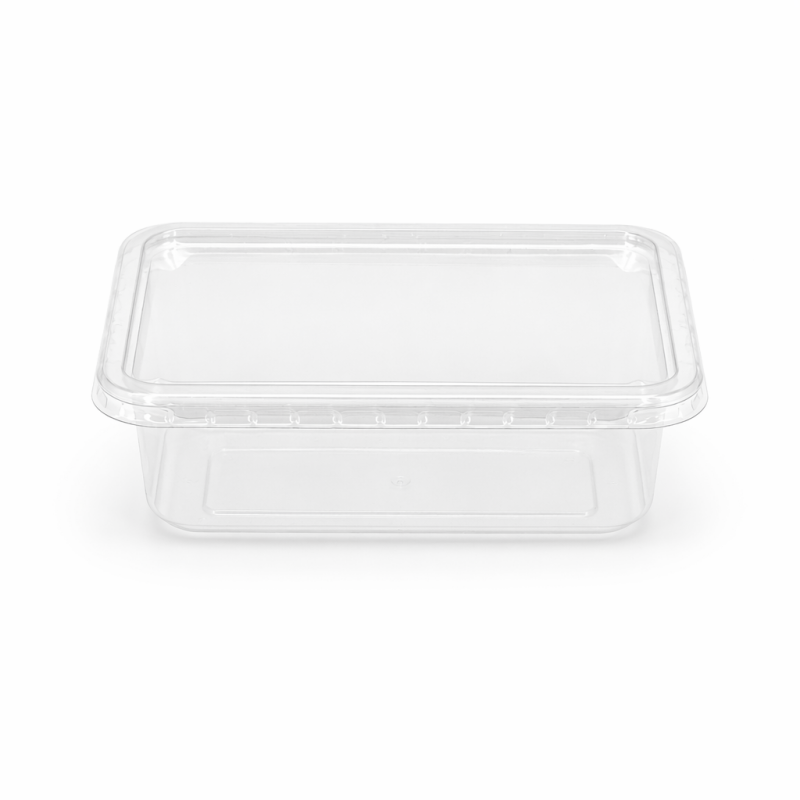
When assessing QUNLU tamper proof deli containers, several key factors should be examined:
Material Properties: The choice of material affects not only the container's strength and functionality but also its environmental impact. For instance, biodegradable options like PLA are increasingly popular for sustainability-focused brands.
Closure Mechanisms: Effective tamper-evident features are essential. Look for containers with secure lids that clearly show signs of tampering, as this feature enhances food safety and consumer trust.
Dimensions and Volume: Container size should be appropriate for the type of food being packaged. Conducting a volume assessment can help determine the right dimensions to minimize waste and optimize storage.
Temperature Resistance: Depending on the food type, ensure the containers can withstand varying temperatures, especially if they will be used for hot meals. This capability is crucial for maintaining food quality and safety.
Production Capacity and Lead Time: Assess the supplier's ability to fulfill your order size within your required timeframe. This is particularly important for businesses with fluctuating demands.