Tamper Proof Deli Containers for Safe Food Packaging

All Categories
Review Full Line Catalog

Tamper proof deli containers

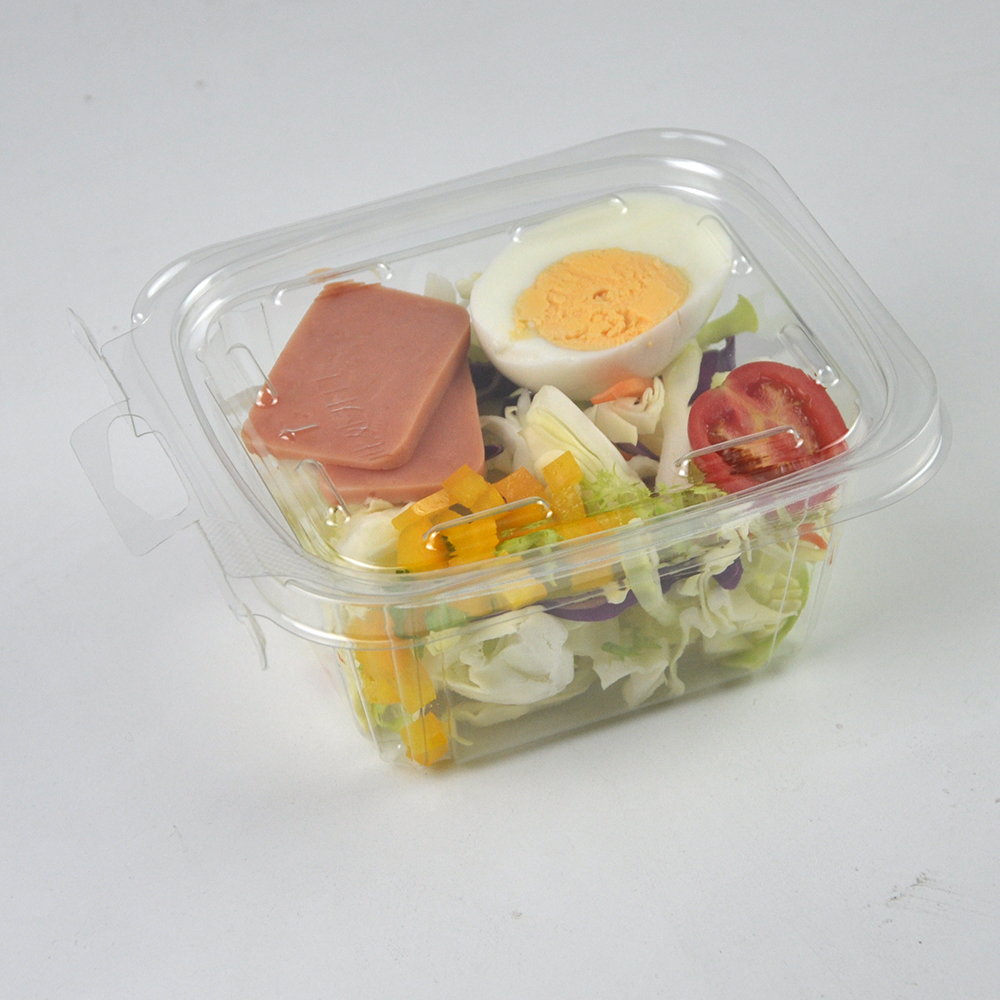
Tamper proof deli containers are essential packaging solutions designed to ensure the safety and integrity of food products. These containers provide a protective barrier that prevents tampering and contamination, making them a top choice for food service and retail applications. For B2B buyers, selecting the right clear plastic deli containers involves understanding various factors, including material quality, design specifications, and compliance with health regulations. This article will guide you through the considerations necessary for making an informed purchasing decision.
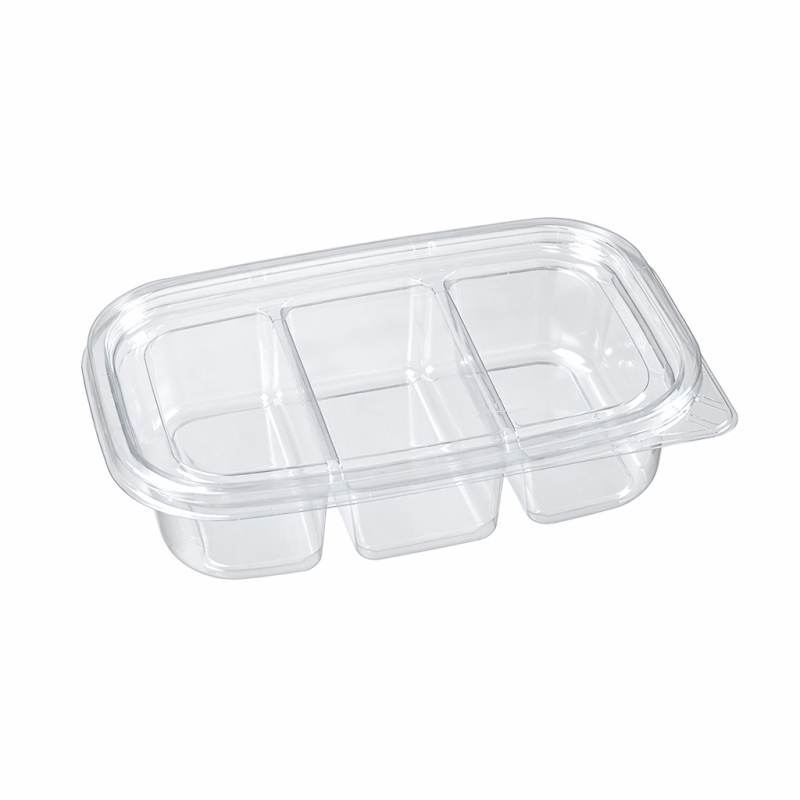
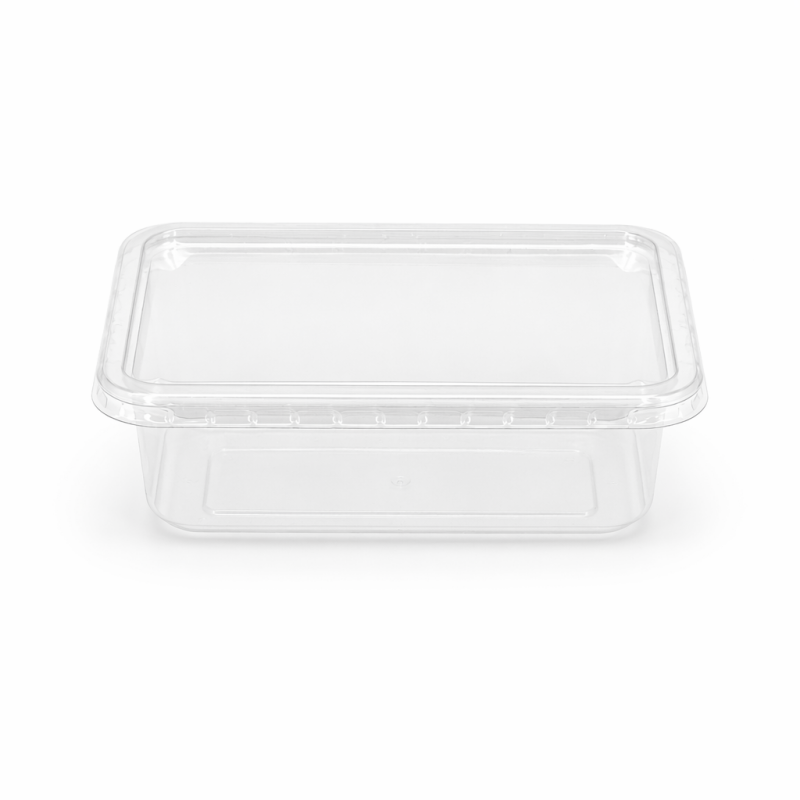
Our Products

Key Factors to Assess

Key Factors to Assess

When assessing QUNLU tamper proof deli containers, several key factors should be examined: 

Material Properties: The choice of material affects not only the container's strength and functionality but also its environmental impact. For instance, biodegradable options like PLA are increasingly popular for sustainability-focused brands. 

Closure Mechanisms: Effective tamper-evident features are essential. Look for containers with secure lids that clearly show signs of tampering, as this feature enhances food safety and consumer trust. 

Dimensions and Volume: Container size should be appropriate for the type of food being packaged. Conducting a volume assessment can help determine the right dimensions to minimize waste and optimize storage. 

Temperature Resistance: Depending on the food type, ensure the containers can withstand varying temperatures, especially if they will be used for hot meals. This capability is crucial for maintaining food quality and safety. 

Production Capacity and Lead Time: Assess the supplier's ability to fulfill your order size within your required timeframe. This is particularly important for businesses with fluctuating demands.
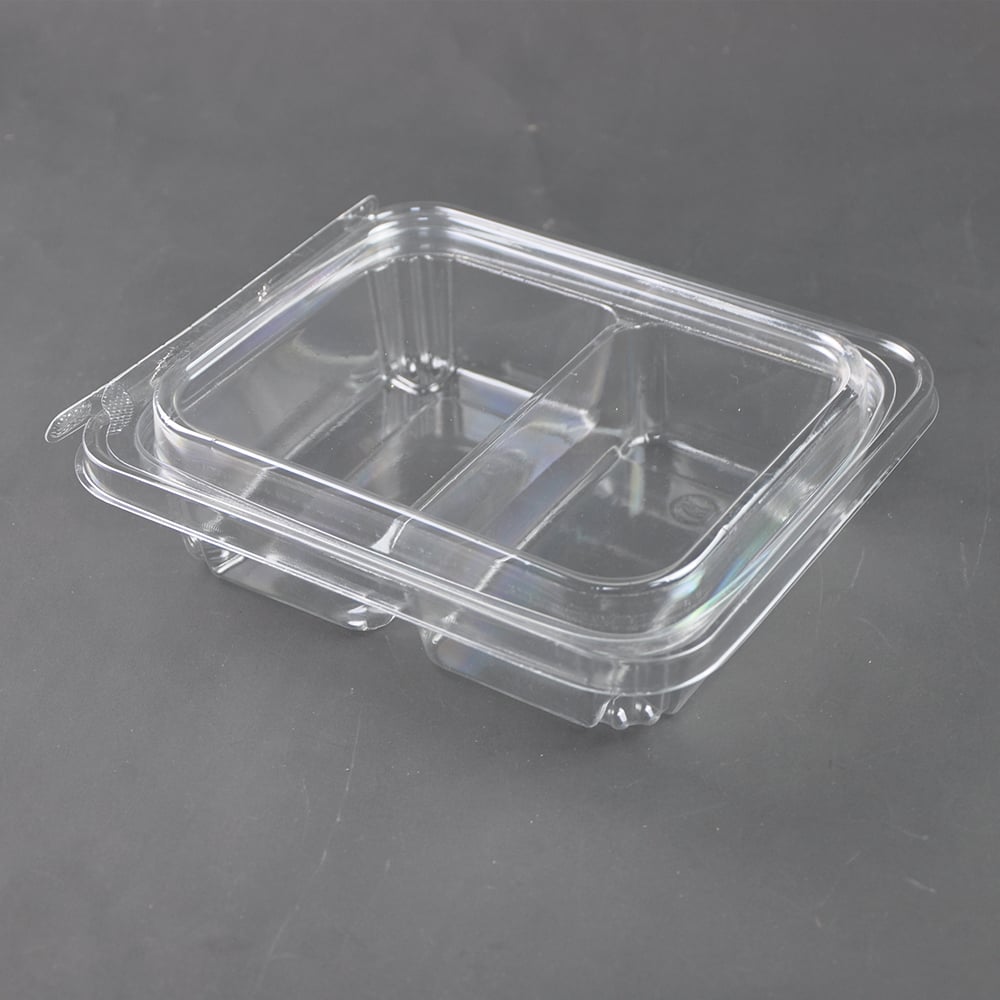
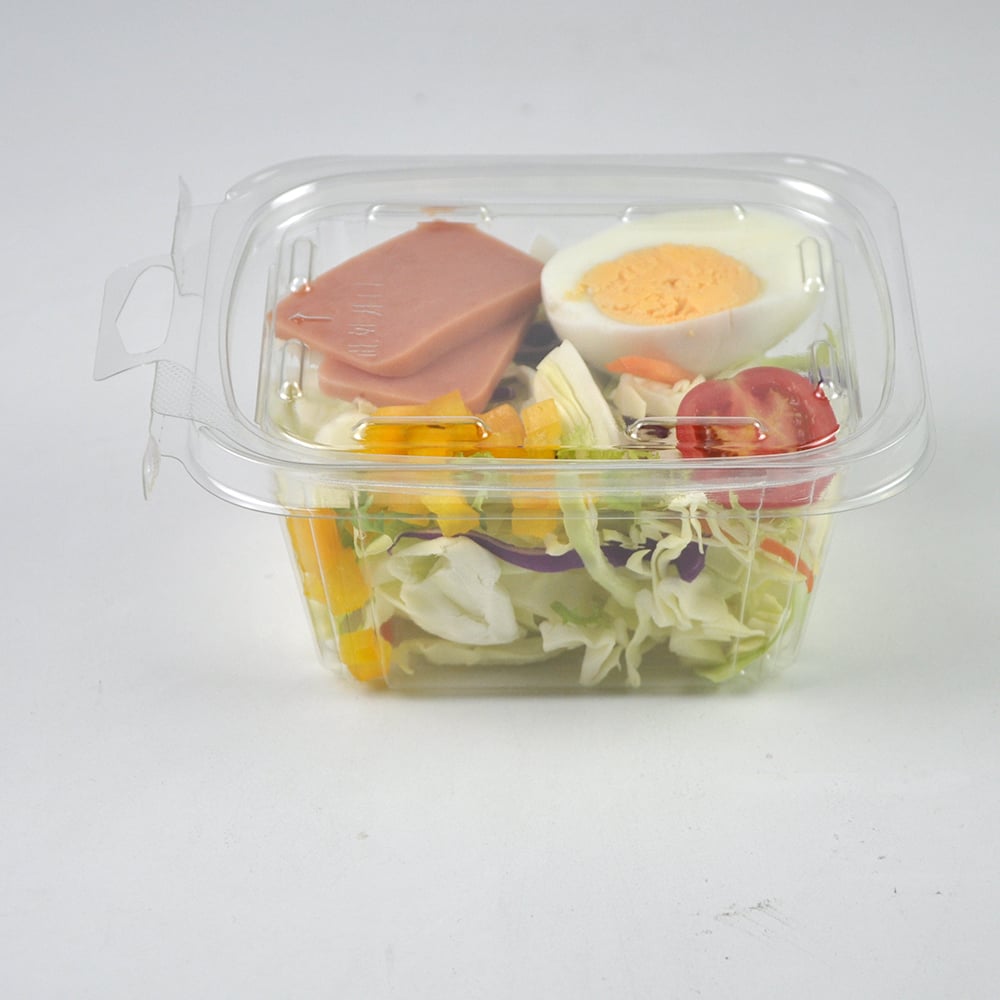
Specifications You Need for Tamper Proof Deli Containers in Projects

Specifications You Need for Tamper Proof Deli Containers in Projects

When preparing specifications for tamper proof deli containers, it is essential to define the following parameters clearly: 

Material Specification: Specify the type of plastic (e. g., PET, PP) and any required certifications for food contact safety. 

Dimensions: Provide exact measurements, including height, diameter, and volume capacity, to ensure compatibility with food items and display considerations. 

Tamper Evident Features: Detail the design of the closure mechanism and any additional tamper-evident indicators, such as breakable seals or bands. 

Stackability: If storage efficiency is a concern, specify requirements for stackable designs that optimize shipping and storage space. 

Labeling and Branding: Include any requirements for print quality, ink types, or the ability to attach labels for branding purposes. 

By outlining these specifications, buyers can facilitate smoother communications with suppliers, ensuring that the final product meets their requirements.

Common Problems with Tamper Proof Deli Containers and Solutions

Common Problems with Tamper Proof Deli Containers and Solutions

Despite their advantages, QUNLU tamper proof deli containers can present challenges. Addressing these issues proactively can lead to better outcomes: 

Seal Integrity: One common problem is the failure of the tamper-evident seal during transportation, which can compromise food safety. To mitigate this, ensure that suppliers conduct rigorous quality control checks and offer containers with robust sealing mechanisms. 

Material Weakness: Some containers may not withstand extreme temperatures, leading to deformation or melting. Buyers should confirm temperature resistance specifications with the manufacturer and request samples to test under actual conditions. 

Compatibility with Automation: If the tamper evident deli containers are to be used in automated filling and sealing lines, ensure they are compatible with existing machinery. Discussing machine specifications with suppliers can prevent operational disruptions. 

Consumer Perception: If the tamper-evident features are not easily visible or understood by consumers, it may undermine confidence in the product. Collaborating with designers to ensure clear, visible tamper-evident features can enhance consumer trust.

Cost Factors for Wholesale Tamper Proof Deli Containers Explained

Understanding the cost factors involved in purchasing QUNLU tamper proof deli containers is crucial for budget planning: 

Material Costs: The choice of material significantly influences pricing. For example, high-quality polypropylene generally costs more than standard PET, but it may offer better durability and heat resistance. 

Customization Fees: Custom designs, including specific shapes, colors, or print, often incur additional costs. Buyers should clarify these potential charges upfront to avoid budget surprises. 

Order Quantity: Minimum order quantities (MOQs) can affect pricing. Larger orders typically result in lower per-unit costs, but buyers should balance this against their actual needs to avoid excess inventory. 

Shipping and Handling: Consider shipping costs, especially for international orders. Factors like container weight, dimensions, and shipping method can all affect the total cost. 

Supplier Reliability: A reputable supplier with a track record of timely delivery may charge slightly more but can save costs associated with delays or product issues in the long run. 

By considering these factors, buyers can better navigate the purchasing process and make informed financial decisions. 

selecting the right tamper proof deli containers involves careful consideration of various factors including material quality, safety compliance, and manufacturer reliability. With the right approach, businesses can enhance food safety, meet consumer demands, and optimize their packaging strategies.

What to Consider When Choosing Tamper Proof Deli Containers for Wholesale

When selecting tamper proof deli containers for wholesale, buyers should prioritize several factors to ensure that the products meet their specific needs. Firstly, consider the intended application—whether for meals, salads, or desserts—as this will influence the container's design and size. The material is another crucial aspect; options typically include polypropylene, PET, or PLA, each offering different levels of durability, transparency, and heat resistance. 

Additionally, regulatory compliance is vital. Ensure the clear deli containers meet FDA, BRC, and other relevant certifications, confirming they are safe for food contact. Customization options, such as branding or specific dimensions, should also be discussed with manufacturers to align the product with marketing strategies. Lastly, evaluate the supplier's manufacturing capabilities and production consistency, ensuring they can meet order quantities and delivery timelines reliably.

Frequently Asked Questions

What materials are used in tamper proof deli containers?

We use food-grade, FDA-compliant thermoformable plastics designed for safety and durability, produced on German/Japanese lines and meeting BRC/ISO standards.
Yes. Our design includes tamper-evident seals and closures that clearly show if opened, ensuring product integrity during distribution and retail.
Yes. We offer OEM/ODM customization for size, shape, sealing, and printing to match your branding while maintaining safety and quality certifications.
Absolutely. Materials and processes comply with FDA and BRC requirements, ensuring suitability for direct food contact and short-term refrigerated storage.
Yes. We provide recyclable and material-efficient thermoformed designs to reduce waste, aligned with our quality and sustainability commitments.

Related product categories

Get a Free Quote

Our representative will contact you soon.
Email
Name
Company Name
Message
0/1000
Attachment
Please upload at least an attachment
Upload up to 3 files (maximum 30 MB). Supported formats: JPG, JPEG, PNG, PDF, DOC, DOCX, XLS, XLSX, CSV, TXT, STP, STEP, IGS, X_T, DXF, PRT, SLDPRT, SAT, RAR, ZIP.