Essential Blueberry Packaging Solutions for Buyers

All Categories
Review Full Line Catalog

Blueberry packaging

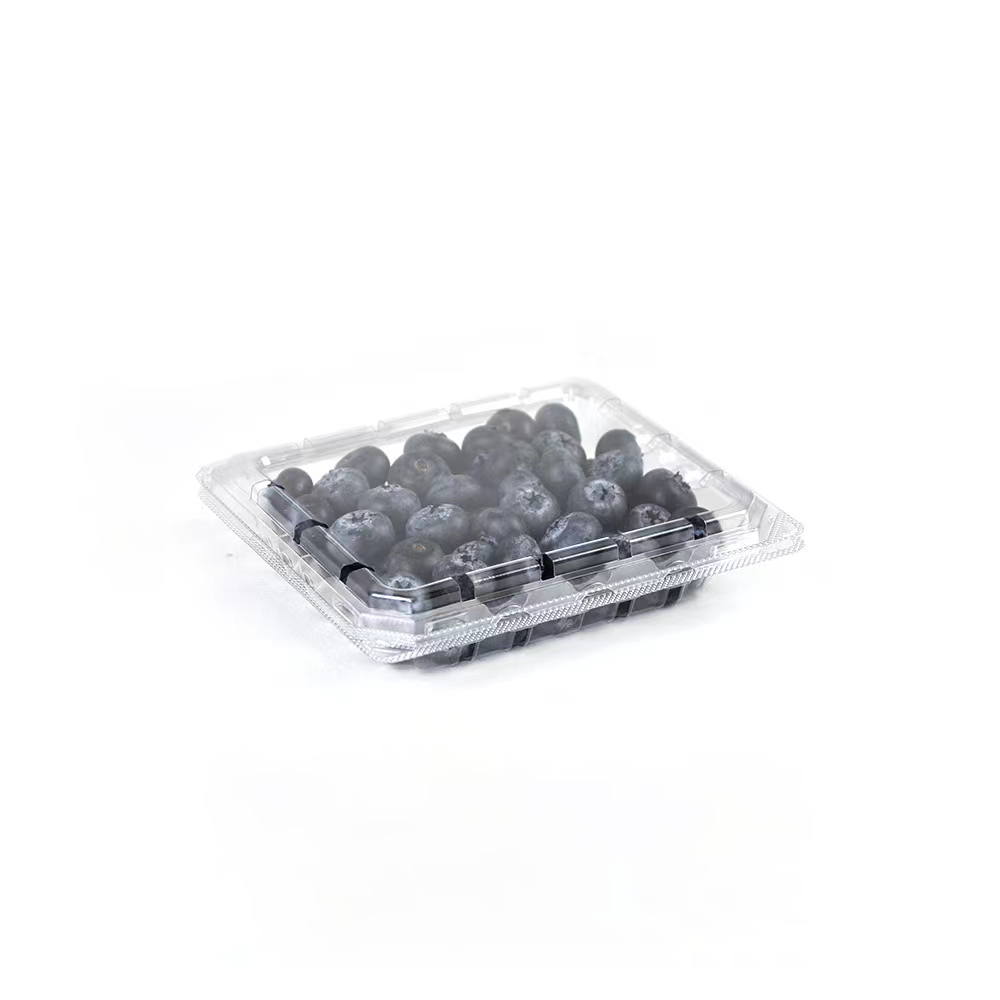
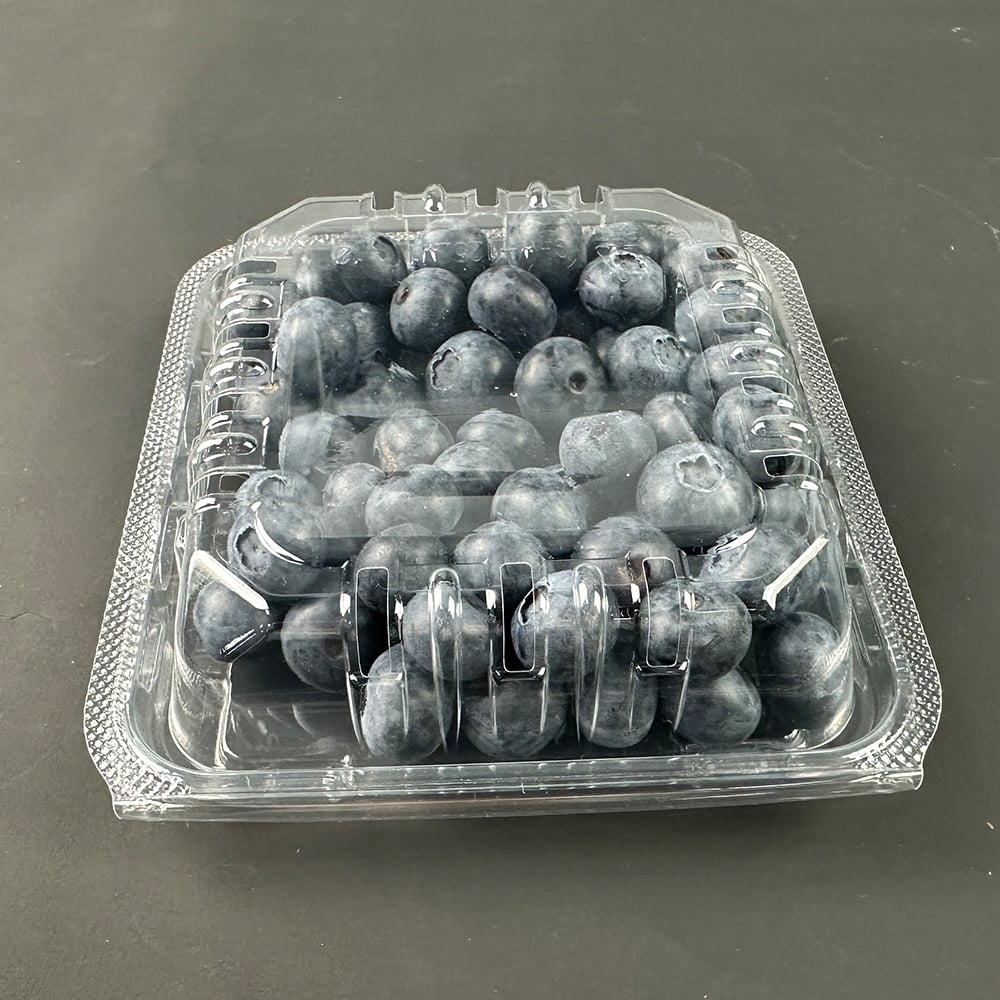
Choosing the right blueberry packaging is essential for maintaining the freshness and quality of this delicate fruit. As a B2B buyer, you may have concerns regarding material safety, sustainability, and the overall effectiveness of your packaging solution. This article will help you understand the key factors to consider when selecting blueberry packaging, where to source reliable suppliers, the cost implications of your choices, and how to compare different types of disposable food packaging available for wholesale buyers.
Our Products

Where to Source Reliable Blueberry Packaging Suppliers

Where to Source Reliable Blueberry Packaging Suppliers

Finding a dependable supplier is crucial for ensuring consistent quality and timely delivery. Start by researching manufacturers who specialize in food packaging, particularly those with experience in producing blueberry-specific solutions. Industry trade shows and online B2B marketplaces can be excellent resources for identifying potential suppliers. 

Additionally, consider suppliers like Zhejiang Qunlu New Material Co., Ltd., which utilizes advanced German and Japanese thermoforming lines to produce high-quality packaging solutions. Ensure that potential suppliers provide comprehensive information about their manufacturing capabilities, certifications, and past client experiences. This transparency will help you gauge their reliability. 

It's also beneficial to request samples before placing a large order. Testing the modified atmosphere packaging in real-world conditions can provide insights into its durability, effectiveness, and compatibility with your existing operations. 
Cost Factors to Consider When Purchasing Blueberry Packaging

Cost Factors to Consider When Purchasing Blueberry Packaging

Cost is always a significant consideration in any purchasing decision. When evaluating blueberry packaging options, consider both direct costs and indirect expenses. Direct costs include the price per unit, which can vary based on material, design complexity, and order quantity. 

Indirect costs may encompass shipping fees, storage requirements, and potential losses due to spoilage or damage during transport. For instance, if the packaging does not provide adequate protection against moisture, you could face higher losses from spoiled product. 

Minimum Order Quantities (MOQs) also play a role in pricing. Suppliers may offer better rates for larger orders, but balance this with your storage capabilities and projected sales volume to avoid excess inventory. 

Lastly, don’t overlook the potential for customization. Custom packaging that aligns with your brand can incur additional costs, but it may also enhance marketability and customer perception, potentially leading to increased sales. 

Comparing Different Types of Blueberry Packaging for Wholesale Buyers

Comparing Different Types of Blueberry Packaging for Wholesale Buyers

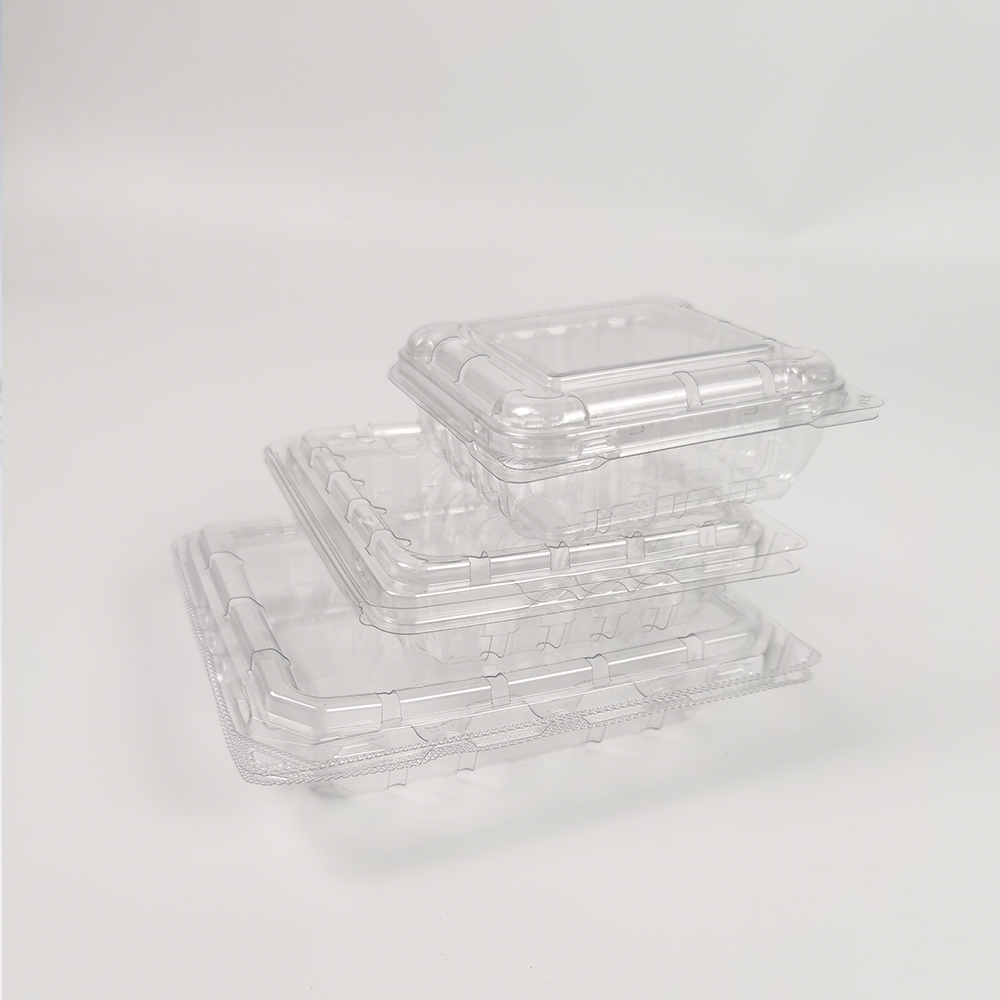
Wholesale buyers should be aware of the various types of blueberry packaging available, each with distinct advantages and applications. 

Clamshells: These are popular for fresh blueberries due to their rigid structure and transparent design, which showcases the product. They offer good protection and ventilation but may be more expensive than other options. 

Trays: Often used for bulk packaging, trays can be stacked easily for storage and transport. Their design allows for airflow, reducing moisture buildup but may require additional protective wrapping if not handled carefully. 

Cups: Suitable for single servings, cups can be an attractive option for retail settings. Ensure that the lid fits securely to maintain product freshness while allowing for visibility. 

Flexible Packaging: This option can be cost-effective for larger quantities and offers a lightweight alternative. However, ensure that the material has adequate barrier properties to protect against moisture and environmental factors. 

When selecting the right type of food modified atmosphere packaging, consider your target market, distribution channels, and specific handling requirements to ensure optimal product protection and presentation. 

Installation Guidance for Blueberry Packaging in Your Operations

Once you have selected your QUNLU blueberry packaging solution, proper installation and integration into your operations are essential for efficiency and effectiveness. Here are some practical steps to ensure a smooth transition: 

Training: Ensure that your staff is well-trained in handling and packaging the blueberries. This includes understanding the proper methods for filling, sealing, and storing the products to minimize damage. 

Quality Control: Implement a quality control process to monitor the packaging's performance. This could involve checking for seals, inspecting for damage, and ensuring that the packaging meets your specified standards before shipping. 

Testing: Conduct tests with your chosen packaging in your specific operational environment. This can help identify any potential compatibility issues with your existing equipment and workflows. 

Feedback Loop: Establish a feedback mechanism to continually assess the packaging's performance. Collect insights from your team regarding any challenges they encounter, and make adjustments as necessary. 

By following these guidelines, you can integrate your blueberry packaging seamlessly into your operations, ensuring the product's quality and customer satisfaction. 

Choosing the right blueberry packaging requires careful consideration of materials, supplier reliability, and cost factors. By understanding these elements and following best practices for installation and quality control, you can enhance your operational efficiency and ensure your blueberries reach customers in optimal condition.

What to Consider When Choosing Blueberry Packaging Solutions

When selecting QUNLU blueberry packaging, several critical factors should guide your decision-making process. First, consider the material of the packaging. Blueberries are sensitive to moisture and temperature fluctuations, so packaging made from materials with excellent barrier properties—such as PET or CPP films—can help maintain optimal freshness and extend shelf life. 

Another vital factor is the packaging design. Clamshells, trays, and cups should be constructed to prevent crushing and damage during transport and storage. Moreover, ensure that the packaging allows for adequate ventilation to prevent moisture buildup, which can lead to spoilage. 

Sustainability is increasingly important in today’s market. Many consumers prefer eco-friendly packaging options. Look for suppliers who offer recyclable or biodegradable materials, and check whether they have obtained relevant certifications, such as FDA, BRC, or ISO, which demonstrate compliance with safety and quality standards. 

Related product categories

Get a Free Quote

Our representative will contact you soon.
Email
Name
Company Name
Message
0/1000
Attachment
Please upload at least an attachment
Upload up to 3 files (maximum 30 MB). Supported formats: JPG, JPEG, PNG, PDF, DOC, DOCX, XLS, XLSX, CSV, TXT, STP, STEP, IGS, X_T, DXF, PRT, SLDPRT, SAT, RAR, ZIP.