
Choosing the Right Tamper Proof Container

All Categories
Review Full Line Catalog

Tamper proof container

Tamper proof containers are essential in various industries, particularly in food packaging, where maintaining product integrity and safety is crucial. These containers are designed to prevent tampering and ensure that the contents remain secure from contamination or unauthorized access. For B2B buyers, such as purchasing managers and product managers, selecting the right tamper proof container involves understanding key specifications, materials, and reliable suppliers. This article provides valuable insights into choosing, evaluating, and implementing tamper proof food containers effectively.
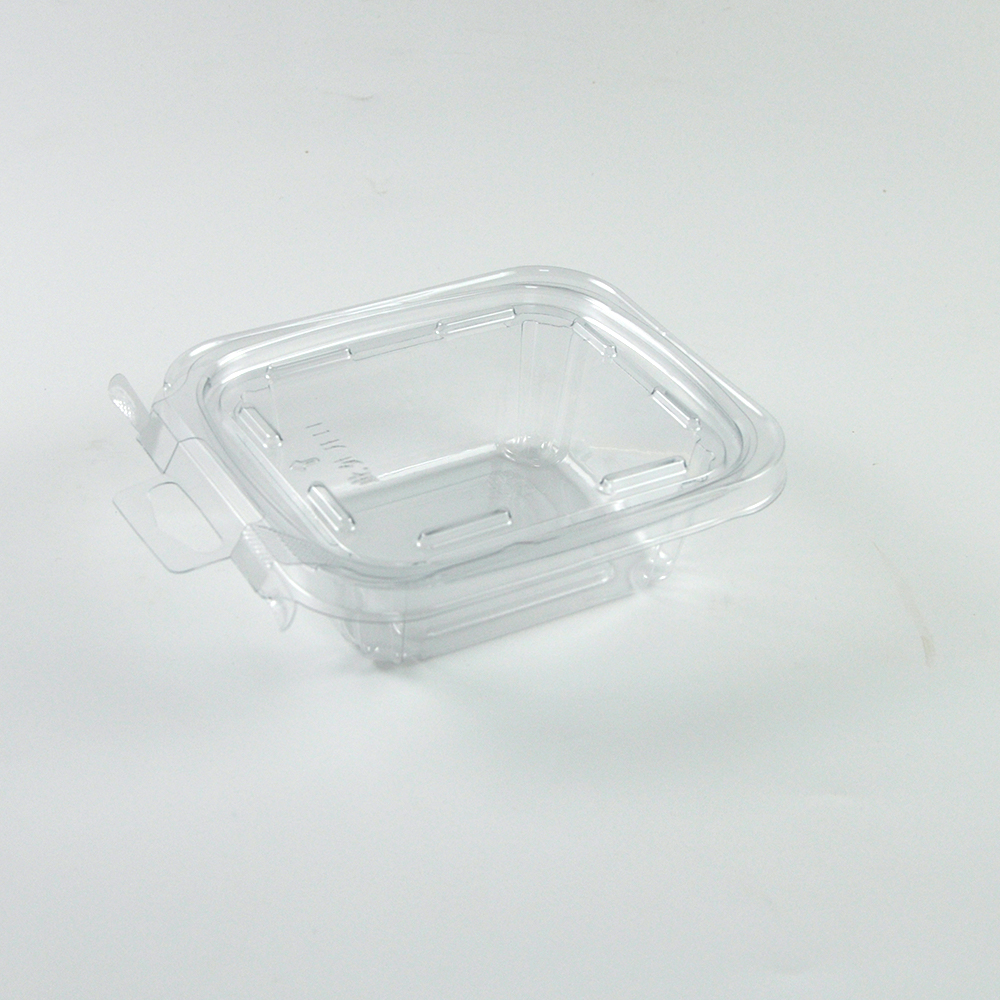
Reliable Suppliers for Tamper Proof Containers

Reliable Suppliers for Tamper Proof Containers

Choosing a reliable supplier for tamper proof containers is vital for ensuring consistent quality and compliance with safety standards. Look for manufacturers with relevant certifications, such as FDA, BRC, and ISO, which indicate adherence to strict safety and quality protocols. Zhejiang Qunlu New Material Co., Ltd., for example, leverages advanced German and Japanese thermoforming technologies to produce high-quality containers that meet international standards. 

When sourcing suppliers, consider their manufacturing capabilities, including the range of products offered, customization options, and production capacity. Requesting samples can also provide insight into the container's quality and suitability for your specific needs. Establishing a good relationship with your supplier can facilitate better communication regarding product specifications and lead times, ensuring a smoother procurement process.
Key Specifications to Evaluate in Tamper Proof Containers

Key Specifications to Evaluate in Tamper Proof Containers

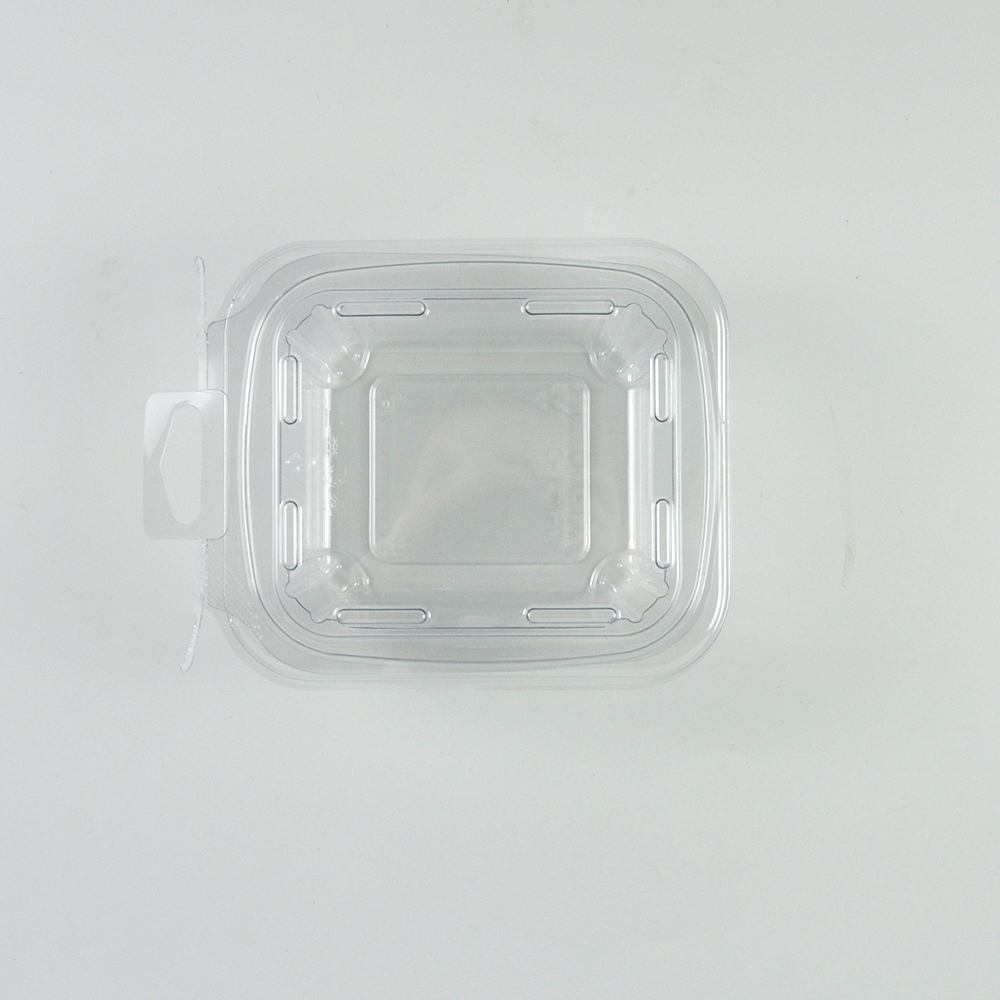
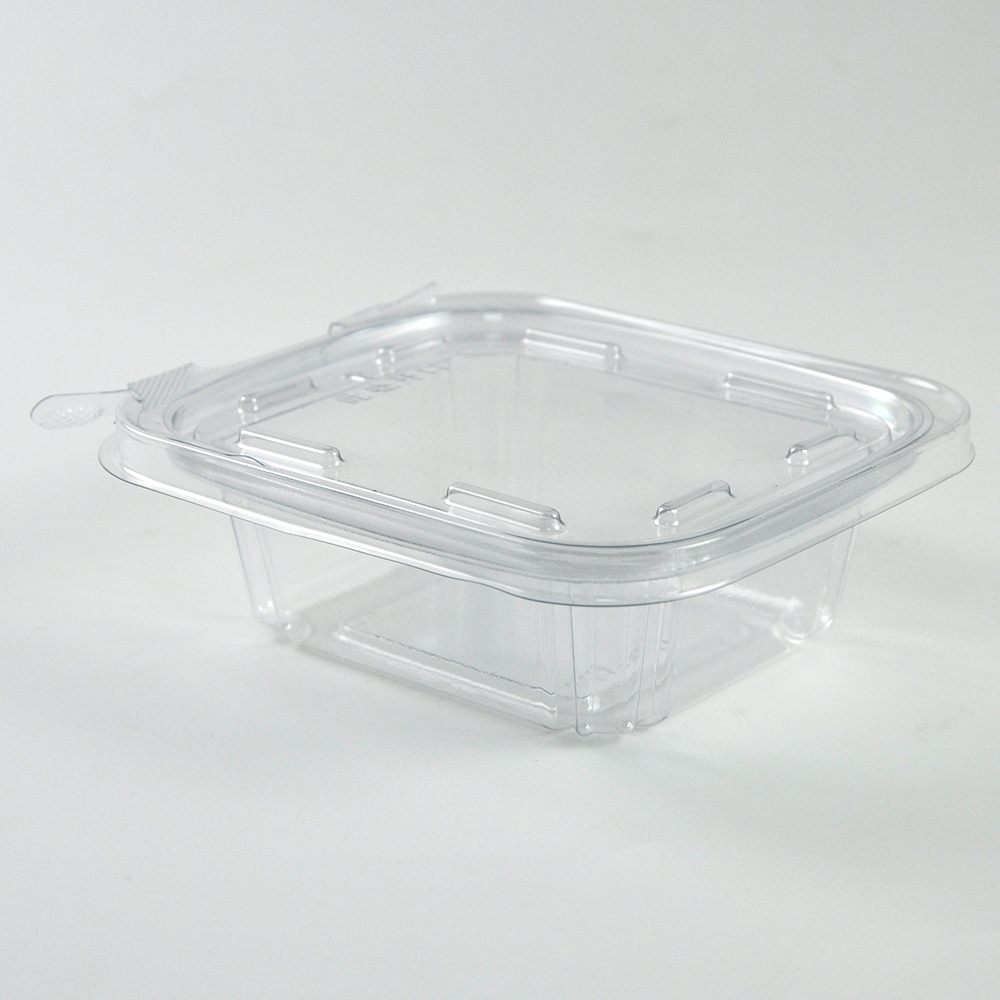
Evaluating key specifications is crucial when selecting tamper proof containers. Here are some important factors to consider: 

Material: The choice of material affects the container's strength, durability, and barrier properties. For example, high-density polyethylene (HDPE) might be suitable for heavier items, while clear PET is ideal for visibility and consumer appeal. 

Dimensions: Ensure the container dimensions align with your product size and packaging requirements. A well-fitted container minimizes movement during transport, reducing the risk of damage. 

Sealing Type: Different sealing types offer varying levels of tamper evidence. Buyers should understand how each type functions and select one that meets their security needs. 

Load Capacity: Assess the load capacity of the container to ensure it can withstand the weight of the contents without compromising integrity. 

Compliance: Verify that the containers comply with relevant regulations in your industry. This is particularly important in food packaging, where safety standards are stringent. 

By focusing on these specifications, buyers can ensure they select the most suitable tamper proof containers for their applications. 

Installation Guidance for Tamper Proof Containers in Various Applications

Installation Guidance for Tamper Proof Containers in Various Applications

Proper installation of tamper proof containers is critical to maintaining their integrity and effectiveness. Here are some considerations for different applications: 

Food Industry: When using tamper proof containers for food products, ensure that the filling and sealing processes are carried out under hygienic conditions. Automated systems should be calibrated to handle the containers without causing damage. 

Pharmaceuticals: For pharmaceutical applications, consider the sensitivity of the products. Containers should be installed in a controlled environment to prevent contamination. 

Consumer Goods: In the consumer goods sector, the packaging should be designed for easy opening by consumers while still providing tamper evidence. Consider user-friendly designs that do not compromise security. 

Training staff on proper handling and installation procedures can help prevent common issues such as misalignment or improper sealing, ensuring that tamper proof plastic containers features function as intended. 

Common Problems with Tamper Proof Containers and Their Solutions

Despite their effectiveness, tamper proof containers can encounter several issues. Here are some common problems and potential solutions: 

Seal Failure: If seals fail during production or transit, the container may not provide adequate tamper evidence. To mitigate this, conduct regular quality checks on sealing equipment and ensure that the correct sealing techniques are employed. 

Material Compatibility: Sometimes, containers may not be compatible with certain products, leading to chemical reactions or degradation. Buyers should perform compatibility tests before mass production, especially with sensitive materials in bulk order benefits. 

Physical Damage During Transport: Containers may become damaged during shipping, compromising their tamper proof features. Utilizing appropriate packaging methods and selecting robust materials can help minimize this risk. 

Consumer Resistance: Some consumers may find tamper proof features cumbersome. Providing clear instructions on how to open containers without compromising security can enhance user experience. 

By proactively addressing these common issues, buyers can enhance the effectiveness of tamper proof containers and ensure they meet both security and usability standards. 

In summary, selecting the right tamper proof container involves careful consideration of specifications, supplier reliability, and proper installation practices. By understanding the common challenges associated with these containers, B2B buyers can make informed decisions that benefit their operations and enhance product safety.    

Partnering with certified packaging manufacturers ensures that containers adhere to strict international quality standards, including FDA regulations and ISO certifications for food and pharmaceutical security. Incorporating features like high-clarity materials, engineered break-away seals, and leak-resistant lids safeguards contents from contamination during transit while providing clear visual evidence of unauthorized access. Furthermore, investing in robust, stackable designs reduces freight damage and optimizes warehouse space utilization. Ultimately, prioritizing material durability and tamper-evident technology mitigates product loss, protects brand reputation, and reinforces consumer confidence across all retail and commercial distribution channels. 

Choosing the Right Tamper Proof Container for Your Needs

When selecting a tamper proof container, it's essential to consider the specific application and the level of security required. Factors such as the type of product being packaged, the storage conditions, and the distribution process play a significant role in determining the appropriate container. For instance, food products that require a longer shelf life may benefit from tamper evident container made of materials with excellent barrier properties, such as polypropylene or PET. 

Additionally, consider the container's sealing mechanism, which is crucial for maintaining tamper evidence. Options include induction seals, shrink bands, and breakaway features that indicate if the container has been compromised. Buyers should also evaluate the container's compatibility with automated filling and sealing lines to ensure efficiency in production.

Frequently Asked Questions

What materials are used for the tamper proof container?

We use food-grade, FDA-compliant plastics produced on German/Japanese thermoforming lines, ensuring safety and durability for food packaging.
Yes. Our containers comply with FDA standards and are produced under BRC and ISO quality systems to ensure food safety.
Yes. We offer OEM/ODM customization for size, shape, printing, and features to meet brand and functional requirements.
Our containers are designed for a range of temperatures; specific suitability depends on material selection—please specify your temperature needs.
Yes. We prioritize sustainable materials and efficient production processes to reduce waste while maintaining safety and quality.

Related product categories

Get a Free Quote

Our representative will contact you soon.
Email
Name
Company Name
Message
0/1000
Attachment
Please upload at least an attachment
Upload up to 3 files (maximum 30 MB). Supported formats: JPG, JPEG, PNG, PDF, DOC, DOCX, XLS, XLSX, CSV, TXT, STP, STEP, IGS, X_T, DXF, PRT, SLDPRT, SAT, RAR, ZIP.