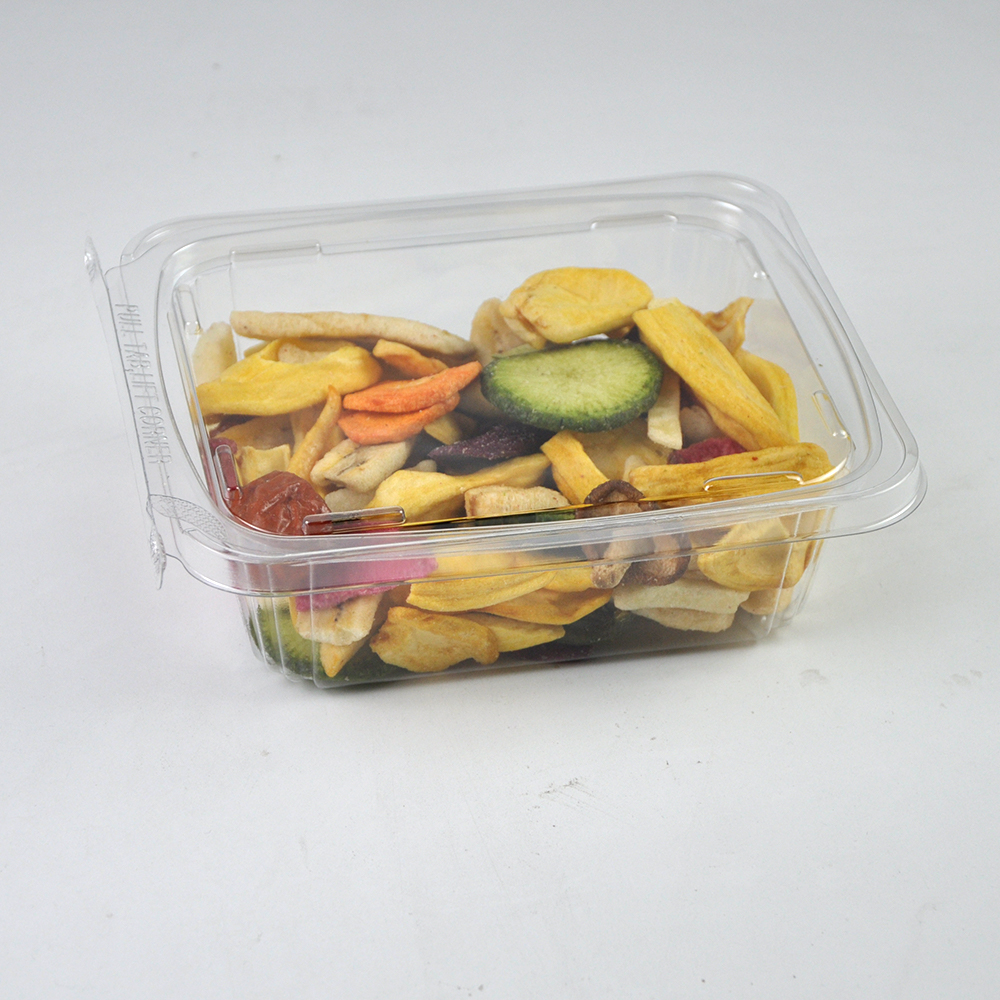
Key Specifications for Tamper Resistant Containers

All Categories
Review Full Line Catalog

Tamper resistant containers

Tamper resistant containers are essential packaging solutions designed to protect food products from tampering and contamination. For purchasing managers, distributors, and engineers, understanding the specifications and applications of these containers is crucial for ensuring product integrity and safety. This article will explore key specifications, supplier selection tips, common issues and solutions, installation guidance, and various industry applications of tamper proof container. 
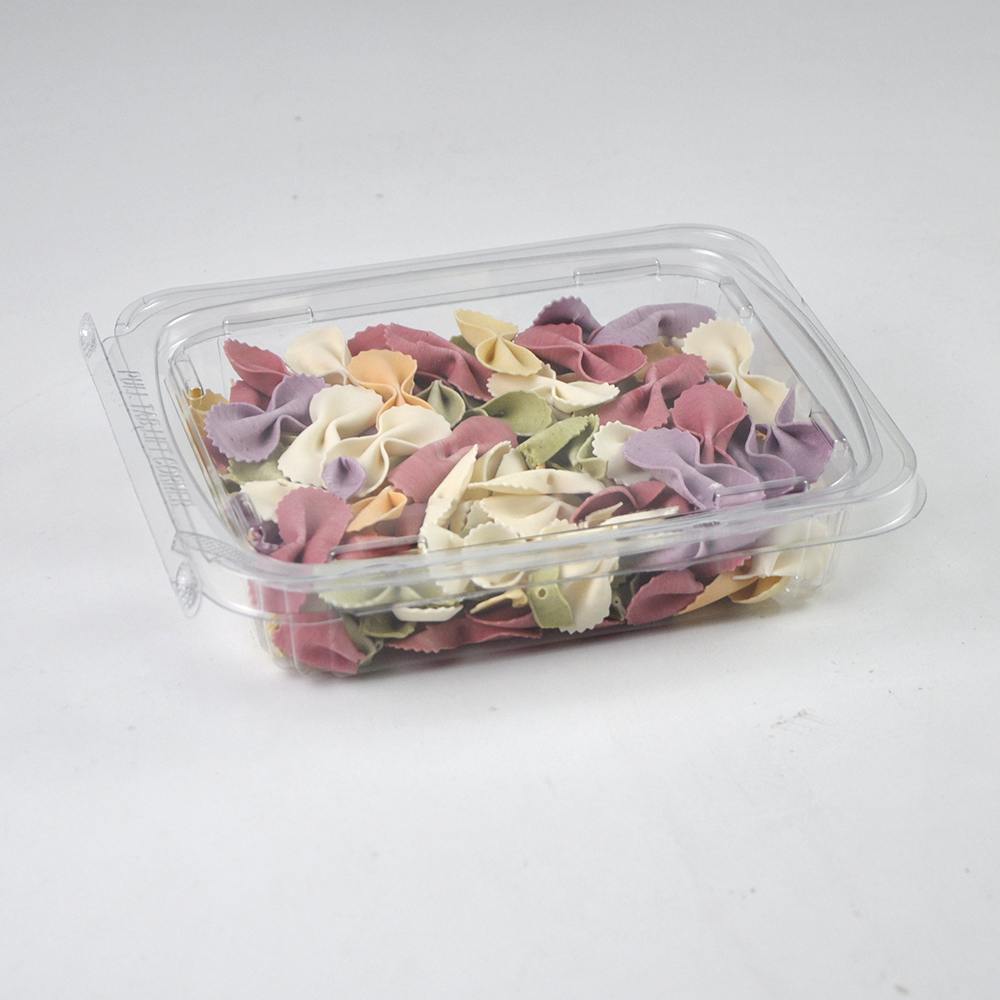
How to Choose Reliable Suppliers for Tamper Resistant Containers

How to Choose Reliable Suppliers for Tamper Resistant Containers

Selecting a reliable supplier for tamper resistant containers is crucial for ensuring product quality and consistency. Here are key considerations: 

Certifications and Compliance: Verify that potential suppliers hold relevant certifications, such as FDA, BRC, or ISO certifications, which indicate adherence to industry standards. This is particularly important in food packaging. 

Manufacturing Capabilities: Evaluate the supplier's manufacturing capabilities, including the technology and machinery used. Suppliers like Zhejiang Qunlu New Material Co., Ltd., equipped with advanced thermoforming lines, can provide high-quality containers efficiently. 

Customization Options: Determine if the supplier can accommodate specific design or material requirements. Customization may be necessary to meet particular application needs or branding requirements. 

Quality Control Processes: Investigate the supplier's quality control measures to ensure that every batch of containers meets your specifications. This could include testing for seal integrity, material strength, and compliance with safety standards. 

Delivery and Lead Times: Consider the supplier's ability to meet your delivery timelines. Reliable suppliers should provide clear lead times and maintain consistent communication throughout the production and shipping processes. 

By following these guidelines, buyers can establish partnerships with suppliers that deliver high-quality tamper resistant containers tailored to their specific needs. 
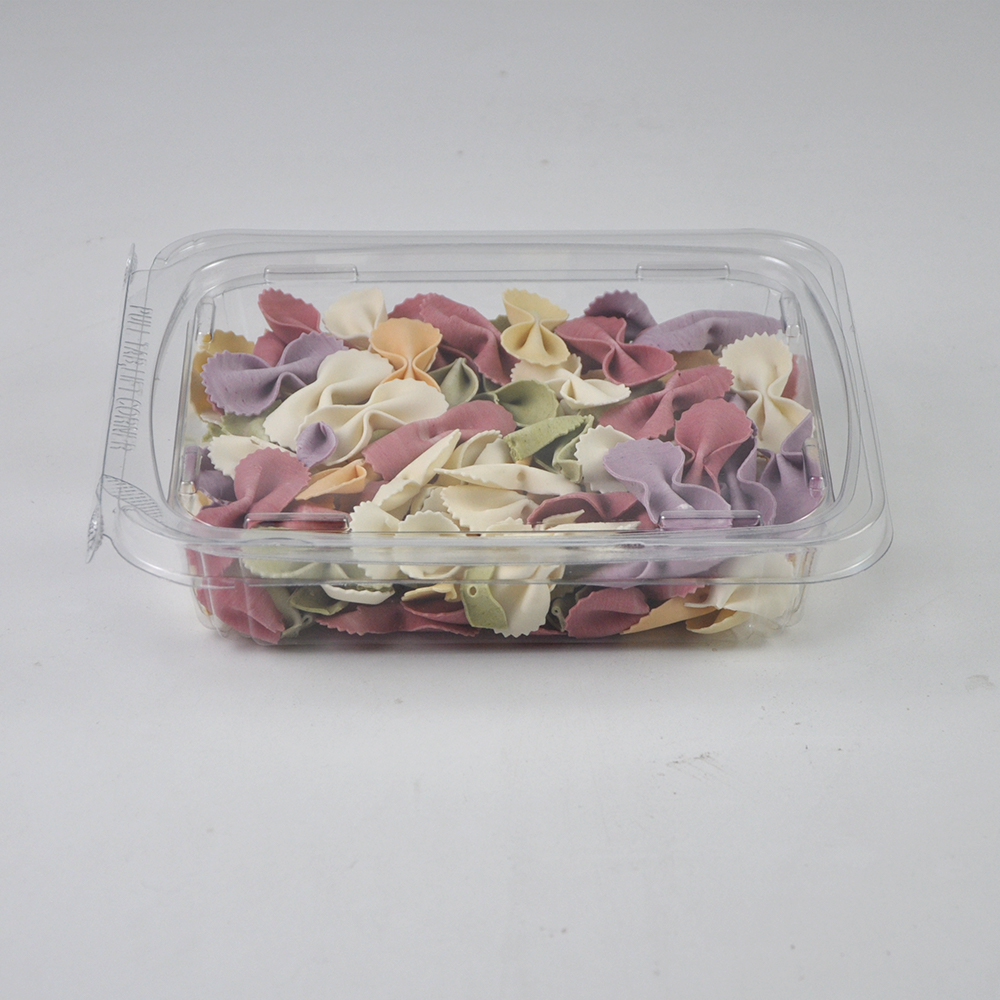
Common Problems with Tamper Resistant Containers and Solutions

Common Problems with Tamper Resistant Containers and Solutions

While tamper resistant containers are designed to enhance product safety, various issues can arise. Here are some common problems and their solutions: 

Seal Failure: One of the most critical issues is seal failure, which can compromise product integrity. To mitigate this, ensure that the containers are tested for seal strength. Consider requiring samples before mass production to confirm that seals withstand typical handling conditions. 

Material Compatibility: Incompatibility between the container material and the product can lead to degradation of either the packaging or the contents. Discuss with suppliers the specific requirements of your product, including any chemical interactions, to select the appropriate material. 

Inconsistent Quality: Variability in production quality can lead to inconsistencies in container performance. Establish clear quality inspection criteria with your supplier, including regular audits and batch testing, to maintain high standards. 

Poor Custom Fit: Containers that do not fit products well can lead to movement and potential damage during transport. Provide accurate dimensions and specifications to your supplier to ensure a proper fit. Testing prototypes in real-world conditions can also help identify issues before full production. 

By proactively addressing these common issues, buyers can enhance the reliability of their tamper evident container and protect their products effectively. 

Installation Guidance for Efficient Use of Tamper Resistant Containers

Installation Guidance for Efficient Use of Tamper Resistant Containers

Proper installation and handling of tamper resistant containers are essential for maximizing their effectiveness. Here are some practical tips: 

Handling During Distribution: Containers should be handled with care to avoid damaging seals. Train staff on proper handling techniques, emphasizing the importance of not stacking heavy items on top of packaged products. 

Storage Conditions: Store containers in a clean, dry environment to prevent contamination. Ideal storage conditions include regulated temperature and humidity levels, as extreme conditions can affect material integrity. 

Sealing Procedures: If the containers require manual sealing, ensure that operators are trained in proper techniques to maintain seal integrity. A poorly applied seal can compromise the tamper proof plastic containers feature. 

Inspection Before Use: Before using any container, conduct a visual inspection to check for damage, seal integrity, and cleanliness. Address any issues before proceeding with filling and sealing. 

By following these installation guidelines, companies can ensure that tamper resistant containers function as intended, maintaining product safety and compliance. 

Applications of Tamper Resistant Containers in Various Industries

Tamper resistant containers are widely used across several industries due to their protective properties. Here are some common applications: 

Food and Beverage: The food industry heavily relies on tamper resistant containers to protect products from contamination and ensure consumer safety. Applications include packaging for ready-to-eat meals, snacks, and beverages. 

Pharmaceuticals: In the pharmaceutical sector, tamper resistant containers are crucial for safeguarding medications from tampering and ensuring that they remain safe for consumption. 

Cosmetics and Personal Care: Tamper resistant packaging is increasingly used in the cosmetics industry to reassure consumers about the integrity of products. This includes creams, lotions, and other beauty products. 

Electronics: For electronic components, tamper resistant containers can shield products from environmental factors while providing assurance that the product has not been tampered with during transport. 

Industrial Applications: In industrial settings, these containers can be used to package tools, parts, or chemicals, ensuring that they are secure and protected until they reach the end user. 

Understanding the applications of tamper resistant containers can help businesses select the right packaging solutions for their products, enhancing safety and compliance across various industries.  

Key Specifications to Consider for Tamper Resistant Containers

When evaluating tamper resistant containers, several key specifications must be considered to ensure optimal performance and safety. 

Material Composition: The choice of material affects not only the container's durability but also its barrier properties against moisture, oxygen, and light. Common materials include PET, PP, and PS, each offering different levels of clarity, strength, and sealing capabilities. For food applications, FDA-approved materials are a must.  

Seal Integrity: The effectiveness of a tamper resistant container lies in its sealing mechanism. Look for containers with tamper-evident seals that clearly indicate if the product has been opened. This can include breakable seals or shrink bands that must be removed to access the contents.  

Dimensions and Design: The container's size and shape should align with the specific product requirements. Considerations should include the volume of the contents, storage space, and distribution conditions. Custom designs may be necessary for unusual product shapes or sizes.  

Load and Pressure Ratings: Depending on the intended transportation and storage conditions, containers may need to withstand specific load and pressure conditions. Understanding these specifications helps avoid failures during handling.  

Compliance and Certifications: Ensure that the containers meet relevant industry standards and certifications, such as FDA, BRC, or ISO, which guarantee safety and quality.  

By carefully assessing these specifications, buyers can select tamper resistant containers that meet both regulatory requirements and product safety standards.  

Frequently Asked Questions

What materials are used in your tamper resistant containers?

We use food-grade, FDA-compliant materials processed on German/Japanese thermoforming lines, ensuring safety and durability for food contact.
Yes. Our products meet FDA standards and are produced in facilities certified to BRC and ISO quality and safety systems.
Yes. We offer both OEM and ODM customization, including sizes, shapes, and printing to meet brand and packaging requirements.
Yes. We prioritize sustainable materials and designs that are recyclable or reduce material use, balancing safety and environmental concerns.
Lead times vary by order size and customization; please contact us with specifications for precise MOQ and delivery estimates.

Related product categories

Get a Free Quote

Our representative will contact you soon.
Email
Name
Company Name
Message
0/1000
Attachment
Please upload at least an attachment
Upload up to 3 files (maximum 30 MB). Supported formats: JPG, JPEG, PNG, PDF, DOC, DOCX, XLS, XLSX, CSV, TXT, STP, STEP, IGS, X_T, DXF, PRT, SLDPRT, SAT, RAR, ZIP.