EN

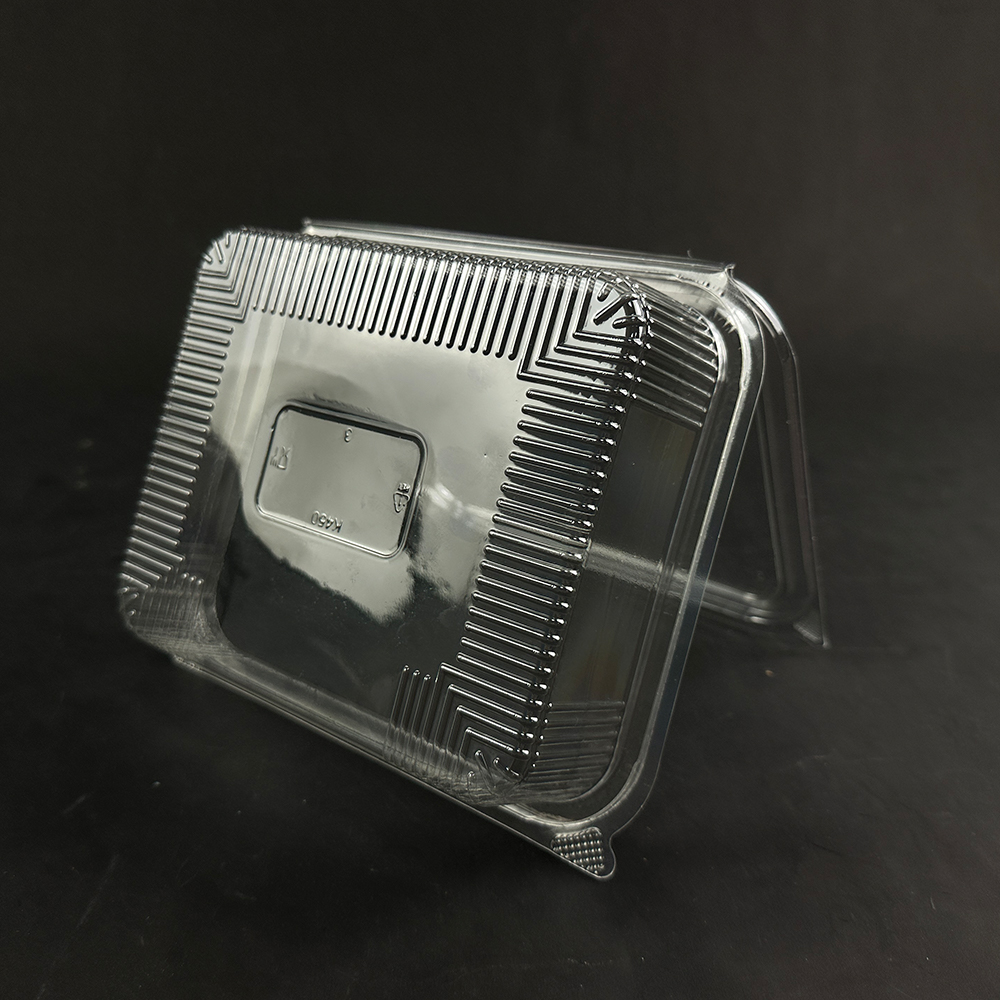
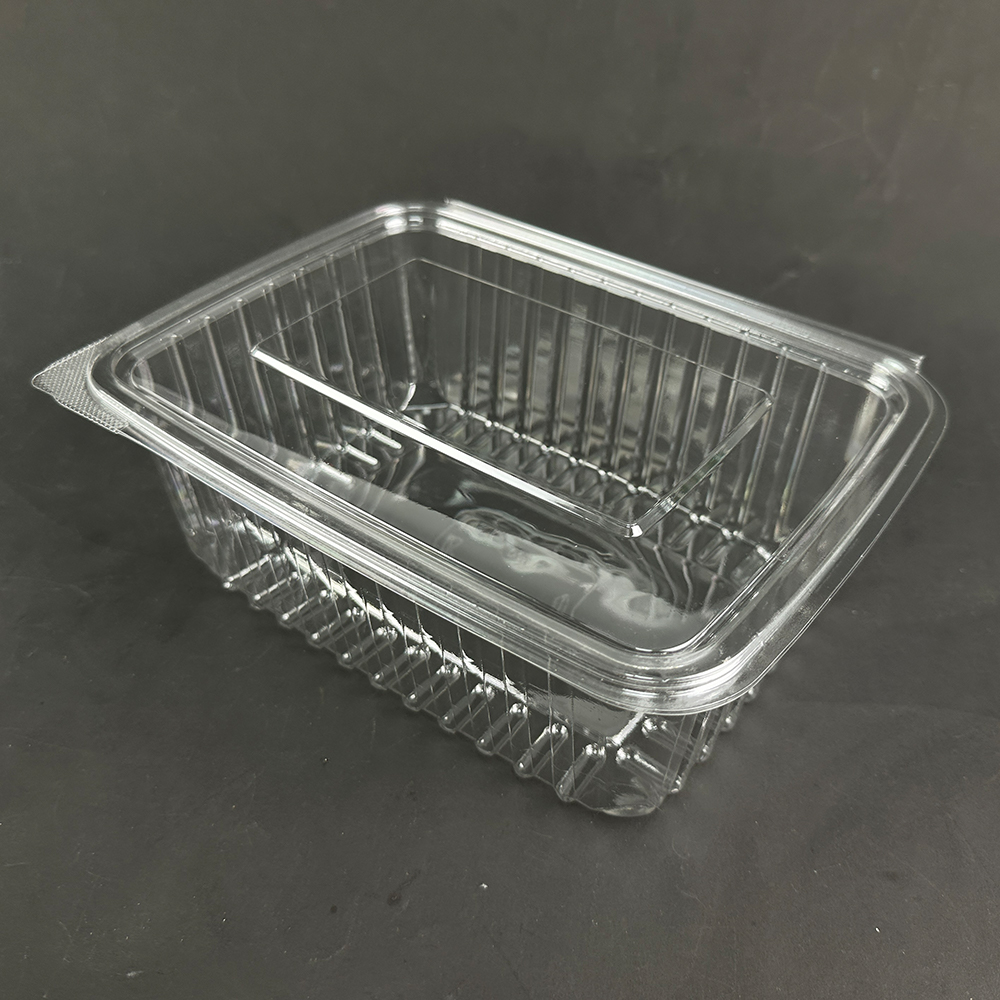
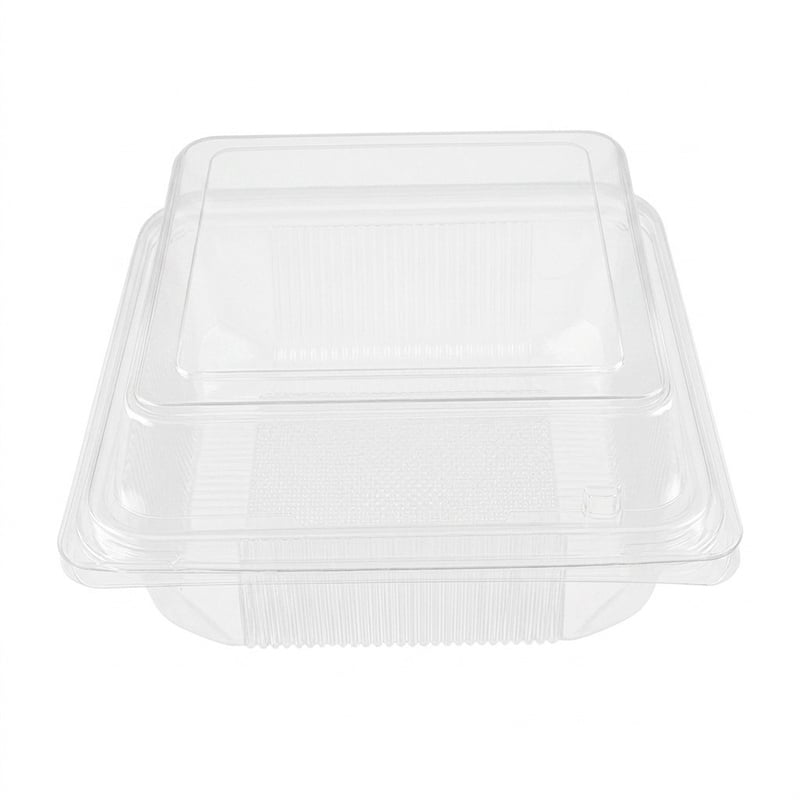
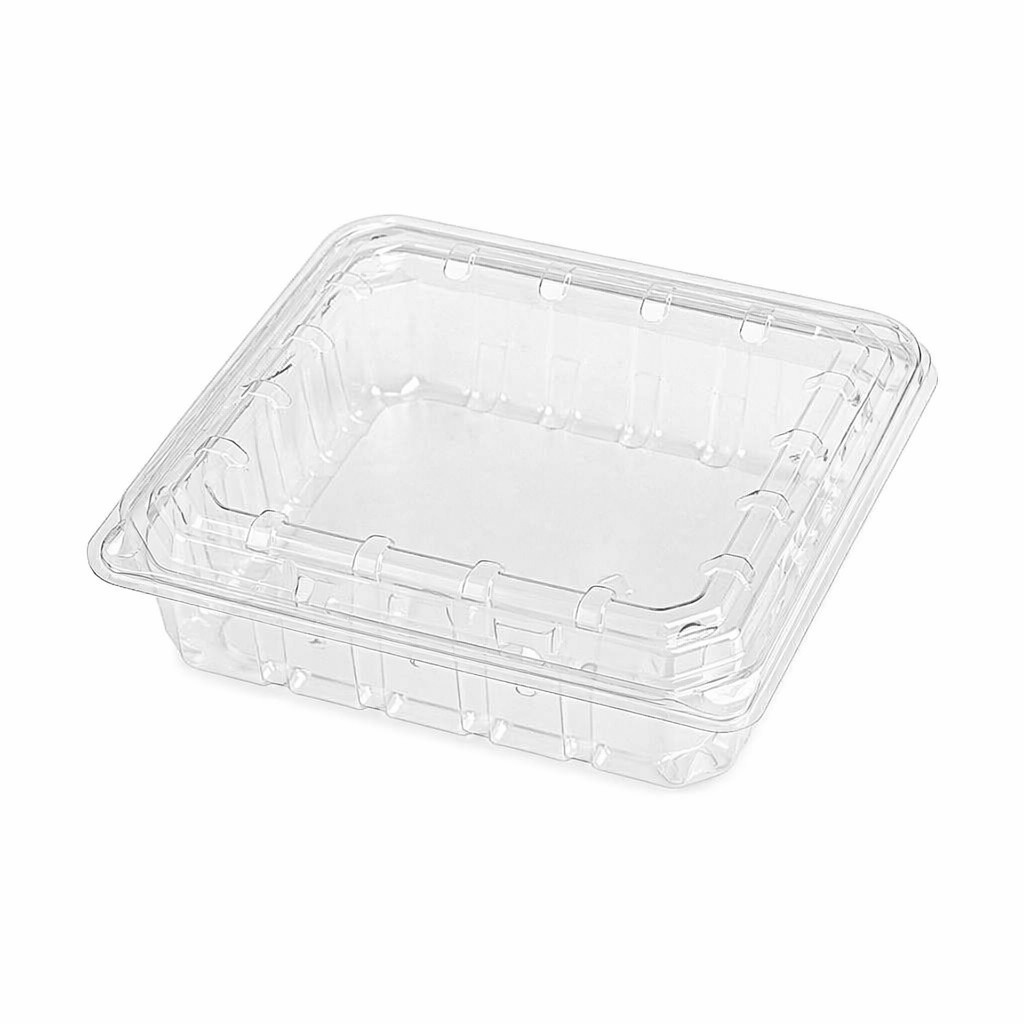
Clamshell plastic boxes are versatile packaging solutions widely used in various industries, particularly in food packaging. Their design typically features a hinged lid that allows for easy access while providing protection and visibility for the contents. As a B2B buyer, understanding the right specifications, sourcing reliable suppliers, and addressing common installation issues are crucial for making informed purchasing decisions. This article will help you navigate these considerations to ensure that the fruit clamshell packaging you choose meets your business needs effectively.
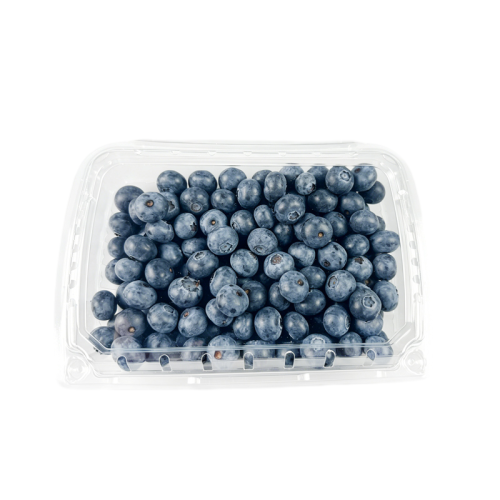
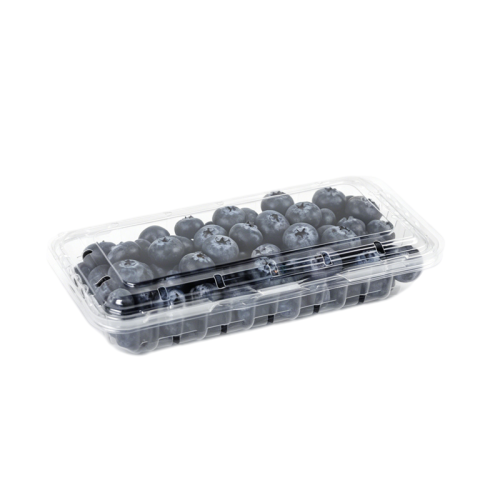
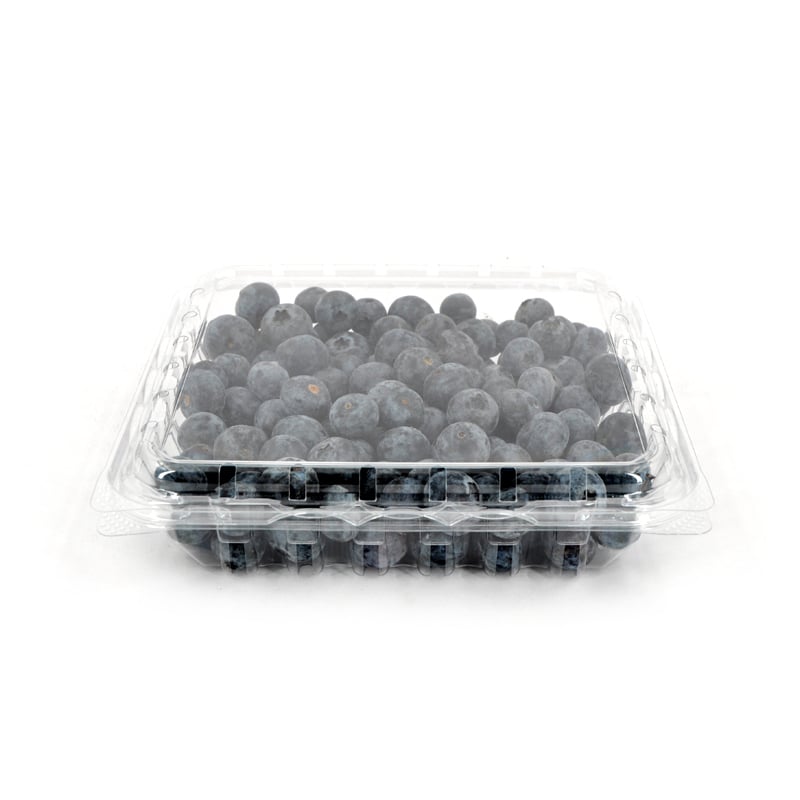
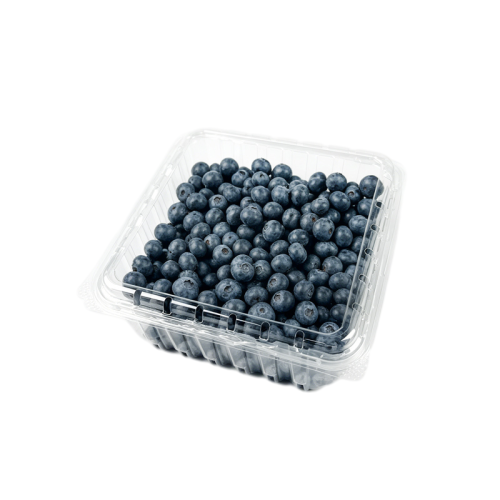
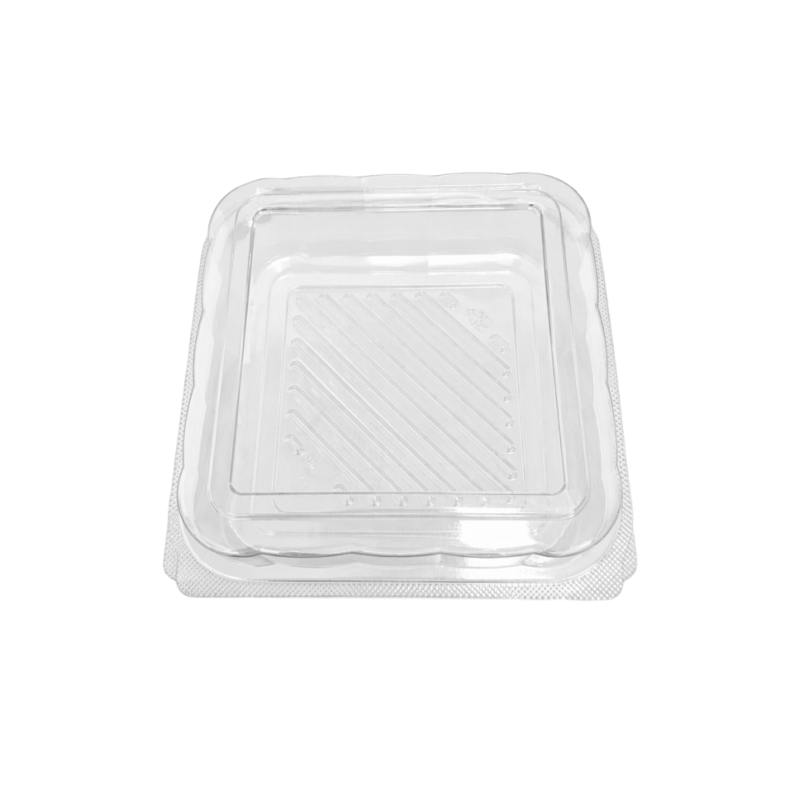
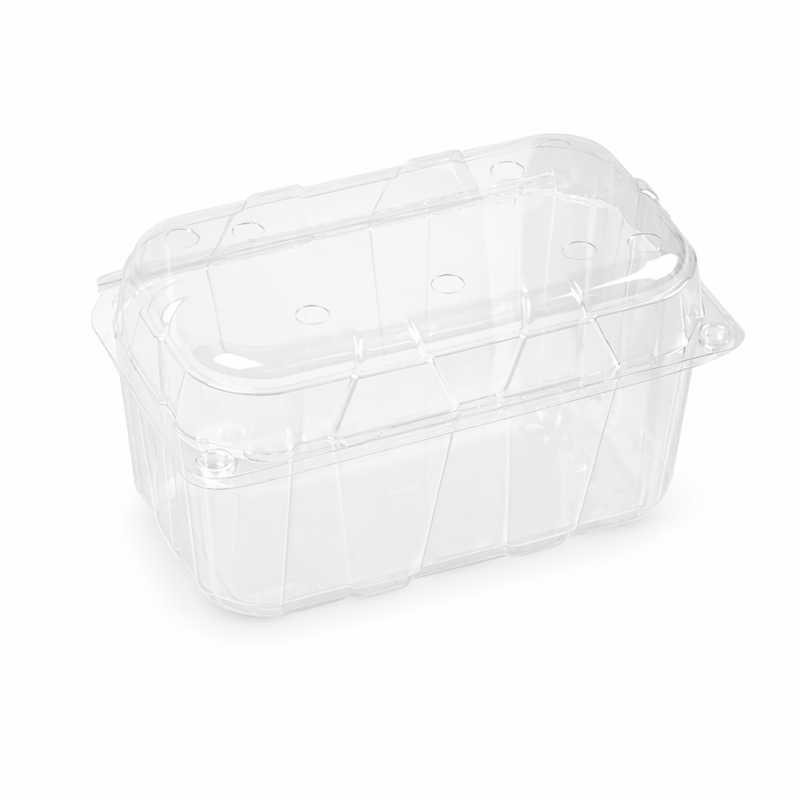
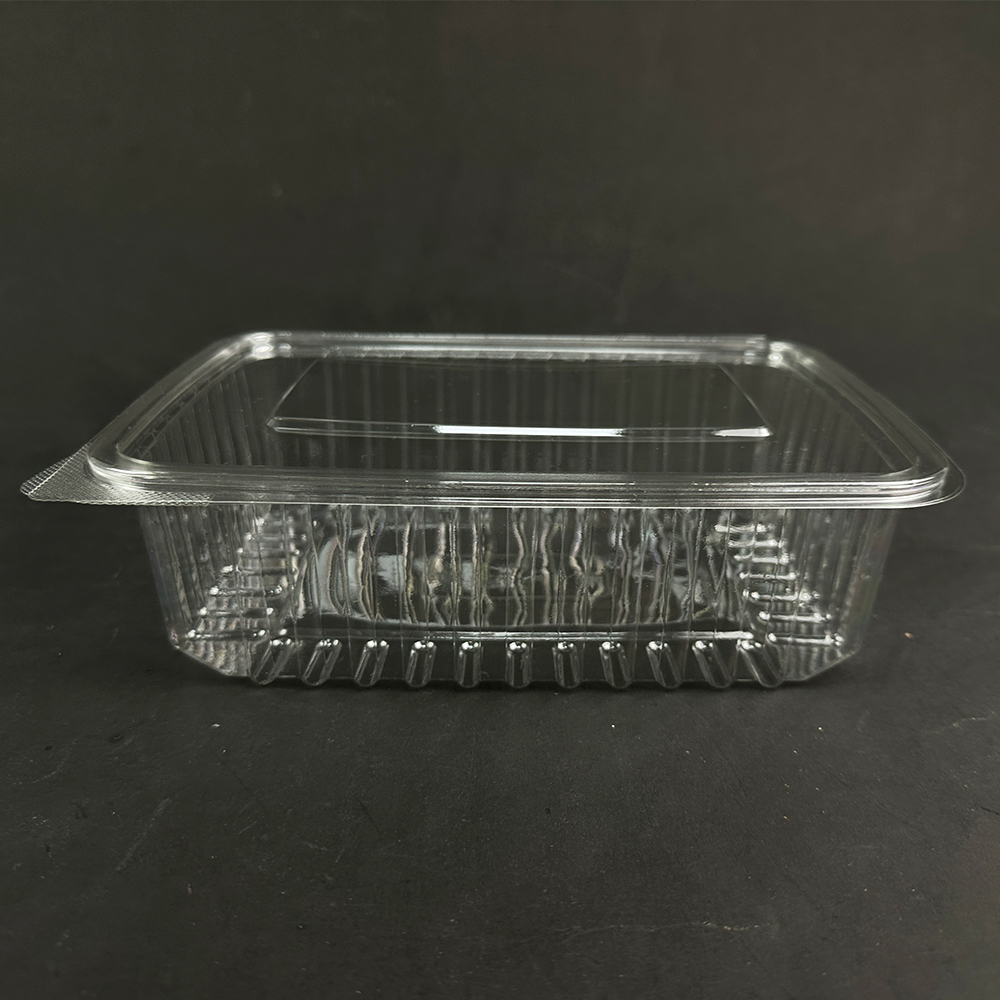
How to Evaluate Clamshell Plastic Box Specifications for Projects
Evaluating the specifications of clamshell plastic boxes requires a detailed examination of several parameters. Key specifications include material thickness, dimensions, and seal integrity.
Material Thickness: This affects durability and protection. A thicker clamshell packaging plastic provides better structural integrity but may increase costs. Ensure that the thickness aligns with your packaging requirements and application conditions.
Dimensions: Accurate measurements are crucial. A box that is too small can damage the product, while one that is too large may not provide adequate protection. Always verify that the internal dimensions match your product specifications.
Sealing Type: The sealing method influences the box's ability to protect contents from contaminants and maintain freshness. Evaluate whether you need a snap closure, adhesive seal, or heat seal, depending on the nature of the product being packaged.
Understanding these specifications allows buyers to avoid common pitfalls, such as unexpected product damage during shipping or compliance issues with regulatory standards.