EN

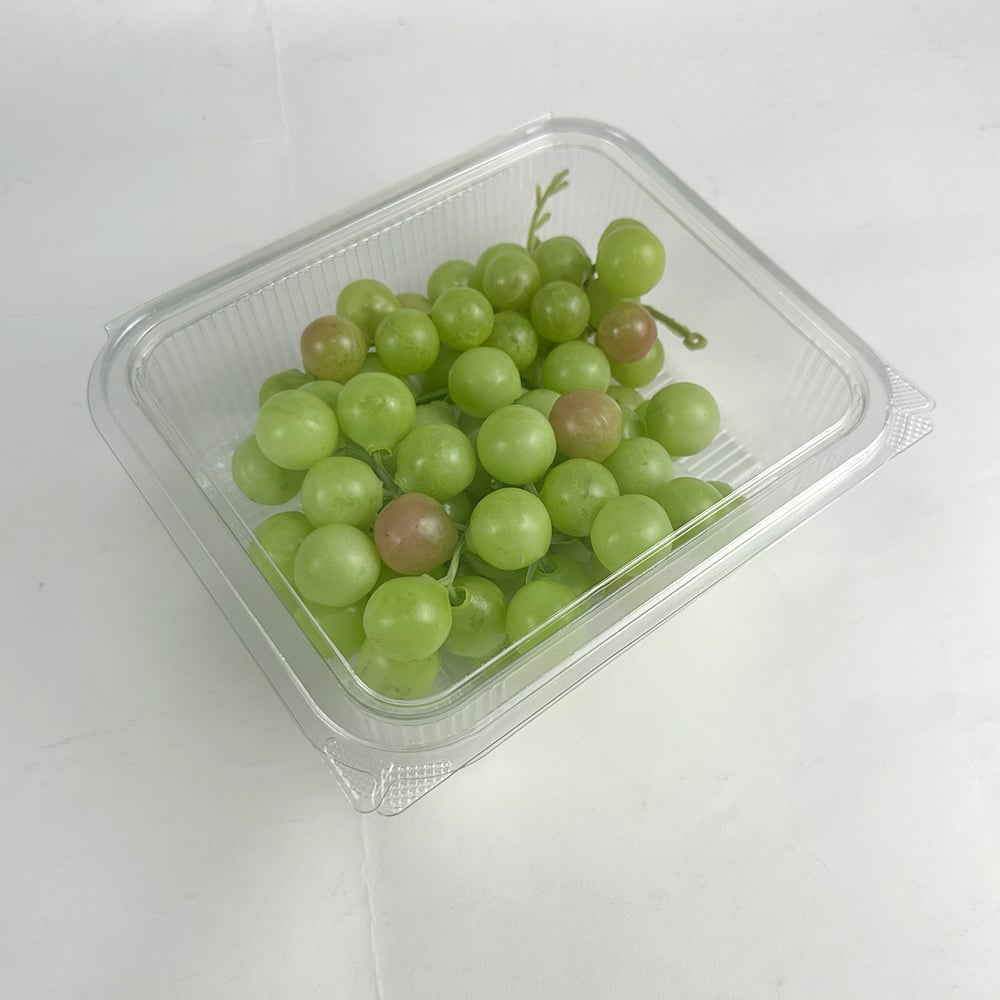
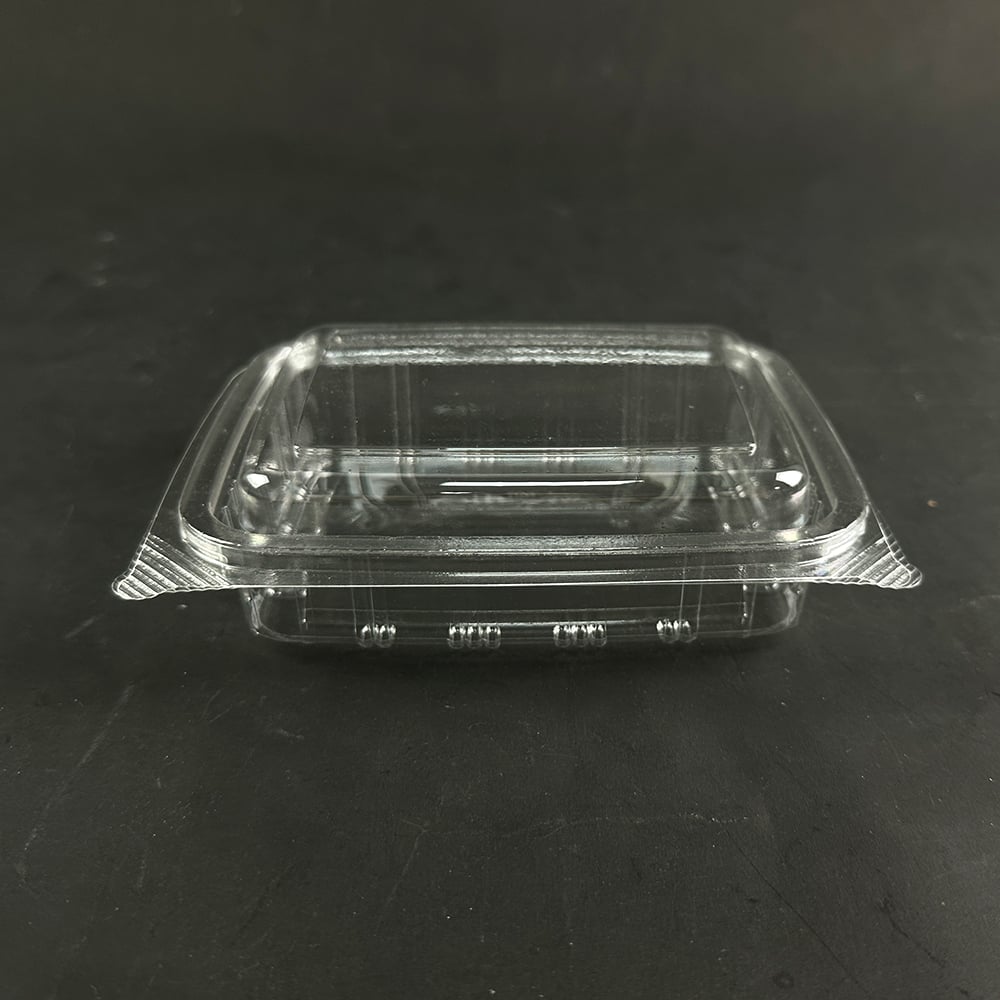
Food clamshell packaging is an essential solution for food manufacturers, retailers, and distributors looking to enhance product presentation, protection, and convenience. As a B2B buyer, you may have concerns about material safety, customization options, and supply chain reliability. This article will guide you through the key aspects of fruit clamshell packaging, helping you make informed decisions for your business. This article will help you to understand what this product is. This will explain things about this product that will help you to really understand this kind of product. So, keep on reading this whole article.
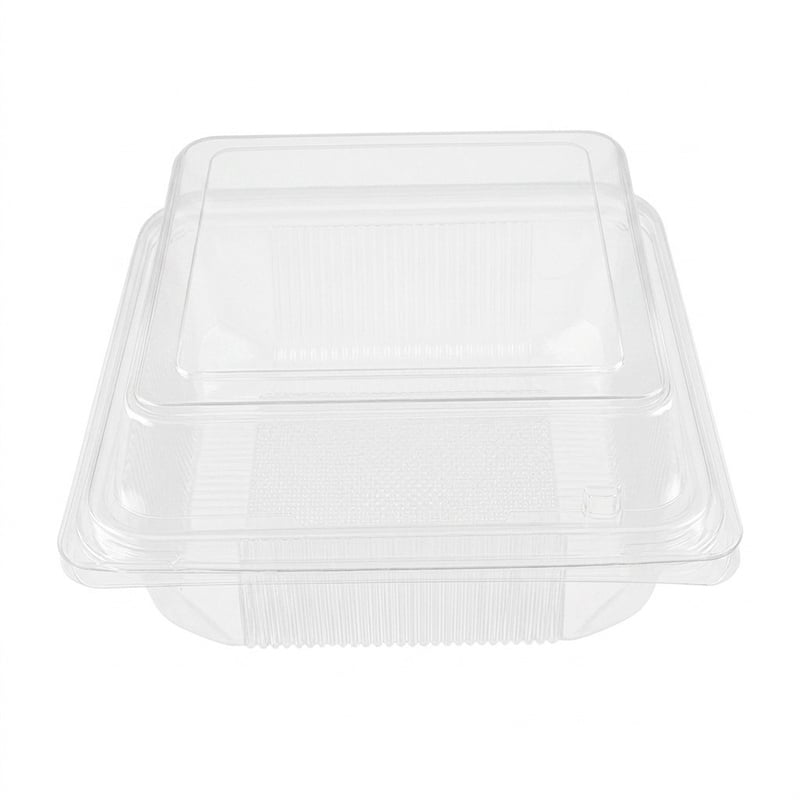
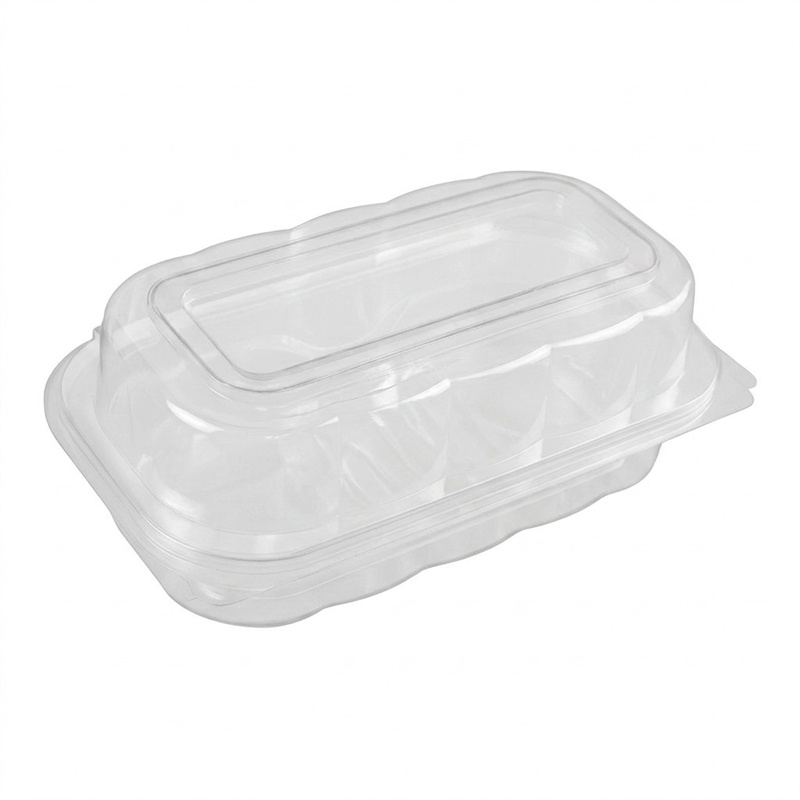
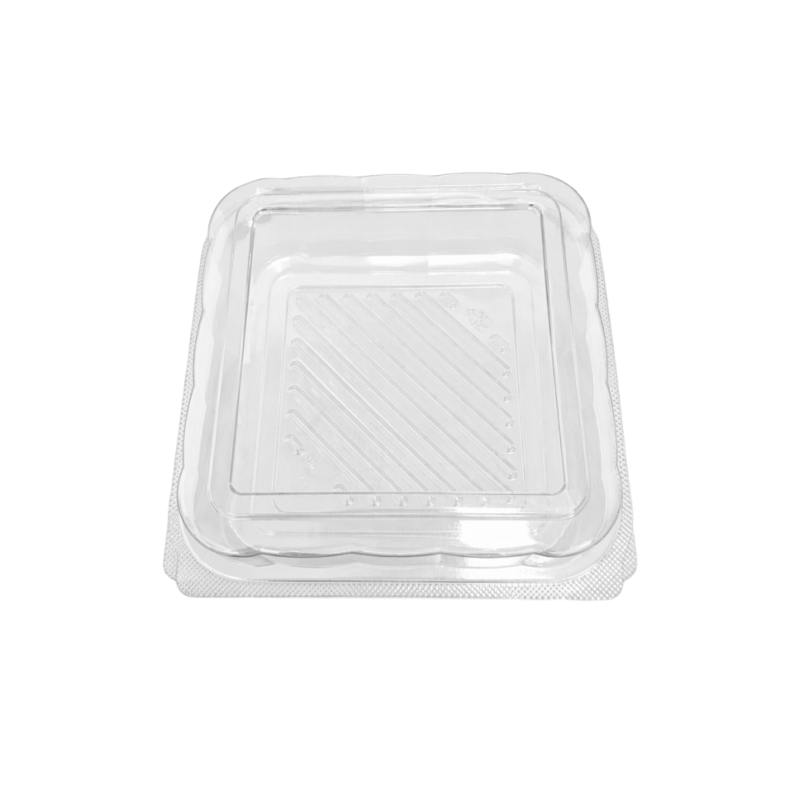
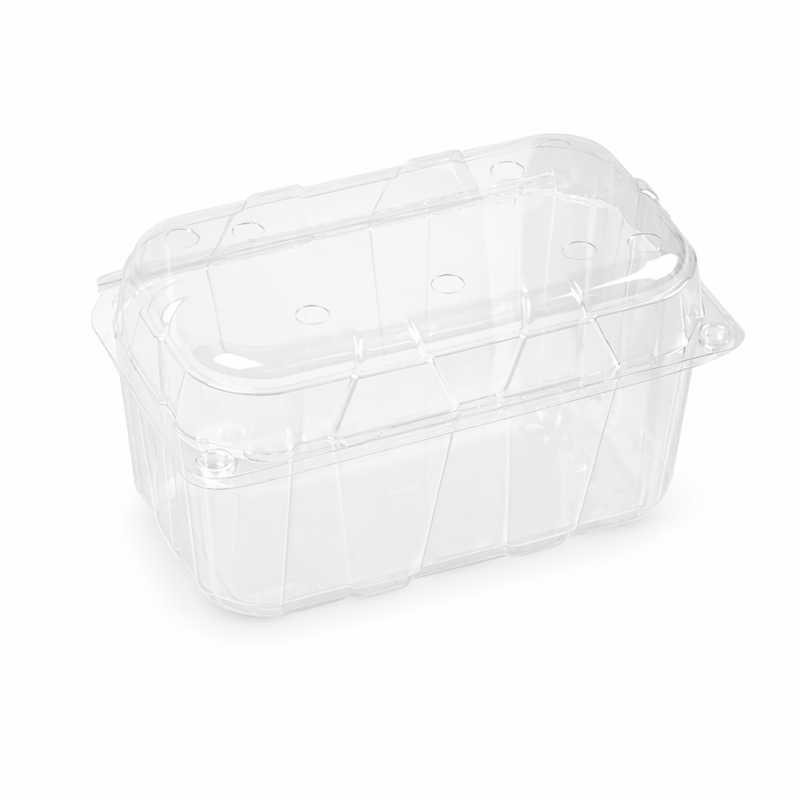
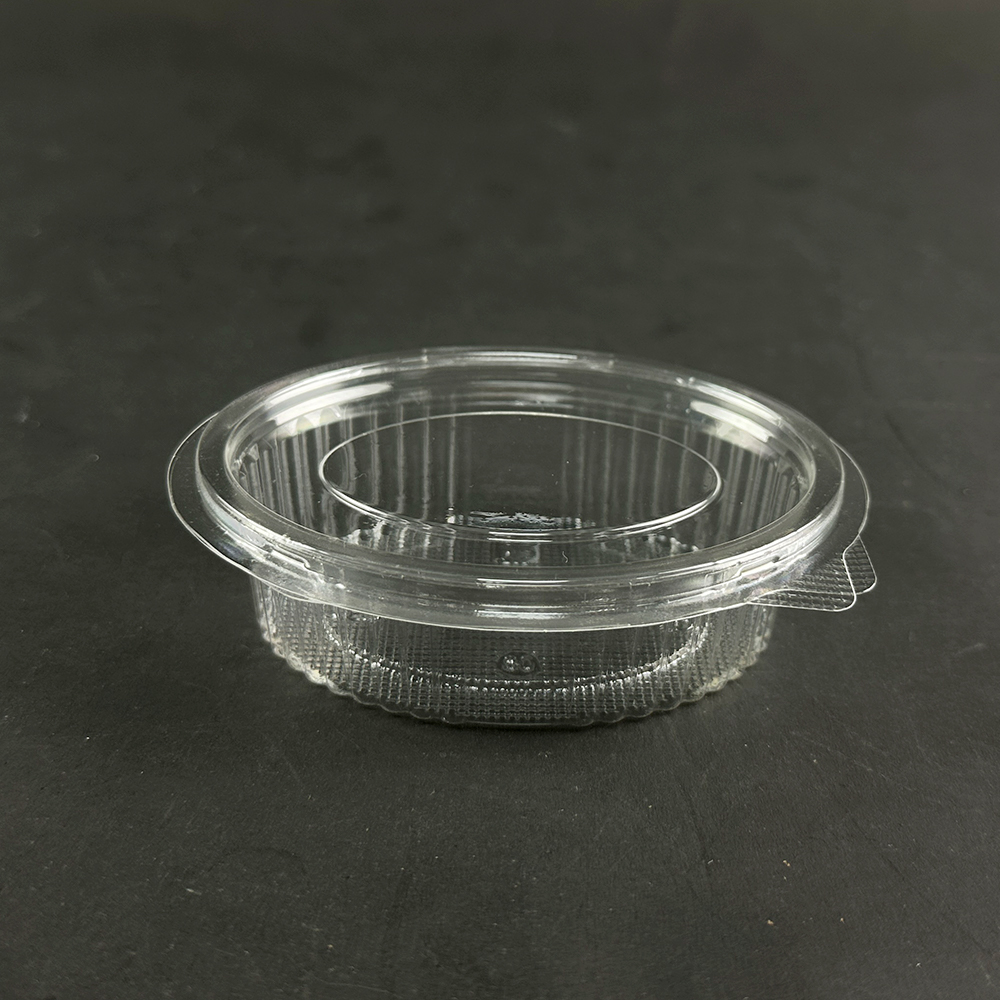
What to Look For
When evaluating QUNLU food clamshell packaging options, several specifications and features should be prioritized.
Material Composition: Food clamshells are commonly made from PET, PVC, or biodegradable materials. PET is widely favored for its clarity, durability, and recyclability, making it suitable for a variety of food products. If sustainability is a concern, explore clamshells made from compostable materials that still comply with food safety regulations.
Sealing and Closure: The sealing mechanism of the clamshell affects product freshness and shelf life. Look for options that provide tamper-evidence and secure closures to prevent contamination.
Certifications: Ensure that the plastic clamshell packaging complies with relevant food safety standards, such as FDA and BRC certifications. These certifications indicate that the materials used are safe for food contact and meet industry quality standards.
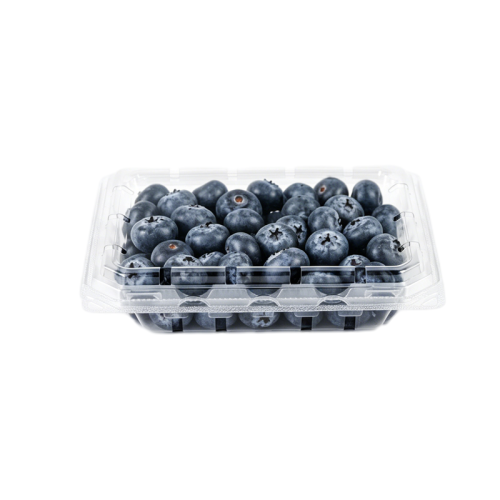
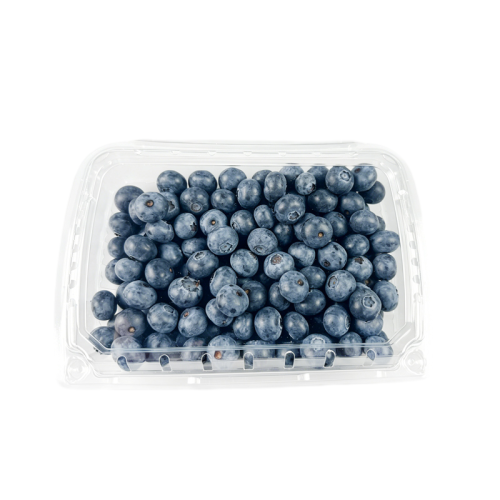
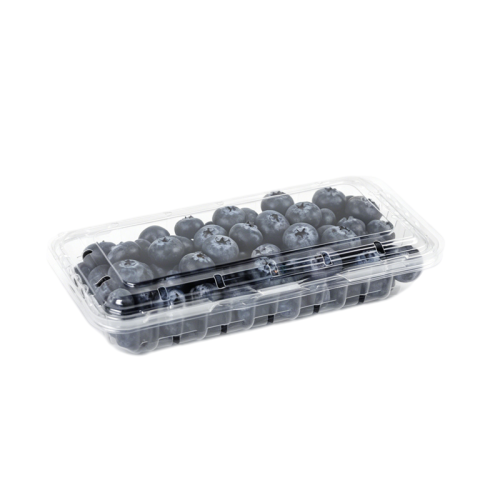
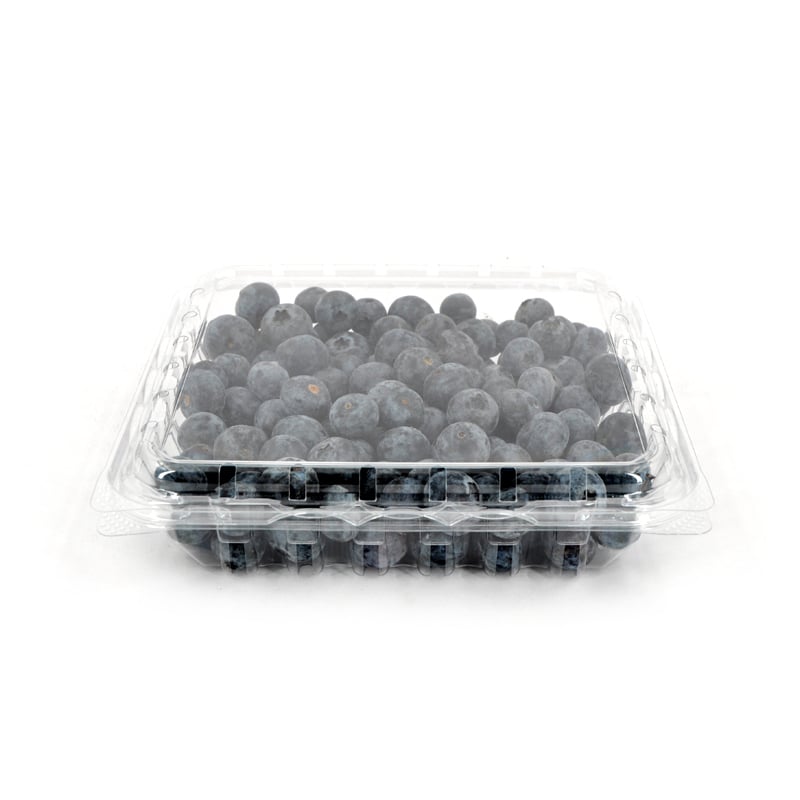
Transparency and Aesthetics: A transparent clamshell allows customers to see the product, which can boost sales. Assess the clarity of the material and how well it showcases your food items.
Stackability and Storage: Consider how the design will affect shipping and storage. Clamshells that stack efficiently can save space and reduce shipping costs.