Choosing Vacuum Skin Packaging for Food Products

All Categories
Review Full Line Catalog

Vacuum skin packaging

Vacuum skin packaging is an innovative food preservation method that enhances product shelf life while maintaining freshness and quality. This packaging solution is particularly beneficial for B2B buyers in the food industry, as it effectively minimizes spoilage and extends the usability of perishable items. As a purchasing manager or distributor, understanding the various aspects of vacuum skin packaging can help you make informed decisions that align with your operational needs. This article will explore key considerations, specifications, common challenges, installation guidelines, and comparisons among different plastic clamshell packaging types to support your purchasing process.
Our Products

Key Specifications for Wholesale Vacuum Skin Packaging Products

Key Specifications for Wholesale Vacuum Skin Packaging Products

When evaluating QUNLU vacuum skin packaging products, specific key specifications are crucial to ensure they meet your operational needs:  

Material Composition: The choice of material can significantly influence the barrier properties and shelf life of the packaged products. Common materials include PET, PA, and EVOH, each offering varying levels of oxygen and moisture barrier capabilities. Select a material that aligns with the expected shelf life and storage conditions of your products. 

Thickness: The thickness of the packaging material can affect both durability and flexibility. Thicker materials may provide better protection against punctures, while thinner options can reduce material costs and environmental impact. 

Sealing Technology: Effective sealing is critical for maintaining vacuum integrity. Look for products that use advanced sealing technologies to ensure a tight seal, which prevents air from re-entering the package. 

Dimensions: Packaging dimensions should be tailored to fit the product securely. This not only helps in minimizing movement during transportation but also enhances the aesthetic presentation on retail shelves. 

Understanding these specifications will enable you to request accurate quotations and avoid common pitfalls in the purchasing process.
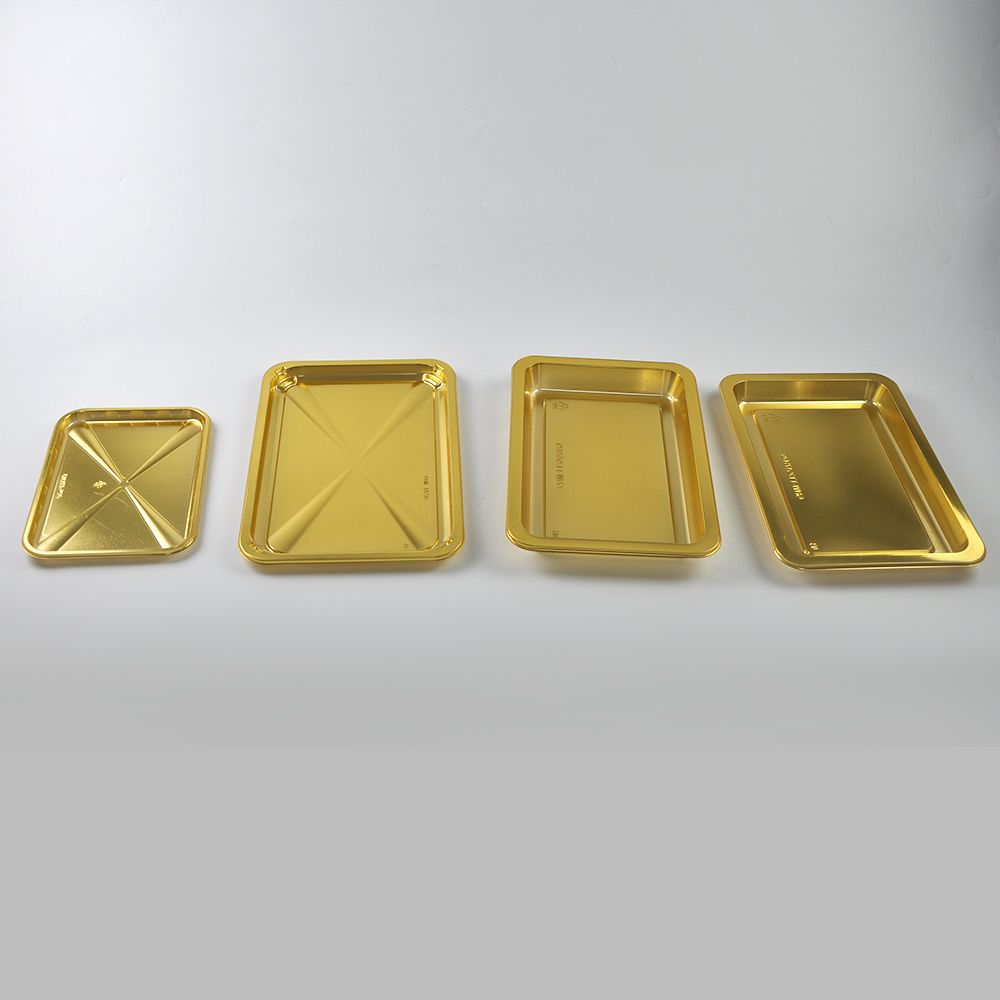
Common Problems with Vacuum Skin Packaging and Their Solutions

Common Problems with Vacuum Skin Packaging and Their Solutions

While vacuum skin packaging offers many benefits, it can present challenges if not properly managed. Common issues include: 

Inadequate Sealing: Poor seals can lead to air infiltration, resulting in spoilage. Ensure that the sealing process is closely monitored and that the machinery is regularly maintained to avoid this problem. 

Material Compatibility: Not all materials work well with every type of food product. For example, acidic foods may react negatively with certain plastics. Conduct compatibility tests before committing to a specific packaging material. 

Moisture Accumulation: Condensation inside the package can spoil the food. Utilizing materials with appropriate moisture barriers can help mitigate this issue. 

To address these problems, it's important to work closely with your packaging supplier to establish quality control measures and to conduct regular inspections of both the packaging materials and the sealing process. 

Installation Guidelines for Effective Vacuum Skin Packaging Use

Installation Guidelines for Effective Vacuum Skin Packaging Use

Proper installation of vacuum skin packaging systems is crucial for ensuring optimal performance. Here are some guidelines: 

Machine Setup: Ensure that the thermoforming machines are calibrated according to the specific material and product being packaged. Proper temperature settings are vital for achieving quality seals. 

Training Personnel: Train operators thoroughly on the machinery's operation, maintenance, and troubleshooting. Knowledgeable personnel can quickly identify and rectify issues, minimizing downtime. 

Sample Testing: Before full-scale production, conduct trial runs with the packaging materials and machinery. This will help identify potential issues and ensure that the food modified atmosphere packaging meets quality standards. 

Following these guidelines will help you avoid common installation pitfalls and enhance the overall efficiency of your packaging operations.

Comparing Different Types of Vacuum Skin Packaging for Projects

When deciding on QUNLU vacuum skin packaging for your projects, it’s essential to compare the different types available based on your specific needs. Here are a few common options: 

Flexible Vacuum Skin Packaging: This type is ideal for products that require a snug fit, such as meat and cheese. It provides excellent barrier properties and is lightweight. 

Rigid Vacuum Skin Packaging: Suitable for items like ready-to-eat meals, this packaging type offers enhanced protection and stackability, making it ideal for retail display. 

Modified Atmosphere Packaging (MAP): Combining vacuum skin technology with modified atmospheres, MAP is effective for products that need extended shelf life, such as fresh produce. It balances oxygen and carbon dioxide levels to inhibit spoilage. 

Each type has its unique advantages and should be selected based on product characteristics, shelf life requirements, and distribution channels. By comparing these options, you can make informed decisions that align with your operational goals. 

vacuum skin packaging provides a reliable solution for preserving food quality while extending shelf life. By considering key specifications, common challenges, and installation guidelines, you can effectively navigate the purchasing process and choose the right packaging solution for your business needs. 

What to Consider When Choosing Vacuum Skin Packaging Solutions

When selecting QUNLU vacuum skin packaging solutions, several factors must be considered. First, evaluate the type of food products you intend to package. Different materials and sealing methods may be required depending on the food's moisture content, fat levels, and temperature sensitivity. For instance, high-fat products might need packaging with superior barrier properties to prevent rancidity. 

Next, consider the production capabilities of the packaging supplier. Look for manufacturers that utilize advanced thermoforming lines, like those employed by Zhejiang Qunlu New Material Co., Ltd., as this can significantly impact the quality and consistency of the plastic fruit packaging. Additionally, ensure that the supplier holds relevant certifications, such as FDA, BRC, and ISO, which indicate compliance with safety and quality standards. 

Lastly, assess the supplier's customization capabilities. Tailored packaging solutions can enhance product visibility and branding, making it essential for suppliers to provide options that meet your specific requirements.

Frequently Asked Questions

What is vacuum skin packaging used for?

Vacuum skin packaging seals products to a backing film, protecting food from contamination, extending shelf life, and improving presentation for retail and distribution.
We use food-grade, certified materials compatible with thermoforming lines, selected for safety, barrier properties, and recyclability to meet FDA, BRC, and ISO standards.
Yes. We offer OEM/ODM customization of shapes, sizes, film types, and printed backing to match brand and product requirements.
Our production follows FDA, BRC, and ISO certified processes, with strict quality control on German/Japanese thermoforming lines to ensure safety and consistency.
Yes. We prioritize sustainable materials and processes, offering recyclable and reduced-waste solutions while maintaining product protection and quality.

Related product categories

Get a Free Quote

Our representative will contact you soon.
Email
Name
Company Name
Message
0/1000
Attachment
Please upload at least an attachment
Upload up to 3 files (maximum 30 MB). Supported formats: JPG, JPEG, PNG, PDF, DOC, DOCX, XLS, XLSX, CSV, TXT, STP, STEP, IGS, X_T, DXF, PRT, SLDPRT, SAT, RAR, ZIP.