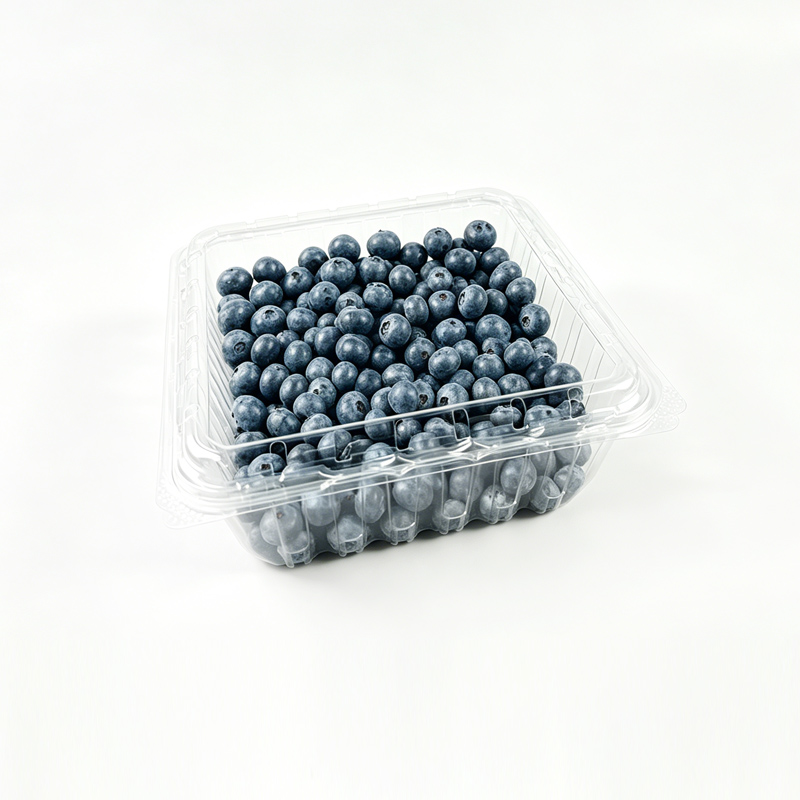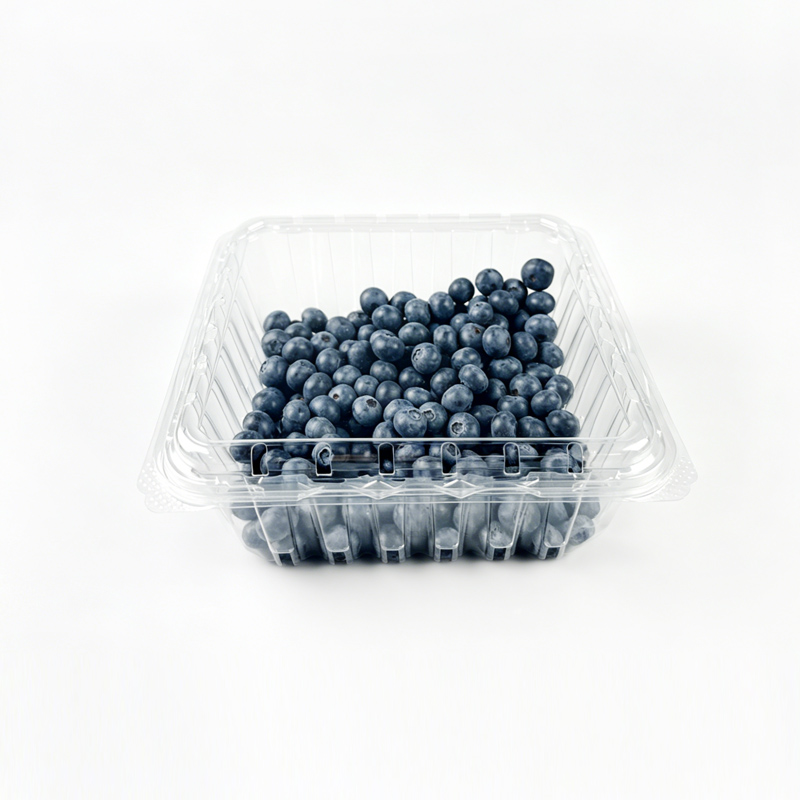
Key Specifications of Fruit Plastic Packaging

All Categories
Review Full Line Catalog

Fruit plastic packaging

Fruit plastic packaging is essential for preserving the quality and freshness of fruits during storage and transportation. In the B2B sector, sourcing reliable fruit plastic packaging solutions is crucial for purchasing managers, distributors, and manufacturers who prioritize safety, quality, and sustainability. This article will explore the key specifications of high-quality fruit plastic packaging, how to source reliable suppliers, cost factors for bulk orders, common problems and their solutions, and the material advantages that can enhance your fruit and veg packaging strategy. 
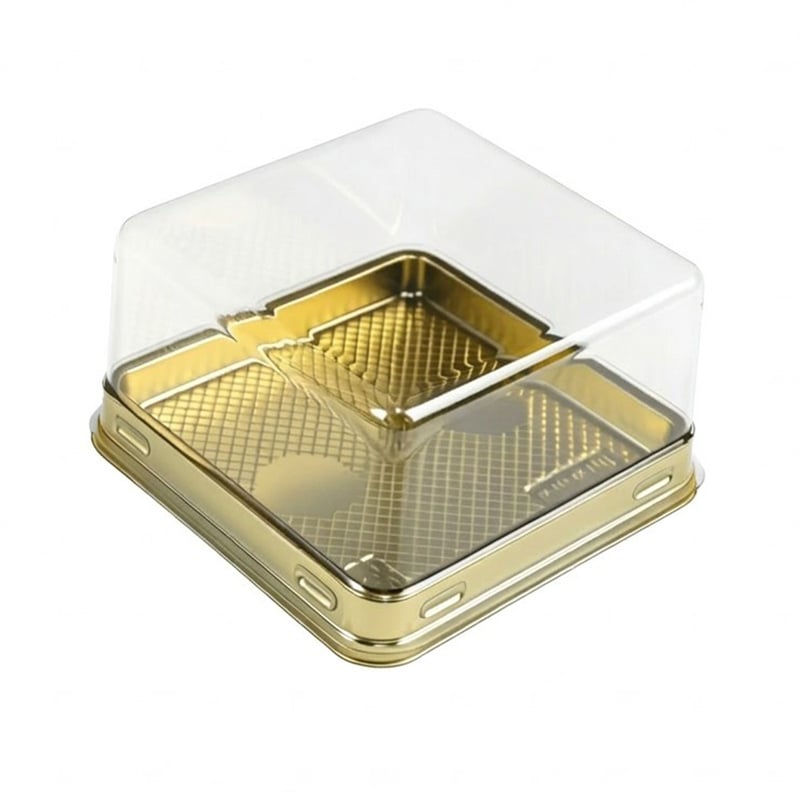
Our Products

Where to Source Reliable Suppliers for Fruit Plastic Packaging

Where to Source Reliable Suppliers for Fruit Plastic Packaging

Sourcing reliable suppliers for fruit plastic packaging requires a strategic approach. Here are some effective methods: 

Industry Trade Shows: Attending relevant trade shows can connect you with reputable manufacturers and suppliers.  Events focused on packaging and food safety provide opportunities to meet potential partners face-to-face and assess their offerings. 

Online Marketplaces: Platforms like Alibaba and ThomasNet allow buyers to find a wide range of suppliers. Look for those with verified profiles, positive reviews, and a proven track record in the industry. 

Referrals and Networking: Utilize industry connections and networks to find suppliers with a good reputation.  Recommendations from fellow professionals can lead to trustworthy contacts who understand the specific needs of fruit packaging. 

Factory Visits: If possible, visiting the production facility provides firsthand insights into manufacturing capabilities and quality control processes. This can also help in evaluating the supplier's commitment to sustainability practices. 

Requesting Samples: Before making bulk orders, request samples to evaluate the quality and suitability of the packaging for your products. This step is crucial in ensuring that the packaging aligns with your brand standards. 
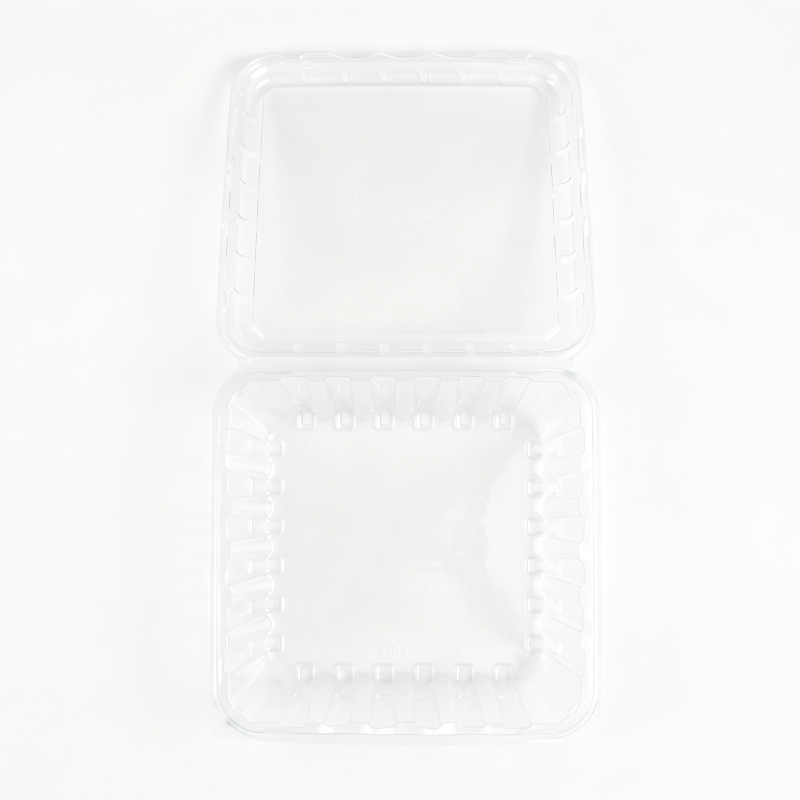
Evaluating Cost Factors for Bulk Fruit Plastic Packaging Orders

Evaluating Cost Factors for Bulk Fruit Plastic Packaging Orders

Cost is a significant consideration when placing bulk orders for QUNLU fruit plastic packaging. Various factors affect pricing: 

Material Costs: The choice of material plays a substantial role in pricing. Sustainable options like biodegradable plastics may have higher initial costs but can appeal to environmentally-conscious consumers and may reduce waste disposal expenses. 

Order Quantity: Generally, larger orders lead to lower per-unit costs. Buyers should balance their inventory needs with the financial implications of bulk purchases to optimize their budgets. 

Customization Requirements: Custom designs, sizes, and printing can add to costs. While customization may enhance branding and consumer appeal, it is essential to assess its return on investment. 

Shipping and Logistics: Consider the costs associated with shipping, including freight charges and customs duties for international orders. Proximity to the supplier can influence shipping costs and lead times. 

Quality Control Costs: Investing in quality assurance processes can prevent costly errors in production. Ensure that the supplier has robust quality control measures in place to minimize defects and returns. 

Common Problems with Fruit Plastic Packaging and Their Solutions

Common Problems with Fruit Plastic Packaging and Their Solutions

While QUNLU fruit plastic packaging is designed to protect products, several common issues can arise. Here are some challenges and potential solutions: 

Material Degradation: Exposure to sunlight or improper storage conditions can lead to material degradation. Use UV-resistant materials or store packaging in shaded areas to prolong shelf life. 

Seal Failures: Inadequate sealing can lead to spoilage. Conduct regular quality checks on sealing equipment and implement stringent quality control processes to ensure that seals are effective. 

Incompatibility with Products: Sometimes, packaging may not fit the product perfectly, leading to damage. Collaborate closely with suppliers to design plastic fruit packaging that fits the specific dimensions and needs of your fruits. 

Environmental Impact: Increasing consumer awareness of environmental issues can lead to backlash against non-sustainable packaging. Explore biodegradable or recyclable options and communicate your sustainability efforts to consumers. 

Regulatory Compliance Issues: Failure to comply with regulations can result in costly recalls. Stay informed about changing regulations and ensure suppliers are consistently meeting compliance requirements.

Understanding Material Advantages in Fruit Plastic Packaging

The choice of material significantly impacts the performance and sustainability of QUNLU fruit plastic packaging. Here are some materials and their advantages: 

Polyethylene Terephthalate (PET): Known for its clarity and strength, PET is a popular choice for fruit packaging. It provides excellent barrier protection against moisture and gases, extending shelf life. 

Polyvinyl Chloride (PVC): PVC offers good flexibility and can be thermoformed into various shapes. However, its environmental impact needs to be considered, as it is less biodegradable than other options. 

Polylactic Acid (PLA): As a biodegradable material derived from renewable resources, PLA is becoming increasingly popular. It provides a sustainable alternative that appeals to eco-conscious consumers. 

Polypropylene (PP): This material is resistant to moisture and chemicals, making it suitable for fruits that require a longer shelf life. Its versatility allows it to be used in various applications, including trays and clamshells. 

Composite Materials: Combining different materials can enhance the performance of fruit packaging. For example, multi-layer films can provide better barrier properties while maintaining flexibility and transparency. 

By understanding the advantages and applications of different materials, buyers can make informed decisions that align with their packaging goals and customer expectations. 

Key Specifications of High-Quality Fruit Plastic Packaging

Understanding the key specifications of fruit plastic packaging is vital for ensuring product integrity and consumer satisfaction. Important specifications include: 

Material Type: Common materials include PET, PVC, and PLA. PET offers excellent clarity and barrier properties, while PLA is biodegradable and aligns with sustainability goals. Buyers should assess the trade-offs between durability and environmental impact based on their specific needs. 

Thickness: The thickness of the packaging influences its strength and protective capabilities. Thicker materials can provide more durability against punctures and tears, while thinner options may be more cost-effective but could compromise protection during transport. 

Dimensions: The size and shape of the packaging should match the fruit being packed. Custom molds can be developed to ensure a snug fit, reducing movement and potential damage. Buyers should work closely with manufacturers to ensure compatibility with their fruit varieties. 

Sealing Techniques: Proper sealing methods, including heat sealing and ultrasonic sealing, are crucial for maintaining freshness and preventing contamination. Buyers should inquire about the sealing technologies used and their effectiveness in achieving airtight seals. 

Compliance with Regulations: Certifications such as FDA, BRC, and ISO indicate that the fruit packaging plastic meets stringent safety and quality standards. Ensure that suppliers can provide proof of compliance to avoid potential regulatory issues.

Frequently Asked Questions

What materials are used for fruit plastic packaging?

We use food-grade plastic materials compliant with FDA standards, selected for safety, clarity and durability suitable for fruit cups, trays, clamshells and containers.
Yes. Our production meets FDA, BRC and ISO standards, ensuring materials and processes are certified for food contact and safety.
Yes. We offer OEM and ODM services using advanced German and Japanese thermoforming lines to customize size, shape, print and packaging.
We prioritize sustainable materials and efficient thermoforming processes to minimize waste, and can advise on recyclable options and lightweight designs.
Lead times vary by design and volume; typical production uses efficient thermoforming lines. Contact us with specifications for accurate lead time and MOQ quotes.

Related product categories

Get a Free Quote

Our representative will contact you soon.
Email
Name
Company Name
Message
0/1000
Attachment
Please upload at least an attachment
Upload up to 3 files (maximum 30 MB). Supported formats: JPG, JPEG, PNG, PDF, DOC, DOCX, XLS, XLSX, CSV, TXT, STP, STEP, IGS, X_T, DXF, PRT, SLDPRT, SAT, RAR, ZIP.