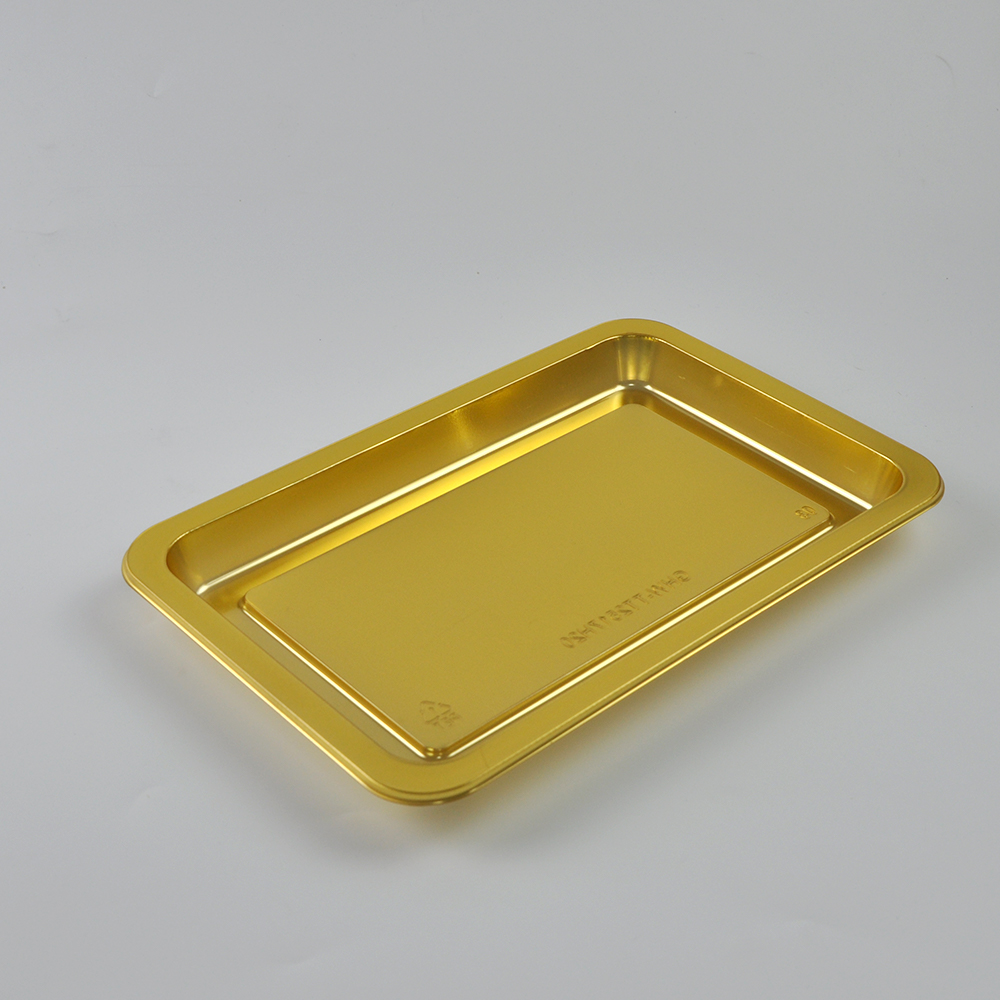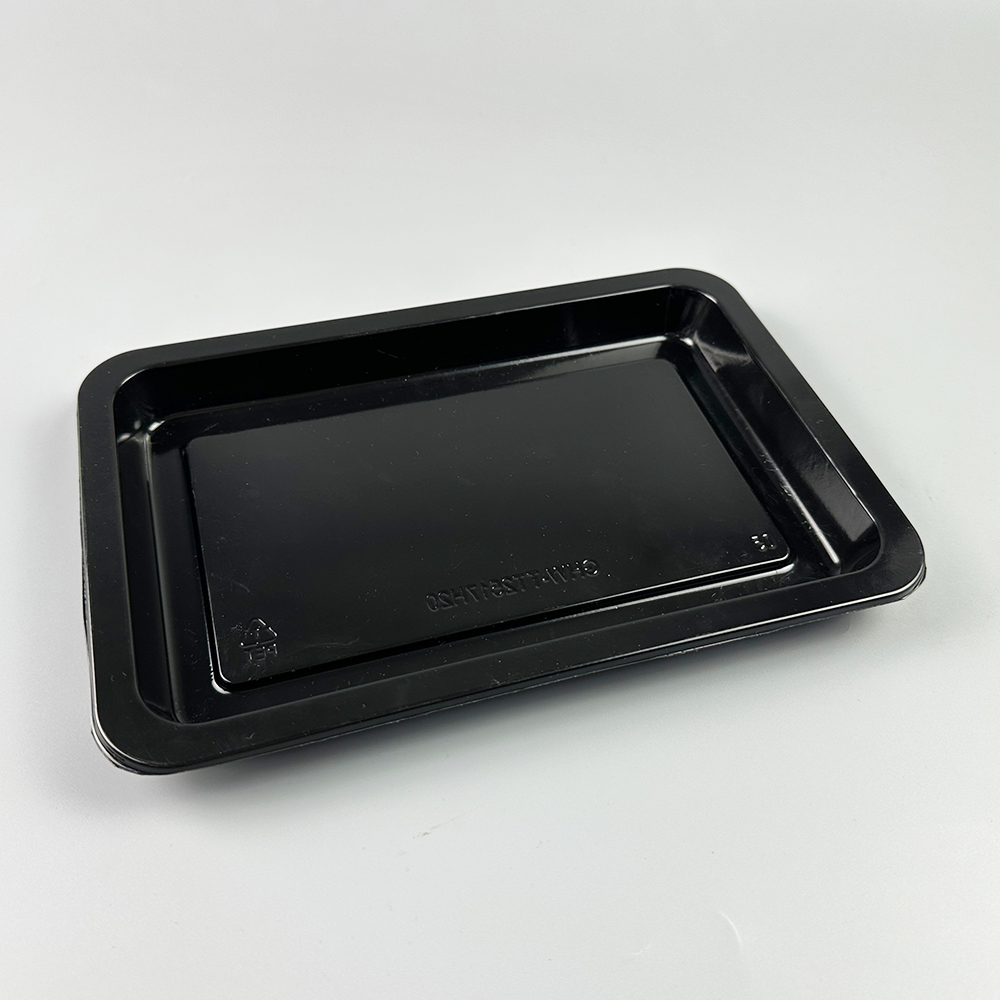
Skin Vacuum Packaging Solutions for Food Safety

All Categories
Review Full Line Catalog

Skin vacuum packaging

Skin vacuum packaging is an innovative method widely used in the food packaging industry to extend product shelf life and enhance presentation. This technique involves vacuum sealing food items within a flexible film that is tightly molded around them, creating a skin-like appearance. For purchasing managers and product managers, understanding the intricacies of skin vacuum packaging is crucial, as it ensures product safety, quality, and compliance with industry standards. This article will guide you through key specifications, supplier selection, material evaluation, common issues, and cost factors related to disposable food packaging.
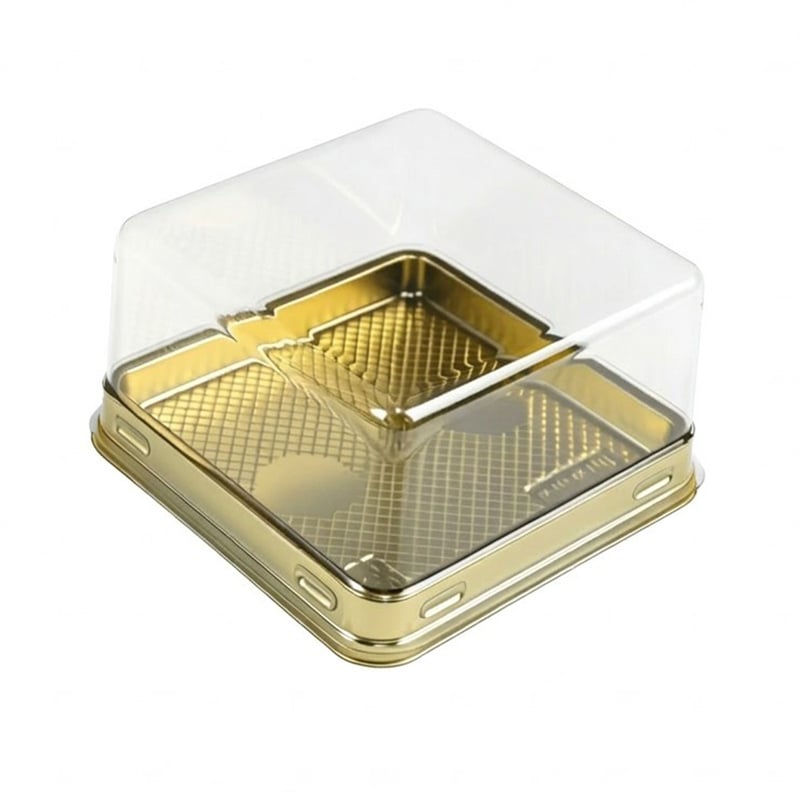
Our Products

How to Choose Reliable Suppliers for Skin Vacuum Packaging

How to Choose Reliable Suppliers for Skin Vacuum Packaging

Selecting a reliable supplier for QUNLU skin vacuum packaging is crucial for ensuring product quality and timely delivery. Here are some steps to help you choose the right partner: 

Assess Manufacturing Capabilities: Look for suppliers with advanced manufacturing capabilities, such as German or Japanese thermoforming lines, which ensure high precision and quality. Check their production capacity to ensure they can meet your demand consistently. 

Request Samples: Before making a commitment, request samples of their skin vacuum packaging products. Evaluate these samples for material quality, sealing strength, and overall appearance. Testing samples under your specific conditions can provide insights into how they will perform in real scenarios. 

Check Certifications and Compliance: Ensure that potential suppliers possess the necessary certifications relevant to food safety and packaging. This not only ensures product safety but also indicates the supplier's commitment to quality. 

Evaluate Customization Capabilities: Discuss your specific needs, including size, design, and printing requirements. A supplier who offers flexible customization options is more likely to meet your unique modified atmosphere packaging needs. 

Review Customer Feedback: Seek testimonials or case studies from other businesses that have worked with the supplier. This can provide insights into their reliability, customer service, and ability to meet deadlines. 
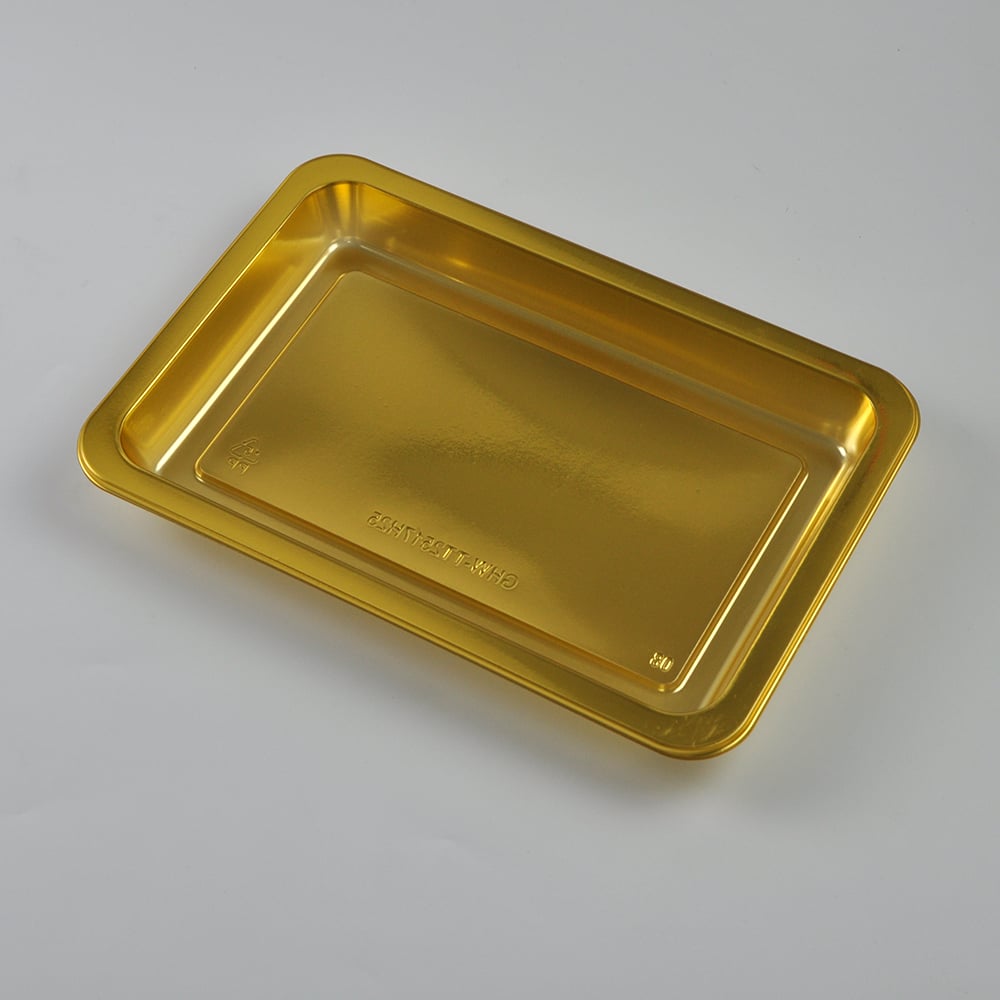
Evaluating the Quality of Skin Vacuum Packaging Materials

Evaluating the Quality of Skin Vacuum Packaging Materials

The quality of materials used in QUNLU skin vacuum packaging is paramount for maintaining product integrity. Here are essential factors to consider: 

Barrier Properties: Assess the film's barrier performance against moisture, oxygen, and light. The right barrier properties will depend on the type of product being packaged. For instance, high-barrier film s are essential for perishable items that require extended shelf life. 

Mechanical Strength: The film should have adequate tensile strength to withstand handling, transportation, and storage conditions. This includes resistance to punctures and tears, which could compromise the packaging. 

Compatibility with Products: Ensure that the packaging materials are compatible with the specific food products being packaged. For instance, fatty or acidic foods may require specific materials that can withstand chemical interactions without degrading. 

Regulatory Compliance: Verify that materials used in the packaging meet food safety regulations. This includes checking for FDA-approved materials and ensuring that any additives used in the packaging are safe for food contact. 

Sustainability: As sustainability becomes increasingly important, consider suppliers who offer eco-friendly materials or options for recycling. This can enhance your brand image while meeting consumer demand for sustainable packaging solutions.

Common Problems with Skin Vacuum Packaging and Their Solutions

Common Problems with Skin Vacuum Packaging and Their Solutions

While skin vacuum packaging offers numerous advantages, there are common challenges that buyers should be aware of:

Seal Integrity Issues: Poor sealing can lead to product spoilage. To mitigate this, ensure that your supplier uses reliable sealing technology and that seal strength is tested during production. Implementing quality control checks can help catch issues before products reach customers. 

Material Compatibility Problems: Incompatibility between the packaging material and the product can lead to chemical reactions or degradation. Conduct thorough compatibility tests for your specific products and materials to avoid this issue. 

Air Pockets: Air pockets can form if the vacuum process is not executed correctly, compromising the packaging's effectiveness. Ensure that your supplier has robust vacuuming equipment and processes in place to minimize this risk. 

Damage During Transportation: Skin vacuum packaging must withstand various stresses during transportation. Choose materials with appropriate mechanical strength and consider additional protective packaging options for fragile items. 

Inconsistent Quality: Variability in production quality can lead to problems with packaging performance. Establish clear quality control standards with your supplier and conduct regular audits to ensure compliance. 

Cost Factors Influencing Skin Vacuum Packaging Purchases

Understanding the cost factors associated with QUNLU skin vacuum packaging can help you make informed purchasing decisions. Here are the main considerations: 

Material Costs: The type and quality of materials used significantly impact the overall cost. High-performance films with better barrier properties may have a higher upfront cost but offer long-term savings by reducing spoilage. 

Customization Requirements: Custom designs, sizes, and printing can lead to increased costs. However, customized packaging can enhance product appeal and drive sales, so it's essential to balance cost with branding needs. 

Production Volume: Larger orders often result in lower per-unit costs due to economies of scale. Be clear about your expected order volumes and discuss MOQ (minimum order quantities) with your supplier to find a suitable arrangement. 

Production Technology: Advanced manufacturing processes may incur higher costs, but they can also improve quality and efficiency. Assess whether the investment in technology aligns with your quality and production goals. 

Logistics and Shipping: Consider shipping costs and lead times when selecting a supplier. Local suppliers may reduce shipping costs and delivery times, while international suppliers may offer lower material costs but higher logistics expenses. 

By understanding these factors, you can better negotiate terms and ensure that you are making an economically sound decision for your food modified atmosphere packaging needs. 

Key Specifications for Skin Vacuum Packaging Solutions

When evaluating skin vacuum packaging solutions, several key specifications should be considered to ensure optimal performance: 

Material Composition: The type of film used in skin vacuum packaging is critical. Common materials include polyethylene (PE), polyvinyl chloride (PVC), and nylon. Each material has unique barrier properties that affect moisture, oxygen permeability, and overall durability. For example, nylon offers high puncture resistance, while PVC provides excellent clarity. 

Thickness: The thickness of the packaging film typically ranges from 40 to 100 microns. Thicker films provide greater protection and durability, which is essential for heavier items or those with sharp edges. However, this may also affect the flexibility of the packaging. 

Sealing Technology: The sealing method can impact the integrity of the package. Heat sealing is the most common method, but ultrasonic sealing is also gaining popularity for its ability to create strong seals without damaging the product. Ensure that the chosen method aligns with your production processes and product requirements. 

Customization Options: Customization is vital for branding and product differentiation. This can include printing on the packaging, varying dimensions, and specific film structures based on the product's needs. 

Certifications: Ensure that the packaging complies with relevant food safety regulations and certifications, such as FDA, BRC, or ISO. These certifications guarantee that the materials used are safe for food contact and meet industry standards.

Frequently Asked Questions

What is skin vacuum packaging used for?

Skin vacuum packaging secures products by tightly molding film to items, preserving freshness, preventing contamination, and improving display for food and retail use.
We use food-grade films compatible with thermoforming lines, selected for safety, durability, and recyclability, meeting FDA and international standards.
Yes. We offer both OEM and ODM services, customizing sizes, film types, and tray designs to meet client specifications and brand requirements.
Our facilities hold FDA, BRC, and ISO certifications, ensuring compliant production processes, material safety, and consistent quality control.
Lead times vary by order size and customization; typical production schedules are provided after inquiry. Minimum order quantities depend on product design and materials.

Related product categories

Get a Free Quote

Our representative will contact you soon.
Email
Name
Company Name
Message
0/1000
Attachment
Please upload at least an attachment
Upload up to 3 files (maximum 30 MB). Supported formats: JPG, JPEG, PNG, PDF, DOC, DOCX, XLS, XLSX, CSV, TXT, STP, STEP, IGS, X_T, DXF, PRT, SLDPRT, SAT, RAR, ZIP.