EN

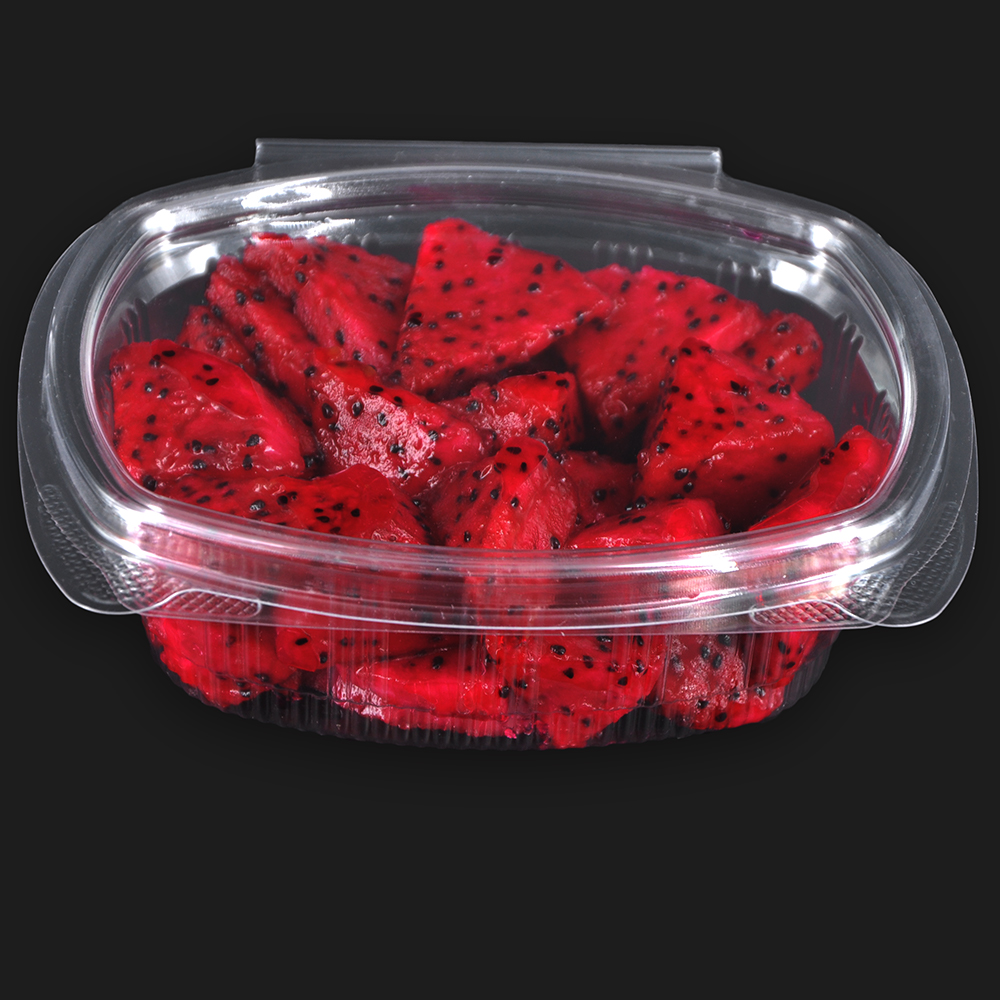
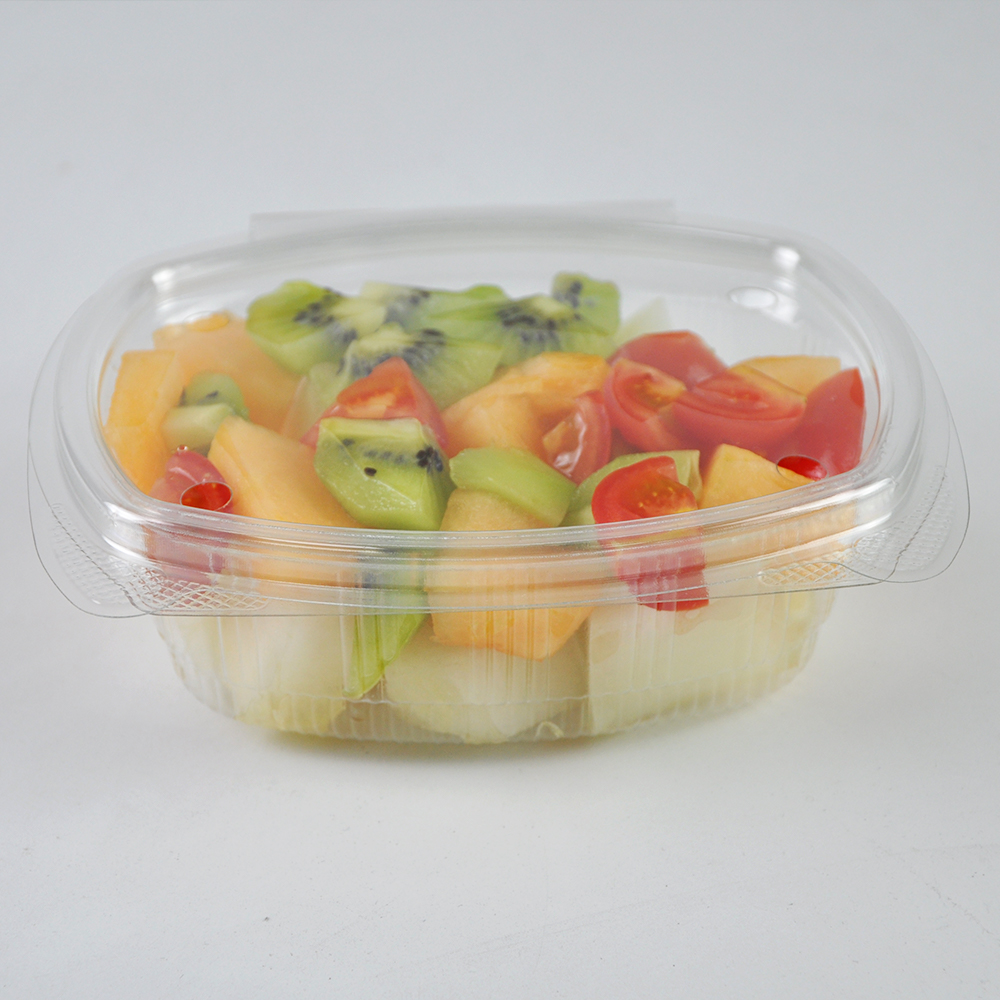
Small clamshell containers are versatile packaging solutions widely used across various industries, particularly in food service and retail sectors. These containers are designed to securely hold a variety of products, from fresh produce to baked goods and take-out meals. As a B2B buyer, understanding the specifications and sourcing options for fruit clamshell packaging is crucial for ensuring product integrity, safety, and compliance with industry standards. This article will guide you through essential considerations, including sourcing, specifications, material choices, installation challenges, and applications. This article will help you to understand the product more, so keep on reading it all.
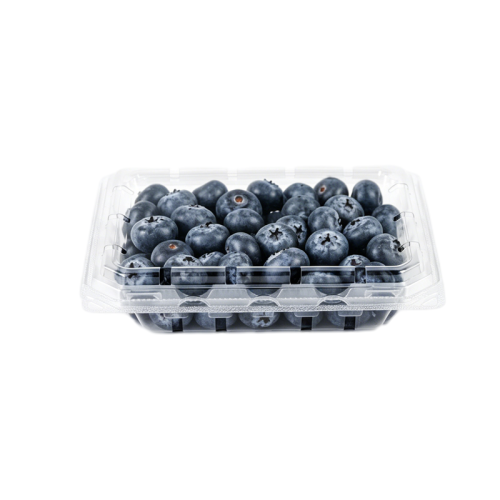
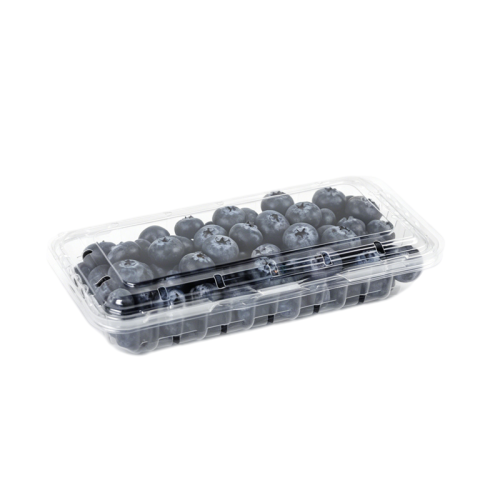
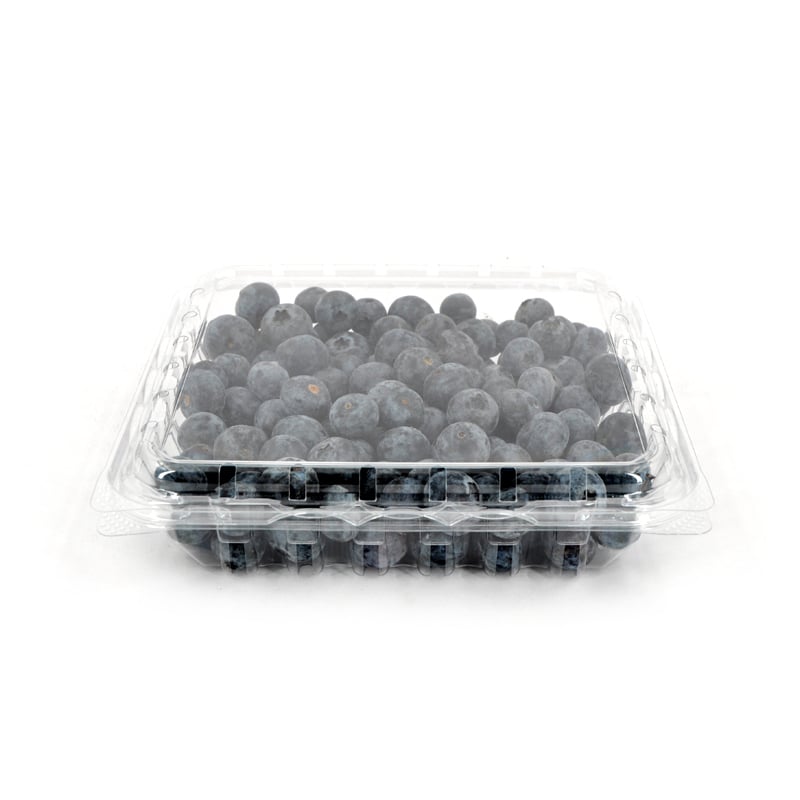
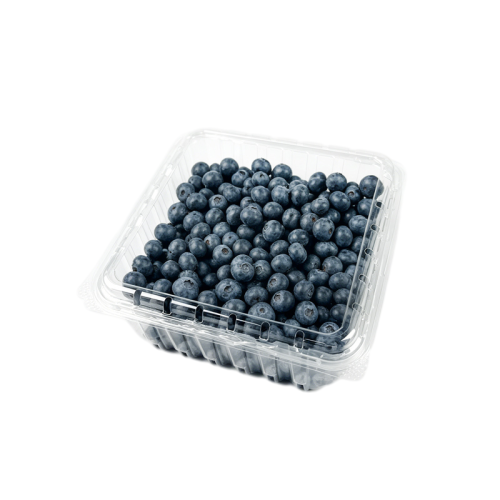
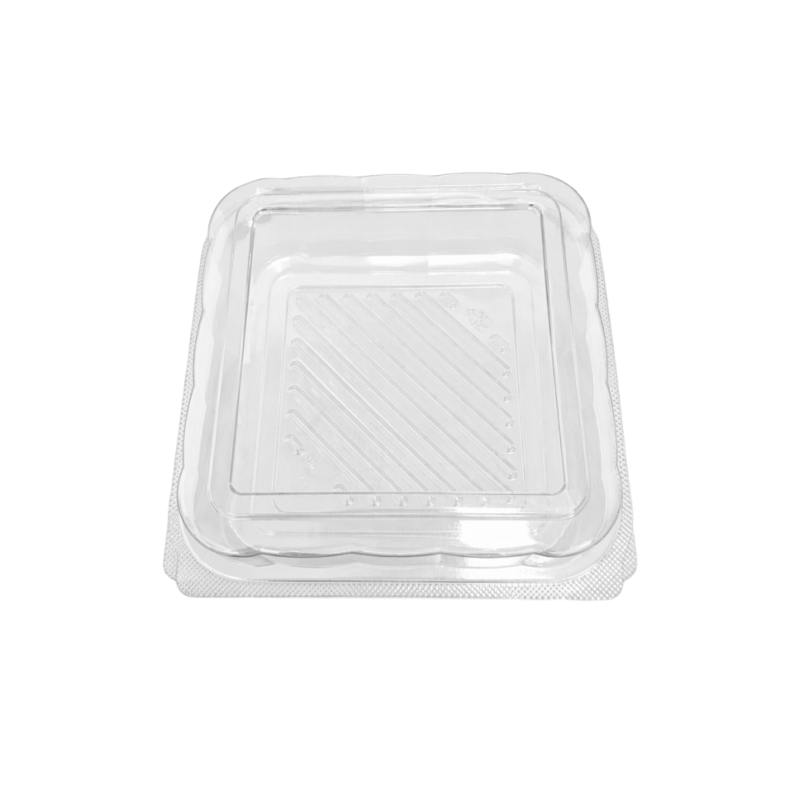
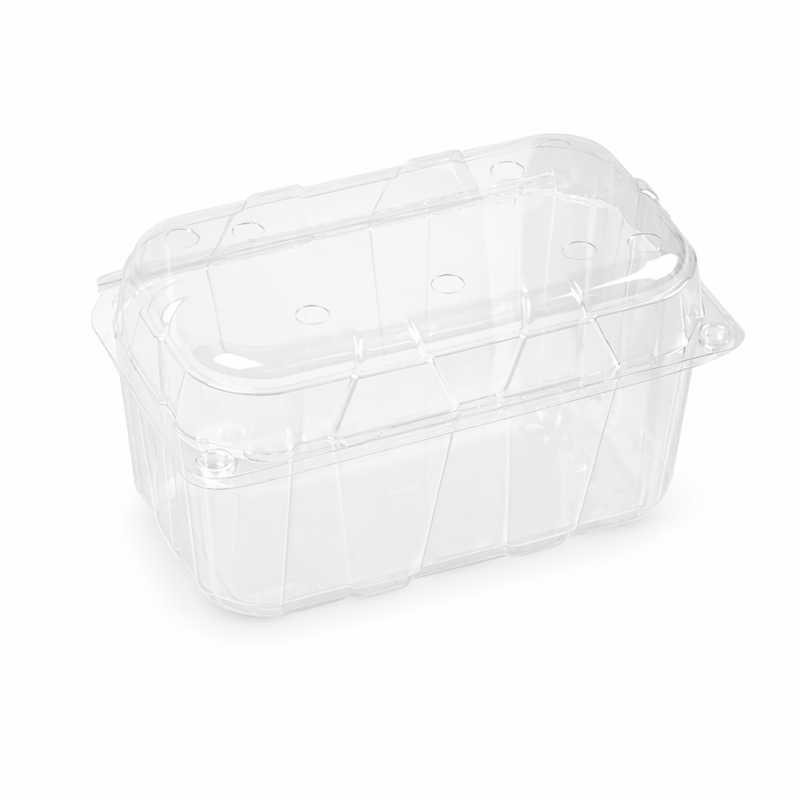
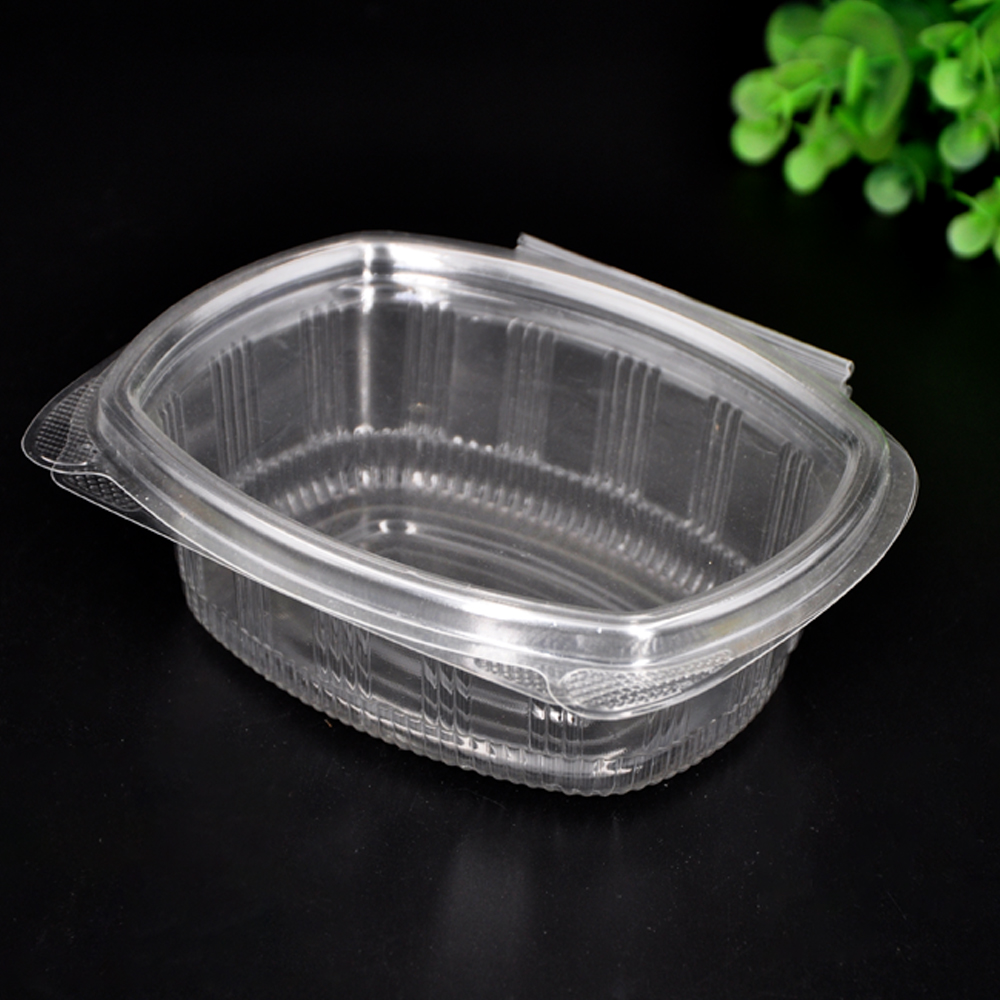
Key Specifications to Consider for Small Clamshell Containers
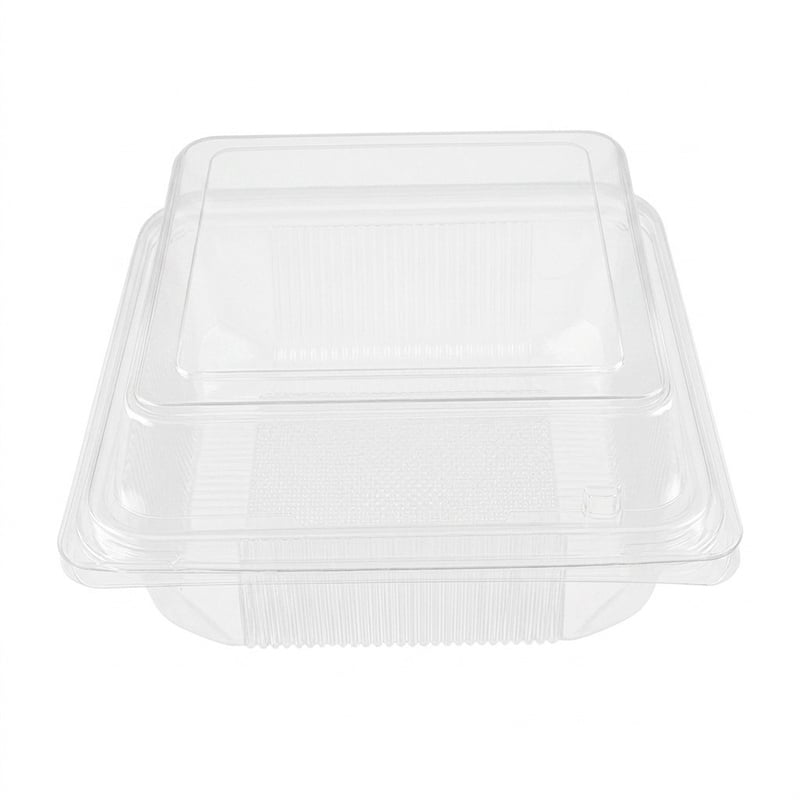
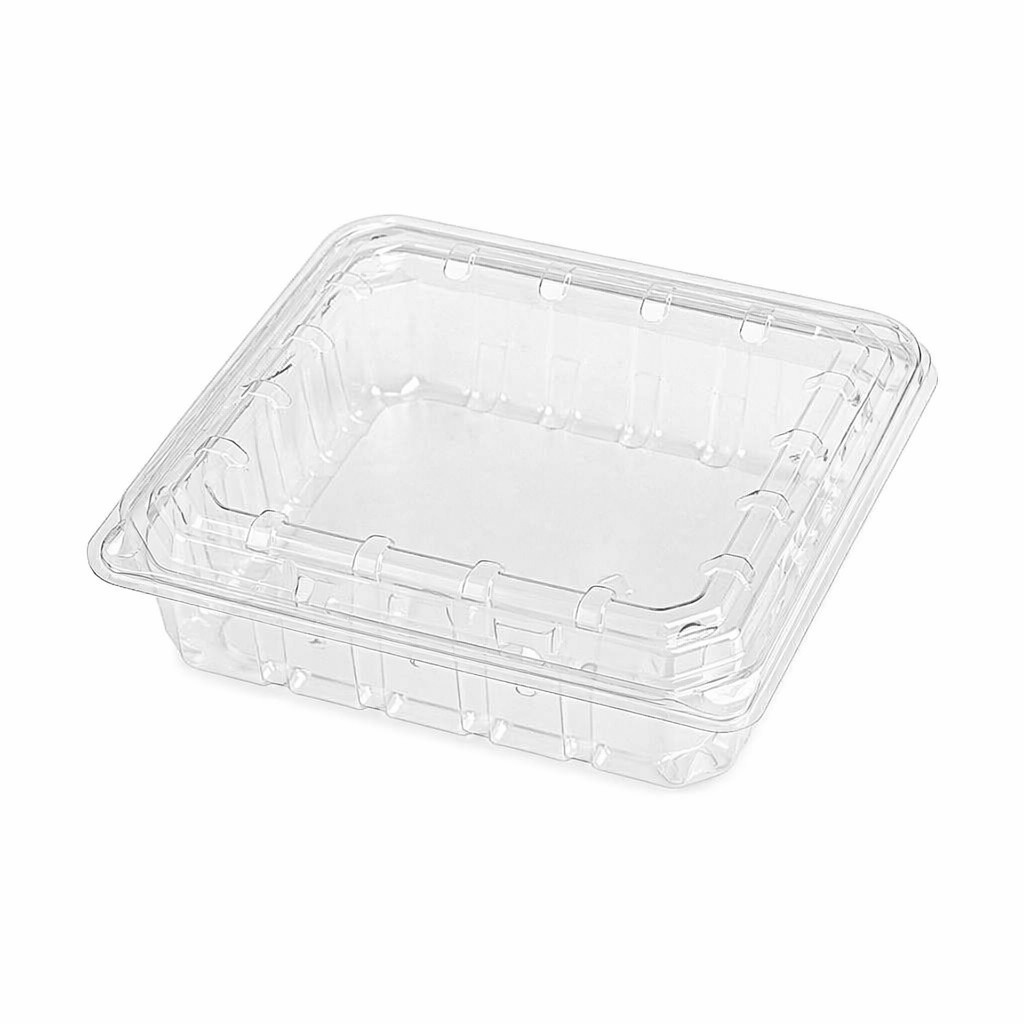
Several key specifications are critical when evaluating small clamshell containers.
Dimensions: Ensure that the container size fits your product requirements. The dimensions should accommodate the product without excessive space, which can lead to damage during transport.
Material: The choice of material affects not only the container's strength but also its barrier properties. Common materials include PET, PS, and PP, each offering varying degrees of moisture and oxygen barrier capabilities. Choosing the right material is essential for preserving product freshness.
Closure Mechanism: The design of the closure is significant for product security. Clamshells should provide a reliable sealing mechanism to prevent leaks and contamination.
Stackability: Consider how the containers will be stored and transported. Stackable designs can optimize space and reduce shipping costs.
Customization: Many manufacturers, like Zhejiang Qunlu New Material Co., Ltd., offer customization options, allowing you to tailor containers to your branding needs or specific product requirements.