EN

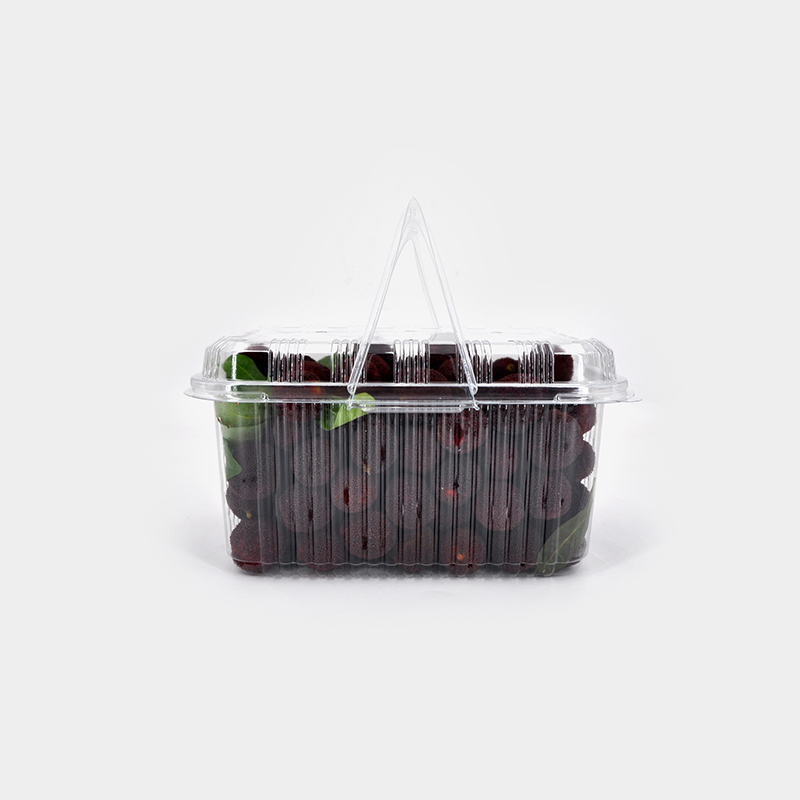
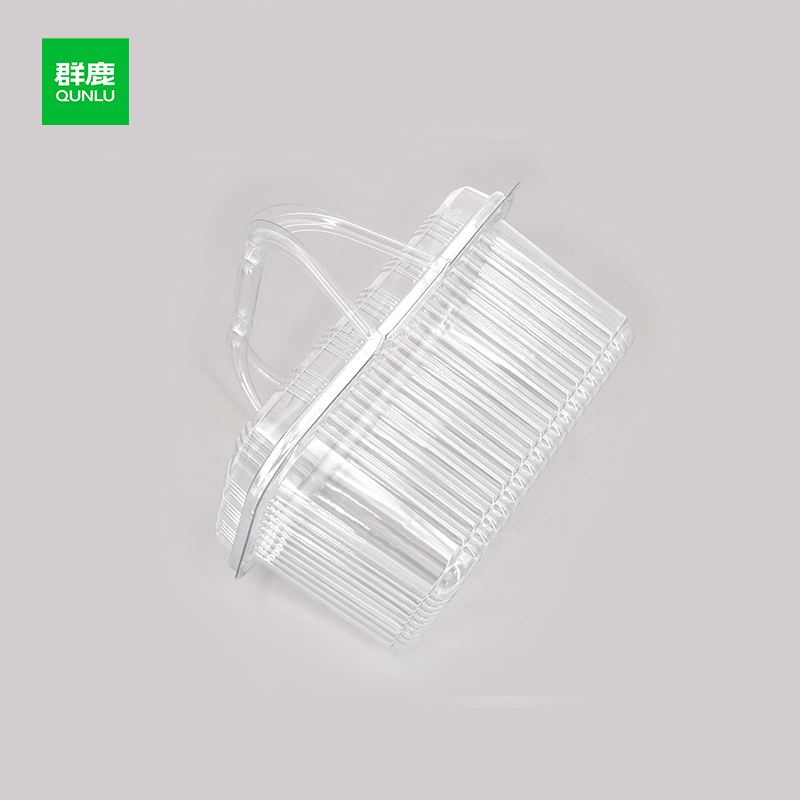
Fresh produce packaging is essential for maintaining the quality and safety of fruits and vegetables during transport and storage. B2B buyers, such as purchasing managers and distributors, are often concerned with the effectiveness, material quality, and sustainability of packaging solutions. This article will provide insights into key specifications, cost factors, common issues, installation guidance, and wholesale purchasing strategies for disposable food packaging, helping you make informed decisions for your business needs.
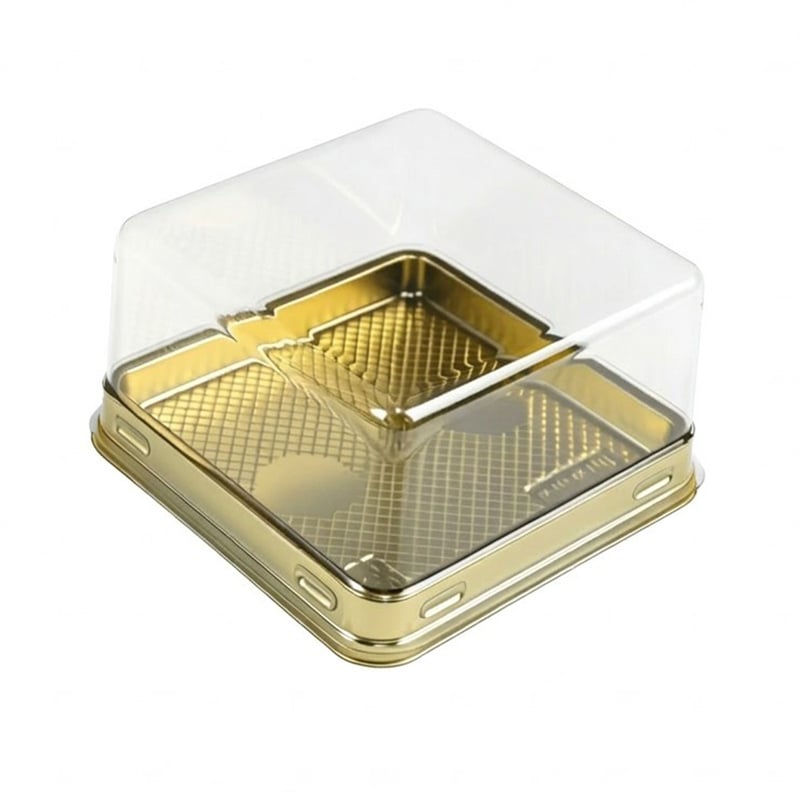
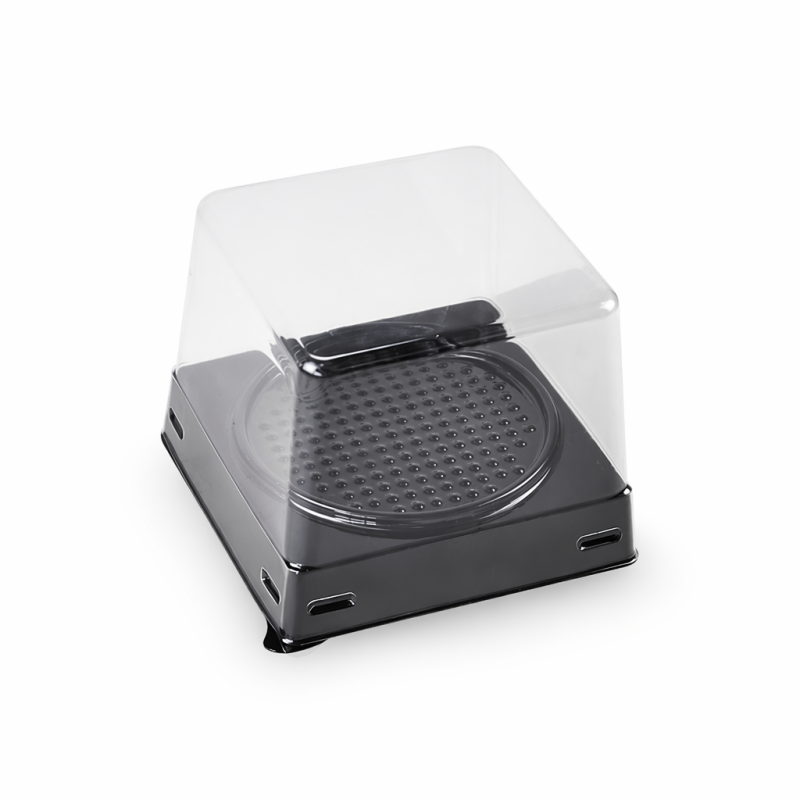
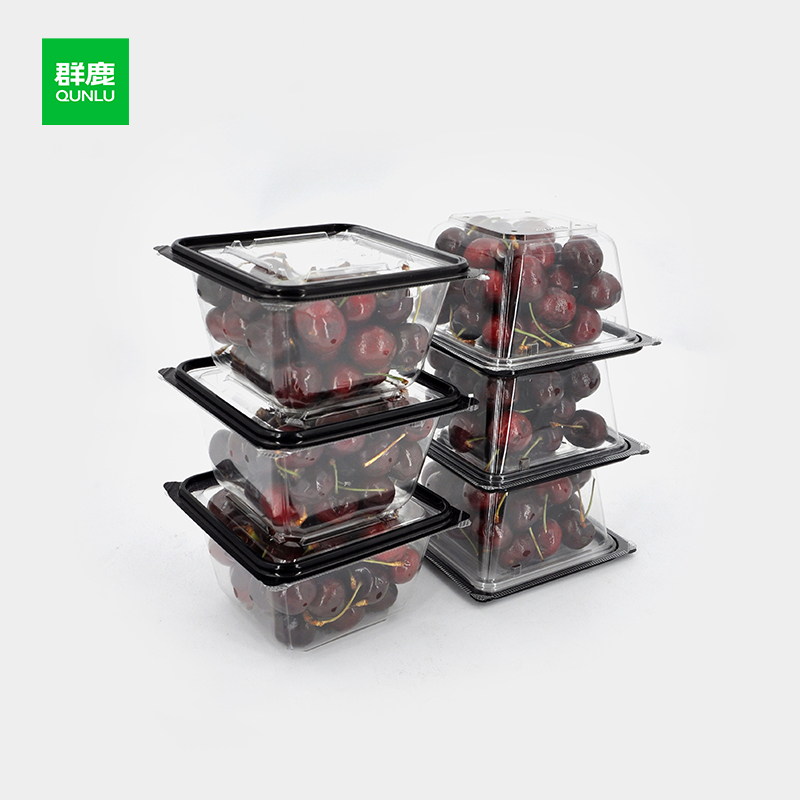
Cost Factors for Fresh Produce Packaging
Understanding the cost structure of QUNLU fresh produce packaging is vital for budget management and supplier negotiations. Key factors include:
Material Costs: The choice of material significantly impacts the overall cost. While biodegradable materials may have a higher upfront cost, they can appeal to eco-conscious consumers, possibly justifying a premium price.
Production Volume and MOQ: Manufacturers often set Minimum Order Quantities (MOQ) based on the material and complexity of the packaging design. Larger orders typically reduce the per-unit cost, making it essential for buyers to balance inventory needs with budget constraints.
Customization Fees: Packaging designs that require custom molds or tooling will incur additional costs. Buyers should evaluate the long-term benefits of custom designs against initial investments, especially if they plan to use the packaging for an extended period.
Logistics and Shipping: Consider the cost implications of shipping, including weight, volume, and the distance to the distribution center. Efficient packaging design can reduce shipping costs by optimizing space during transport.